
Do You Give Flowers to the Bride? Tips for Adding a Special Touch on Her Big Day
Flowers are a beautiful part of weddings, often symbolizing love and new beginnings. Many choose to include giving flowers to the bride in their wedding celebrations. Whether it’s a stunning bouquet or a simple single stem, this gift shows appreciation and affection on her special day.
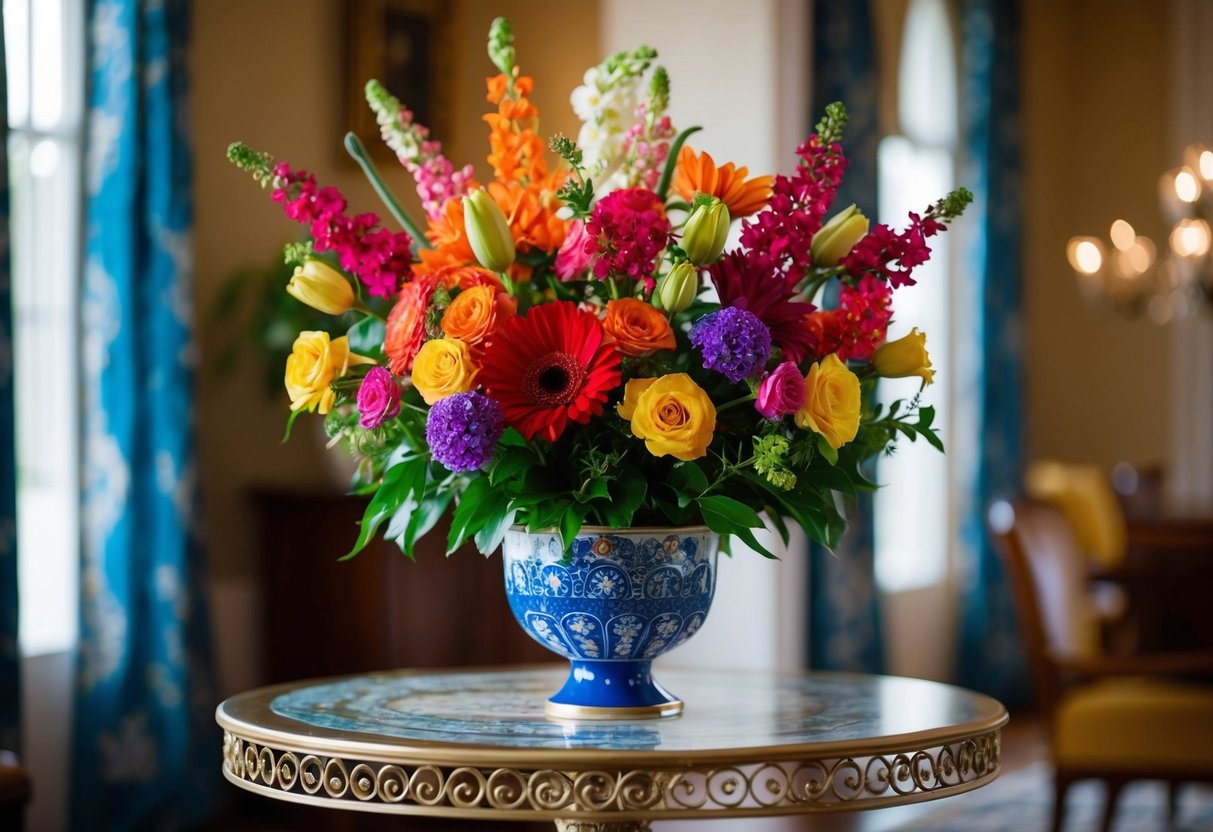
You might wonder about the different ways to present flowers to the bride. From traditional bouquets to smaller arrangements, flowers can enhance her look and make the moment even more memorable. Think about what type of flowers she loves, as each bloom carries its own meaning.
As you plan for the wedding day, consider how this small act can have a big impact. Giving flowers to the bride can add a personal touch and create lasting memories for everyone involved.
Traditions and Etiquette
When it comes to giving flowers to the bride, traditions and etiquette play a significant role. Understanding the history and modern customs can help you navigate these special moments.
History of Floral Gifts
The tradition of giving flowers to brides dates back centuries. Flowers symbolize beauty, fertility, and love. In ancient times, herbs and blooms were carried by brides to ward off evil spirits.
Bridal bouquets became popular to show one’s status and style. While giving flowers to brides has changed over time, the significance remains strong. Corsages and boutonnieres worn by family members still honor the bride.
Knowing the history adds depth to your gesture. It helps you appreciate why flowers are so important during weddings. These gifts create a connection between what you give and what it symbolizes.
Modern Wedding Flower Customs
Today, giving flowers to the bride often depends on personal and family traditions. You might choose to give flowers that complement her bridal bouquet or match the wedding colors. This adds a special touch to your gift.
Besides bouquets, corsages for mothers and boutonnieres for fathers are common. They represent support and love from family members. Choosing flowers with special meanings, such as roses for love, can also enhance your gift.
Remember to consider the bride’s favorite flowers or colors. It’s always a kind gesture to ask her for preferences. Being thoughtful in your selection shows you care and adds to the joy of the day.
Choosing the Flowers
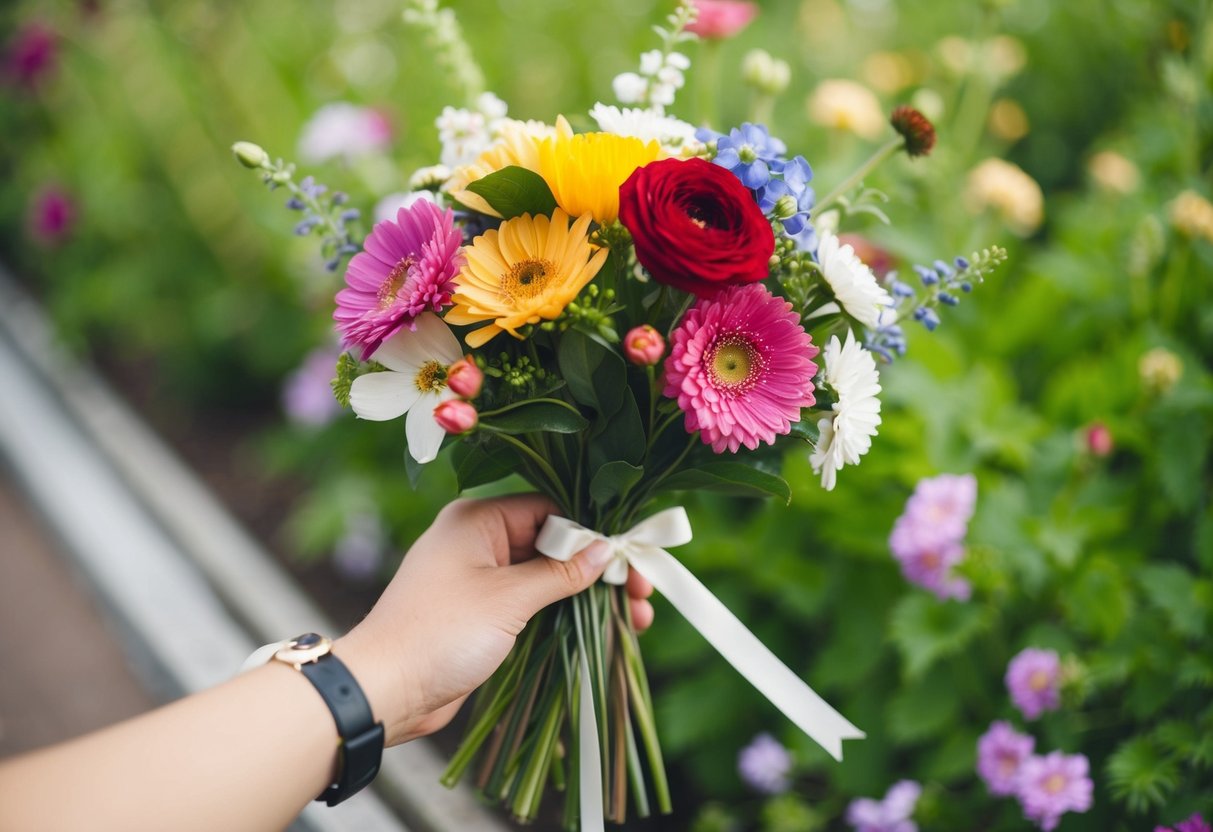
Selecting the right flowers for a wedding is important for personalizing the experience. You want the floral arrangements to reflect your tastes and the style of your wedding. Let’s explore specific areas to think about when choosing flowers for the bride and the wedding party.
Deciding on the Bridal Bouquet
Start by considering your personal preferences for the bridal bouquet. Do you prefer classic roses, vibrant sunflowers, or elegant lilies? Each flower type brings its own meaning and style.
Think about the colors and themes of your wedding when selecting your bouquet. You might want to incorporate in-season flowers for freshness and cost-effectiveness.
A custom bouquet can also include special touches, like family heirlooms or a unique floral crown. This way, your wedding bouquet will not only be beautiful but also meaningful.
Flower Selection for the Wedding Party
When choosing flowers for the wedding party, consistency is key. Consider matching the bouquets of the bridesmaids to your bridal bouquet for a cohesive look.
Bridesmaids’ bouquets can be slightly smaller but still complement your flowers. The same goes for flowers worn by groomsmen, such as boutonnieres that match your floral theme.
You can also include custom touches, like a unique flower crown for a maid of honor. This adds individuality while keeping the overall style unified.
Customizing Floral Arrangements
Customizing floral arrangements helps reflect your personality and style. Work closely with a florist to create designs that fit your vision.
You can mix various flowers and greenery to create texture and depth. Consider using flowers that hold special meaning for you personally—or even flowers that represent loved ones.
Don’t forget about other floral accents like centerpieces and table settings. These elements should harmonize with your bouquets and create a lovely atmosphere for the big day.
With thoughtful selections and creative customization, your wedding flowers will truly shine!
Floral Logistics and Planning
When planning your wedding flowers, coordination and understanding your needs are key. You want to ensure that everything goes smoothly on your special day. Here are some important aspects to consider to make the floral planning process easier.
Coordinating with the Wedding Planner
Working with your wedding planner is essential for smooth floral logistics. Your planner can help you connect with florists and manage timelines.
Start by discussing your vision for floral decor. Share your ideas about types of flowers and arrangements you love. Your planner can suggest local florists who fit your budget and style.
Make sure to create a detailed schedule. This should include when the flowers will be delivered and set up. Clear communication helps prevent last-minute changes and stress.
Understanding the Wedding Flower List
Creating a wedding flower list is a great way to organize your floral needs. This list will typically include:
- Bridal bouquet
- Bridesmaids’ bouquets
- Boutonnieres for the groom and groomsmen
- Ceremony flowers
- Reception centerpieces
Be as specific as possible about what you want. Sending photos of example arrangements can help florists understand your style better.
Review the list with your wedding planner to ensure everything aligns with your floral vision and budget.
Budgeting for Flower Arrangements
Budgeting is a crucial part of planning your wedding flower arrangements. Begin by determining how much you are willing to spend on flowers.
Consider costs for different types of arrangements. For example, bridal bouquets and reception centerpieces may have varying price ranges.
It’s important to prioritize your floral needs. If certain flower arrangements are more important to you, allocate more of your budget to those.
Ask your florist about seasonal flowers, as they can often be more affordable. By planning carefully, you’ll achieve beautiful decor without breaking your budget.
Ceremony and Reception Considerations
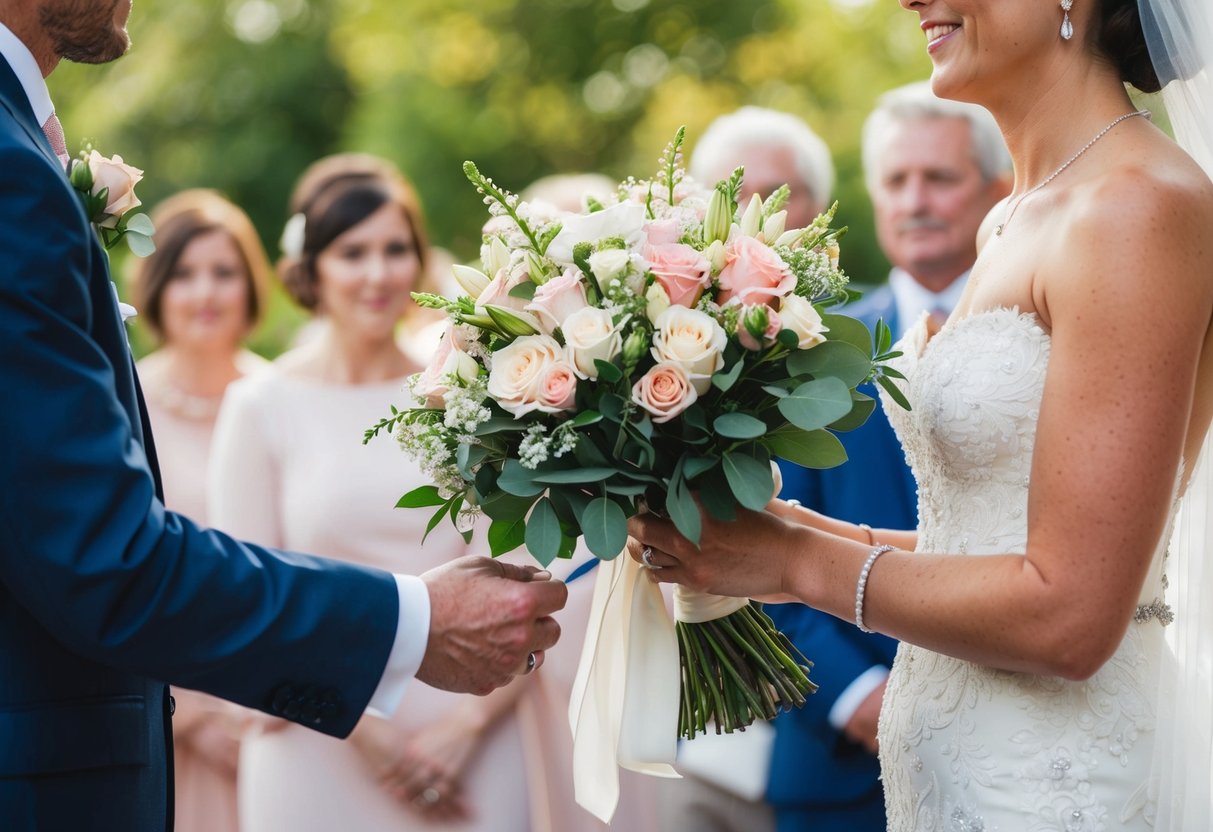
Flowers play a significant role in both the wedding ceremony and reception. They enhance the atmosphere, add beauty, and even tie together the event’s theme. Let’s look at how to incorporate flowers throughout the day.
Role of Flowers During the Ceremony
During the wedding ceremony, flowers create a stunning backdrop for the vows. They can be used in various ways, such as altar arrangements, pew decorations, or flower walls.
Consider the bride’s bouquet. This floral element is central to the ceremony, symbolizing love and beauty. You may choose to have matching wedding corsages for mothers or grandmothers, adding a personal touch.
Think about practical elements too. Ensure that flowers are durable enough to last through the ceremony. If you plan a bouquet toss, you can use a second, less formal bouquet for this fun moment.
Floral Displays at the Reception
Once the ceremony ends, flowers continue to shine at the reception. Large floral displays can serve as stunning centerpieces on dining tables. You can also utilize arrangements at the entryway or buffet table to greet guests.
Opt for smaller arrangements on guest-book tables or in restrooms. These floral accessories add color and charm without overwhelming spaces. Always consider your venue’s layout to decide where flowers can have the most impact.
Your flower choices can also reflect your wedding theme and colors. From elegant roses to vibrant sunflowers, select what resonates with you and your style.
Sustainable Flower Choices
Today, sustainability is an important factor. Choosing local and seasonal flowers can reduce environmental impact. These options are often fresher and support local growers.
Another stylish choice is potted plants. Guests can take them home, which leaves a lasting memory of your special day.
Think about reusing ceremony flowers at the reception. Large arrangements can easily transform into centerpieces, saving costs and resources.
Focusing on sustainable choices can help you create beautiful settings while also caring for the planet.