
Do You Have to Be Under a Roof to Get Married? Exploring Outdoor and Unique Wedding Venues
When planning your big day, you might wonder if you have to get married under a roof. The good news is that you can absolutely get married outside, as long as certain legal requirements are met.
Many couples dream of a beautiful outdoor wedding ceremony, and thankfully, laws in various places now support this idea.
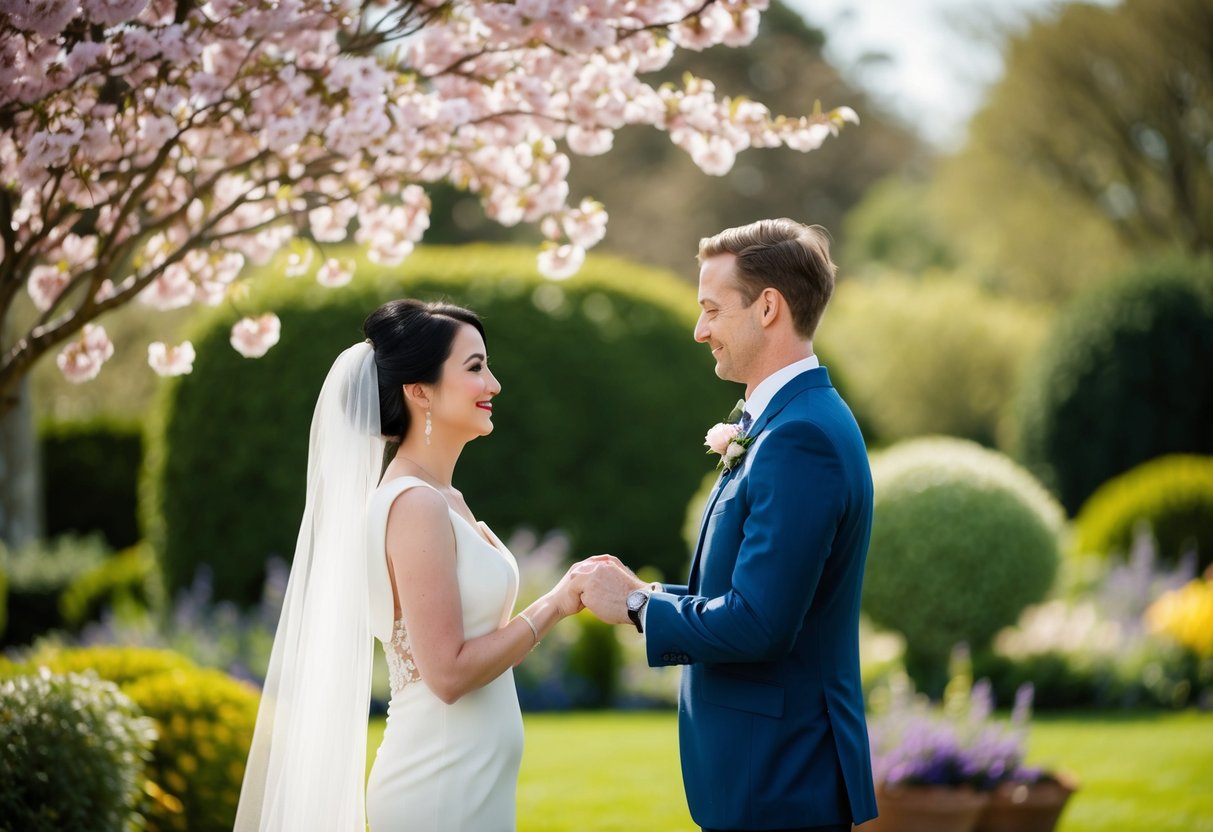
While some officiants may prefer conducting the ceremony indoors, others are open to outdoor locations. It’s important to check local laws and any specific requirements that might apply to your wedding. This way, you can create the perfect setting for your marriage ceremony, whether it’s under the stars or in a sunny garden.
So, if you’re envisioning an outdoor wedding, rest assured that you have the flexibility to make it happen. Embrace the beauty of nature as you celebrate your love and commitment.
Legal Requirements for Marriage
Getting married involves certain legal requirements that ensure your union is recognized by the law. It’s important to know what documents you need and the roles of various officials in the marriage process.
Understanding the Marriage Act of 1961
The Marriage Act of 1961 sets the legal framework for marriage in your country. This law defines who can marry, the minimum age, and the types of marriages recognized. According to this act, both partners must provide consent, and there are specific rules regarding residency and notice periods for marriage.
You should check if you meet the eligibility criteria under this act. Keep in mind that the marriage must be conducted in a recognized venue. Whether it’s a religious setting or another approved location, the choice can affect the ceremony’s legality.
Roles of Marriage Officers and Officiants
Marriage officers and officiants play vital roles in the solemnization of your marriage. A marriage officer is typically a government official who has the legal authority to perform marriage ceremonies. They ensure all legal requirements are met before the ceremony can proceed.
An officiant can also be someone from a religious organization who is recognized by law to conduct marriages. It’s essential to have someone qualified for your wedding to be legally binding. They will guide you through the process and make sure to sign the register, completing the legal elements of your marriage.
Important Documents: Marriage License and Certificate
Before you can get married, you must obtain a marriage license. This document is your permission to marry and must be applied for ahead of time. You’ll need to provide personal information, such as identification, and may need to pay a fee.
Once the marriage ceremony is completed, you will receive a marriage certificate. This certificate serves as proof of your marriage and is crucial for legal purposes, such as changing your name or filing taxes. Ensure that your officiant files this certificate with the Home Affairs department after your ceremony, so your marriage is registered properly.
Choosing the Perfect Venue
Finding the right wedding venue is a key part of your wedding planning. Where you say “I do” affects the vibe, guest experience, and even the details of your ceremony. Here are a few options to consider that can help make your special day unforgettable.
Celebrating at Outdoor Wedding Venues
Outdoor wedding venues are a popular choice for couples who want to embrace nature. Think parks, beaches, or garden settings that provide stunning backdrops.
Pros:
- Beautiful natural scenery
- Flexible space for guests to move around
Things to Consider:
- Be aware of the weather—have a backup plan if it rains.
- Make sure the venue has necessary permits and facilities, like restrooms.
You can create a lovely atmosphere with decorations and lighting. Many outdoor venues also allow for unique setups, making your ceremony truly special.
The Charm of a Private Residence Wedding
Choosing to get married at a private residence can make your ceremony feel cozy and personal. A family home or a friend’s place can provide an intimate setting that reflects your personality.
Advantages:
- Lesser costs compared to traditional venues
- A familiar environment that can be decorated to match your style
Considerations:
- You’ll need to manage logistics, like parking and seating.
- Check local regulations about gatherings and permits.
This option allows for a relaxed vibe, and you can add personal touches that showcase your love story.
Traditional Church Weddings
For many, a church remains the classic choice for weddings. Churches often offer beautiful architecture and a sense of history that enhances the ceremony.
Benefits:
- Spiritual atmosphere and supportive community
- Often equipped for larger ceremonies and receptions
Points to Keep in Mind:
- Some churches have restrictions on decorations, music, and celebrants.
- You may need to book well in advance due to popularity.
Marrying under a roof in this setting can provide comfort, especially for those with strong religious ties. The sacred space often adds a deeper meaning to your vows.
The Ceremony Itself
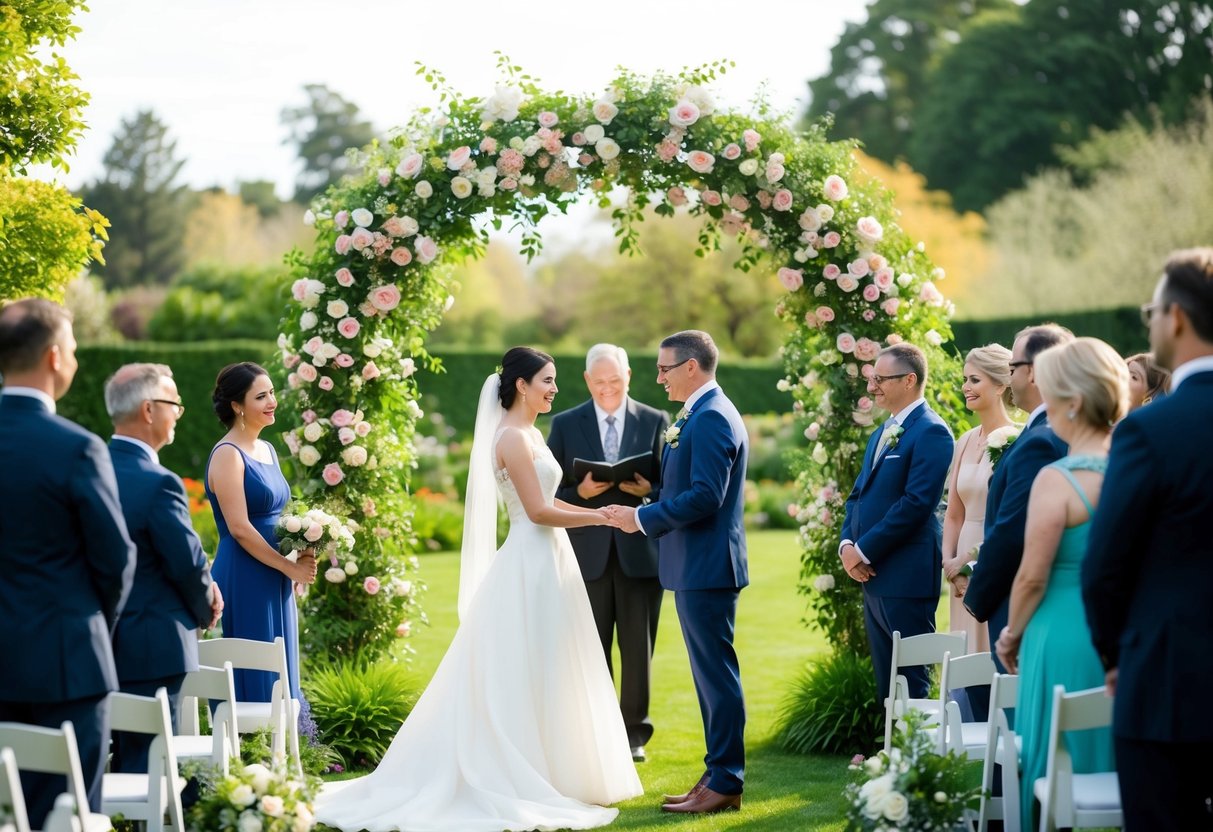
When planning your wedding, the type of ceremony is a key decision. You can choose between a religious or civil wedding, depending on your beliefs and preferences. Each option has unique requirements and can happen in various settings, including under the sky or in a traditional venue.
Religious vs Civil Weddings
Religious ceremonies often include spiritual elements and a religious leader performs them. These weddings may require specific rituals, prayers, or readings from sacred texts. Witnesses may also need to sign a marriage certificate.
In contrast, civil weddings are performed by a government official, like a justice of the peace. These ceremonies are usually simpler and focus on the legal aspects of marriage. You’ll still need at least one witness. The location can be more flexible, allowing for outdoor settings if desired.