
Do You Have to Exchange Rings at a Wedding? Exploring Tradition and Personal Preferences
The tradition of exchanging rings during a wedding ceremony has deep roots that stretch back to ancient Egypt, where rings symbolized eternal love and commitment. Many couples today wonder if this ritual is a necessity or simply a cherished custom.
Some couples find great meaning in the act of exchanging rings, viewing it as an important promise of love and commitment. It’s a moment that can enhance the emotional weight of the ceremony, as you put a physical symbol of your vows on each other’s fingers. Yet, others may choose to skip this step, focusing instead on the promises they make to one another without the traditional ring exchange.
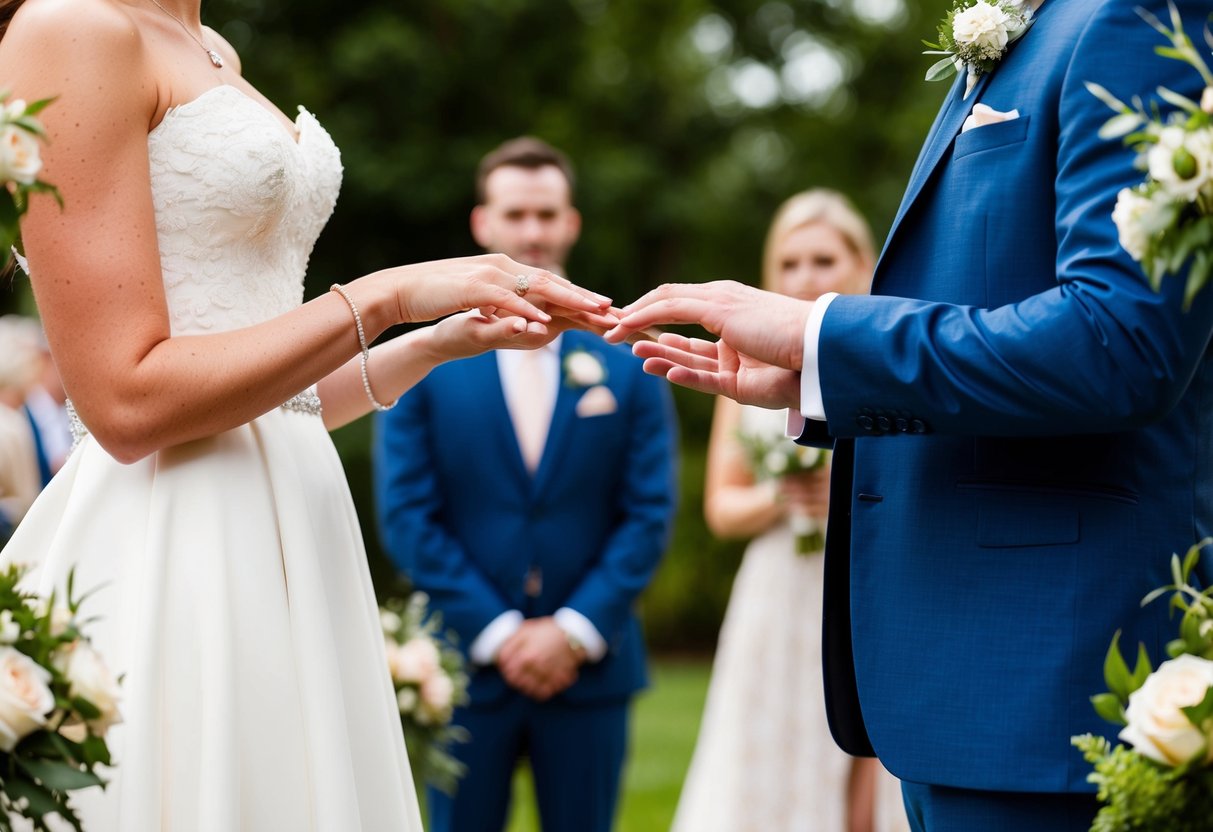
You are free to choose whether or not to exchange rings in your ceremony, as it’s about what feels right for you and your partner.
Some couples find great meaning in the act of exchanging rings, viewing it as an important promise of love and commitment. It’s a moment that can enhance the emotional weight of the ceremony, as you put a physical symbol of your vows on each other’s fingers. Yet, others may choose to skip this step, focusing instead on the promises they make to one another without the traditional ring exchange.
Some couples find great meaning in the act of exchanging rings, viewing it as an important promise of love and commitment. It’s a moment that can enhance the emotional weight of the ceremony, as you put a physical symbol of your vows on each other’s fingers. Yet, others may choose to skip this step, focusing instead on the promises they make to one another without the traditional ring exchange.
Some couples find great meaning in the act of exchanging rings, viewing it as an important promise of love and commitment. It’s a moment that can enhance the emotional weight of the ceremony, as you put a physical symbol of your vows on each other’s fingers. Yet, others may choose to skip this step, focusing instead on the promises they make to one another without the traditional ring exchange.
Some couples find great meaning in the act of exchanging rings, viewing it as an important promise of love and commitment. It’s a moment that can enhance the emotional weight of the ceremony, as you put a physical symbol of your vows on each other’s fingers. Yet, others may choose to skip this step, focusing instead on the promises they make to one another without the traditional ring exchange.
Some couples find great meaning in the act of exchanging rings, viewing it as an important promise of love and commitment. It’s a moment that can enhance the emotional weight of the ceremony, as you put a physical symbol of your vows on each other’s fingers. Yet, others may choose to skip this step, focusing instead on the promises they make to one another without the traditional ring exchange.
Some couples find great meaning in the act of exchanging rings, viewing it as an important promise of love and commitment. It’s a moment that can enhance the emotional weight of the ceremony, as you put a physical symbol of your vows on each other’s fingers. Yet, others may choose to skip this step, focusing instead on the promises they make to one another without the traditional ring exchange.
Some couples find great meaning in the act of exchanging rings, viewing it as an important promise of love and commitment. It’s a moment that can enhance the emotional weight of the ceremony, as you put a physical symbol of your vows on each other’s fingers. Yet, others may choose to skip this step, focusing instead on the promises they make to one another without the traditional ring exchange.
Some couples find great meaning in the act of exchanging rings, viewing it as an important promise of love and commitment. It’s a moment that can enhance the emotional weight of the ceremony, as you put a physical symbol of your vows on each other’s fingers. Yet, others may choose to skip this step, focusing instead on the promises they make to one another without the traditional ring exchange.
Some couples find great meaning in the act of exchanging rings, viewing it as an important promise of love and commitment. It’s a moment that can enhance the emotional weight of the ceremony, as you put a physical symbol of your vows on each other’s fingers. Yet, others may choose to skip this step, focusing instead on the promises they make to one another without the traditional ring exchange.
Some couples find great meaning in the act of exchanging rings, viewing it as an important promise of love and commitment. It’s a moment that can enhance the emotional weight of the ceremony, as you put a physical symbol of your vows on each other’s fingers. Yet, others may choose to skip this step, focusing instead on the promises they make to one another without the traditional ring exchange.
Some couples find great meaning in the act of exchanging rings, viewing it as an important promise of love and commitment. It’s a moment that can enhance the emotional weight of the ceremony, as you put a physical symbol of your vows on each other’s fingers. Yet, others may choose to skip this step, focusing instead on the promises they make to one another without the traditional ring exchange.
Some couples find great meaning in the act of exchanging rings, viewing it as an important promise of love and commitment. It’s a moment that can enhance the emotional weight of the ceremony, as you put a physical symbol of your vows on each other’s fingers. Yet, others may choose to skip this step, focusing instead on the promises they make to one another without the traditional ring exchange.
You are free to choose whether or not to exchange rings in your ceremony, as it’s about what feels right for you and your partner.
Some couples find great meaning in the act of exchanging rings, viewing it as an important promise of love and commitment. It’s a moment that can enhance the emotional weight of the ceremony, as you put a physical symbol of your vows on each other’s fingers. Yet, others may choose to skip this step, focusing instead on the promises they make to one another without the traditional ring exchange.
The Role of Rings in Wedding Ceremonies
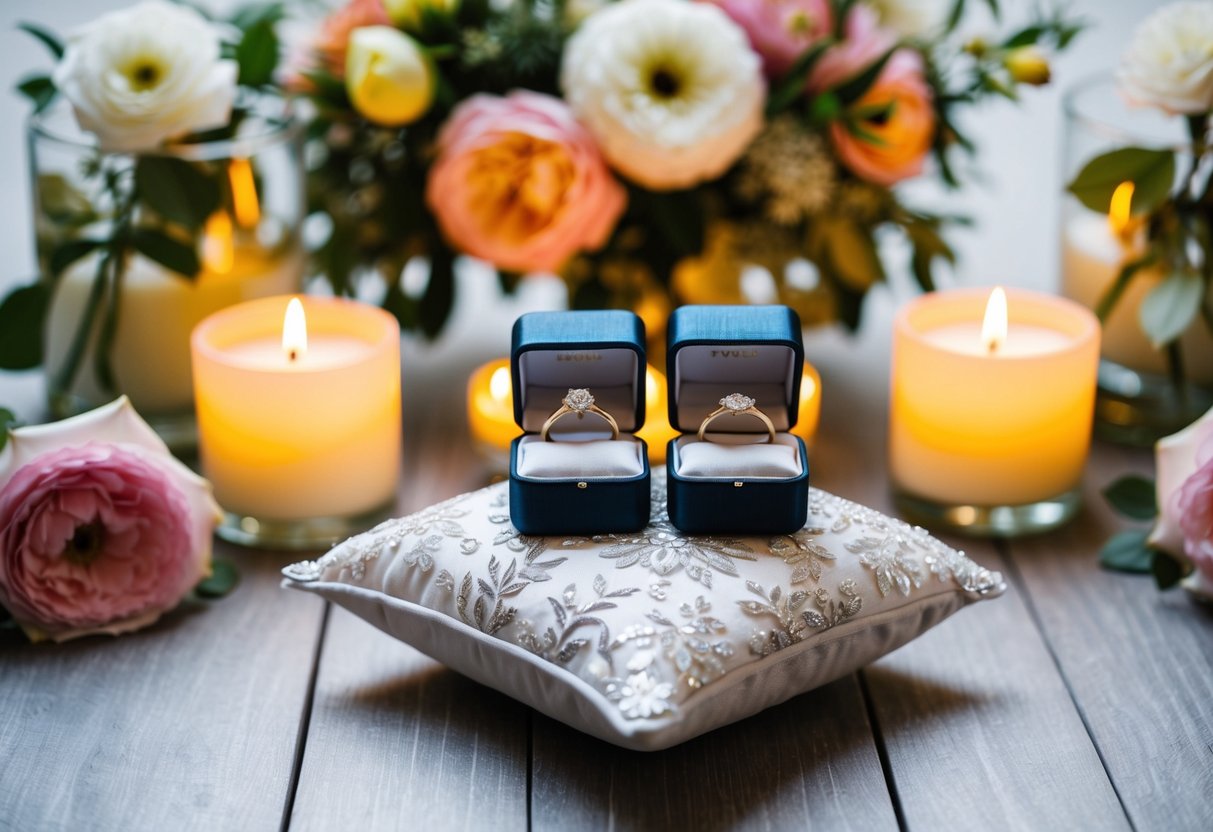
Wedding rings hold a special place in ceremonies, acting as powerful symbols of love and commitment. They carry a rich history and deep significance that resonates with many couples today.
Historical Significance of Wedding Rings
The tradition of exchanging wedding rings dates back to ancient Egypt. Egyptians believed that the circle of a ring represented eternity, symbolizing an unending love. They would use materials like reeds and leather to create simple bands.
As the custom spread, the Romans adopted the practice, but they made rings from metal, showcasing their durability. Over time, this evolved into the wedding bands we see today, often embellished with diamonds and other precious stones.
Symbolism Behind Exchanging Rings
Exchanging rings during a wedding holds significant meaning. It represents your promise to love and cherish one another. The act creates a physical connection, reminding you of your vows.
Additionally, wedding rings are often worn on the fourth finger of the left hand. This tradition comes from the belief that a vein in that finger leads directly to the heart, underscoring the bond of love.
Rings also serve as a public declaration of your commitment. Every time someone sees your wedding band, it symbolizes a unique story of love and partnership that is shared with the world.
Alternatives to Ring Exchange
If you choose not to exchange rings at your wedding, there are many heartfelt alternatives to show your love and commitment. These options allow you to express your bond in unique ways that resonate with your personal style.
Different Forms of Commitment Tokens
Instead of traditional rings, consider various commitment tokens that symbolize your love. You might opt for token rings, which are simple bands that can be worn during the ceremony and later kept as a keepsake.
Other ideas include matching tattoos that represent your bond. Some couples also choose to exchange engraved watches or meaningful jewelry. These items can hold special significance and serve as reminders of your commitment.
Handfasting is another beautiful tradition. This involves tying your hands together with a ribbon, symbolizing the joining of your lives. Each of these alternatives carries a deep meaning and can enhance your wedding experience.
Incorporating Personalized Vows
Personalized vows are an intimate way to share your feelings during the ceremony. You can express your love and commitment in your own words. Writing your own vows allows you to focus on what matters most to you both.
Consider incorporating specific promises that reflect your hopes for the future. You might vow to support each other’s dreams or to always prioritize your relationship. Reading these aloud can be an emotional moment that strengthens your bond.
You can also create a written version of your vows to keep as a cherished memento. This act of sharing heartfelt promises can be as powerful as exchanging rings, reaffirming your commitment in front of loved ones.
Cultural and Non-traditional Alternatives
Exploring cultural and non-traditional options can add a unique touch to your ceremony. In some cultures, couples exchange items like nose rings or bracelets to represent their commitment.
You can look into handfasting or rituals that involve elements from your cultural backgrounds. Each tradition has its own significance and can enhance the meaning of your union.
Additionally, consider other creative alternatives like love letters, which can be exchanged and read during the ceremony. These letters allow you to express your feelings in a personal and lasting way. Embracing these alternatives can make your wedding feel more tailored to who you are as a couple.
Legal and Ceremonial Considerations
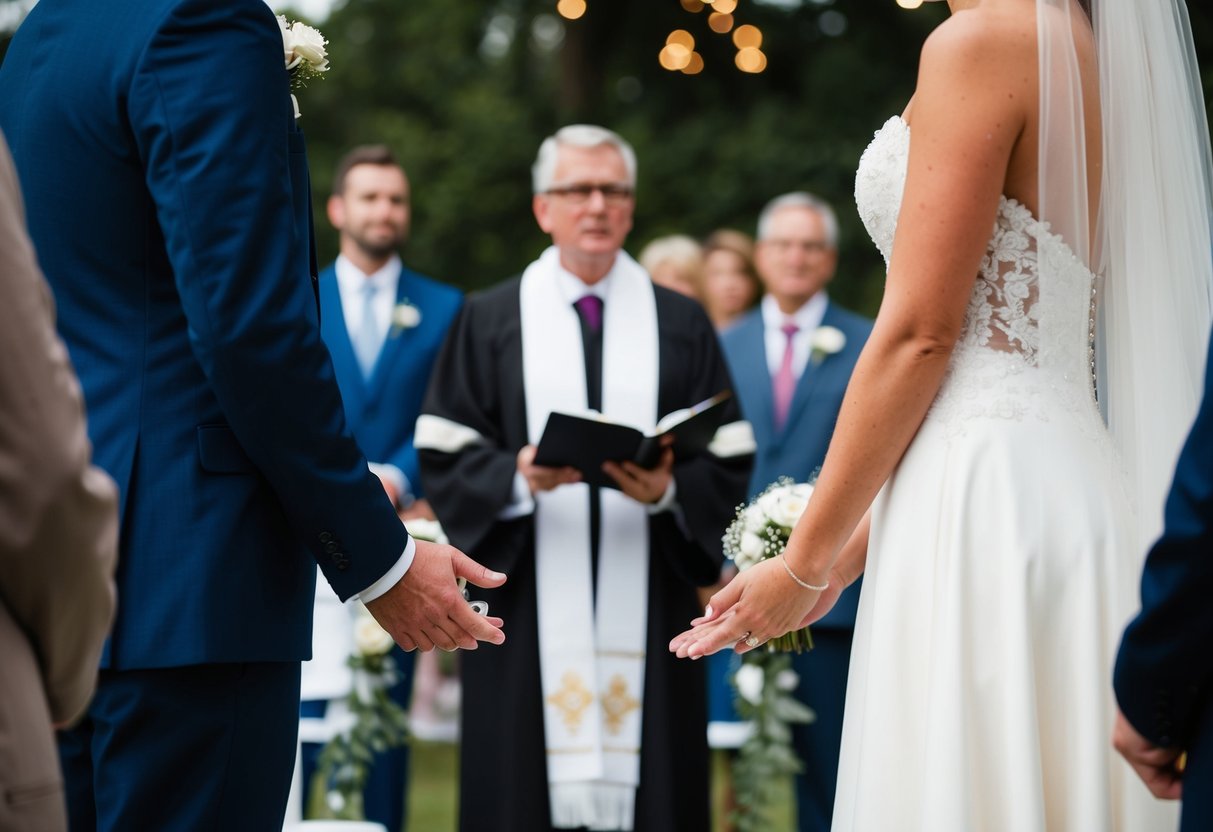
When planning a wedding, it’s essential to understand the legal and ceremonial aspects involved. The role of the officiant and the requirements for a marriage license both play significant parts in your wedding ceremony.
The Role of the Officiant
Your wedding officiant is the person who leads your ceremony and officially declares you married. This could be a religious leader, a judge, or a civil officiant. They ensure that the ceremony follows local laws and customs.
You don’t need to exchange rings for the marriage to be legal. While many couples choose to do so, it’s not a requirement. The officiant will guide the ceremony, and you can discuss with them how you want ring exchanges to be handled, if at all.
It’s good to check in advance what your officiant expects during the ceremony. This helps avoid any last-minute surprises that could cause awkwardness. Choose someone who aligns with your vision for the wedding.
Requirements for a Valid Marriage License
To get married legally, you must obtain a marriage license from your county clerk. Most places require you to apply in person. You’ll usually need to bring identification and sometimes proof of residency.
The waiting period for a marriage license may vary by state. Some states issue it immediately, while others may have a waiting time. Make sure to ask about this when you apply, as it can affect your wedding date.
Also, remember that the marriage license is generally only valid for a specific period. So, plan your wedding accordingly to ensure the license remains valid. Always keep your documents organized, as this will help the day go smoothly.
Roles in the Ring Exchange Process
During the ring exchange, several key roles work together to ensure the moment is smooth and memorable. Each person has specific duties that contribute to this special part of the ceremony.
Duties of the Best Man and Maid of Honor
The best man and maid of honor play crucial roles during the ring exchange. The best man is usually responsible for holding the wedding rings until the right moment. It’s a good idea to remind him to keep the rings secure in his pocket or a special pouch.
The maid of honor also has a vital role. She may assist the bride with her ring, ensuring it is ready for the exchange. Both must pay attention to the officiant’s words during the ceremony. They might need to coordinate their movements for a seamless experience.
Capturing this moment in your wedding photo is important. Make sure the photographer is aware of this part to get those beautiful shots.
Involving the Ring Bearer and Flower Girl
Adding a ring bearer and flower girl to your ceremony can make it even more charming. The ring bearer typically walks down the aisle with the wedding rings. Make sure to instruct him on how to handle the rings carefully. This way, you can be sure that the rings are in safe hands.
The flower girl also helps set a joyful mood. She can sprinkle flower petals or bring adorable touches, like holding a tiny pillow with the rings, if appropriate.
Both roles enhance the wedding’s atmosphere, making the ring exchange even more special. The wedding ring exchange wording may also include mentioning these young helpers, emphasizing their importance to the day.