
Do You Have to Give Plus Ones for Destination Weddings? Understanding the Etiquette
Attending a destination wedding can be exciting, but it also raises questions about guest etiquette, especially regarding plus-ones. Often, the decision to give your guests a plus-one depends on the size and style of your wedding. If you want your friends to feel comfortable during the celebration, including a plus-one might be a thoughtful choice.
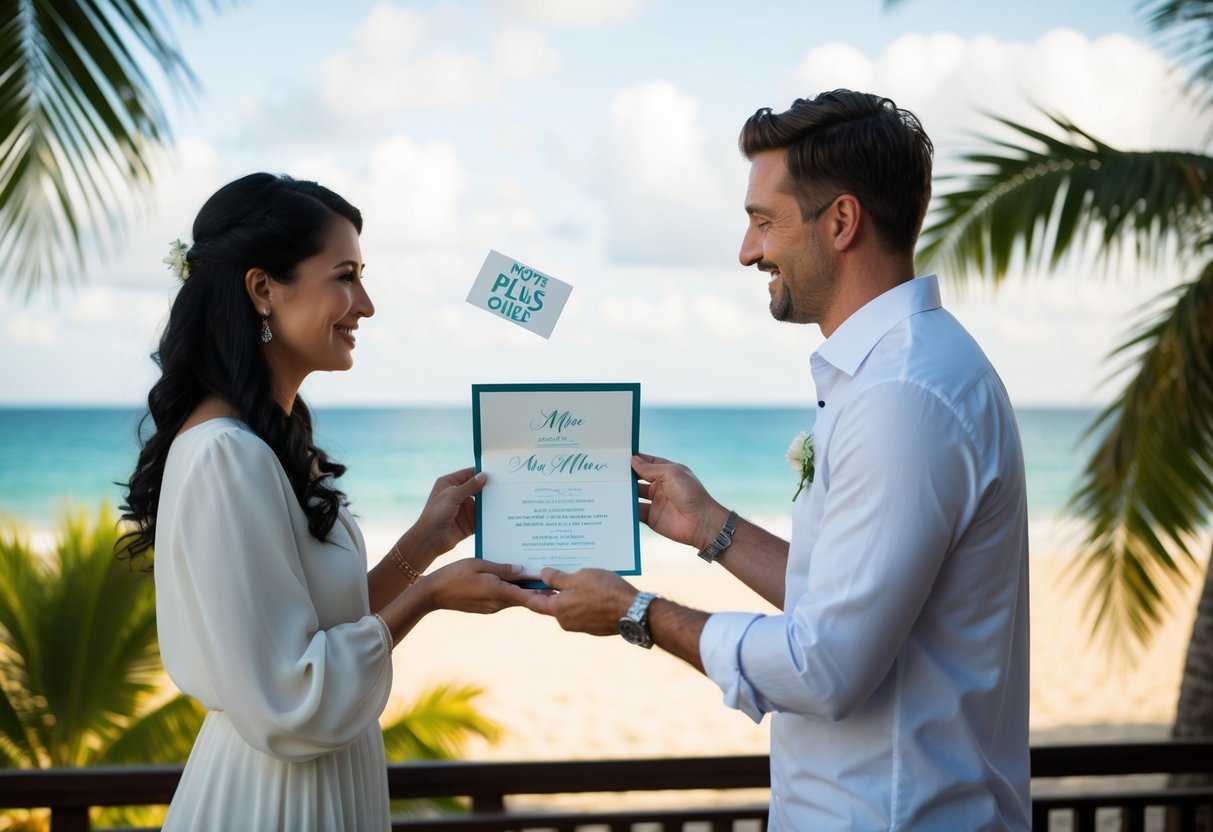
Destination weddings often last several days, with multiple events planned. This can make providing a plus-one even more important for guests who may not know anyone else. Think about how having a friend or partner along can enhance their experience and make your wedding more enjoyable for everyone.
Every couple has different ways of handling plus-one etiquette, and that’s perfectly okay. This article will explore the factors you should consider when deciding on plus-ones for your unique destination wedding.
Understanding Plus-One Etiquette
When planning a destination wedding, deciding on plus-ones can be tricky. You want to be fair to your guests while considering your budget and space constraints. Here are some essential points to keep in mind.
Essential Considerations for Plus-Ones
Think about your budget and venue size when deciding who gets a plus-one. Each added guest can increase costs and limit space.
Consider the following:
- Your Relationship: Close friends and partners usually deserve a plus-one.
- Single Guests: Depending on how long your guests have been single, you might decide to offer a plus-one to help them enjoy the event more.
Be clear in your invitations about your plus-one policy. You could include a note like “plus-one only for guests in serious relationships” to manage expectations. This way, you maintain the guest list and avoid awkward situations.
Single Guests and Plus-Ones
Single guests may naturally expect a plus-one, but it varies based on relationship status. If your single friend just started dating someone, it might be nice to let them bring their new partner.
You might consider:
- Long-term Relationships: Guests in committed relationships should receive plus-ones without question.
- One-Off Dates: If the relationship is casual, you may choose to invite your guest alone.
Communicating your decisions ahead of time is crucial. Use RSVP cards or your wedding website to clarify who gets a plus-one. This approach helps prevent confusion and miscommunication among your guests.
Crafting Your Guest List
Creating your guest list can feel overwhelming, especially when deciding who gets a plus-one. This choice can impact the dynamics of your wedding party and how comfortable your guests feel at your celebration.
Determining Who Gets a Plus-One
Start by identifying your close friends and family members. If they have a long-term partner, it’s considerate to offer them a plus-one. This can help everyone feel included and supported.
Generally, consider giving plus-ones to guests who are single, especially those traveling alone. A plus-one at a wedding can alleviate feelings of isolation. Be mindful of your total headcount when making these decisions since each extra guest can affect your budget.
Navigating Guest List Challenges
You might face challenges when finalizing your guest list. Each guest’s RSVP will play a crucial role. It helps to keep track of who responds and how many they plan to bring.
Some couples find it helpful to create a spreadsheet to manage their lists. Include columns for names, plus-one status, and RSVPs. This way, you can easily see if adjustments are needed.
Remember, it’s okay to make tough decisions. Strive for a balance between inviting everyone you care about and staying within your limits.
Invitations and RSVPs
Creating your wedding invitations and handling RSVPs can feel overwhelming, especially for a destination wedding. It’s important to remember that clear communication will help your guests feel informed and valued. Here are the details that matter most.
Designing Wedding Invitations
When designing your wedding invitations, make sure they reflect the spirit of your destination. Use eye-catching colors and design elements that relate to the location.
Incorporate key details such as:
- Date and time
- Venue address
- Travel information
Consider including a wedding website link where guests can find additional information. This can help to keep your invitation clean while providing more in-depth details about travel, accommodations, and events.
Make sure your wedding invitation wording is clear. Mention if it’s a destination wedding and highlight any important aspects, like travel logistics.
Managing RSVPs and Plus-One Responses
Managing RSVPs for a destination wedding can be tricky. Send out your invitations well in advance, giving guests time to plan. Typically, a good rule is to request responses at least eight weeks before the wedding.
Include an RSVP card with clear instructions on how to respond. It should specify:
- Who is invited
- Options for “attending” or “not attending”
- Plus-one availability
Be aware that not every guest may receive a plus-one. You can base your decision on your relationship with each guest and your budget. If you do offer plus-ones, clearly state it on the RSVP card to avoid confusion. Keep the communication open for any questions your guests may have.
Planning Destination Wedding Logistics
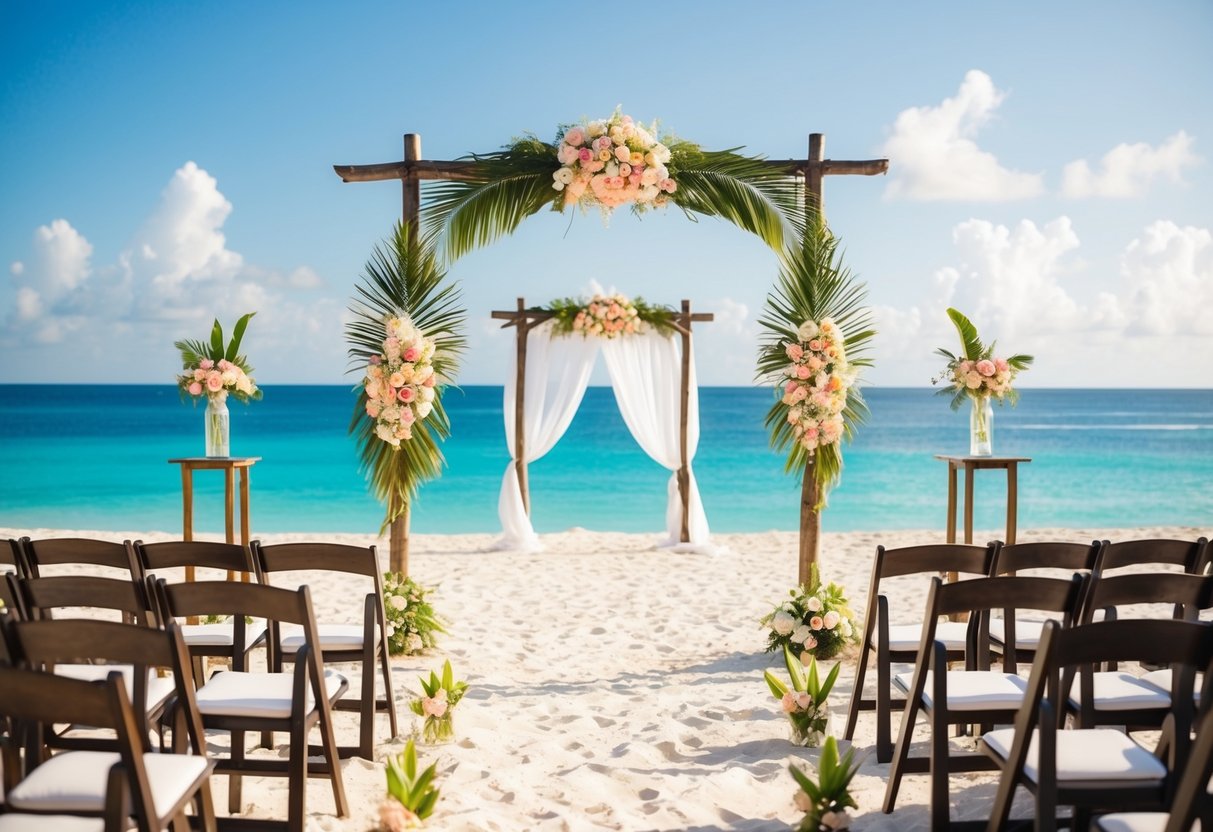
When planning a destination wedding, you need to think carefully about logistics. This includes budgeting for extra guests, providing accommodation details, and organizing group activities to make the event special for everyone.
Budgeting for Additional Guests
Adding plus ones to your guest list impacts your budget. Think about travel costs and how much each additional guest will add to your expenses. You may need to adjust your wedding gifts and registry accordingly to accommodate these changes.
Make sure to set aside money for welcome bags or extra meals at events like rehearsal dinners. It can also be a good idea to communicate the estimated costs to guests so they can plan their travel budgets. This transparency can help avoid surprises.
Providing Accommodation Details
You should provide your guests with clear accommodation details. Research local hotels or resorts that offer discounts for large groups. Create a list of recommended places with pricing to make it easier for your guests to book.
Include information about amenities, such as transportation options and free breakfast, in your welcome bags. This will help your guests feel comfortable and welcomed. Also, consider coordinating a block of rooms at a hotel to ensure everyone stays nearby.
Organizing Group Activities
Enhancing the fun of your destination wedding can be achieved through organizing group activities.
Think about a few engaging options like group excursions or dinners. This allows everyone to bond before the wedding day.
You can create a schedule of events leading up to the wedding, including casual outings or local tours.
Providing guests with fun activities helps them feel more connected. This way, they can enjoy the destination as much as the wedding itself, with shared experiences bringing everyone together.