
Do You Have to Give Rings at a Wedding? Exploring Wedding Traditions and Alternatives
When planning your wedding, you might wonder about the role of rings in the ceremony. It is not necessary to give rings at a wedding for it to be legally valid. Many couples choose to focus on their vows and the commitment they are making rather than the tradition of exchanging rings.
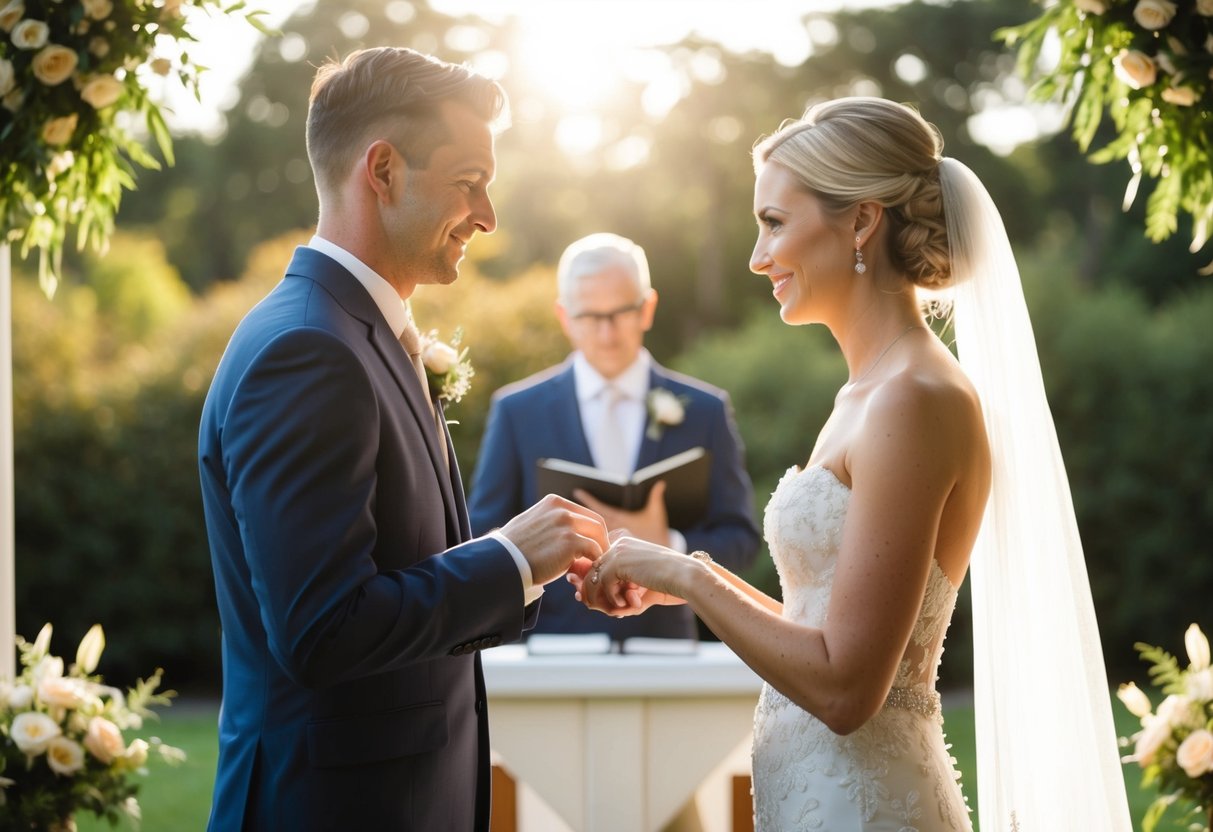
Rings are a lovely tradition that symbolizes love and unity. However, if rings aren’t within your budget or don’t align with your values, there are plenty of other ways to make your ceremony special.
From heartfelt vows to meaningful gestures, your wedding can reflect what truly matters to you and your partner.
As you explore your options for the big day, consider what feels right for both of you. This journey is about celebrating your love, and whether or not rings are part of it, your day can still be meaningful and memorable.
Understanding Wedding Traditions
When it comes to weddings, rings hold special meaning. They represent love, commitment, and unity. Understanding the traditions around wedding rings can help you decide what feels right for you.
The Significance of Rings in Marriage
Rings symbolize eternal love and commitment. Traditionally, couples exchange wedding rings during the ceremony. This act creates a powerful moment that marks the start of your new life together.
Rings are usually worn on the fourth finger of the left hand. This tradition comes from the belief that a vein runs from that finger directly to the heart.
Additionally, wedding rings are often considered unconditional gifts, reflecting deep emotional connections. Engagement rings also play a critical role before marriage, representing the promise of a future together. The choice to exchange rings is a personal one, rooted in history and meaning.
Alternatives to Exchanging Rings
While rings are a common tradition, not everyone chooses to follow this path. Some couples may prefer alternatives that fit their values and beliefs.
For example, you might consider exchanging other meaningful items, like jewelry or special tokens. These can represent your love and commitment without traditional rings.
Another option is to skip the exchange altogether. Instead, you can focus on heartfelt vows that express your feelings. This can emphasize the emotional aspect of your marriage over material gifts. Remember, what matters most is what feels right for you and your partner.
Legal Implications of Ring Exchange
Understanding the legal aspects of exchanging rings during a wedding can help you make informed choices. This section discusses how rings may be viewed as gifts and their role in divorce proceedings.
Rings as Conditional vs. Unconditional Gifts
When you give someone a ring, it can be classified as a conditional gift or an unconditional gift. A conditional gift, like an engagement ring, is given with the expectation that a marriage will occur. If that doesn’t happen, you may have legal rights to reclaim the ring.
In contrast, wedding rings are typically seen as unconditional gifts. Once exchanged during the ceremony, they belong to the recipient. Laws can vary by state regarding these classifications, so it’s wise to consult a family law attorney for specific advice related to your situation.
Engagement and Wedding Rings in Divorce Proceedings
If you find yourself facing a divorce, the fate of your rings can become complex. In community property states, marital property, including gifts exchanged during the marriage, may be divided between both spouses.
In separate property states, your rings might remain yours if they were received as gifts. However, if you live in a no-fault state, the court typically does not consider marital misconduct in property division.
Understanding how your state views interspousal gifts can clarify what happens during property division in a divorce settlement. Consulting with qualified family law attorneys can help you navigate these laws efficiently and protect your legal rights.
Social and Emotional Considerations
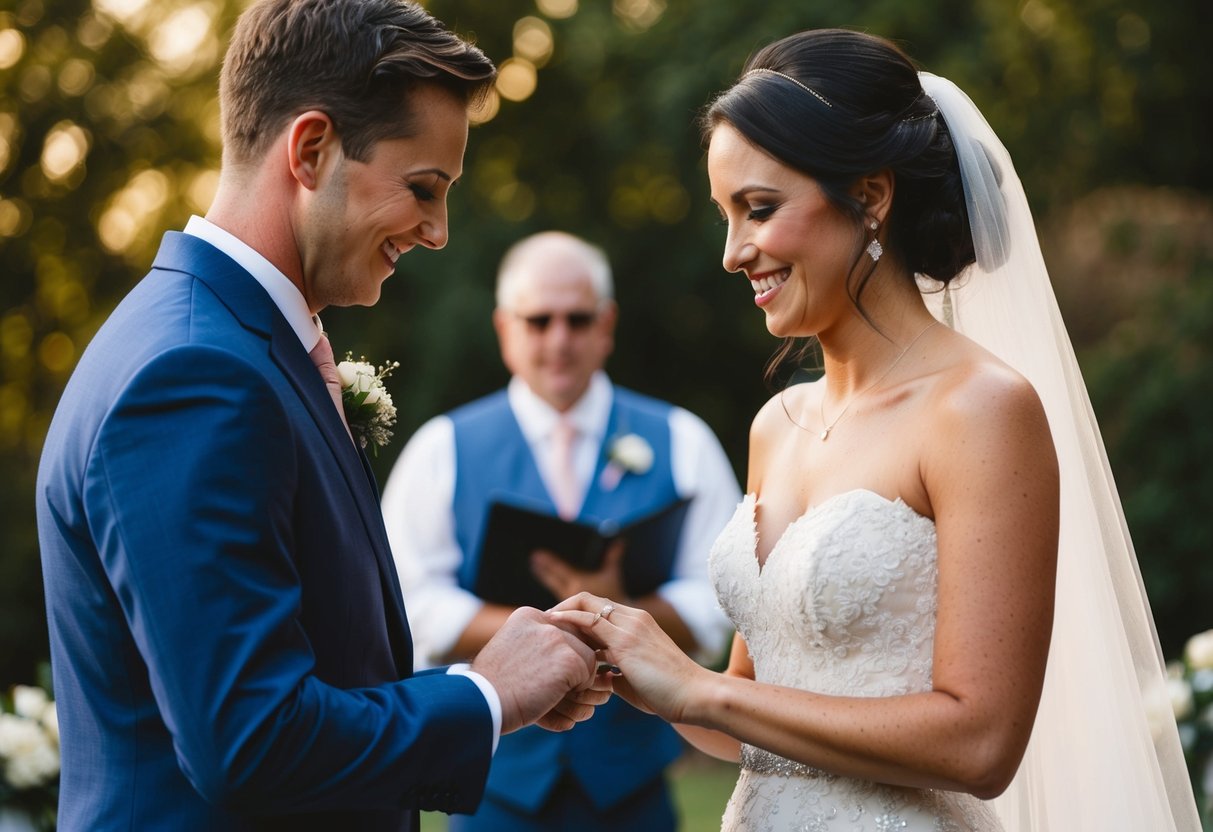
When it comes to rings at weddings, social and emotional aspects play a significant role. These considerations can influence your decisions and relationships, especially in sensitive situations like broken engagements or when discussing expectations around rings.
When Engagements Break: Who Keeps the Ring?
If an engagement ends, the question of who keeps the engagement ring can be complicated. Typically, in many places, engagement rings are considered “conditional gifts.” This means they are given with the expectation that the marriage will occur.
If you are the donor (the one who gave the ring), you might feel it should come back to you. If you are the donee (the one who received it), you may feel it’s a gift that is rightfully yours. It’s a good idea to consult a lawyer or seek legal advice if you’re unsure about your rights. It can help clarify things before emotions run high.
Communication and Understanding Expectations
Clear communication is key when discussing rings, whether they are for engagement or weddings. Understanding each other’s expectations can prevent conflicts.
Talk openly about what the rings symbolize to both of you. If you have a family heirloom, discussing its significance can also provide deeper meaning.
Be honest about your feelings regarding rings and what they represent in your relationship. Setting clear expectations can help avoid misunderstandings later on.
Making It Personal: Customizing Your Commitment
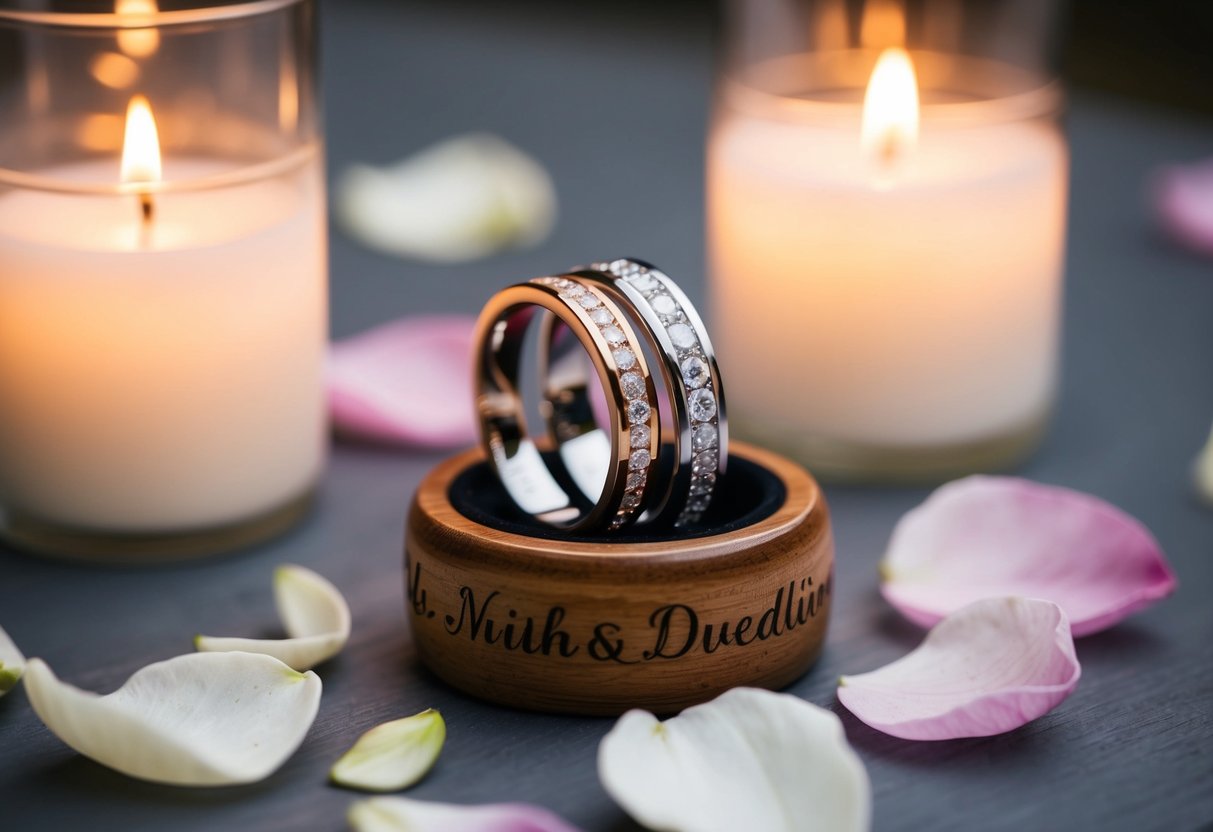
When it comes to wedding rings, personal choices play a huge role in defining your commitment. From unique symbols to cultural traditions, customize your rings to reflect your love and values.
Choosing the Right Symbol of Love
Choosing a ring is more than just a decision; it’s about expressing your love. Consider what symbolizes your relationship best.
Options include traditional wedding bands, promise rings, or custom designs that showcase your unique journey.
You might want to include meaningful engravings like initials or special dates. Personal touches turn rings into cherished gifts.
Remember, these rings can also represent your commitment as marital assets in family law matters.
When deciding, also think about the metal and gemstone types. Each one carries its own significance, adding depth to what your ring represents.
Cultural and Personal Influences on Wedding Practices
Culture shapes wedding practices significantly. Many traditions involve specific rings that hold deep meaning in different communities. For example, some cultures give the bride an engagement ring, while others have the couple exchange matching wedding bands.
Personal preferences also matter. You might prefer a simple band, or you could opt for a more intricate design. Make sure to communicate with your partner about your choices.
Merging elements from different backgrounds can create a unique tradition. This blend of family customs and personal flair makes your commitment even more special, reflecting your journey as a couple.