
Do You Have to Have an Officiant at a Funeral? Understanding Your Options
When planning a funeral, you might wonder about the role of an officiant. Having one can bring structure and support to the service. Many families choose to include an officiant to guide the ceremony, offer comfort, and help celebrate the deceased’s life.
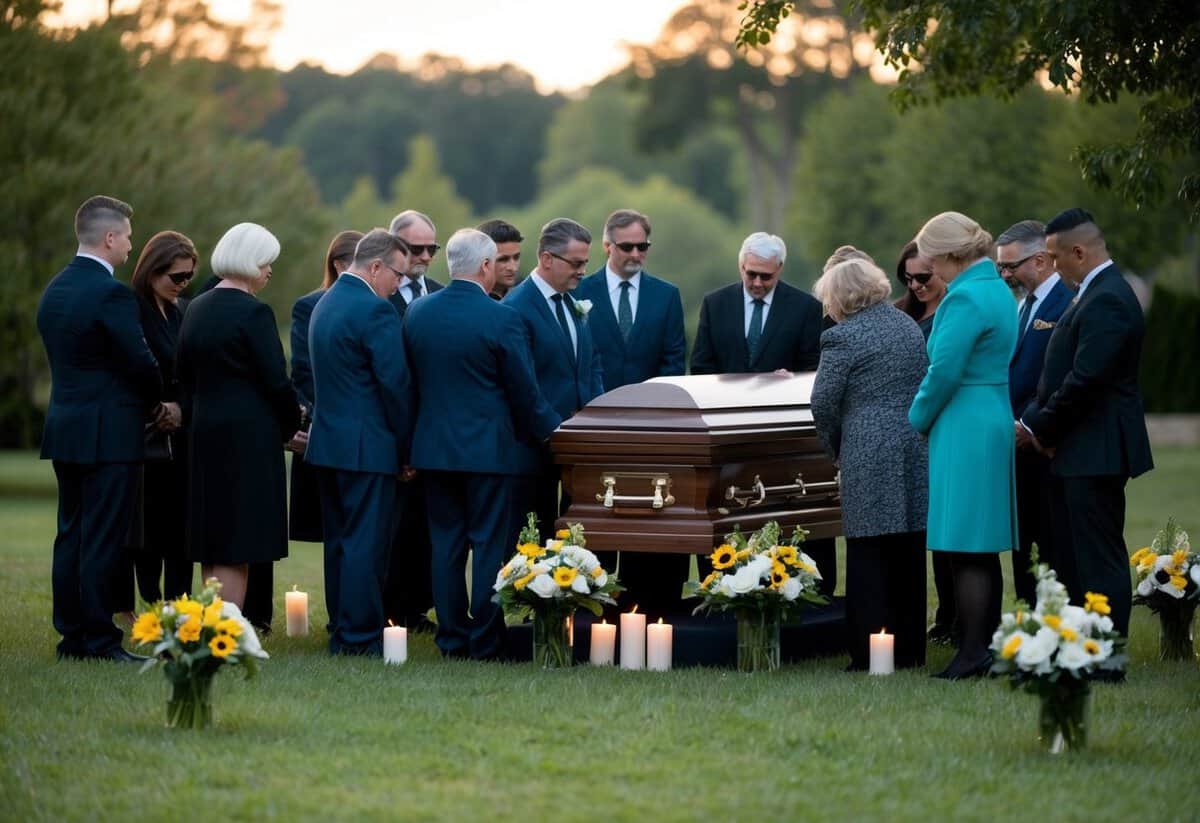
If you decide to go without an officiant, friends or family members can lead the service. This approach can make the event feel more personal and intimate. However, it can also add some challenges, especially if the group needs help coordinating the details.
Understanding your options can help you create a meaningful farewell that honors your loved one in the way you feel is right.
Understanding the Role of a Funeral Officiant
A funeral officiant plays a vital role in guiding memorial services. They provide support to grieving families and ensure that the ceremony is meaningful and respectful. Here’s a closer look at what an officiant does, the different types available, and why having one is significant.
Defining an Officiant’s Duties
The duties of a funeral officiant include leading the ceremony and offering comforting words. They also meet with the family to discuss the service’s details and help plan the event, ensuring it reflects the deceased’s life. Officiants facilitate ceremonies by conducting readings, sharing stories, and leading prayers or moments of silence.
An officiant needs strong public speaking skills to communicate effectively with attendees. They help set the tone of the service, guiding guests through their emotions. Many officiants also have training in celebrant practices, which further enhances their ability to create meaningful ceremonies and offers a personal touch.
Different Types of Funeral Officiants
There are various types of officiants to choose from depending on the service you prefer. Some are religious leaders, like priests or ministers, who conduct traditional religious ceremonies. Others, known as funeral celebrants, may not represent any particular faith but provide personalized, secular memorials.
Each type brings its unique style to the service. For example, a religious officiant will incorporate prayers and religious customs, while a celebrant focuses on creating a narrative that captures the deceased’s life. You can select an officiant based on the needs and wishes of your family, ensuring the service aligns with your values and beliefs.
The Significance of Having an Officiant
Having an officiant at a funeral can greatly enhance the experience for mourners. They offer a comforting presence and help structure the service, which is particularly important during a time of grief when families may feel overwhelmed.
Officiants guide the service, ensuring that it flows smoothly and includes all necessary elements, such as eulogies and readings. They also provide a space for attendees to share their memories and feelings. By entrusting this responsibility to a skilled officiant, you allow loved ones to focus on honoring the deceased and supporting one another.
Planning the Funeral Service
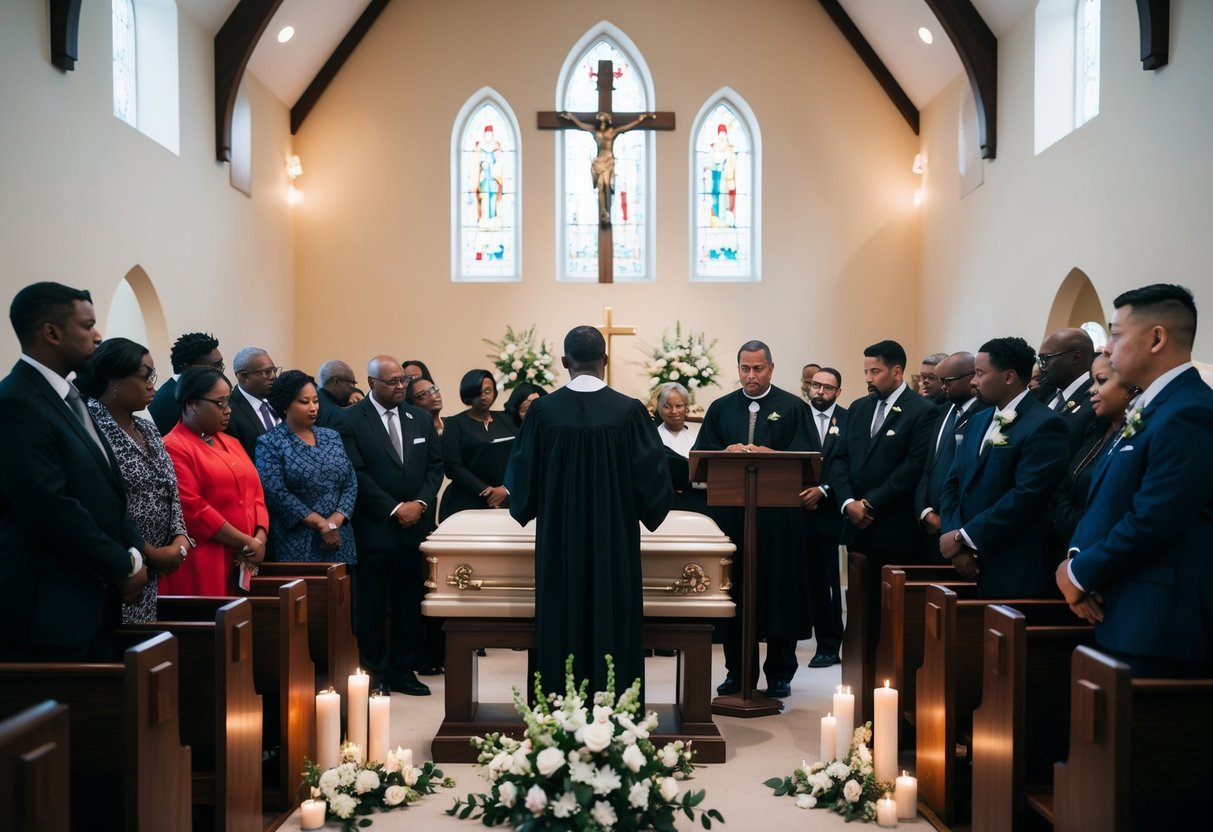
When planning a funeral service, it’s essential to consider who will officiate, how the service will be organized, and ways to personalize the ceremony. Each choice contributes to a meaningful farewell that reflects the life of your loved one.
Choosing the Right Officiant for Your Service
Selecting the right officiant is a key part of funeral planning. You can choose a religious leader, a family member, or a professional officiant. Consider their ability to connect with those attending.
Discuss your vision for the service with them, and make sure they understand specific aspects like tone and themes. If you prefer a more casual approach, a celebrant or close friend might fit well. It’s also helpful to check their availability early in the planning process.
Organizing the Order of Service
Creating an order of service helps guide the funeral. Start by listing key components such as music, readings, and eulogies. This list ensures a smooth flow and helps attendees know what to expect.
Consider using a funeral program or brochure to outline the service. It can contain details about the deceased’s life, as well as photos and quotes that celebrate their legacy. Make sure to communicate any post-funeral arrangements clearly, too.
Personalizing the Ceremony
Personal touches make the ceremony unique and memorable. Think about your loved one’s hobbies, interests, and favorite songs. Incorporating these elements helps reflect their personality.
You could include specific readings or share favorite memories. Additionally, consider creating a visual tribute with photos or a video. In a funeral or celebration of life, these details can bring comfort to participants and foster deeper connections among attendees. Personalizing the service allows everyone to share in the spirit of your loved one’s life.
Conducting the Funeral Service
Conducting a funeral service is a meaningful way to honor the deceased and support their family. This involves delivering a heartfelt eulogy, incorporating readings and prayers, and providing comfort to grieving loved ones. Each part of the service plays a vital role in ensuring a respectful and loving farewell.
Mastering the Art of Eulogizing
When you are asked to deliver a eulogy, focus on sharing personal stories that highlight the deceased’s character. Talk about their passions, achievements, and the impact they had on others.
Use anecdotes that bring a smile or a tear, crafting a narrative that celebrates their life. Practice speaking slowly and clearly to convey your message effectively. It’s important to connect with the audience, welcoming their shared memories as part of the service.
You may want to keep notes handy, but try to speak from the heart to make the message truly resonate. This is your chance to honor the individual and provide comfort to grieving family members.
Incorporating Readings and Religious Elements
Including readings and religious elements can add depth to the service. You might select passages that the deceased loved, such as poetry or scripture. These readings often resonate deeply with family members and friends.
If a religious leader is available, consider having them lead the service or offer prayers. Religious prayers can provide solace and a sense of community during the service.
If the family has specific traditions, be respectful and incorporate those elements into the ceremony. Whether it’s a cherished hymn or a moment of silence, these elements can create a fitting tribute to the deceased.
Supporting the Family Members
As you lead the service, always keep the family members’ well-being in mind. Your role includes providing comfort and support during this difficult time.
Encourage other attendees to share their memories and feelings as well. This communal sharing fosters connection among those grieving.
Make sure to address any questions or concerns from the family before the service. Touch base with them throughout. Your presence and understanding can be incredibly comforting, as it helps them feel supported and cared for during their time of loss.