
Do You Have to Pay to Get Married on a Beach? Exploring Costs and Options
Planning a beach wedding can be exciting, but you might wonder about the costs involved. In most cases, you will need to pay for a permit to get married on the beach in Florida. This fee varies depending on the beach location and time of year, typically ranging from $60 to $320.
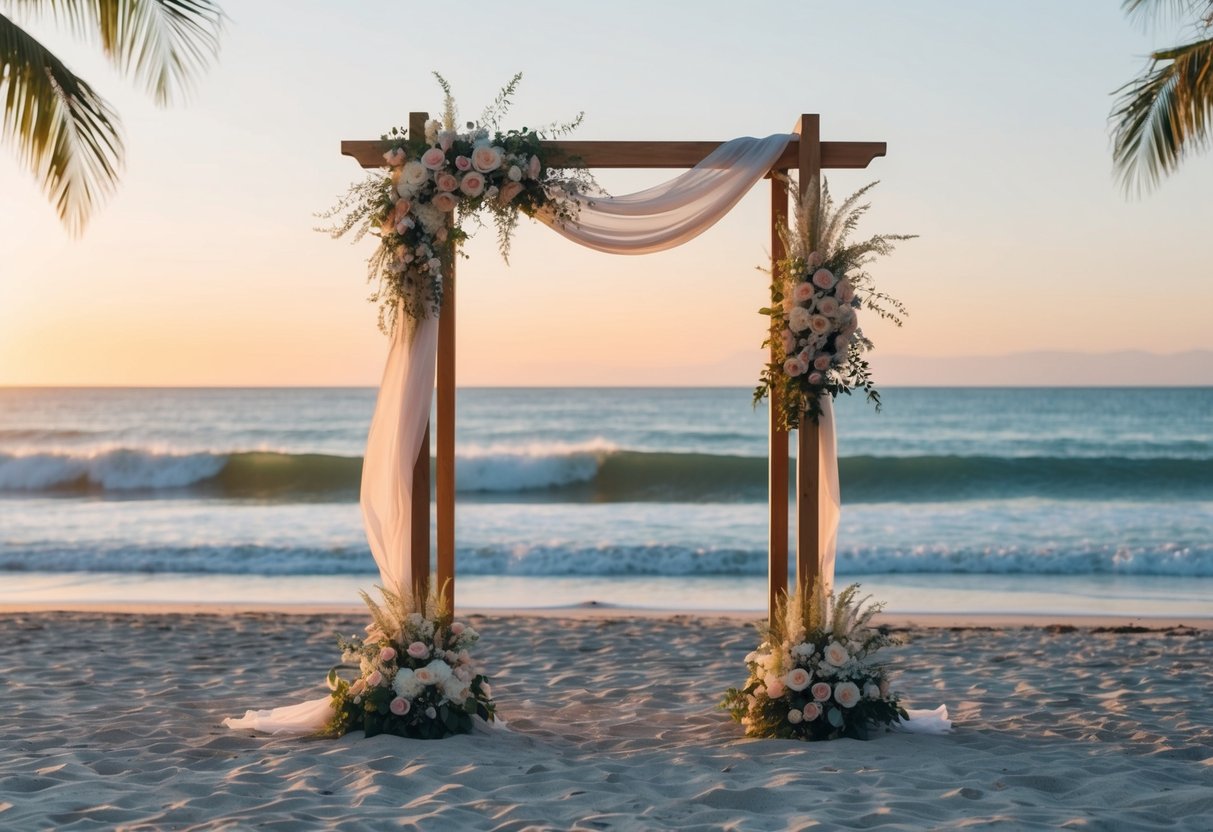
If you dream of saying “I do” while the waves crash in the background, understanding the permit requirements is key. Many public beaches in Florida have regulations to ensure that weddings don’t disrupt the area or other beachgoers.
Knowing these details can help you avoid surprises as you plan your special day.
While some beaches do not require a permit, most do, so it’s essential to check ahead.
This guide will walk you through the essential steps and costs so that you can focus on enjoying your beautiful beach wedding without any unexpected hurdles.
Understanding the Legal Requirements
When planning a beach wedding, it’s essential to understand the legal steps you must take. This includes obtaining a marriage license and any necessary permits for holding your ceremony on the beach.
Securing a Marriage License
To get married in Florida, you need a Florida marriage license. You can obtain this from any county courthouse in the state.
Make sure to bring a valid photo ID, like a driver’s license or passport.
The marriage license is valid for 60 days and does not require a waiting period. Both partners must be present to apply.
Keep in mind that different counties may have specific requirements, so check in advance.
Beach Wedding Permits and Regulations
Most Florida beaches require a permit to get married. This permit may be called a beach wedding permit. The rules can vary by county, so you should check the guidelines specific to your chosen location.
You typically need to submit a completed application, a copy of your marriage license, and sometimes proof of insurance.
It’s important to review any additional specific regulations, like noise limits or guest restrictions.
By following these steps, you’ll ensure a smooth and legal beach wedding experience.
Planning Your Beach Wedding
When planning your beach wedding, there are several important aspects to consider. These include finding the ideal location, selecting the right wedding package, and possibly hiring a wedding consultant.
Each of these elements plays a crucial role in ensuring your special day goes smoothly.
Choosing the Perfect Location
Choosing the right beach location can set the tone for your wedding. Popular spots include Cocoa Beach, known for its soft sand and beautiful sunsets.
Consider the size of your guest list. A quieter beach may offer intimacy, while a public beach can provide a lively atmosphere.
Research local regulations and permit requirements for hosting events. Many beaches require a permit for large gatherings, and this can involve a fee.
You’ll also want to think about accessibility for your guests. Parking, restrooms, and nearby accommodations should all be taken into account.
Selecting a Wedding Package
A wedding package can simplify your planning process. Many beachfront venues offer all-inclusive packages that cover everything from the ceremony setup to catering and photography.
Review the details of each package carefully. Look for services like officiants, decorations, and seating options.
Packages vary widely, so it’s important to find one that matches your vision and budget.
Don’t forget to ask about any additional fees or restrictions that may apply. Some packages might have limits on guest numbers or specific hours for the event.
Hiring a Wedding Consultant
If you’re feeling overwhelmed, hiring a wedding consultant can be a great decision. A consultant can assist you in navigating the specific challenges of a beach wedding.
They can recommend trusted vendors for catering, photography, and rentals that fit your style. A consultant can also help manage permits and ensure you follow local regulations.
When interviewing consultants, ask about their experience with beach weddings and their familiarity with locations like Cocoa Beach. Having someone with specific knowledge can make a big difference in your planning process.
On the Day of the Wedding

Your wedding on the beach is a special event that requires careful planning. From the ceremony logistics to working with your officiant and hosting the reception, each detail matters.
Ceremony Logistics
The beach setting can create beautiful memories, but it comes with its own logistics. Make sure to arrive early to set up your space. If you are using decorations or signing equipment, have them ready before guests arrive.
You also need to check the tide schedule. High tide may limit your space, so plan accordingly. Ensure you have chairs or mats for guests if you expect a larger crowd.
Consider a sand ceremony if you want a personal touch. This unique element symbolizes the joining of two lives in a beautiful setting.
Working with an Officiant
Your wedding officiant plays a critical role. They’ll guide the ceremony, making it meaningful for you and your guests.
Choose someone who understands your vision for the wedding.
Discuss the order of the ceremony in advance. Whether it’s a traditional format or something more personal, clear communication helps everything flow smoothly.
Topics like vows and rituals, including vow renewals, should be addressed beforehand.
Confirm the requirements for the marriage license with your officiant. They typically handle the paperwork and ensure everything is filed properly after the ceremony.
Hosting the Reception
After the ceremony, it’s time for the reception. Decide whether you’ll have a casual gathering or a more formal celebration.
If you’re on the beach, keep dining options light and simple, like a picnic or barbecue. Think sandwiches, fruit, and refreshing drinks.
You may want to include entertainment like music or games to keep guests engaged. A laid-back atmosphere will help everyone relax and enjoy the day.
Don’t forget about cleanup. Have a plan for disposing of trash and returning the beach to its natural state. This ensures everyone leaves with great memories!
Extra Tips and Considerations

When planning your beach wedding, there are important details to keep in mind. From permits to classes, these tips can help you navigate the requirements and ensure a smooth celebration.
Completing a Premarital Preparation Course
In Florida, some couples find a premarital preparation course beneficial. These courses can provide valuable communication skills and strengthen your relationship.
Many counties in Florida offer discounts on marriage licenses for couples who complete an approved course. This can save you money and help you bond before tying the knot.
Consider looking for classes offered by local organizations or online options. Topics often include conflict resolution, budgeting, and setting long-term goals together. Taking this step can enhance your wedding experience and lay a solid foundation for your future.