
Do You Have to Say Your Full Name in Wedding Vows in the UK? Understanding the Tradition
When planning your wedding ceremony, you might wonder about the specifics of what to say during your vows. In the UK, you do not have to say your full name when reciting your wedding vows. Many couples choose to simply use their first names, making the moment feel more personal and intimate.
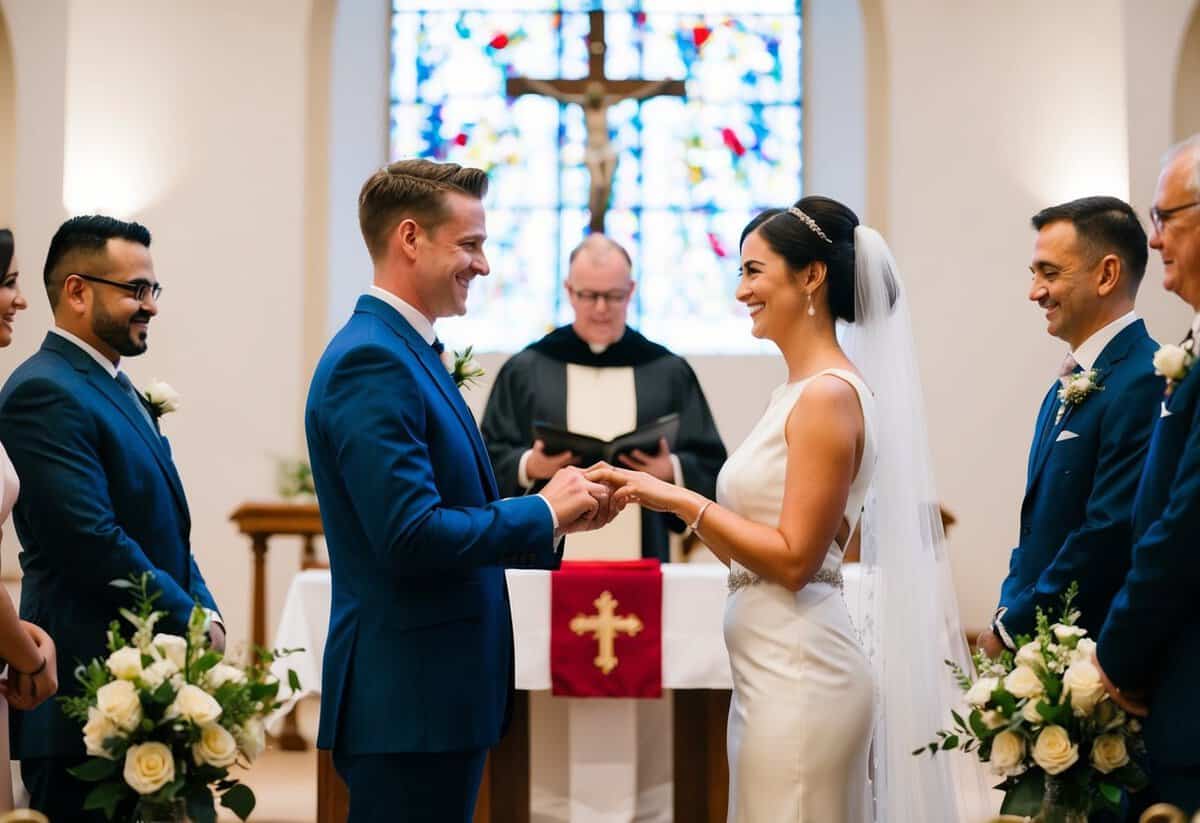
Understanding wedding vows is essential as they are a key part of your ceremony. While traditional vows often include full names, many registrars allow for more flexibility. This means you can focus on the heartfelt promises you’re making rather than getting caught up in the formalities.
The choice should reflect your personal style and the overall tone of your ceremony. You want your vows to feel genuine and true to you as a couple while keeping in mind any legal requirements for your wedding ceremony.
Understanding UK Wedding Vow Traditions
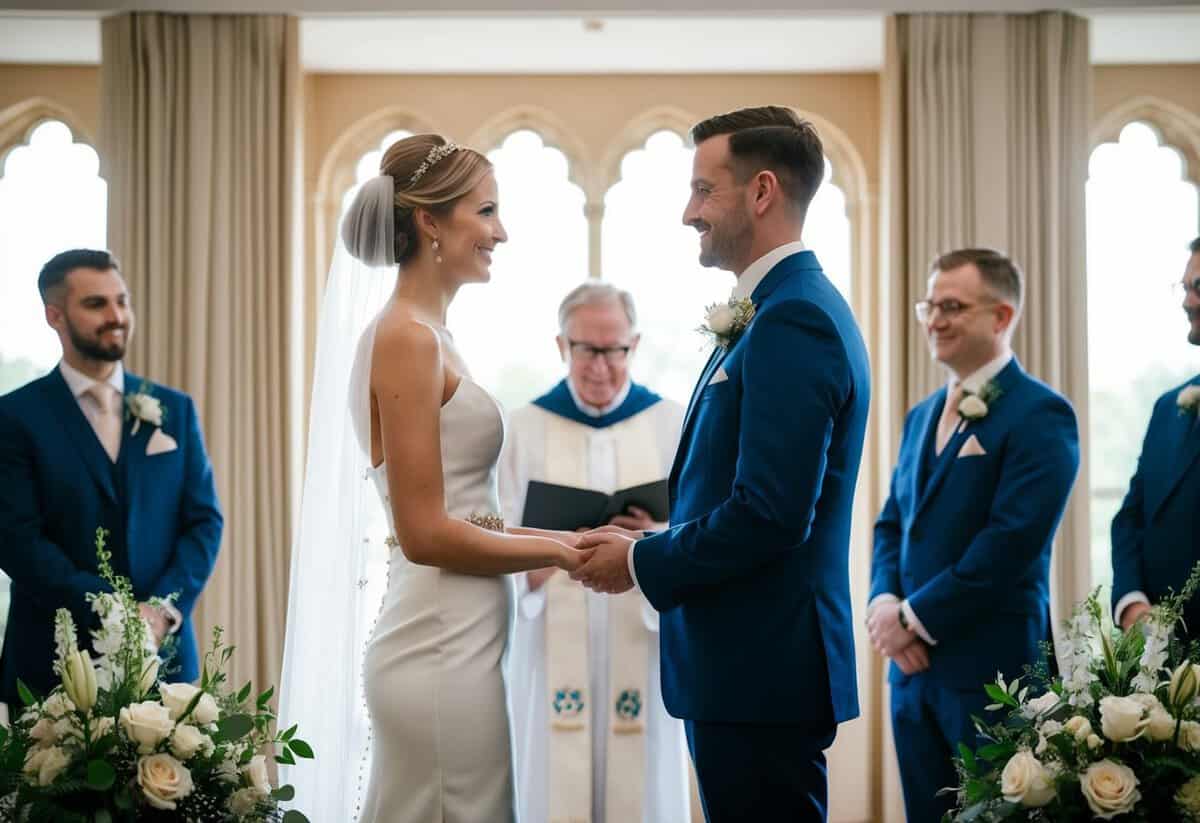
In the UK, wedding vows come with rich traditions and important distinctions. You might wonder how these vary between civil and religious ceremonies. Each type of vow has its own history and guidelines you should consider.
History of Wedding Vows in the UK
Wedding vows have deep roots in UK history. Traditionally, these vows were spoken during a religious ceremony. The Sarum Rite is one example that influenced how vows were formed in church settings.
Over the years, vows evolved to reflect society’s changing values. Traditionally, religious wedding vows include promises such as, “to have and to hold, for better, for worse.” This reflects a long-standing commitment.
In contrast, more modern approaches allow couples to personalize their vows. Many choose to write their own, which can include traditional elements alongside personal touches. This trend reflects a shift towards individual expression in vows.
Differences Between Civil and Religious Wedding Vows
Civil and religious wedding vows differ significantly in form and content. Religious wedding vows often include specific promises made before God. For example, in Catholic wedding vows, couples say, “I promise to be true to you in good times and in bad.”
On the other hand, civil ceremony vows tend to be more straightforward. They focus on the legal aspects of the union rather than religious elements. Couples can often choose what to include.
Furthermore, if you’re having a non-denominational ceremony, you may write your own vows entirely. This flexibility allows you to express your unique relationship. Understanding these differences can help you choose the right vows that resonate with you.
Legal Aspects of Wedding Vows in the UK
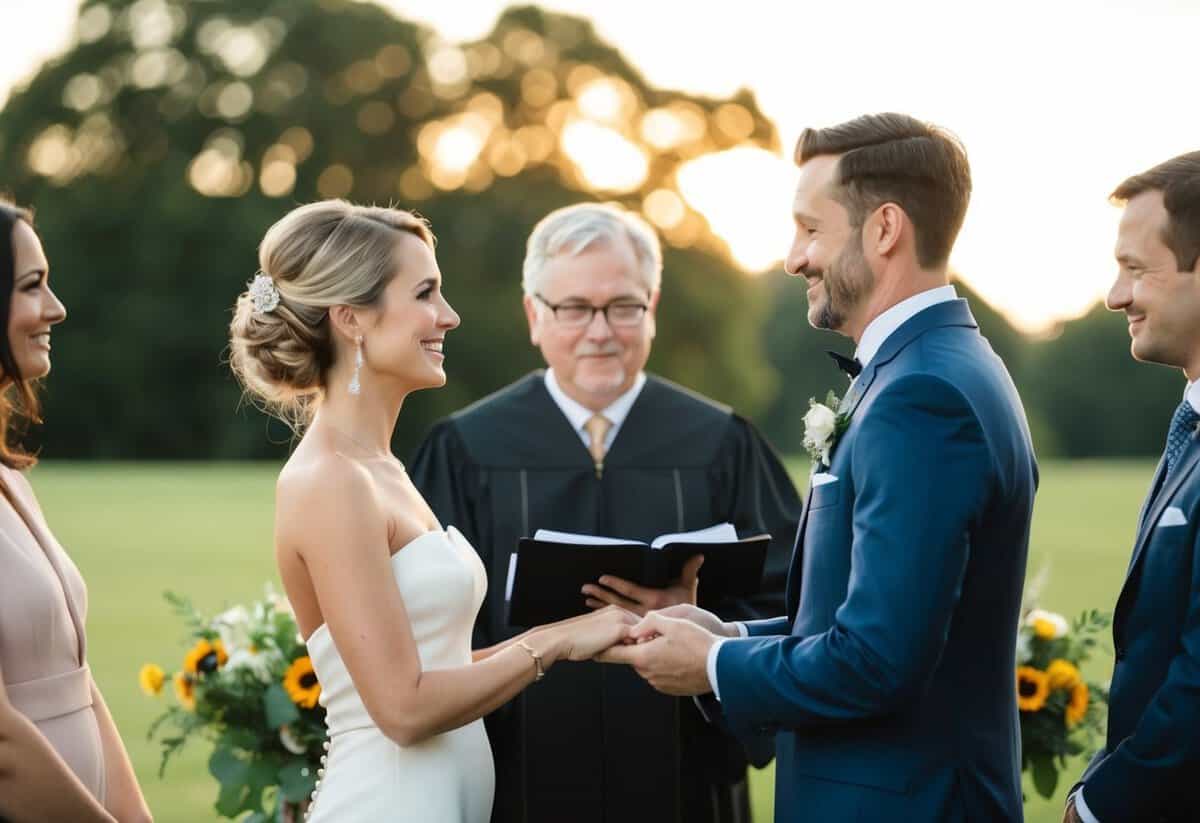
When planning your wedding, it’s important to understand the legal requirements for vows in the UK. This section will cover the key aspects of contracting words and the differences between civil partnerships and civil marriages.
Contracting Words and Lawful Impediment
In the UK, you must use specific contracting words in your wedding vows to form a legal marriage. These are the phrases that declare your intentions to be married. For example, you might say, “I call upon these persons here present to witness that I do take you to be my lawful wedded wife/husband.”
You also need to consider any lawful impediments to marriage. This means you must declare that there are no legal reasons preventing you from getting married. Situations like being closely related or already married would fall under this category. If any lawful impediment exists, it can invalidate the marriage.
Civil Partnership vs Civil Marriage
A civil partnership and a civil marriage have similar legal standings but are distinct in terms of vows. For civil partnerships, you will have a civil partnership ceremony where specific legal words must also be used. Like with marriage, you must confirm that there are no legal impediments.
The vows in a civil partnership may be less traditional but still carry the same weight. It’s essential to understand that both forms lead to a legal declaration of your commitment. After the ceremony, you will receive a marriage certificate or a civil partnership certificate as proof of your legal union.
Personalizing Your Wedding Vows
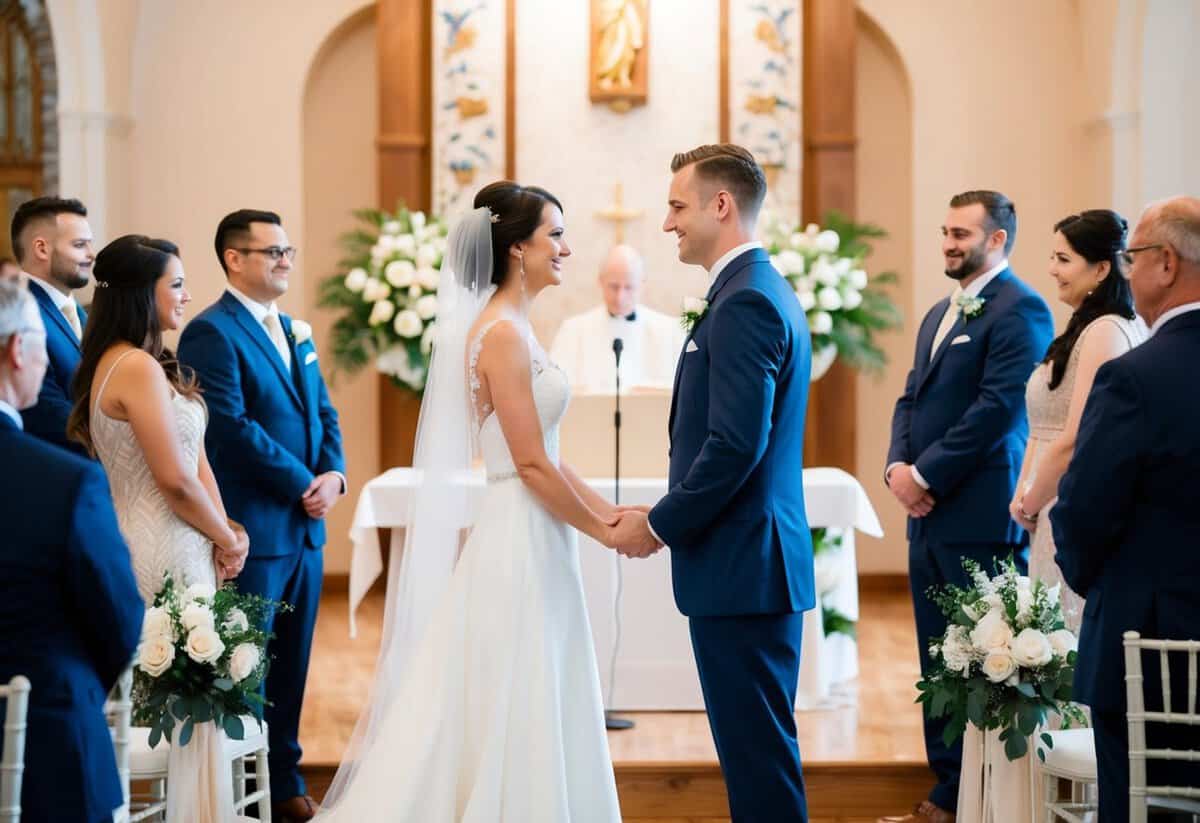
Personalizing your wedding vows can make your ceremony feel more special and meaningful. By incorporating personal promises and sentiments, you can express your unique bond. Writing your own vows also allows you to reflect on your love and commitment in your own words.
Incorporating Personal Promises and Sentiments
When crafting your vows, think about what makes your relationship one-of-a-kind. Consider including promises that show your commitment. For example, you might say, “I promise to respect and cherish you every day.”
Share specific memories or inside jokes that illustrate your love and friendship. This adds a personal touch that resonates with both of you and your guests. Decide on the tone—whether lighthearted or serious—so that it reflects your personality as a couple.
Writing Your Own Vows: Tips and Considerations
Writing your own vows can feel challenging, but it is worth it. Start by brainstorming ideas that reflect your feelings. Think about your journey together and the key moments that define your relationship.
Make sure to keep your vows concise. Aim for about one to two minutes when spoken. You can also write down a draft to guide you. Consider practicing in front of a friend to help ease any nerves. Remember, this is your moment to share your commitment, so speak from the heart. Whatever you choose to say, it should feel genuine and true to you.
The Wedding Ceremony Itself
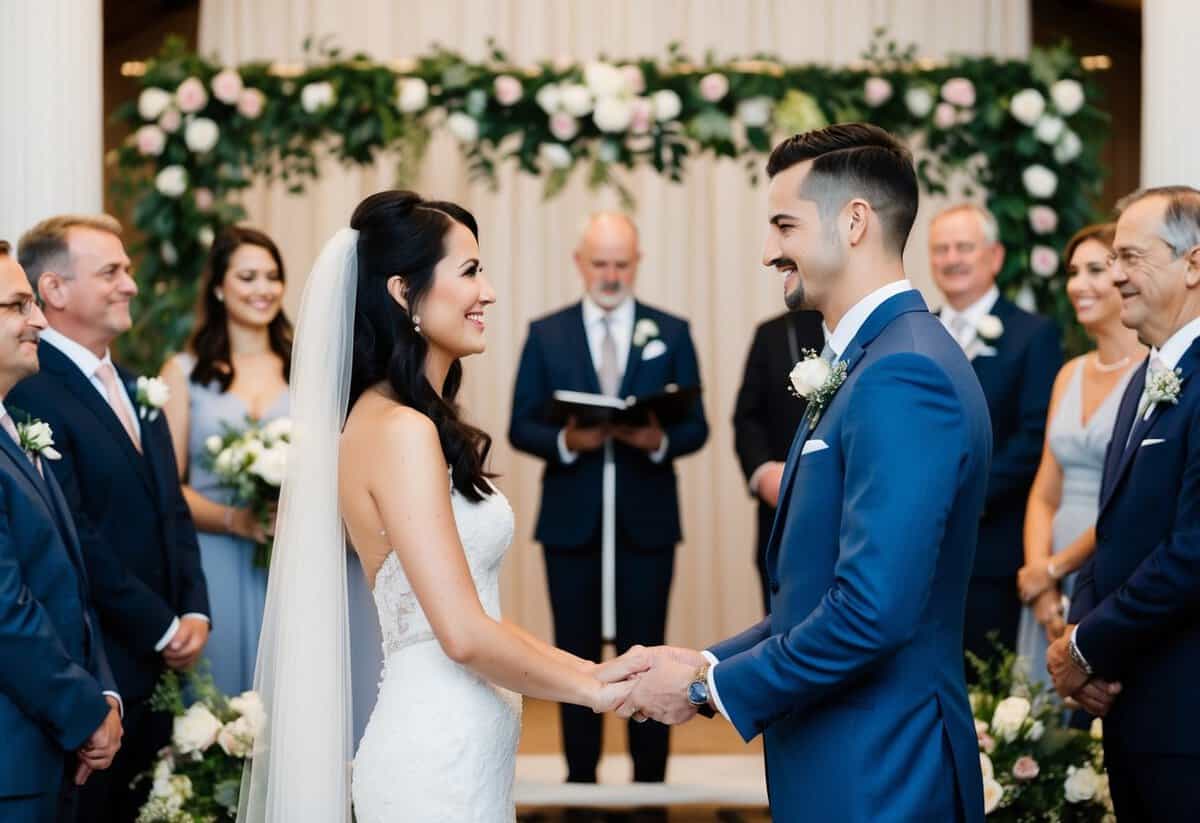
In the wedding ceremony, you will find important elements that establish your commitment to one another. From the role of the registrar or celebrant to the moment you exchange rings and vows, every detail matters in making your union official and meaningful.
Role of the Registrar and Celebrant
The registrar or celebrant plays a vital role in your wedding ceremony. They are responsible for ensuring that all legal requirements are met. This includes confirming your identity and the legality of the marriage.
During the ceremony, the registrar or celebrant will guide you through the process. They will lead you in saying essential phrases, including your vows, such as “I do.” This makes your marriage official.
Additionally, they will help create a personalized ceremony that reflects your values and beliefs. Whether you choose civil or religious vows, this person will support you along the way.
Exchanging Rings and Contracting Vows Sequence
Exchanging rings is a significant part of the ceremony. When you place the wedding ring on your partner’s finger, it symbolizes your commitment. It shows that you are joined in matrimony, promising to be there for each other through “better or worse” and “richer or poorer.”
After the ring exchange, you will contract your vows. This is where you make marriage promises, affirming your love and devotion. Key phrases like “till death us do part” will likely be included.
Each moment is special and carries deep meaning. Enjoy these parts of the ceremony as they establish the foundation of your new life together.