
Do You Have to Send RSVP Cards with Wedding Invitations? Here’s What You Need to Know!
When planning your wedding, you might wonder if you need to send RSVP cards along with your invitations. Sending RSVP cards is considered proper etiquette and is highly recommended to help you manage your guest list.
These cards make it easy for your guests to respond, ensuring you get the numbers you need for catering and seating.
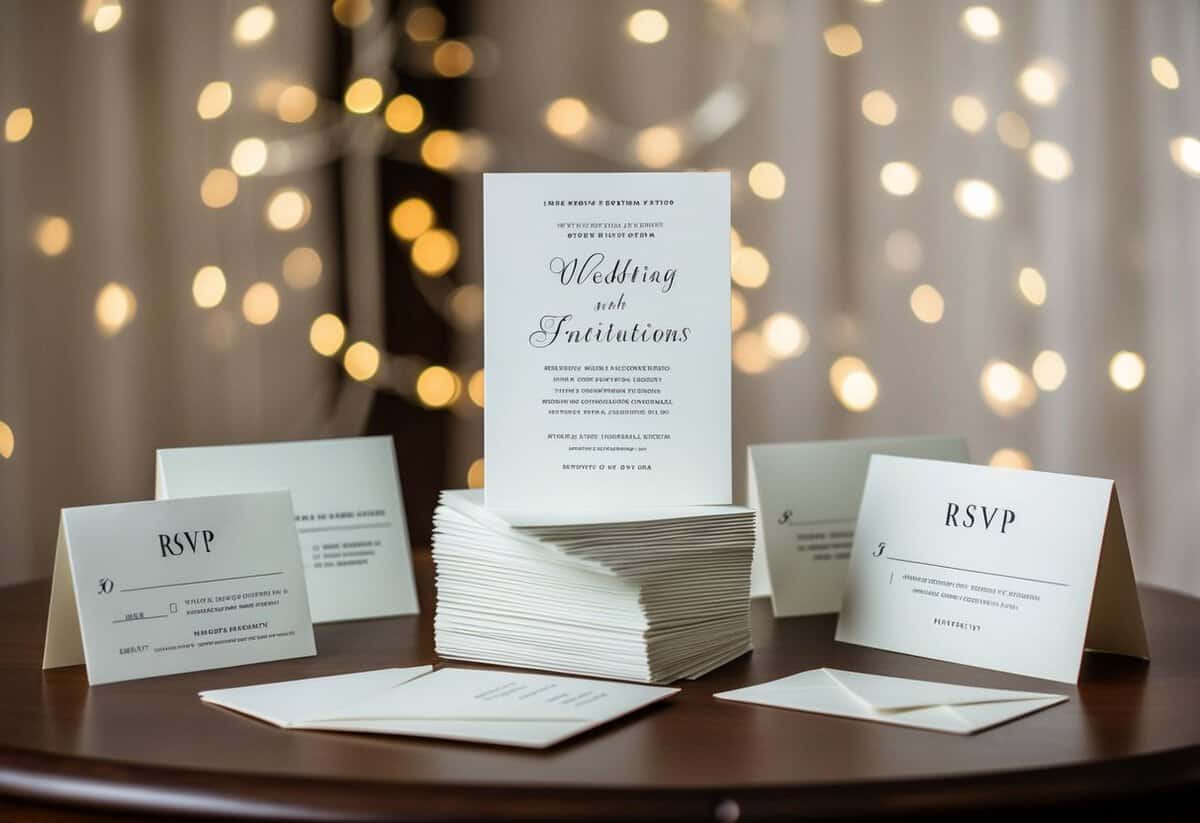
RSVP cards come as a simple way to request confirmations from your loved ones. Including them with your wedding invitations not only adds a professional touch but also provides clarity for your guests on how and when to respond.
This small addition can save you from last-minute surprises on your special day.
Many couples also prefer to include RSVP cards to keep track of who is coming. This helps in planning seating arrangements and other details related to the event.
By understanding the importance of these cards, you can ensure that your wedding planning goes smoothly and stress-free.
Understanding RSVP Cards
RSVP cards are vital for planning your wedding. They help you determine how many guests to expect, making the event smoother and more enjoyable.
Let’s break down their purpose, types, and proper etiquette.
The Purpose of RSVP Cards
The main job of a wedding RSVP card is to collect responses from your guests. This allows you to know who will attend, helping you manage seating, catering, and favors more easily.
An RSVP card acts as a formal request for confirmation of attendance.
Without these cards, you may struggle to guess how many people will show up. When you include RSVP instructions alongside your invitation, you provide guests with clear guidance on how to respond.
Often, this means adding a date by which you want their response, known as the RSVP deadline.
Types of RSVPs
You can give guests several ways to reply.
Traditional wedding RSVP cards are often included with your invitation. These cards typically require your guests to fill in their names, indicate if they will attend, and optionally note any dietary restrictions.
Additionally, many couples are now opting for digital RSVPs. This involves using online forms or links sent with your invitation.
This option is convenient for guests and allows for easy tracking of responses.
You can also send a RSVP envelope along with physical cards to make it easier for guests to mail their responses back to you.
RSVP Etiquette
Proper RSVP etiquette is important for smooth wedding planning.
Always include clear RSVP instructions on your card or digital invitation. Mention the response deadline, as this encourages timely replies.
If you’re using a wedding RSVP card, double-check the wording to ensure it’s clear and inviting. Guests appreciate a warm tone!
Be sure to follow up with anyone who does not respond by the due date. This way, you can finalize your headcount and make necessary arrangements in advance.
Making the RSVP process simple shows your guests that you value their presence.
Designing Your Invitation Suite
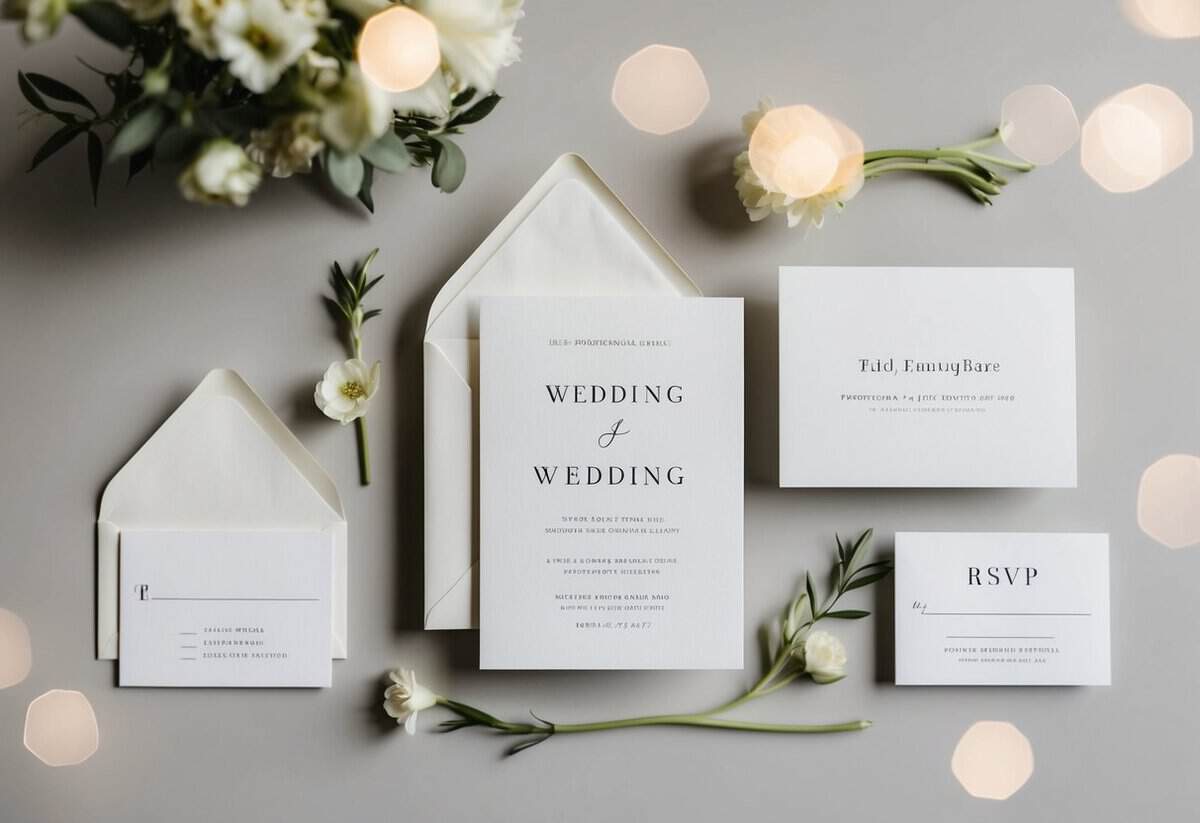
Creating your wedding invitation suite is an exciting part of wedding planning. It allows you to express your style and share essential details with your guests.
Focus on the design, components, and necessary information to ensure it reflects your big day.
Choosing Your Invitations
When selecting your invitations, think about the overall theme and colors of your wedding. Choose a style that matches your vision, whether it’s elegant, rustic, or modern.
Consider the invitation envelope as part of your design. It should complement the invitation itself.
You may want to include a return address on the back for easy replies.
Also, pay attention to the wedding invitation wording. Keep it clear and concise.
Include the names of the hosts, the couple, and the details like date, time, and location. Don’t forget to mention the ceremony start time for your guests’ convenience!
Integrating RSVP Components
Including RSVP cards is essential. They let you know who will attend your wedding.
Place them as a part of your wedding invitation suite to make returning them easy.
You can choose to add a pre-stamped envelope for a hassle-free process. This small detail encourages guests to respond promptly.
Your RSVP cards should ask for meal choices, dietary restrictions, or a simple “Yes” or “No.”
You can also include an RSVP enclosure if you want guests to reply online through your wedding website.
Additional Information to Include
Beyond invitations and RSVPs, consider adding a details card. This can provide your guests with useful information about accommodations, directions, and other logistics.
Make sure to mention any important Dress Code requirements, so guests feel comfortable and aligned with your wedding theme.
Provide links or information about nearby hotels or transportation options on the details card as well. This extra effort will show your guests that you care about their experience on your special day.
Managing Your Guest List
Managing your guest list is essential for a successful wedding. You’ll want to keep track of who’s coming, consider if they’re bringing plus-ones, and plan seating arrangements. Here’s how to handle these important details.
Tracking Responses
Keeping an organized list of guest responses is key to planning your wedding.
Start by creating a master list that includes each guest’s name, address, and RSVP status.
You can use a spreadsheet or a dedicated wedding planning tool. This way, you can easily update and check responses.
Set up RSVP reminders about two weeks before your deadline. A friendly email or text can politely nudge guests who haven’t replied.
If you offer online RSVPs, make it easy for guests to respond with just a click.
Considerations for Plus-Ones
When inviting guests, consider whether they can bring a plus-one. This can affect your guest count and seating chart.
Clearly indicate on your invitation if a plus-one is allowed. For example, write “John Smith +1” on the RSVP section. This helps guests understand their options.
Keep in mind that some people may feel uncomfortable attending alone. Offering a plus-one can make them more likely to come.
As you track responses, note who is bringing a guest. This way, you’ll better manage your final guest list and seating plan.
Seating and Accommodations
Planning your seating chart is a fun but crucial part of wedding preparation.
Once you have your final guest list, think about who should sit where.
Consider relationships and dynamics between guests. Place friends, family, and couples together to create a comfortable atmosphere.
Also, account for any special accommodations. If guests have dietary restrictions, allergies, or mobility needs, make a note. This ensures everyone has a great time.
Finally, double-check your seating chart before the big day. Last-minute changes might occur, and being organized helps everything run smoothly.
Additional Wedding Planning Aspects
Planning a wedding involves many details beyond just sending invitations.
Important considerations include registries and creating a wedding website. You’ll also want to think about eco-friendly options and how to finalize details for destination weddings.
Registries and Wedding Websites
Establishing a wedding registry is a great way for your guests to know what you need.
Choose stores or online platforms that align with your style and preferences. Popular options include large department stores and specialized gift sites.
A wedding website serves as a hub for your guests. Include details about the venue, schedule, and accommodations.
It’s also helpful to share gift registry information. Websites like The Knot can make it easy to set up a stylish page.
Eco-Friendly and Cost-Saving Considerations
Going green can also save you money.
Consider using digital invitations or e-RSVPs instead of paper ones. This not only reduces waste but also cuts costs.
If you prefer physical mail, use recycled paper for your invitations. Opt for simple designs that require less ink and material.
Also, think about local vendors to minimize transportation emissions.
Bulk buying items like decorations can reduce costs too. You might also find ways to DIY some elements, adding a personal touch while saving money.
Finalizing Details for Destination Weddings
Extra planning is required for destination weddings. Start by sending save-the-dates early to give guests ample time to make arrangements. Aim for 6-12 months ahead of the wedding date.
Research venues and accommodations close to your chosen destination. Provide guests with information about flights, lodging, and activities. Clear communication will help everyone feel included in your special day.
Setting a deadline for RSVPs is particularly important for these events. You’ll need a confirmed headcount for planning meals and seating arrangements effectively.