
Do You Have to Use Mr. and Mrs. on Wedding Invitations? A Guide to Modern Etiquette
When planning your wedding, you might wonder about the formalities of addressing your invitations. Many couples choose to address their invites in a way that feels more personal and modern.
Including titles like “Mr.” and “Mrs.” might be a tradition, but you can also use first names or alternative titles that suit your style. This decision can influence how your guests perceive your wedding’s tone and atmosphere.
Embracing a more casual approach can make your invitations feel warm and welcoming, setting the right vibe for your special day.
As you dive deeper into wedding planning, consider how you want each detail to reflect you and your partner. Remember that your invitations are one of the first glimpses your guests will have into your wedding. Making intentional choices now can create excitement and anticipation for the celebration ahead.
Understanding Traditional Wedding Invitation Etiquette
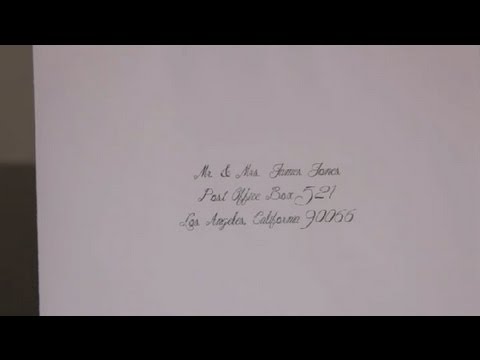
When planning your wedding invitations, it’s important to know traditional etiquette. This section will help you understand how to properly use titles and address envelopes for your big day.
Formal Titles and Usage
Using formal titles is essential when addressing your wedding invitations.
For a traditional couple, you may choose to write “Mr. and Mrs.” followed by the husband’s name. For example, “Mr. and Mrs. John Smith.”
If you opt for a same-sex couple, address them as “Mrs. Jane Doe and Mrs. Emily Clark” or “Mr. Alex Brown and Mr. Chris Taylor.”
Always remember to spell out titles and full names. For instance, avoid abbreviations like “Mr.” instead of “Mister” as this can come off as less formal. Strive for clarity and respect in your address.
Outer Envelope Nuances
The outer envelope has specific etiquette to follow, which sets the tone for your invitation.
It should clearly display the names of each guest in a formal manner. For example, “Ms. Sarah Johnson” instead of just “Sarah.”
Add the couple’s names on the inner envelope, such as “Jane and Alex,” for added warmth.
Ensure all addresses are correctly spelled out and include full names. Avoid using abbreviations or nicknames to maintain formality. This attention to detail adds a special touch to your wedding etiquette.
Personalizing Invitation Wording for Different Guests
When crafting your wedding invitations, it’s important to personalize the wording for each guest. This not only shows respect but also makes your invitation feel more special. Here are some key areas to consider for different guests.
Addressing Married and Unmarried Couples
When inviting couples, use titles based on their marital status.
For married couples, use Mr. and Mrs. followed by their shared last name, like Mr. and Mrs. Smith. If the couple has different last names, list each full name: Mr. John Doe and Ms. Jane White.
For unmarried couples, consider using both first names for a casual touch, like Emily and Ryan. This approach works well for same-sex couples too. If inviting a plus-one, make sure to personalize the invitation by finding out the guest’s name instead of just writing “Guest.”
Professional and Courtesy Titles
Professional titles can add a formal touch to your invitations.
If your guest is a doctor, use Dr. Sarah Johnson for her invitation. Similarly, if a guest holds a title like The Honorable, it’s appropriate to address them in that manner.
For single guests, if you’re inviting a single female, use Ms. Anne Green instead of Miss, which can feel outdated. For a single male, simply use Mr. Tom Brown. This distinction respects their status and helps everyone feel included.
Acknowledging Diverse Family Structures
Today’s families come in many forms, so be sure to acknowledge this diversity in your invitations.
For a divorced woman, use Ms. Lisa Black to reflect her current status. This recognition helps avoid awkwardness.
When addressing non-binary guests, consider using their preferred name or title if known. Instead of assuming gender, you can simply write their name, such as Jordan Taylor. This small change goes a long way in making everyone feel valued.
Creative and Inclusive Alternatives to Mr. and Mrs.
When planning your wedding invitations, consider using creative and inclusive alternatives to traditional titles like Mr. and Mrs. This approach respects all couples and can add a personal touch to your invitations.
Embracing Non-Traditional Terms
Instead of Mr. and Mrs., think about using more inclusive titles.
For couples who prefer non-binary options, terms like Mx. or simply using first names can be perfect. You could also refer to partners as betrothed, other half, or sweetheart.
For couples with hyphenated last names, clearly listing both names can represent each partner equally. For example, you might write “Pat Taylor-Brown and Alex Lee.” This shows respect for each identity and acknowledges their relationship fully.
Celebrating Same-Sex Unions
When inviting same-sex couples, aim for a format that represents both partners equally. One option is to list their names alphabetically, like “Mr. Adam Johnson and Mr. Ben Lee.”
If you are addressing people with different last names, placing one name above the other is respectful.
Consider using titles like Partner or simply their first names.
Creative invitation wording can include phrases like “You are invited to celebrate the love of…” to set a welcoming tone.
Your goal is to make everyone feel included and valued on your special day.