
Do You Have to Wear Wedding Band on Ring Finger? Exploring Tradition and Choice
When it comes to wearing a wedding band, tradition often suggests that it goes on the left ring finger. You don’t have to wear your wedding band on that finger, but it is a common practice that symbolizes commitment.
Many people choose to follow this tradition, finding comfort in its meaning and significance.
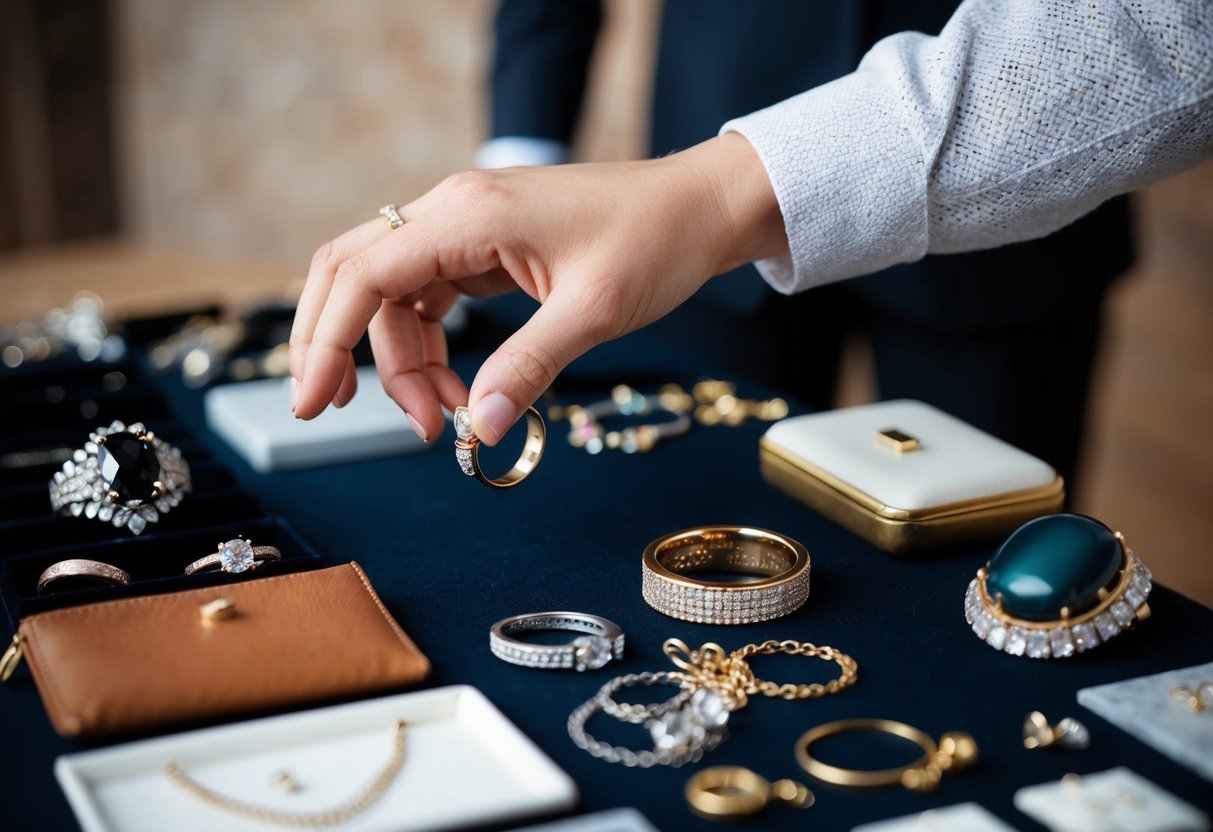
Of course, everyone’s journey is personal, and you can decide what feels right for you. Some couples opt to wear their wedding bands on their right hand, or even on different fingers altogether. It’s all about what represents your love and commitment best.
Ultimately, your choice of finger is a reflection of your individual style and values. Whether you stick with tradition or forge your own path, the important thing is the meaning behind the band you wear.
Historical Significance of the Ring Finger
The ring finger has a rich history tied to traditions and beliefs about love and marriage. This finger, often referred to as the wedding ring finger, has held deep meanings from ancient times to the present day.
From Ancient Egypt to Modern Times
In ancient Egypt, rings were made from materials like reeds and metal to symbolize love. It was common for brides to wear these rings on their fourth finger. This tradition carried over through history, influencing how we wear wedding rings today.
As cultures evolved, different meanings were attached. For example, in some societies, the left hand became preferred because it was believed to be the side closest to the heart. This practice is still popular, emphasizing emotional connection and commitment in marriage.
The Symbolism Behind the ‘Vena Amoris’
The term “vena amoris” translates to “vein of love.” This idea suggests that a vein from the ring finger leads directly to the heart. Though this isn’t scientifically accurate, it has strengthened the connection between the ring finger and love.
Wearing a wedding band on this finger symbolizes a deep bond. Couples often see it as a representation of their love and promise to one another. By choosing this finger, you participate in a time-honored tradition that celebrates unity and affection.
Cultural Variations in Wedding Ring Wearing
When it comes to wedding ring customs, different cultures have unique practices. These differences can involve which hand you wear your wedding band on and even how rings are worn in same-sex marriages. Here’s a closer look at these cultural variations.
Western Practices vs. Eastern European Customs
In many Western cultures, couples typically wear their wedding rings on the left ring finger. This tradition stems from the belief that a vein in that finger leads directly to the heart. It’s a sentiment that many find romantic!
Conversely, in some Eastern European countries, such as Russia and Poland, wedding rings are often worn on the right hand. This practice varies by region but is rooted in cultural norms. For instance, in Greece, it’s common for people to wear their engagement ring on the right before switching it to the left after the wedding.
These practices reflect deep-seated traditions linked to love and commitment, making each couple’s choice meaningful.
Diversity in Same-Sex Marriages
Same-sex marriages have also embraced varying practices for wedding bands. Many couples choose to wear their rings in the same way as heterosexual couples, often on the left ring finger. This choice symbolizes their commitment in a familiar tradition.
However, some same-sex couples may opt for personalized expressions of love, wearing their rings on alternate fingers or wearing them as matching accessories. This flexibility allows couples to define their unions in ways that resonate most with them.
Couples from different cultural backgrounds may also mix traditions, adding more richness to their wedding ring choices.
Choosing the Right Wedding Band for You
Selecting the perfect wedding band involves personal preference, comfort, and how it fits with your engagement ring. Keep in mind your lifestyle and the materials you prefer, as these factors will guide your choices.
Comfort and Jewelry Materials
Comfort is essential when choosing your wedding band. You want a ring that feels good on your finger, especially since you’ll wear it every day.
Consider the material of the band. Common options include gold, platinum, and silver. If you have sensitive skin, hypoallergenic metals like titanium or stainless steel may be better.
The weight and thickness of the band also play a role. A wider band can feel bulkier, while a slimmer one may feel more comfortable. You may also want to explore options with gemstones or unique finishes that express your style while still being comfortable enough for daily wear.
Personal Preference and Lifestyle Considerations
Your lifestyle greatly impacts your choice of wedding band. If you lead an active life, durability is key. A silicone band can be a practical choice for workouts or outdoor adventures.
Take time to reflect on your personal style. Do you prefer classic designs, or are modern looks more your thing? Some people choose to match their wedding band with their engagement ring. For instance, if your engagement ring has gemstones, you might want a band that complements those stones.
Finally, consider where you’ll wear your ring. While most people wear their bands on the left ring finger, some cultures wear them on the right ring finger. This choice should align with your personal beliefs and comfort.
The Role of Engagement Rings in the Decision
The engagement ring significantly affects your choice of wedding band. When choosing a wedding band, think about how it will stack with your engagement ring.
If your engagement ring is ornate, you might opt for a simpler wedding band to avoid overwhelming your finger. Conversely, if your engagement ring is more understated, you could choose a more detailed wedding band.
When wearing both rings together, the order matters. Traditionally, the wedding band goes on the left ring finger first, followed by the engagement ring. This classic placement symbolizes putting your commitment first. Adjusting your choice based on this order can ensure both rings look fabulous together.
The Significance of Pairing Engagement Rings and Wedding Bands
Wearing both an engagement ring and a wedding band holds deep meaning for many couples. It reflects personal style and the bond shared between partners. The combination of these rings can signify a unique union and commitment, elevating the importance of your wedding jewelry.
Design and Aesthetics of Matching Rings
When you choose matching engagement rings and wedding bands, it can create a beautiful and cohesive look. Many couples prefer this approach for its visual appeal.
A matching set can enhance your overall ring design, allowing you to showcase both rings together elegantly.
The aesthetic unity of these rings can be achieved through various styles. For example, pairing a diamond engagement ring with a simpler wedding band can highlight the engagement ring’s brilliance. Alternatively, some prefer intricate designs featuring gems or unique details that complement each other perfectly.
You also have options for stacking your rings. Placement is key, as traditionally, the wedding band is worn below the engagement ring on the left finger, which some believe keeps the wedding band closest to the heart. Finding a design that fits your taste and enhances the look of your wedding jewelry is essential for many couples.
Couples’ Expression of Unity and Partnership
Wearing both an engagement ring and wedding band symbolizes your commitment and love. Each ring tells a part of your story. The engagement ring represents your promise, while the wedding band signifies the vows made during the wedding ceremony.
For LGBTQ+ couples, pairing rings can hold additional significance. It allows them to express their partnership and commitment in a way that resonates with their values. Choosing matching rings can reflect shared style while celebrating their unique journey together.
Your choice in rings can also serve as a statement of unity among friends and family. As you and your partner wear these rings, they remind others of the bond you share. Whether a classic style or a modern twist, the significance of your rings captures your love story.