
Do You Legally Have to Give Back an Engagement Ring in the UK? Understanding Your Rights and Responsibilities
When an engagement ends, many people wonder about the fate of the engagement ring. You might have strong feelings about the ring, which often carries sentimental value.
In the UK, the law generally sees an engagement ring as a gift, meaning you are not legally required to return it.

That said, specific circumstances can affect this. If the ring was given with the understanding that it should be returned if the marriage does not happen, things could be different.
It’s essential to understand your rights and the nuances of the law regarding engagement rings to make informed decisions.
This topic can spark many questions and opinions, making it crucial to explore the rules and potential exceptions. Understanding your situation can help you navigate this emotional and legal territory more clearly.
Legal Position on Engagement Rings in the UK
When it comes to engagement rings in the UK, the law is quite clear. Generally, an engagement ring is viewed as a gift. This means you do not usually have to return it if the engagement ends.
The legal position is backed by the Law Reform (Miscellaneous Provisions) Act 1970. Under this law, engagement rings are presumed to be absolute gifts. You only need to return it if there was an agreement stating it would go back if the marriage does not happen.
If you and your partner discussed this condition, it could matter. Both express (clearly stated) and implied (suggested without saying) conditions can impact whether the ring should be returned.
The law treats the situation equally, no matter who ended the engagement. So, if one person called it off, it does not automatically mean they get the ring back.
If you find yourself unsure about your specific situation, seeking legal advice can be helpful. A legal professional can provide guidance based on your circumstances.
Laws can vary, so knowing the legal position can help you make informed decisions. If you ever wonder, just remember that engagement rings come with their own set of rules in the world of family law.
Engagement Rings as Conditional Gifts

When it comes to engagement rings, the legal status can vary based on the nature of the gift. Understanding whether your ring is considered an absolute gift or conditional can impact your rights if the engagement is called off.
Concept of an Absolute Gift
An absolute gift means that the giver has no expectation of getting the item back. In the UK, engagement rings are often viewed as conditional gifts. This means the ring is given with the condition that a marriage will happen. If the marriage does not take place, the giver may have the right to ask for the ring back.
In contrast, if the engagement ring is classified as an absolute gift, you would not have to return it, regardless of what happens. Courts generally lean towards the conditional gift view, especially in determining ownership when the engagement is broken.
Role of a Pre-Nuptial Agreement
A pre-nuptial agreement can clarify ownership of an engagement ring. These agreements outline how assets, including gifts like engagement rings, will be handled in case of a separation or divorce.
By specifying that the engagement ring is an absolute gift in your pre-nuptial agreement, you can protect yourself. It helps to avoid disputes if the engagement ends, as both parties agree on the terms beforehand.
Having this legal document can provide peace of mind, ensuring that both partners understand their rights regarding the ring and other assets.
Special Considerations
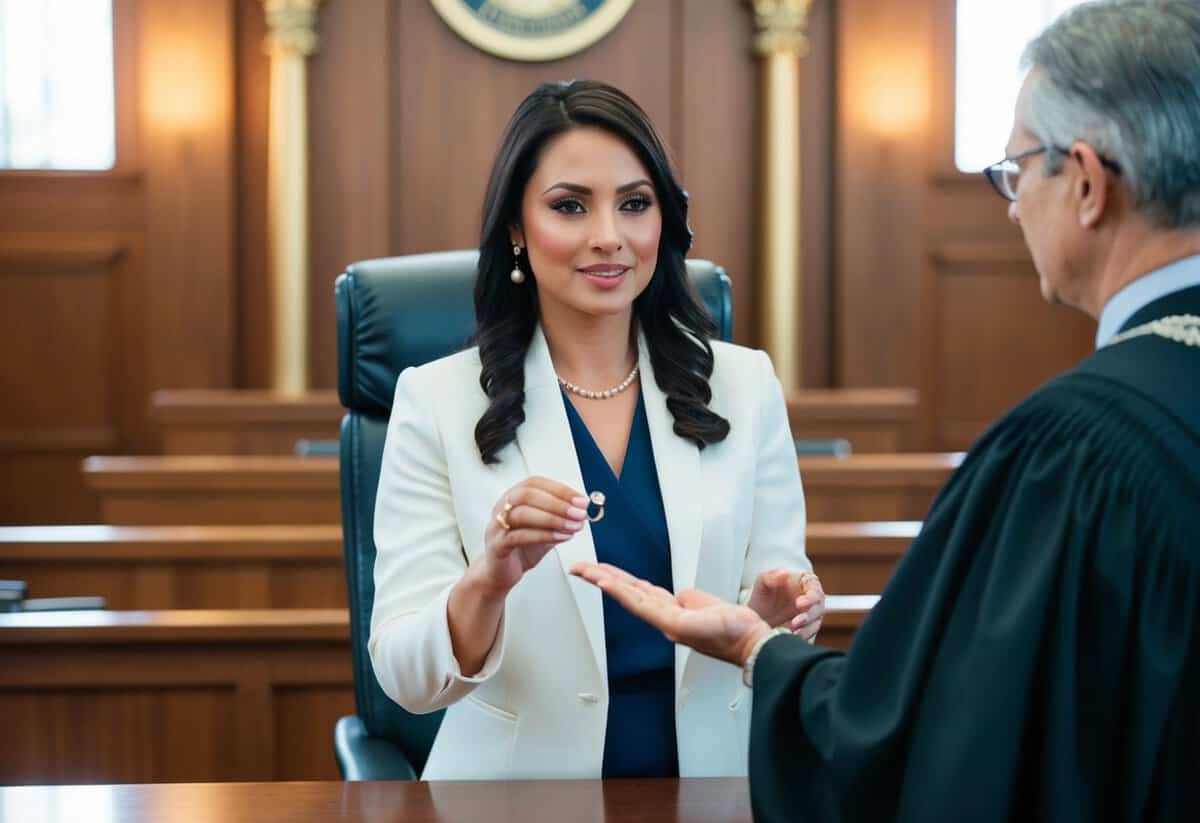
When thinking about returning an engagement ring, certain aspects can impact the situation. Two important factors to consider are the ring’s sentimental value, especially if it’s a family heirloom, and how it might affect financial settlements in divorce.
Family Heirlooms and Sentimental Value
If the engagement ring is a family heirloom, it may hold significant emotional value. In such cases, the person who received the ring might feel strong attachments to it.
The law does not always guarantee its return, especially if no prior conditions were set. If you received the ring with the understanding that it carries family history, that can weigh heavily during discussions about ownership.
You should communicate openly with your partner about its importance to you. This can help avoid misunderstandings and create a smoother transition should the engagement end.
Impact on Financial Settlement in Divorce
During a divorce, the engagement ring might play a role in financial discussions. Under UK law, gifts, including engagement rings, typically belong to the recipient.
However, during financial settlement negotiations, the ring’s value may be considered. This is especially true if it is a significant asset. If the ring has a high value, it may be part of the overall asset division.
Being clear on the ring’s original purpose can help clarify its status in these discussions. If you think the engagement ring should stay with you, you may need to be prepared to explain its importance in negotiations.
Seeking Legal Advice

If you’re unsure about returning an engagement ring, seeking legal advice can be a wise choice. Laws can be tricky, and professional help can clarify your rights.
Here are some key points to consider when looking for legal advice:
-
Understand the Law: In the UK, people often consider engagement rings as gifts. This means you might not be required to give it back unless specific conditions apply.
-
Maya Jama Case: Recently, the case involving Maya Jama highlighted public interest in similar situations. Her ex-fiancé demanded the return of a valuable engagement ring after their split. Such cases show that each situation can be unique.
-
Consult a Lawyer: A family law solicitor can help you understand your situation better. They can explain how the law applies to you and your ring.
-
Discuss Property Rights: Your lawyer can also advise on property rights during a separation or divorce. This is important in determining whether any other jewelry or gifts may be affected.
When choosing a legal adviser, look for someone with experience in family law and engagement ring disputes. Their expertise will give you confidence moving forward. Always remember that your rights matter, and being informed is key.