
Do You List a Bride or Groom First? Understanding Wedding Etiquette
When planning a wedding, every detail counts, including the order of names on invitations. Traditionally, the bride’s name is listed first because she and her family typically host the event. This choice highlights the bride as the focal point of the day and honors her family’s role in the celebration.
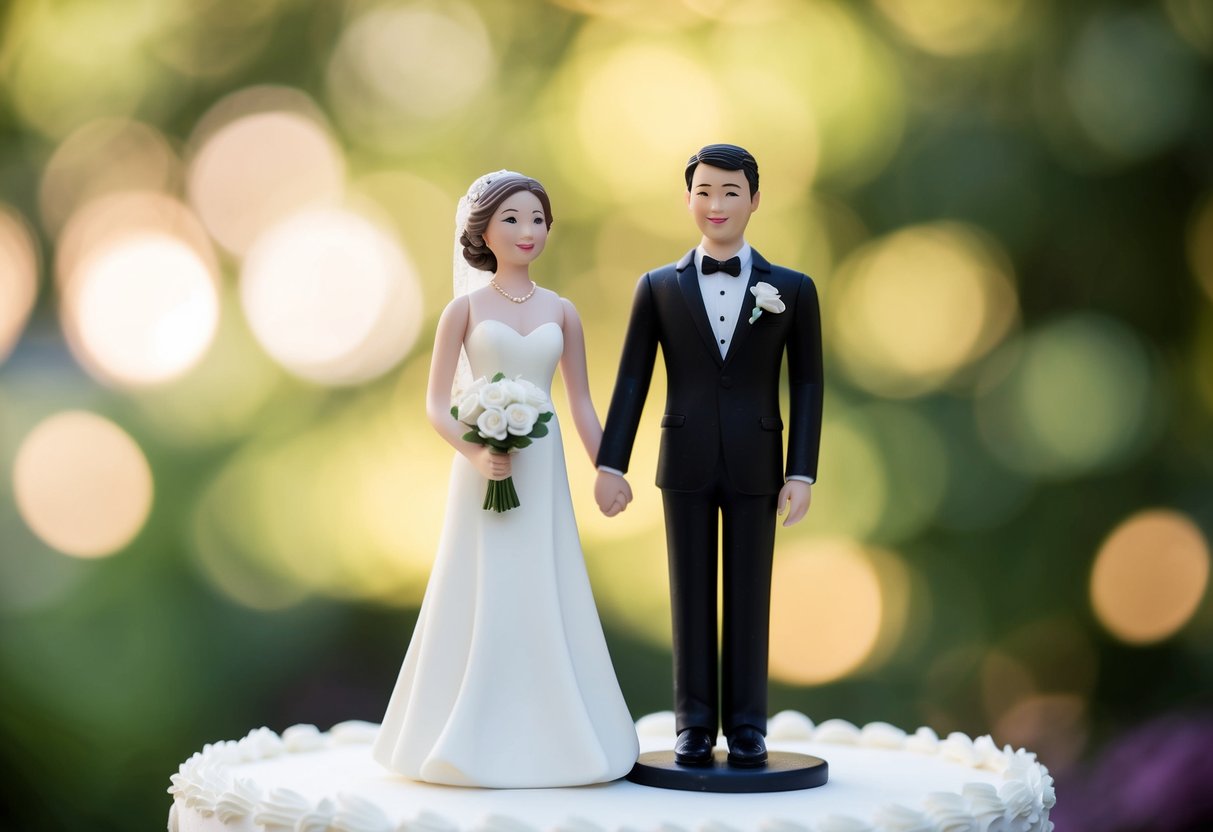
As you consider your wedding details, think about what feels right for you as a couple. Many still follow the tradition of placing the bride’s name first, but modern etiquette allows for flexibility. Whether you choose to stick with convention or create your own path, it’s all about making the day uniquely yours and ensuring that both you and your partner feel like the center of attention.
Whatever decision you make, it’s important to communicate clearly with your guests and set the tone for your celebration. After all, your wedding is a reflection of your love story and the joy you want to share with everyone around you.
Wedding Invitation Formatting Essentials
When planning your wedding invitations, the key elements revolve around clarity and personal touch. You want to make sure your guests understand who is getting married while reflecting your style as a couple.
Determining the Focal Point
The focal point of your invitation is crucial. Typically, the couple’s names appear at the center of attention.
- Bride’s Name First: Conventionally, the bride’s name is listed first. This has been a long-standing tradition.
- Couple Preferences: Some couples prefer to break tradition and list the groom’s name first. Your choice should reflect your personal preferences.
Consider how you want to present yourselves to your guests. Make sure to decide on the order of names before finalizing your design to avoid confusion.
Typography and Consistency
Typography plays a big role in how your invitation looks. Choose fonts that are both elegant and easy to read. Here are some tips:
- Font Pairing: Use a combination of a script font for the names and a simple sans-serif font for other text. This adds a nice balance.
- Consistency is Key: Keep the same font style for all parts of the invitation. This includes RSVP cards and envelopes.
Be mindful of the color contrast as well. Dark text on a light background is easier to read. Consistency throughout your invitation suite will help create a polished look that reflects your wedding’s theme.
Order of Names on Wedding Invitations
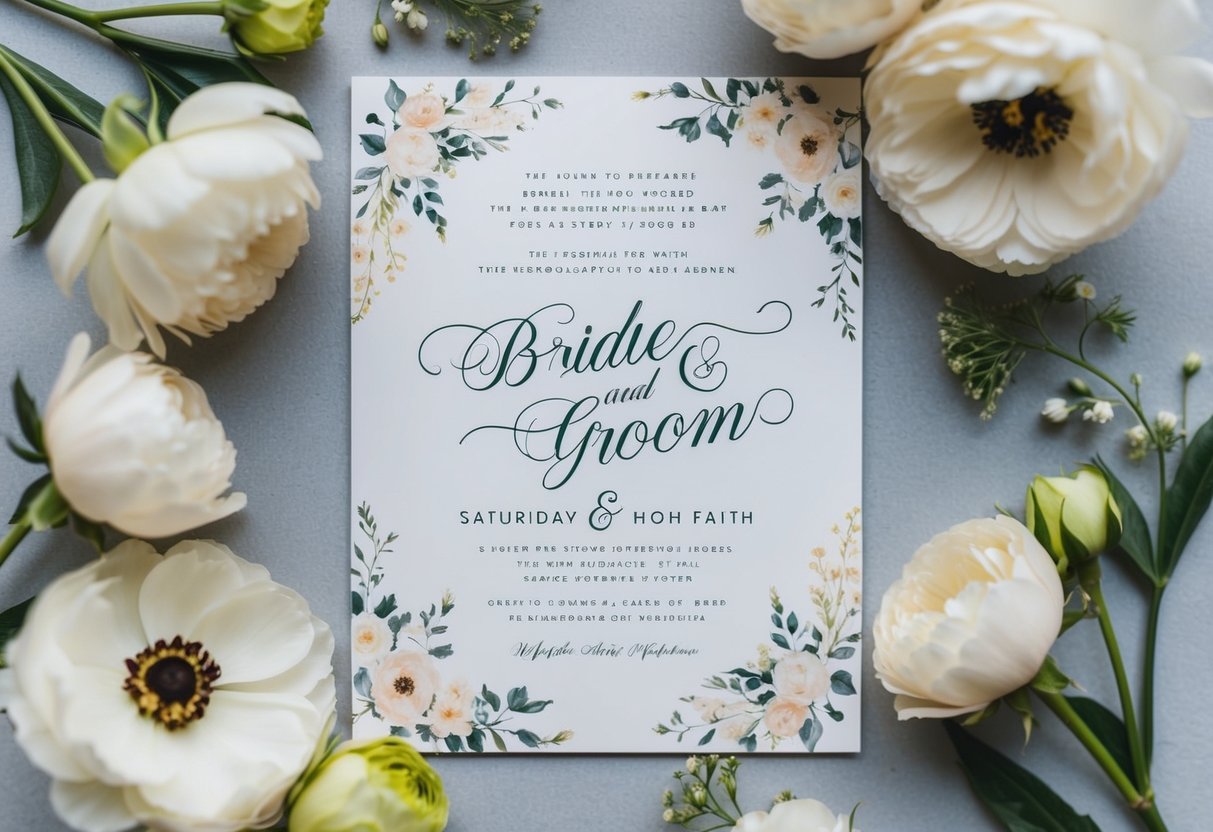
When planning your wedding invitations, the order of names is an important detail to consider. Choosing how to list the bride and groom can reflect tradition or your personal style. Here are the main approaches you can take.
Traditional Naming Etiquette
In traditional wedding etiquette, the bride’s name is listed first on invitations. This custom dates back many years and symbolizes the bride’s prominence in the occasion.
You would typically write her full name first, followed by “and” and then the groom’s full name. For example, “Emily Smith and John Doe” is a classic format.
Including parents’ names can also follow the same rule. If the bride’s parents are hosting, you might see “Mr. and Mrs. Robert Smith request the honor of your presence…” This maintains the traditional order while giving recognition to family.
Modern Etiquette Adaptations
Modern approaches to naming on wedding invitations can vary greatly. Some couples may choose to alphabetize the names. This method avoids any hierarchy and can feel more balanced.
Alternatively, many people go for a flow that simply sounds best. For instance, if “Olivia” and “Michael” fit better in a specific order based on phonetics, you might list them based on that preference.
Using this method shows that you’re embracing a more personal style while still being respectful. Either way, ensure clarity and ease of reading so guests know who is celebrating.
Same-Sex Couples and Egalitarian Approach
For same-sex couples, listing names can reflect equality and connection. Many choose to list names in alphabetical order or by how they feel comfortable, which shows partnership and respect.
For instance, “Alex and Jordan” can be listed based on personal preference or even how well the names flow together.
The key here is to communicate that both individuals hold equal importance in the celebration. Your choice should reflect your relationship and how you wish for your guests to see your union. This approach enhances inclusivity and modern family values.
Pre-Wedding and Day-Of Stationery
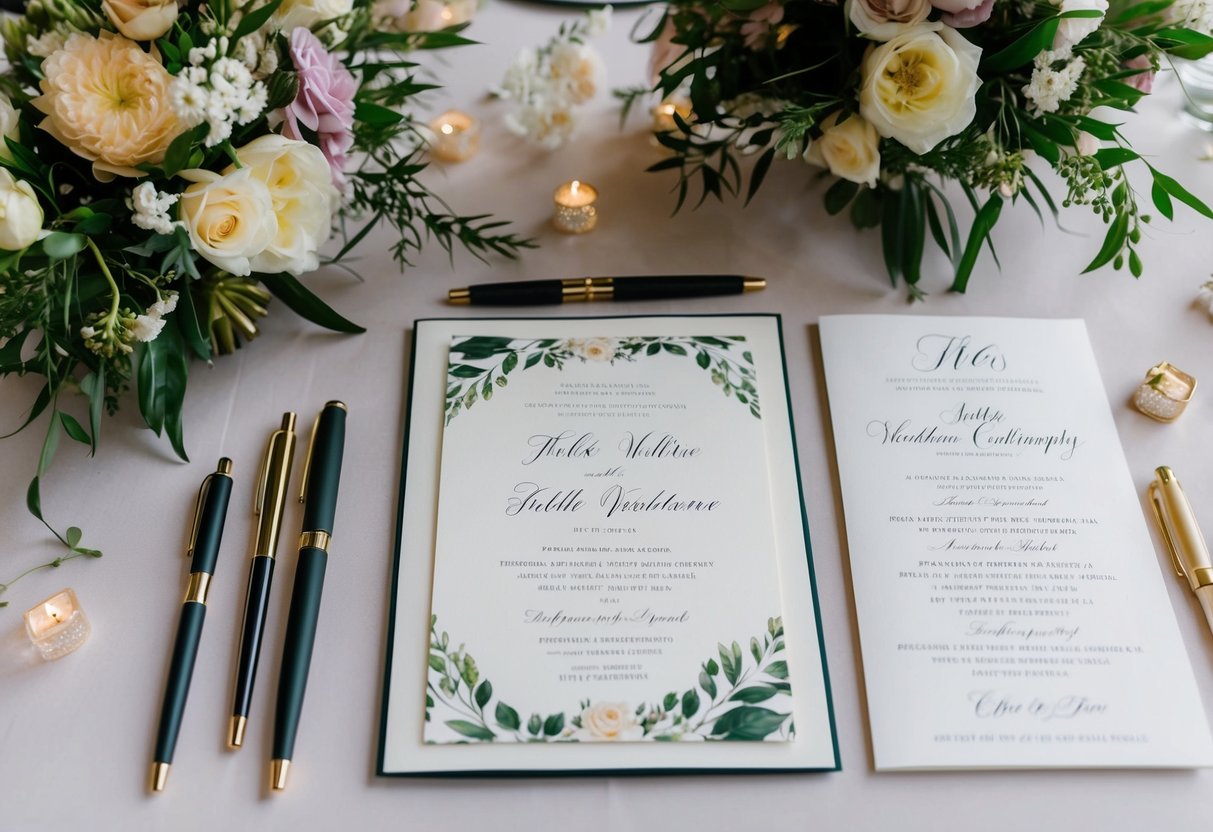
When planning your wedding, stationery plays a big role in setting the tone. It’s important to follow tradition when listing names and to ensure your invitations and other materials fit the occasion.
Save the Dates and Thank You Cards
Save the Dates are usually the first items you send out. The bride’s name should come first, showing her prominent role in the event. These cards announce your wedding date and location, so make sure they’re clear and fun.
After the wedding, you’ll want to send Thank You Cards. Again, the bride’s name goes first. These cards are a thoughtful way to express appreciation for gifts and attendance. Keep your message personal and sincere.
Additional Touch Points
In addition to save the dates and thank you cards, there are many other items you may need. Custom address labels make it easier to send invites and thank you notes.
Consider adding unique touches like hotel welcome bags for out-of-town guests. Include goodies like snacks or local treats.
Cocktail napkins can add a personal flair to your reception. You can print your names or a special date on them.
Don’t forget wedding favors! They serve as a thank you for attending. Personalize them or choose items that reflect your style as a couple. These touches will help create lasting memories for you and your guests.
Addressing and Sending off Invitations
When addressing wedding invitations, it’s important to choose the right format and timing. This ensures your guests receive clear information about your special day. You want everything to feel polished and reflect the tone of your wedding.
Formal and Informal Addresses
For formal invitations, start with the titles and full names. For example, if you’re inviting a married couple, you can write:
Mr. and Mrs. John Smith or Mrs. Jane and Mr. John Smith. Use “Mr.” and “Mrs.” for traditional settings.
For an informal invitation, you have more flexibility. You can opt for first names like:
Jane and John. This approach is more relaxed, fitting for casual ceremonies.
If you’re inviting same-sex couples, name them in alphabetical order or list the person you know best first. This keeps it respectful. For those living apart, send separate invitations to each, ensuring they both feel included.
Timing and Ordering
Sending out invitations on time is crucial. Aim for a minimum of 6-8 weeks before your ceremony date. This gives guests ample time to RSVP and make arrangements.
Make sure the details are clear. Write the ceremony venue and the wedding date prominently. Don’t forget to include the time, so guests know when to arrive.
Consider using clear address envelopes. This helps your invitations stand out and adds to the excitement. Sending save-the-date cards earlier can also help guests plan ahead.