
Do You Meet Registrar Before Wedding? A Guide to Your Pre-Wedding Checklist
When planning your wedding, one important question arises: do you meet with the registrar before the ceremony? In most cases, you do not meet your registrar until the wedding day. This can be surprising, especially if you want to ensure everything is perfect for your big moment.
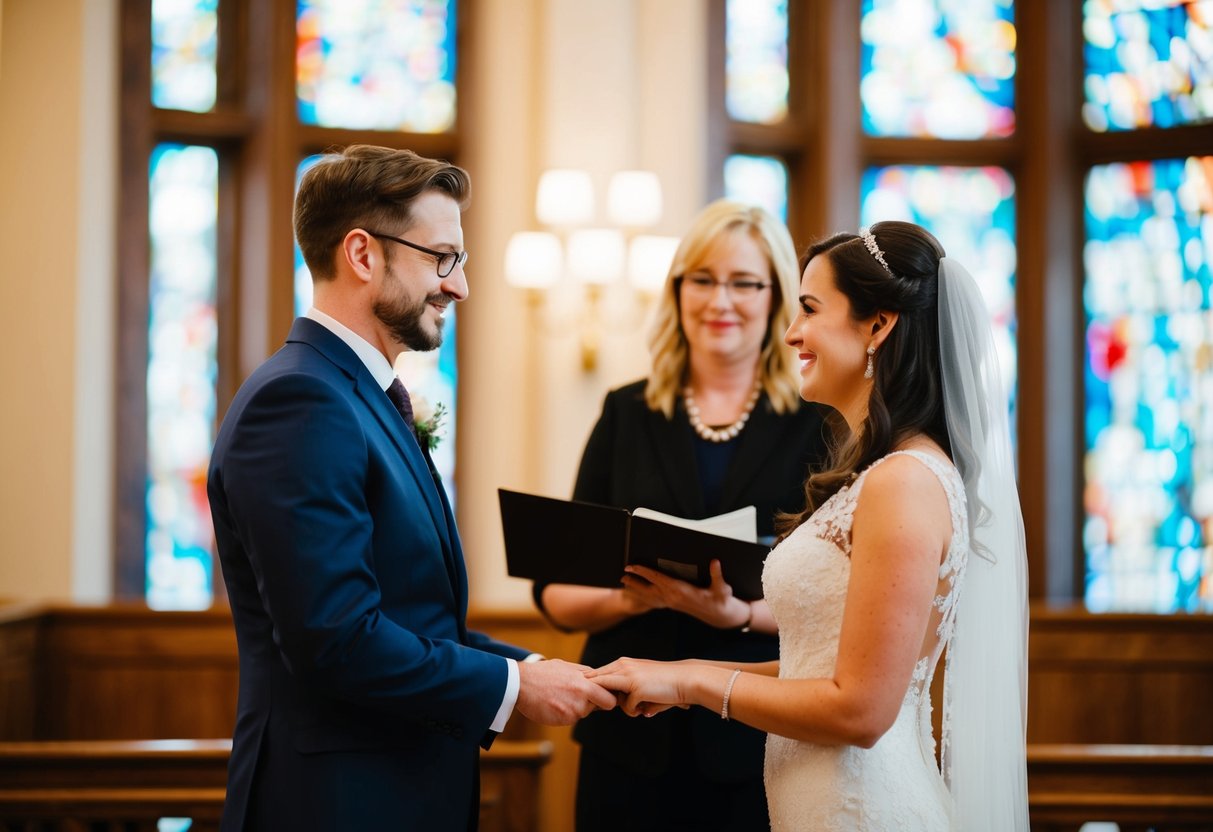
On your wedding day, the registrar will interview both of you privately to confirm details about the marriage or civil partnership. It’s a quick process, usually happening shortly before the ceremony begins. While you won’t have a formal meeting ahead of time, this interview helps make sure that everything runs smoothly during your special event.
Understanding this process can help you feel more prepared and relaxed as you get ready for your wedding day. Keeping in mind that your registrar will ensure all legalities are in order allows you to focus more on enjoying your celebration with friends and family.
Understanding the Role of the Registrar

When planning your wedding, knowing the role of the registrar is important. They will help you with the legal aspects of your ceremony and ensure everything goes smoothly on your big day. Here’s a closer look at how they differ from celebrants and how to book one for your wedding.
Difference Between a Registrar and a Celebrant
A registrar is a government official responsible for conducting legal wedding ceremonies. They typically work out of a register office or registry office. Their focus is on the legalities of the marriage, ensuring all your paperwork is in order.
On the other hand, an independent celebrant creates a more personalized experience. They design a celebrant-led ceremony that reflects your unique love story. You will usually meet with a celebrant prior to your wedding to discuss your preferences, while it is rare to meet your registrar before the event.
Both options serve different needs. If you want a formal, legal ceremony, choose a registrar. If you desire a more customized service, consider hiring a celebrant.
Booking a Registrar for Your Wedding
To secure a registrar for your ceremony, you should start by checking your local register office. Each area has specific guidelines and availability.
You will need to book your registrar well in advance, sometimes several months before your wedding date. The registrar may also require certain documents, like identification and proof of residency.
Keep in mind, the meeting typically occurs shortly before the ceremony to confirm your intentions. This may happen about 40 minutes prior, and it often takes place separately, so you don’t see each other before the big moment.
Being prepared ensures a smooth process on your wedding day.
The Legal Process of Getting Married

Getting married involves several important steps to ensure everything is in order legally. First, you need to give notice of your intent to marry. Then, you will handle the necessary legal paperwork, including obtaining a marriage certificate.
Giving Notice of Marriage
Before the wedding day, it is essential to give proper notice of your intent to marry. This notice should be submitted to your local registry office or designated authority.
Typically, you must do this at least a month in advance.
You’ll need to share details like the proposed date, where you plan to marry, and your personal information.
You may also need to provide identification and proof of residency.
If you’re having a civil wedding, you must choose approved premises where the ceremony can legally take place.
Legal Paperwork and Marriage Certificate
After giving notice, the next step is to complete the legal paperwork. This could include filling out forms provided by your local registry office.
You will typically need to pay a fee for processing your marriage license.
A marriage certificate is then issued once the ceremony is complete.
This certificate serves as your official legal document proving you are legally married.
Different states or countries have varying legal requirements, so make sure to check the specifics for your location.
It’s smart to keep your marriage certificate in a safe place, as you will need it for any future legal matters, such as changing names or applying for spousal benefits.
Planning the Wedding Ceremony
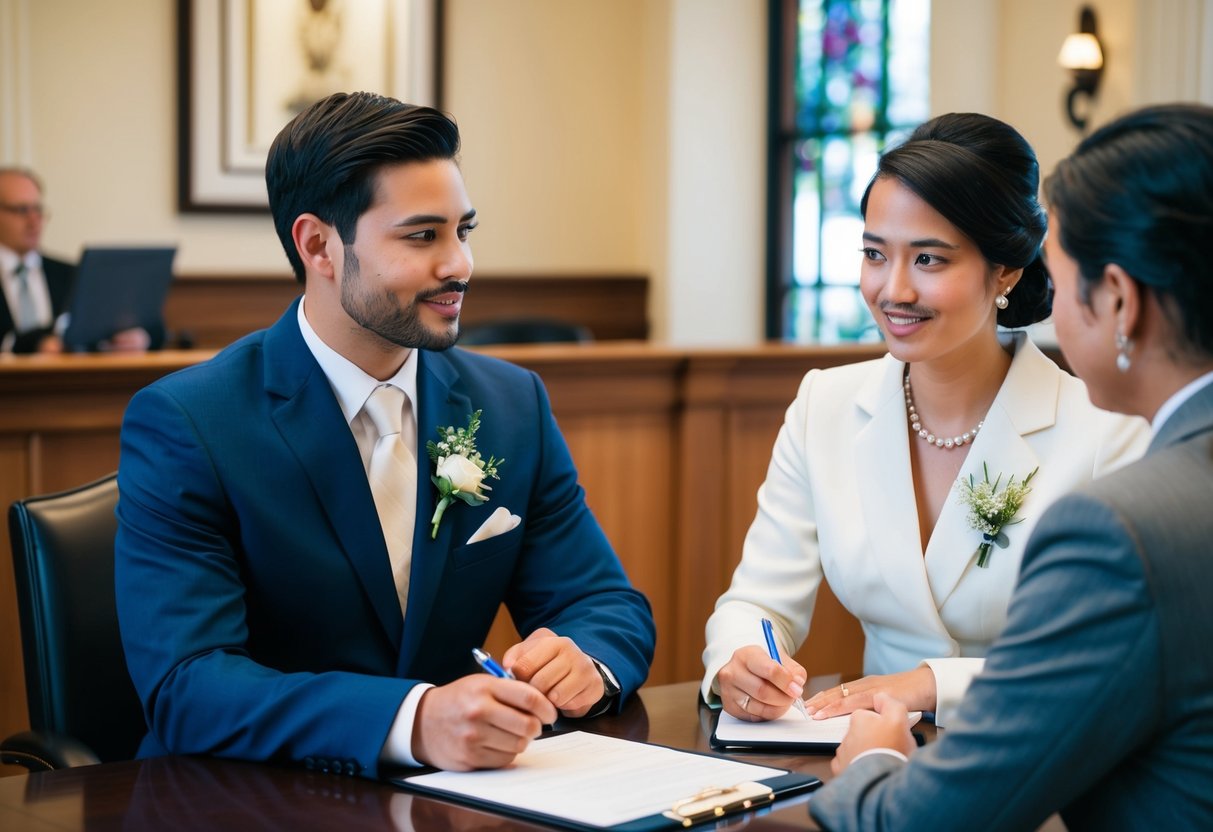
Planning your wedding ceremony is an exciting step. It involves important decisions that can make your special day truly unique. You’ll focus on choosing the right venue, personalizing your ceremony, and considering unique elements to add a special touch.
Selecting the Perfect Venue
Choosing the right venue sets the tone for your wedding ceremony. You might consider a local registry office for a simple civil ceremony. These venues are often straightforward and efficient for the legal part of your wedding.
If you want something more personal, look for a scenic outdoor setting or a cozy indoor space. Think about what reflects your style as a couple. A wedding venue that feels right will help create a memorable atmosphere for you and your guests.
Personalizing Your Ceremony
Your ceremony should feel special and reflect who you are as a couple. Personal vows can add a heartfelt touch. Speak from the heart about what your partner means to you.
You might also want to incorporate traditions or rituals, like hand fasting. This adds a unique element to your ceremony that can symbolize your commitment. Work with a celebrant who can guide you in creating a bespoke ceremony that suits your wishes. Your ceremony wording can be tailored to fit your relationship and beliefs.
Unique Ceremony Elements
Adding unique elements to your ceremony can make it memorable. Consider including music that holds special meaning for both of you. Whether it’s a song during the processional or a first dance, music can evoke emotions.
Visual elements also matter. Beautiful floral arrangements or personal decorations can accent your venue. You can invite friends or family members to participate in the ceremony. This not only enhances the experience but also makes your loved ones feel included in your special day.