
Do You Meet the Registrar Before a Wedding? Here’s What You Need to Know!
As you prepare for your wedding day, you may wonder about the role of the registrar in your marriage ceremony. Just before your wedding, you will meet with the registrar to ensure all details are correct and to finalize any necessary paperwork. This meeting often happens privately and is a chance to ask any questions you might have about the ceremony itself.
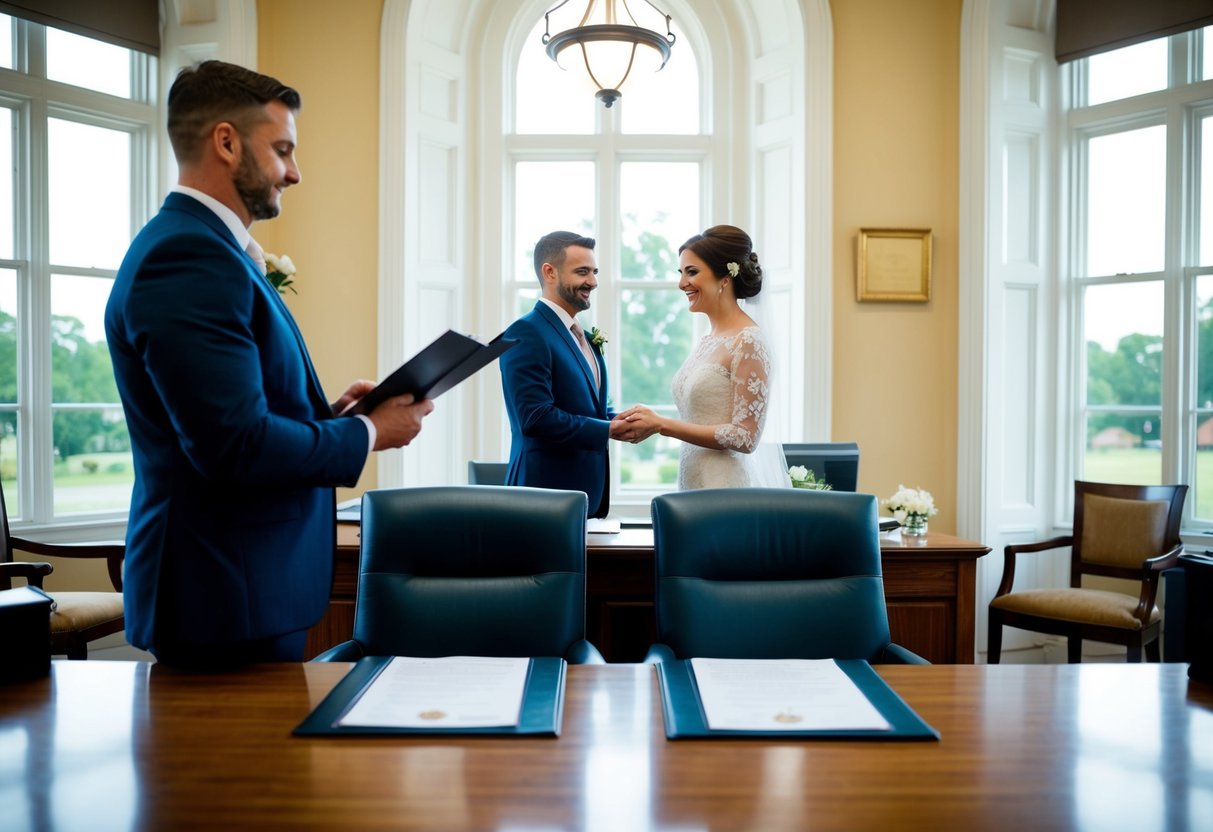
Getting to know your registrar can help ease any jitters you may feel on your special day. It’s also a good opportunity to clarify what to expect during the ceremony. Being informed allows you to focus more on the joy of your wedding and the commitment you are about to make.
Each wedding can be unique, and understanding the registrar’s role helps in planning your marriage ceremony more smoothly. This connection is an important part of your wedding planning journey as you move toward the big day.
Understanding the Role of a Registrar in Weddings
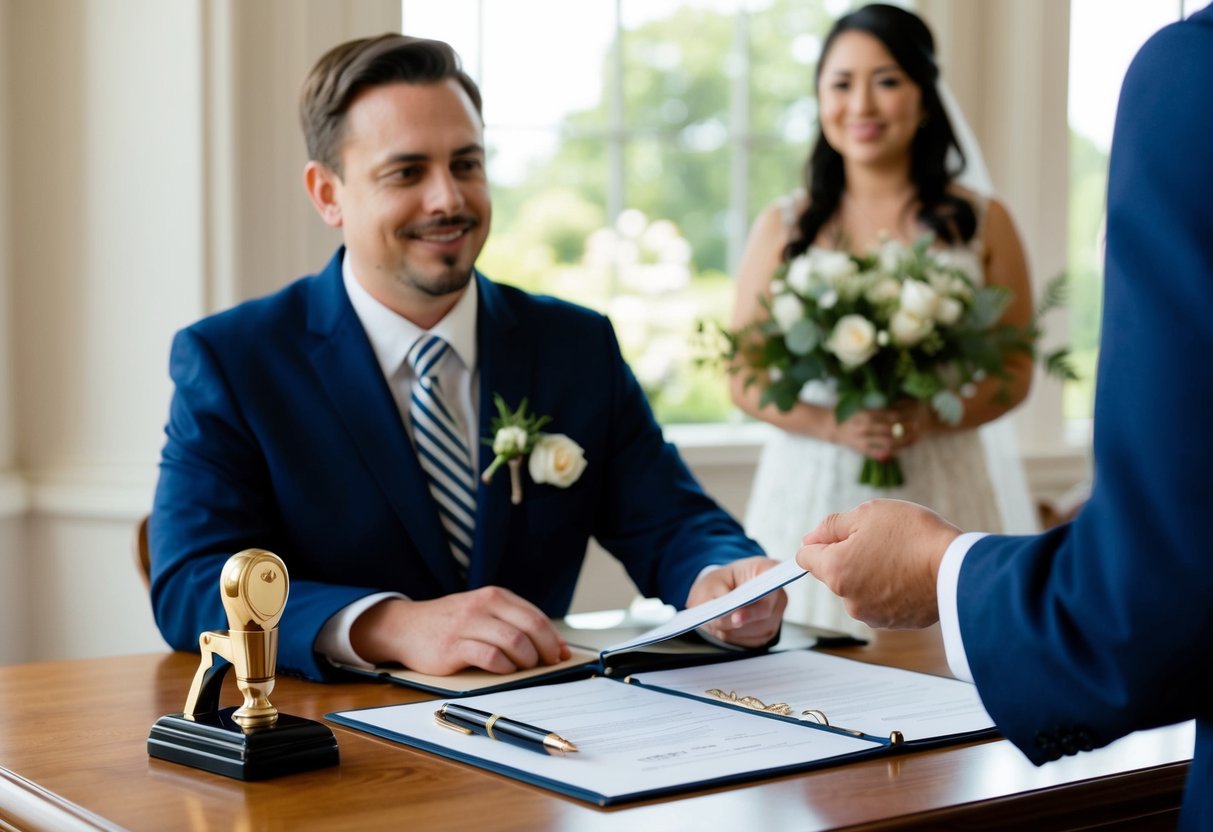
A registrar plays a crucial role in making your wedding legal and memorable. They handle the legal paperwork and ensure that your ceremony meets statutory requirements. Let’s explore the key aspects of their role, the difference between a registrar and a celebrant, and what you need to know when booking one for your wedding.
Legal Aspects of a Marriage Ceremony
To have a valid marriage, certain legal aspects must be met. The registrar is responsible for ensuring that all legal requirements are fulfilled.
You will need to provide legal paperwork such as proof of identity and residence. This often includes documents like passports or utility bills.
During the ceremony, the registrar will use specific legal wording. This wording is essential to meet the law’s requirements and officially recognized the union.
After the ceremony, the registrar issues the marriage certificate. This document serves as your official record of marriage.
Registrar versus Celebrant
Understanding the difference between a registrar and a celebrant can help you make an informed choice.
A registrar focuses on legal aspects of your marriage. They ensure the ceremony complies with the law and include necessary legal wording. Often, you may not meet your registrar before the wedding, as it is more common for couples to only meet them on the day of the ceremony.
On the other hand, a celebrant customizes your ceremony. They spend time getting to know you and your partner to create a personal ceremony, but they cannot legally register your marriage.
Booking a Registrar for Your Wedding Date
Booking a registrar is essential for your wedding plans. It is often recommended to secure your registrar as early as possible.
You can usually find your local registrars through your council’s website. They may list available dates and provide information on how to book their services.
When you contact them, be prepared to discuss your wedding date, location, and any specific requirements you have. Some registrars may require a meeting beforehand, while others may only meet on the wedding day.
By arranging early, you can ensure a smooth process and focus on enjoying your special day without stress.
Pre-Wedding Meetings with the Registrar
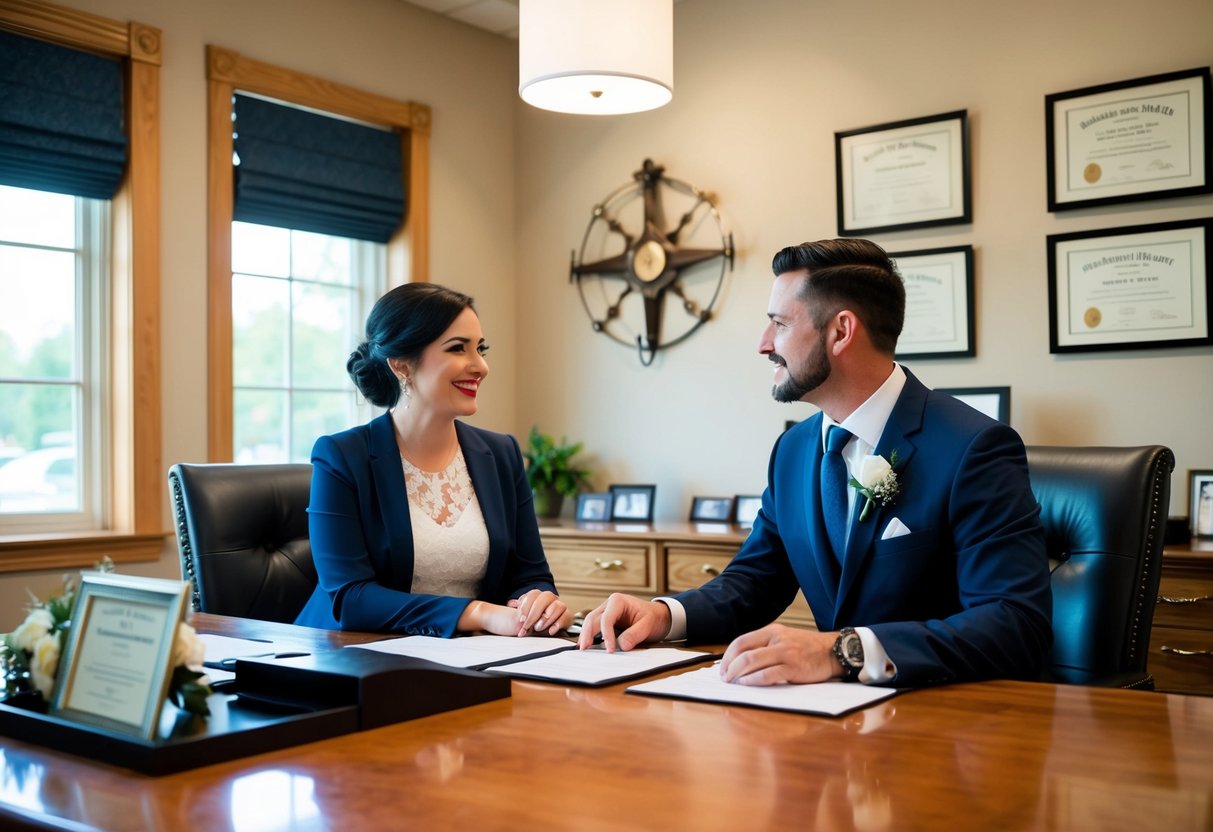
Meeting with the registrar is a key step before your wedding. This meeting helps confirm details and makes sure everything is set for your special day. Here’s what you need to know.
Purpose of the Initial Meeting
The initial meeting with the registrar is important for several reasons. First, it’s where you’ll give notice of your intention to marry. This step is needed to legally prepare for your wedding. You both must attend this meeting, as it confirms your eligibility to marry.
During this time, the registrar will check your identification and any required documents. Typically, you’ll need to present proof of identity, like a passport or driver’s license. If either of you has changed your name, be ready to show evidence of that change too.
What to Expect During the Meeting
During the meeting, expect a friendly conversation with the registrar. They will guide you through some questions regarding your marriage plans. The registrar will confirm details like the date, location, and time of the ceremony.
This meeting is also where you’ll discuss the legal aspects, such as obtaining your marriage certificate. This certificate is essential for your records and will be issued after your wedding. Make sure to ask any questions you have, as the registrar is there to help you.
Giving Notice of Your Intention to Marry
Giving notice of your intention to marry is a legal requirement in many places. This usually involves filling out forms that the registrar provides. Both partners must sign these forms during the meeting.
Typically, you must give notice at least 28 days before your wedding. This timeframe allows the registrar to verify your details and make sure everything is correct. If you’re planning to change your name after marriage, discuss this at the meeting, as the registrar can offer helpful advice on the process.
Customizing Your Ceremony
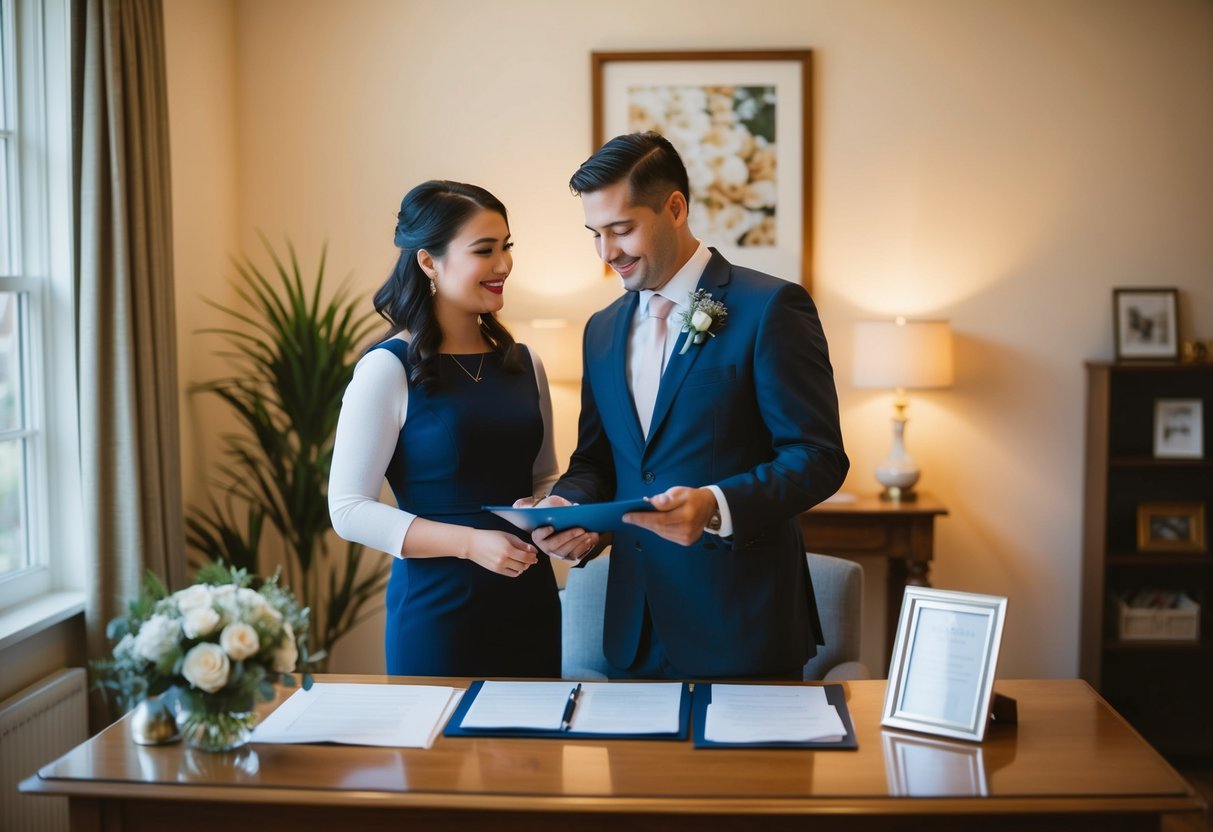
Your wedding ceremony can reflect who you are as a couple. You have options for customizing the content and style of your ceremony. This section explores how to choose between civil and celebrant-led ceremonies, incorporate personalized elements, and understand restrictions on spiritual content in registrar-led ceremonies.
Choosing between Civil and Celebrant-led Ceremonies
When planning your wedding, one important choice is between a civil wedding and a celebrant-led ceremony. A civil wedding typically takes place at a registry office. This option allows you to get married quickly and easily. However, the ceremony content is often limited.
On the other hand, an independent celebrant offers more flexibility. Celebrant-led ceremonies can include your stories, vows, and readings that truly represent you. You can also choose the location, whether it’s a beach, garden, or your favorite venue. This option allows for a more personalized ceremony that you can shape according to your wishes.
Incorporating Personalized Elements
Incorporating personalized elements into your ceremony is a wonderful way to make it unique. You can start by sharing your love story. This may include how you met, your first date, or what you love most about each other.
Consider adding symbols that reflect your relationship. Examples include a sand ceremony, handfasting, or personal vows. You can also include readings from favorite books or songs that hold meaning for you as a couple. This all helps create a memorable experience for you and your guests.
Spiritual Content in Registrar-led Ceremonies
While registrar-led ceremonies are straightforward, they come with restrictions on spiritual content. It’s important to know that these ceremonies cannot include any religious or spiritual elements. This might be disappointing if you want to include prayers or spiritual readings.
So, if having spiritual content is important to you, a celebrant-led ceremony may be the better choice. A celebrant can incorporate prayers, blessings, or rituals that align with your beliefs. This allows you to have the spiritual aspects you desire while still celebrating your love.
Finalizing Details Before the Big Day
As your wedding day approaches, it’s essential to nail down the final details. This includes confirming your ceremony schedule, understanding the registry office or approved premises, and conducting legal checks with your registrar.
Confirming the Ceremony Schedule
You should confirm the timing of your ceremony with the registrar. This is crucial to ensure a smooth flow on your wedding day. You might want to create a detailed timeline that outlines when guests arrive, when the ceremony starts, and when the celebrations begin.
Ask your officiant or celebrant to review this schedule. They can provide insights on how long different parts of the ceremony will take. Having this clear helps everyone involved understand their roles. Share this information with your guests to keep them informed.
Registry Office and Approved Premises Considerations
If you’re holding your ceremony at a registry office or an approved premises, there are specific rules you need to follow. First, check that your chosen venue is approved for marriages. Some locations may have restrictions, so confirming these details is important.
You also need to book your space ahead of time. This often requires a deposit. When choosing a location, consider accessibility for your guests. If you have family or friends traveling, make sure they can reach the venue easily.
Final Legal Checks with the Registrar
Before your big day, you must conduct final legal checks with your registrar. This generally involves confirming all documentation is in order.
Ensure that all required forms are correctly filled out and submitted.
It’s also a good idea to discuss any last-minute questions or concerns with your registrar. They can guide you through the process of your registered office wedding or other lawful ceremonies.
Checking in confirms that everything is set for a beautiful wedding celebration.