
Do You Need a Colour Theme for a Wedding? Discover Why It Matters!
Choosing a color theme for your wedding can feel overwhelming, but it doesn’t have to be. A color scheme can help tie all the elements of your big day together, creating a cohesive and memorable event. Whether you lean towards bold hues or soft pastels, your selected colors will influence your decorations, flowers, and even the attire of your wedding party.
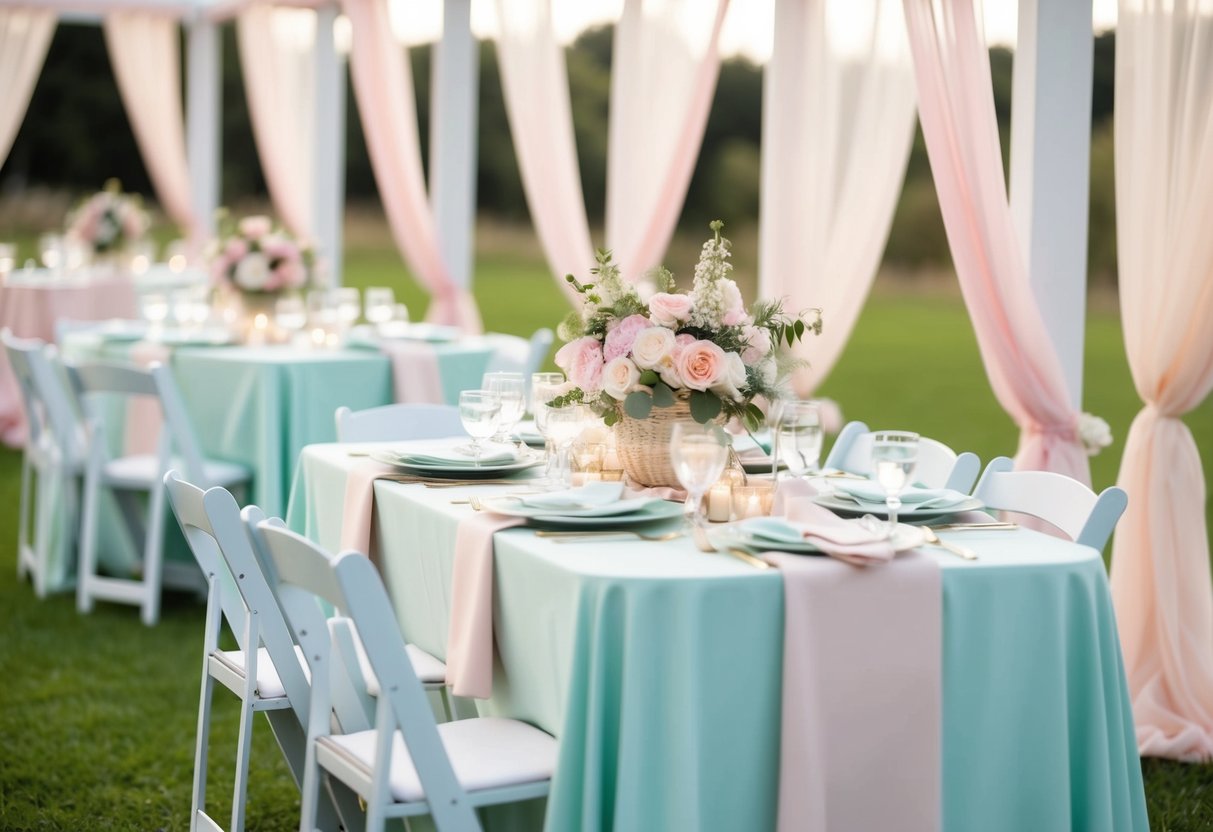
You might be wondering if a theme is necessary. The answer is that while it’s not mandatory, having a color palette can make wedding planning easier. It sets the mood for your celebration and helps ensure that all the details work harmoniously together. In addition, it gives your guests a sense of your style and the atmosphere you envision for your special day.
Throughout this article, you will discover tips on how to pick the perfect wedding colors that reflect your personality and the season of your wedding. From vibrant color schemes to subtle shades, you’ll find inspiration that will make your planning process enjoyable and exciting.
Understanding Wedding Color Schemes
Choosing a wedding color scheme helps create a cohesive look for your big day. By understanding how colors work together, you can choose a palette that reflects your style and setting.
The Basics of Color Combinations
When selecting a color combination for your wedding, consider complementary and analogous colors. Complementary colors are those that are opposite each other on the color wheel. For example, blue and orange or purple and yellow create a vibrant contrast.
Analogous colors sit next to each other on the color wheel, like blue, blue-green, and green. These colors blend well together and create a serene feeling. You can also opt for triadic combinations, which use three colors spaced evenly on the wheel.
Remember to limit your palette to three or four colors. This keeps your decor from feeling cluttered and ensures everything feels connected, from the flowers to the table settings.
Utilizing the Color Wheel for Your Theme
The color wheel is a handy tool for selecting your wedding colors. It shows the relationship between colors and can guide you in making choices that harmonize.
Start by picking a base color that reflects your personality. Then, use the wheel to find complementary or analogous colors. If you choose a soft pastel as your base, consider adding deeper shades for contrast.
Don’t forget about the feelings that colors evoke. For instance, blue can create calm, while red adds excitement. Think about your wedding’s mood and choose colors that match. This approach not only helps you create a beautiful setting but also sets the tone for your celebration.
Choosing Your Color Palette
Choosing a color palette for your wedding sets the mood and ties everything together. It reflects your personal style and complements your venue. Your colors can shift with the seasons and enhance the overall theme.
Influence of the Wedding Season
The season you choose for your wedding plays a big role in selecting your color palette.
- Spring weddings often use soft pastels like blush pink, lavender, and mint green. These colors reflect the freshness of blooming flowers.
- Summer weddings can be vibrant with bright hues like coral, turquoise, and sunny yellow. These colors bring energy and warmth to outdoor venues.
- Fall weddings usually lean toward rich tones like burgundy, mustard yellow, and deep orange, echoing the changing leaves.
- Winter weddings might use cool blues, whites, and metallics like silver and gold to create a magical, cozy atmosphere.
Choosing colors that match the season will make your event feel more natural and connected to the time of year.
Integrating Personal Style and Venue
Your personal style should shine through in your color choices. Think about your favorite colors, clothing choices, and what makes you feel happy.
Consider your wedding venue as well. For example, if you are having an outdoor venue with lots of greenery, you might want to choose colors that complement the natural surroundings.
Using neutrals can work well too, allowing vibrant accent colors to pop without overwhelming the space.
Creating a palette that reflects who you are and harmonizes with the venue will help make your special day truly unforgettable.
Creating a Cohesive Look
A cohesive look is essential to pull everything together. Start by selecting a primary color that resonates with you. Then, choose a couple of complementary colors and maybe an accent color.
For instance, if your main color is navy blue, consider pairing it with blush pink and silver. This combination creates a nice balance and adds elegance.
When selecting décor, flowers, and attire, keep your color palette in mind. This will ensure that everything looks coordinated and planned.
Using visuals, like color swatches or mood boards, can help you see how different colors work together. Remember, your color choices can change depending on trends or personal preferences, so feel free to have fun with it!
Color Inspirations for Your Wedding Theme
Choosing the right colors can greatly enhance your wedding theme. Understanding how to use floral arrangements and accent colors can help create a stunning and cohesive look.
Floral Arrangements and Their Colors
Floral arrangements are a key part of your wedding’s color theme. The flowers you select can set the mood and style of the event. Consider flowers like roses, peonies, or lilies in shades that match your theme.
When picking colors, think about the seasons. For spring, pastel colors like soft pinks and lavenders are popular. In summer, brighter colors like sunflowers or daisies can add energy. Autumn calls for rich colors like burgundy and orange, while winter is perfect for whites and deep reds.
Mix and match flowers to create dynamic arrangements. For example, combining white roses with greenery provides a fresh look. You can also add pops of color with other flowers, such as purple lavender or bright yellow daisies.
Accent Colors and How to Choose Them
Accent colors help tie your theme together. These can be used in table settings, invitations, and decorations. Start by selecting one main color you’ve chosen for the flowers.
Next, find accent colors that complement it. For instance, if your main color is blush pink, accents of gold or navy can work beautifully. Use a color wheel to see which colors pair well together.
Think about where you want to use these colors. For example, a bold napkin color can add interest to a neutral table. Don’t be afraid to play with textures, such as using satin, lace, or burlap, to enhance your theme.
Keeping these tips in mind can help you create a lovely color palette for your special day!
Visual Elements and Wedding Decor
Creating a visually appealing wedding is all about the details. Thoughtful choices in design elements and decor can help build a cohesive look throughout your special day.
Design Elements for a Harmonious Ambiance
Choosing the right design elements is key to setting the mood. Focus on your color palette when selecting items like flowers, centerpieces, and lighting. For example, if you choose soft pastels, consider delicate blooms and warm candlelight.
You might also think about textures. Use different materials like lace table linens or silk ribbons. These variations can create depth and interest. Incorporating personal touches, like family heirlooms or custom signage, adds meaning to your decor while keeping things cohesive.
Lastly, ensure your design elements complement each other. Arrange your color scheme to flow through every aspect of the decor. This unity makes your wedding feel well-planned and visually satisfying.
Stationery and Table Settings as Color Vessels
Your stationery, including invitations and place cards, sets the tone for your wedding. Use your chosen color theme to create an inviting look. For instance, a vibrant invitation suite can reflect your wedding colors and excite your guests.
Table settings are another area to showcase your theme. Choose table linens that match or complement your palette. Think about using colored napkins or patterned chargers to enhance the setting. This creates an inviting atmosphere.
Don’t overlook details like centerpieces. They can act as focal points that tie everything together. Consider flowers that match your color scheme and add decorative elements like candles or small themed accents. These touches will help transform your tables into beautiful, cohesive displays that guests will love.