
Do You Need a Registrar at a Humanist Wedding? Understanding Your Options
Planning a wedding can be exciting, especially when choosing a ceremony that reflects your values. If you’re considering a humanist wedding, you might be wondering about the role of a registrar in your special day.
For a humanist wedding, a registrar is not needed to conduct the ceremony itself. However, you must legally register your marriage separately.
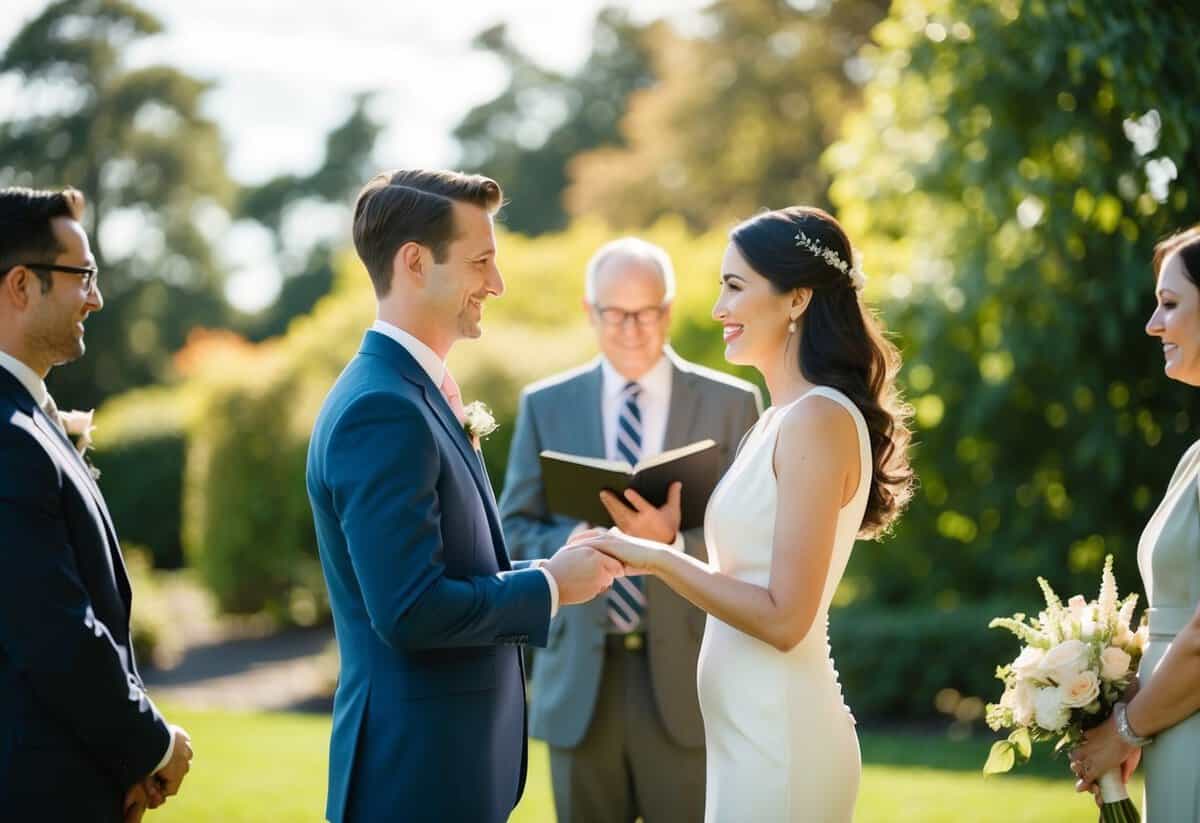
A humanist wedding focuses on personalisation and celebrates love without any religious elements. Instead of traditional religious readings, you have the freedom to craft a ceremony that resonates with your beliefs and experiences.
You can choose a celebrant who aligns with your vision, making the event truly yours.
Understanding the legal aspects can eliminate confusion and help you prepare better. With the right information, you can enjoy a beautiful non-religious ceremony that reflects your unique story while meeting all legal requirements.
Understanding Humanist Weddings
Humanist weddings are a beautiful way to celebrate your love without the traditional religious elements. They focus on personal values, ethics, and shared experiences. You can design a ceremony that truly reflects your relationship and beliefs.
The Role of a Celebrant in Humanist Weddings
A humanist celebrant plays a crucial role in crafting your ceremony. They work closely with you to create a bespoke ceremony that captures your unique story.
This includes discussions about your values, beliefs, and any special elements you wish to include.
Celebrants help you write vows that resonate with your relationship, ensuring they reflect your feelings and commitments. You may also include readings, music, and other personal touches.
Whether it’s a favorite poem or a meaningful song, these elements personalize your ceremony, making it memorable for you and your guests.
The Distinction Between Religious and Non-Religious Ceremonies
Humanist weddings are distinctly non-religious. Unlike traditional religious wedding ceremonies, there are no hymns, prayers, or Bible readings. This allows for a more flexible and inclusive approach to wedding celebrations.
You have the option to select any venue that holds meaning for you, whether it’s a garden, beach, or private home. This flexibility means your ceremony can take place at any time, not just on weekdays.
Humanists emphasize love, commitment, and personal significance, creating a thoughtful alternative to religious weddings. Celebrating in this way allows you to focus on your relationship and the journey you will share together.
Legal Aspects of Humanist Weddings
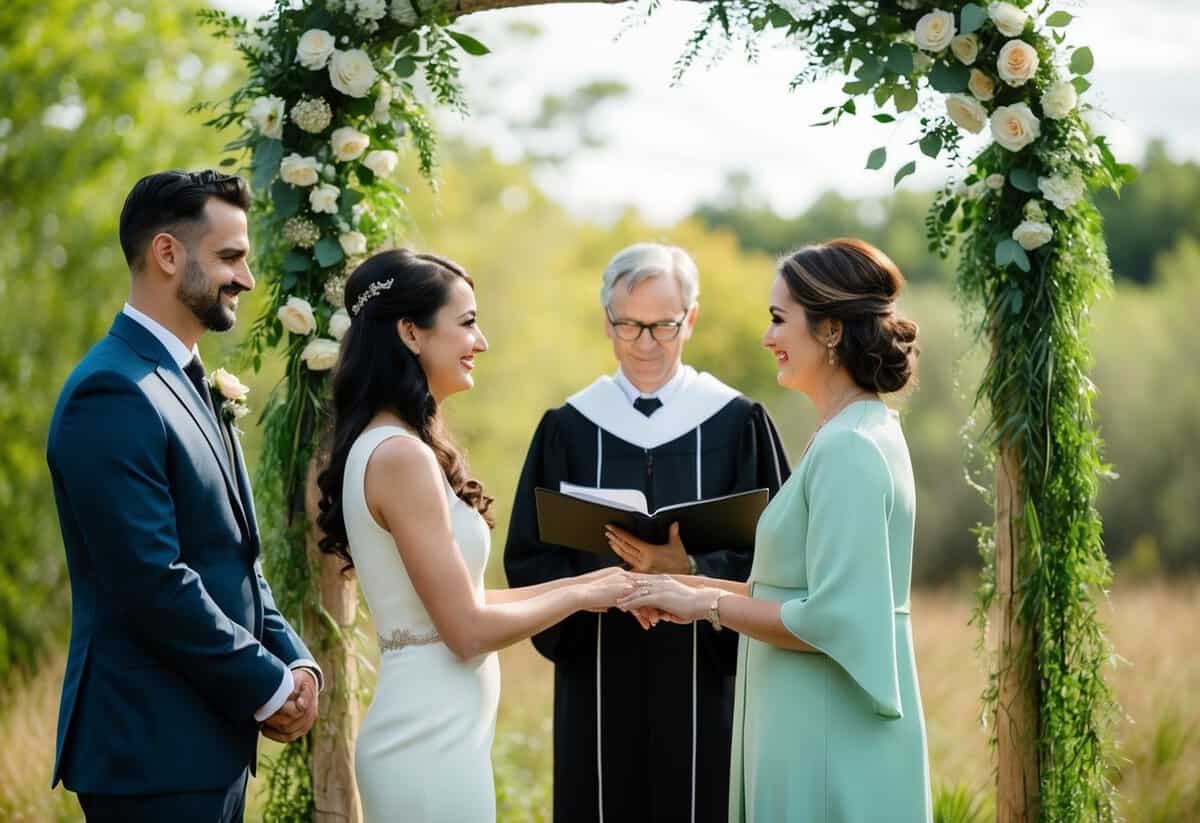
When planning a humanist wedding, it’s important to understand the legal requirements that come with it. Certain steps must be taken to ensure your marriage is legally recognized in your area.
This section will explain how humanist weddings are treated legally across the UK and Jersey, as well as the difference between civil partnerships and humanist ceremonies.
Wedding Legality and Recognition Across the UK and Jersey
In England and Wales, humanist weddings are not legally binding on their own. You must register your marriage separately at a register office. This means you can have your humanist ceremony and then complete the legal requirements either before or after your big day.
In Scotland, humanist weddings are legally recognized and can be conducted in a same manner as traditional marriages. Your celebrant must be registered and accredited.
Northern Ireland also recognizes humanist ceremonies, but similar to England, you’ll need to plan for a legal registration at a register office.
In Jersey, humanist weddings are allowed, but you must also fulfill the necessary legal procedures. Always check local requirements to ensure your wedding meets the legal standards.
Civil Partnerships vs. Humanist Wedding Ceremonies
Civil partnerships and humanist wedding ceremonies serve similar purposes but have key differences. A civil partnership is a legally recognized union that provides legal rights similar to marriage. However, it’s often seen as more restrictive, focusing primarily on the legal aspects.
Humanist wedding ceremonies are completely non-religious and centered around personal beliefs or values. They can take place anywhere that you choose, as long as you meet your local legal requirements. The celebrant will guide you through creating a ceremony that feels right for you.
While civil partnerships require registration, humanist ceremonies do not provide automatic legal recognition. Therefore, if you choose a humanist wedding, ensure you take the additional steps to officially register your marriage for it to be legally binding.
Customizing Your Humanist Wedding
Your humanist wedding offers great flexibility for personalization. You can create a ceremony that truly reflects your values and love story. This section discusses how to choose meaningful rituals and personalize the elements of your celebration.
Choosing Symbolic Acts and Personalized Elements
Symbolic acts add depth and meaning to your ceremony. Consider incorporating rituals like hand fasting, where your hands are tied together to represent unity.
You can also include other meaningful elements that reflect your journey together.
Think about what symbolizes your relationship. This might include lighting a unity candle, planting a tree, or sharing a special drink. Each act should hold significance for both of you.
Choosing personalized elements enhances the experience. You can design your own decor, select specific colors, or use flowers that have special meaning.
This allows you to create an atmosphere that feels right for your celebration.
Incorporating Readings, Vows, and Music
Readings can bring your values and beliefs into the ceremony. You might choose poems, quotes, or passages that resonate with your love story. Involve family and friends in these readings to make the moment even more special.
Your wedding vows are an essential part of personalizing the ceremony. Write vows that express your love and commitment in your own words. This adds a genuine touch and highlights your unique relationship.
Music sets the tone of your ceremony. Select songs that are meaningful to you as a couple. They can be played during the processional or as a backdrop to your exchange of vows. Choose tunes that evoke feelings and memories, making your ceremony unforgettable.