
Do You Need a Wedding Decorator? Discover the Benefits for Your Big Day!
Planning a wedding can be both exciting and overwhelming. You might be wondering if you need to hire a wedding decorator.
A wedding decorator can turn your vision into reality. They handle all the details, from selecting colors to setting up decorations. This allows you to focus on enjoying your celebration.
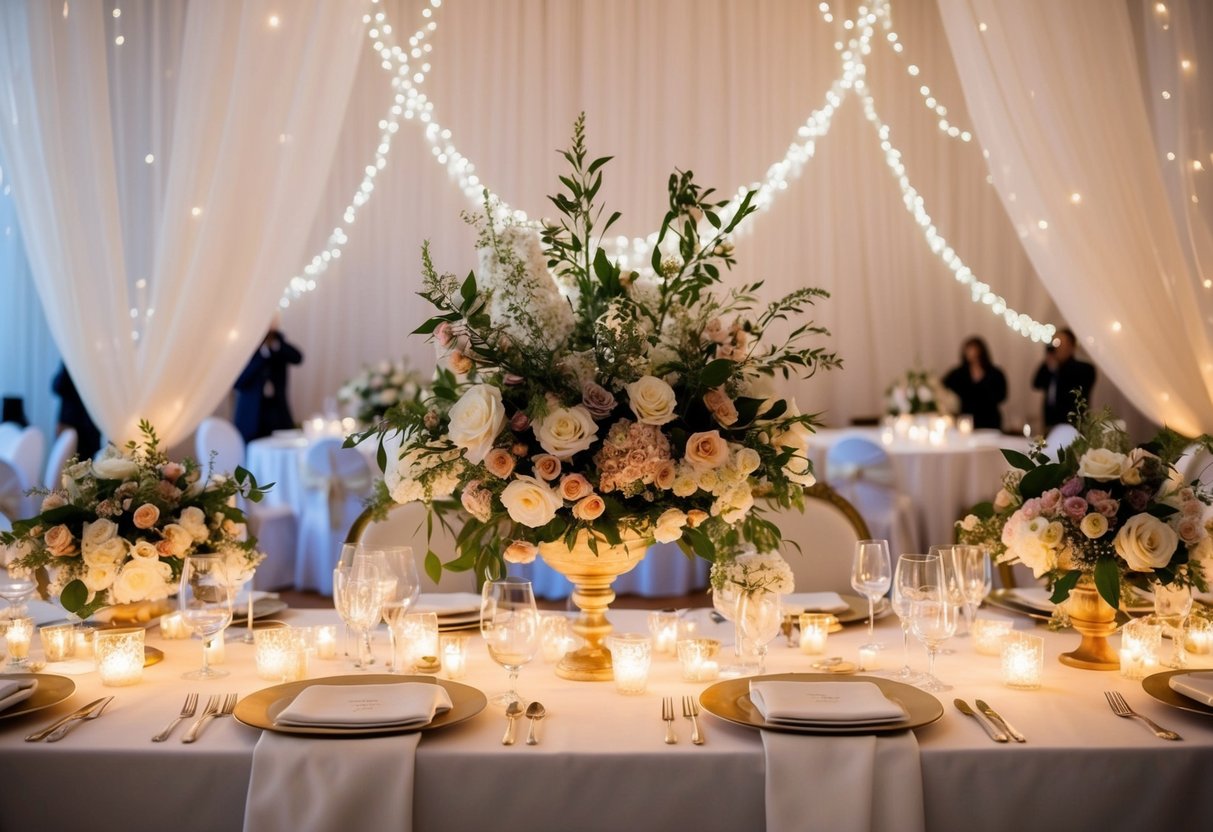
A decorator brings experience and creativity to turn your vision into reality. They handle all the details, from selecting colors to setting up decorations, allowing you to focus on enjoying your celebration. If budget is a concern, think about the time and potential headaches a pro can save you.
Ultimately, the decision to hire a decorator depends on your preferences and budget. Consider what matters most to you on your wedding day—peace of mind or DIY charm. Either way, it’s important to weigh your options carefully.
Determining Your Wedding Decor Needs
Deciding on your wedding decor can shape the look and feel of your special day. Knowing if you need a wedding decorator and understanding the distinction between a wedding decorator and a planner will help clarify your needs.
Assessing the Importance of a Wedding Decorator
Think about how much effort you want to invest in decorating. A wedding decorator focuses solely on the visual details, like centerpieces and lighting. If you have a specific vision but lack the time or expertise to execute it, hiring a decorator can be a great choice.
Here are some things to consider:
- Time and effort: Do you have the time to manage the decor on your own?
- Design skills: Are you comfortable designing decorations?
- Budget flexibility: Can your budget accommodate hiring a professional?
A professional can help turn your ideas into reality and ensure everything looks cohesive.
Understanding the Role of a Wedding Planner
A wedding planner oversees the entire planning process, including logistics, timelines, and vendor coordination. They often work with decorators but have a broader focus. If you feel overwhelmed by the planning details, a wedding planner can be invaluable.
Key aspects of a wedding planner’s role include:
- Coordination: They manage different aspects of the event, freeing you to enjoy the day.
- Expertise: Planners are familiar with local vendors and can recommend trusted decorators.
- Problem-solving: They handle any unexpected issues that may arise, keeping your day stress-free.
Deciding between a planner and a decorator involves understanding your specific needs. You may even choose to hire both for a more seamless experience.
Elements of Wedding Design
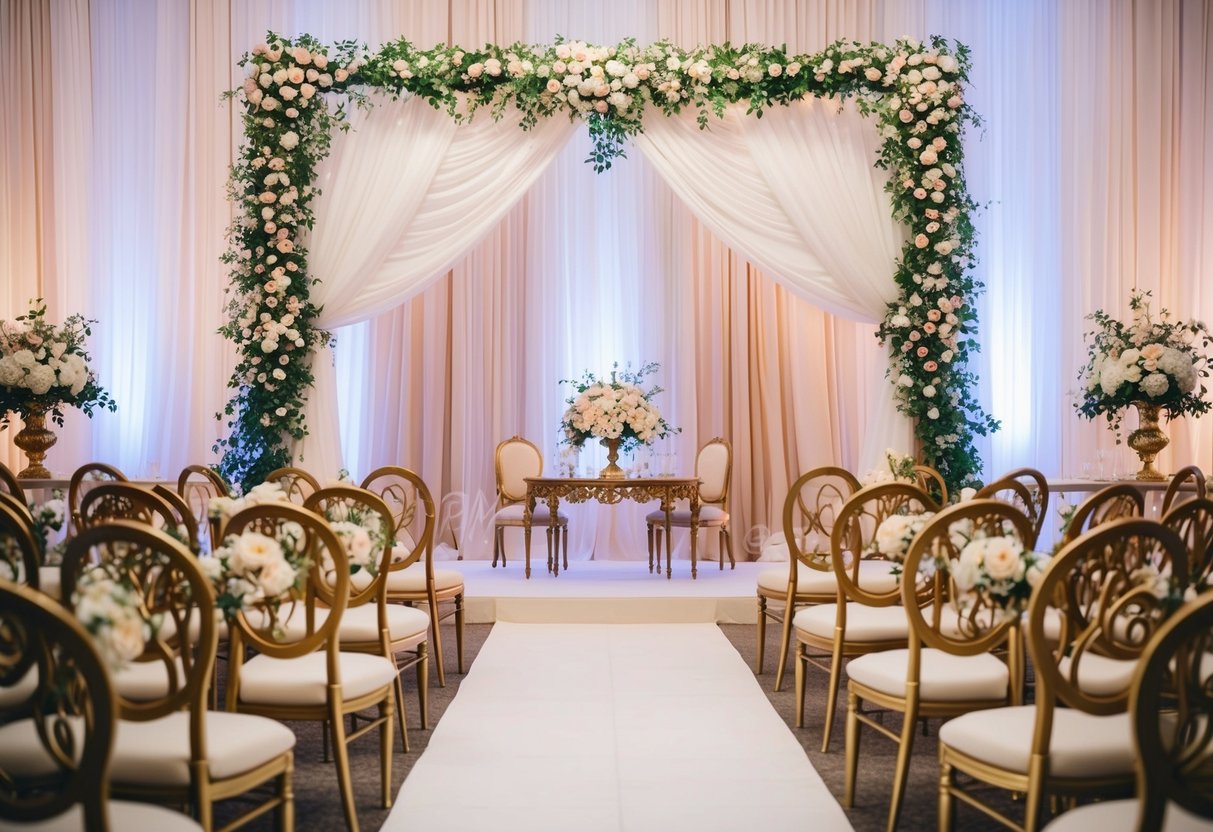
Wedding design includes many important parts that come together to create your perfect day. From choosing colors to selecting flowers, these elements shape the look and feel of your celebration.
Choosing a Color Scheme and Theme
Your color scheme sets the mood for your wedding. Start by picking a primary color and two or three complementary colors. This will help guide your decisions about decor, flowers, and attire.
Consider popular themes like rustic, beach, or vintage. Each theme pairs well with certain colors. For example, beach weddings often use soft blues and sandy beiges.
Make sure your colors flow throughout your decorations. This includes table linens, chair covers, and even the wedding cake. Keeping everything in sync creates a cohesive look that impresses your guests.
The Essentials of Lighting and Furniture
Lighting can greatly change the atmosphere of your venue. Soft lighting, such as string lights or candles, creates a romantic vibe. Consider uplighting to highlight architectural features or wall colors.
When it comes to furniture, think about comfort. Use stylish chairs and tables that match your theme. If your venue doesn’t have enough seating, renting extra pieces may be necessary.
Furniture arrangements matter too. Create cozy seating areas for guests to mingle. This not only enhances comfort but also encourages conversation, making your wedding more enjoyable.
Floral Inspirations and Centerpieces Selection
Flowers play a crucial role in your wedding decor. Choose blooms that fit your color scheme and theme. Classic options are roses and peonies, while seasonal flowers can add freshness.
Your centerpieces should grab attention but not overwhelm guests during meals. Consider using various heights for interest. For example, mix tall vases with shorter arrangements.
Don’t forget about details like greenery and textures. Adding elements like eucalyptus or ferns can enhance your overall look. This variety draws the eye and creates visual appeal on your tables.
Finding the Right Wedding Decorator
Choosing the right wedding decorator is essential for bringing your vision to life. You will want to focus on their portfolio and style to ensure they match your needs. Additionally, scheduling consultations and reviewing mock-ups will help clarify how they can achieve your dream decor.
Portfolio and Style Review
Start by reviewing the decorator’s portfolio. This gives you a visual sense of their work and style. Look for photos that resonate with your wedding theme. Would you prefer a romantic vibe or something modern?
Ask questions about their design decisions. Knowing how they approach wedding design can help you see if your tastes align.
Also, check for reviews from previous clients. This can offer insights into their reliability and professionalism. A solid decorator should have a consistent style and impressive results that speak to their creativity.
Scheduling Consultations and Mock-ups
Once you’ve narrowed your choices, schedule consultations. This is your opportunity to discuss your ideas in detail. Bring any inspiration images you have, such as color schemes or table settings.
During these consultations, request mock-ups of your decor plans. This can include examples of centerpieces or layout designs. Mock-ups help visualize how everything will come together on the big day.
Be open to suggestions. A professional wedding decorator might have ideas that enhance your vision. Collaborating in this way ensures that your decor truly represents your style and personality.
Finalizing Decor and Coordination with Vendors
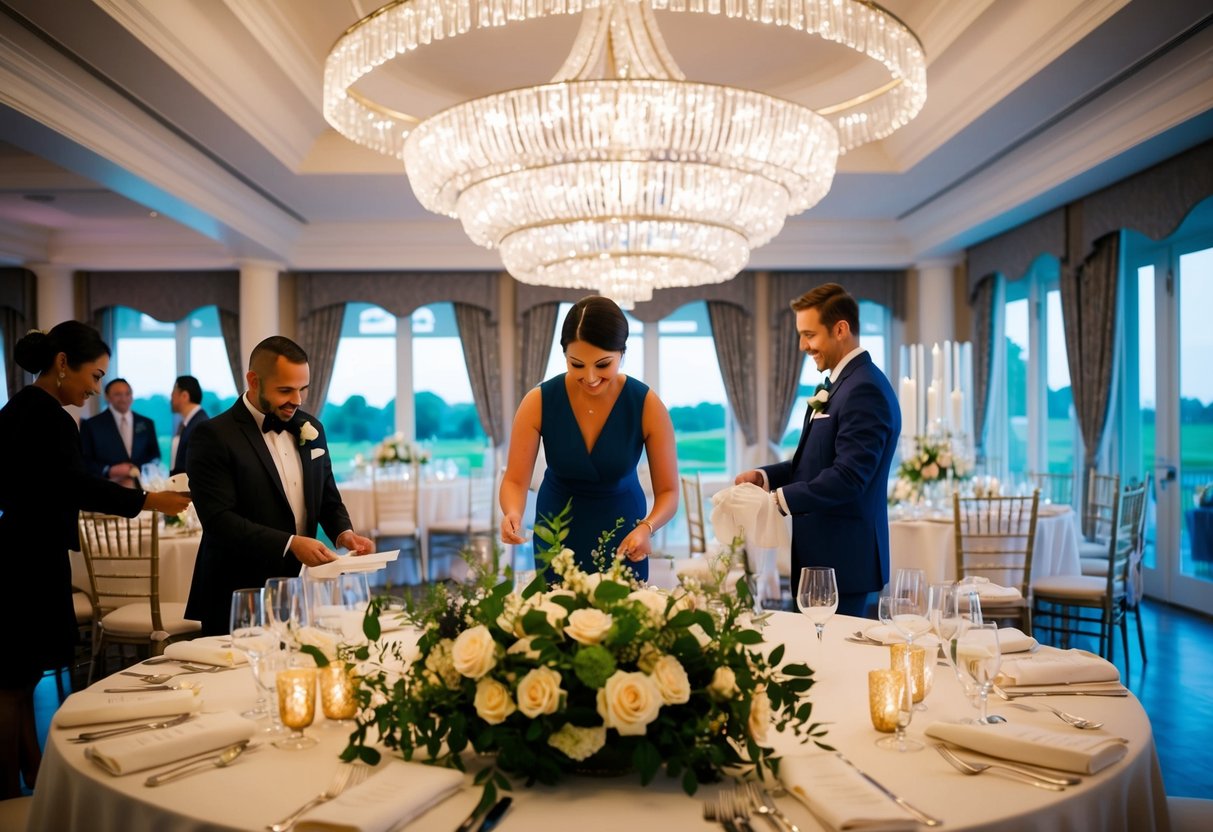
As you prepare for your big day, finalizing your wedding decorations and coordinating with vendors is essential for a smooth experience. Understanding how to select decor rentals and effectively communicate with your venue and other wedding vendors will help you achieve the vision you desire.
Selecting Decor Rentals and Final Touches
Choosing the right decor rentals can transform your wedding venue. Start by listing the items you need, such as centerpieces, table linens, and floral arrangements. Consider your wedding theme and color scheme while selecting these elements.
Look for local rental companies that offer packages to save time and money. Don’t forget to check their availability for your wedding date. Once you find the perfect items, confirm the delivery and setup plan for the wedding day.
After that, plan the final touches. This includes any DIY projects or personal items you want to add. These small details can enhance your wedding experience and make the day feel uniquely yours.
Coordinating with Venue and Other Vendors
Effective coordination with your venue and vendors is crucial.
Meet with your wedding venue to discuss the layout and specific requirements for decor setup. Make sure you ensure they understand your vision and any restrictions they may have.
Communicate regularly with your wedding vendors. Share your timeline to ensure they know when to deliver and set up their services. This includes florists, caterers, and rental companies.
Clear communication prevents last-minute issues.
Lastly, appoint a day-of coordinator if possible. They will handle any last-minute changes, allowing you to enjoy your special day without stress.
By finalizing decor and coordination, you create an organized environment and a memorable wedding experience.