
Do You Need an Altar at Your Wedding? Exploring Its Meaning and Importance
Deciding whether you need an altar at your wedding can feel a bit confusing. An altar is not strictly necessary for your ceremony, but it can add a meaningful focal point that enhances the experience. Many couples choose to include an altar because it symbolizes the commitment you are making to each other, creating a beautiful backdrop for your vows.
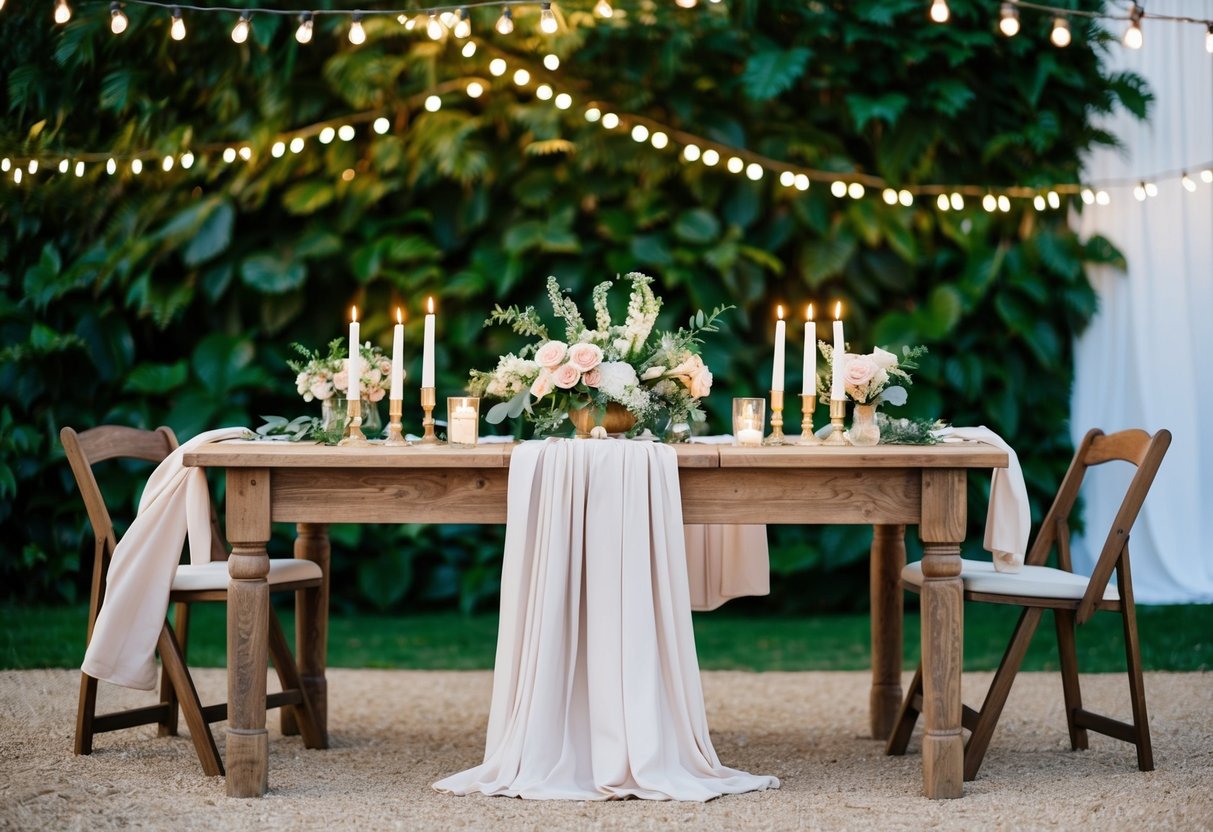
If you’re thinking about the look and feel of your ceremony, an altar can bring that extra touch. It can be simple or elaborate, depending on your style. Whether you prefer a rustic wooden design or a vibrant floral arch, having some form of an altar can create a special atmosphere that your guests will remember.
The choice is yours. Some couples opt for a minimalist approach, while others enjoy the tradition and beauty an altar can bring. Whatever you decide, your wedding should reflect your unique love story.
Deciding Whether You Need an Altar at Your Wedding
Choosing whether to have an altar at your wedding involves considering several important aspects. You’ll want to think about your ceremony location and theme, any cultural or religious significance, and, of course, your personal preferences.
Ceremony Location and Theme
Your ceremony location plays a big role in deciding if you need an altar. If you’re getting married in a church, a traditional altar is usually expected. In contrast, outdoor weddings can offer more creative options, like a floral arch or a simple backdrop.
Think about how your altar will fit into your wedding theme. A rustic setting might call for a wooden arch decorated with flowers, while a beach wedding could benefit from an airy structure with flowing fabrics.
Consider the space as well. Make sure there’s enough room for guests to see the altar without feeling crowded. The right altar can enhance your ceremony’s atmosphere and create a beautiful focal point for photos.
Cultural and Religious Significance
An altar often holds importance beyond decoration. Many cultures and religions have specific customs related to the wedding ceremony. For example, in Jewish traditions, a chuppah represents the couple’s new home together.
If you or your partner have cultural ties, this can influence your decision on the altar. It might not just serve as a backdrop, but also fulfill a meaningful role in your ceremony.
Understanding these aspects can help you connect more deeply to your wedding day. If you value tradition, an altar may be more than just an option; it could be essential.
Personal Preferences of the Bride and Groom
Personal preferences are key to making your wedding day truly yours. Discuss what you both envision for your ceremony. Do you want something formal and traditional, or more relaxed and modern?
You might prefer a stunning floral altar or a minimalist design. Each choice reflects your personalities and love story.
Think about what makes you both feel comfortable. If you’re not keen on an altar, you could opt for a simple decorative element or even no altar at all. Ultimately, your preferences should guide your decision, ensuring your wedding feels authentic to you as a couple.
Types of Altars and How to Choose the Right One
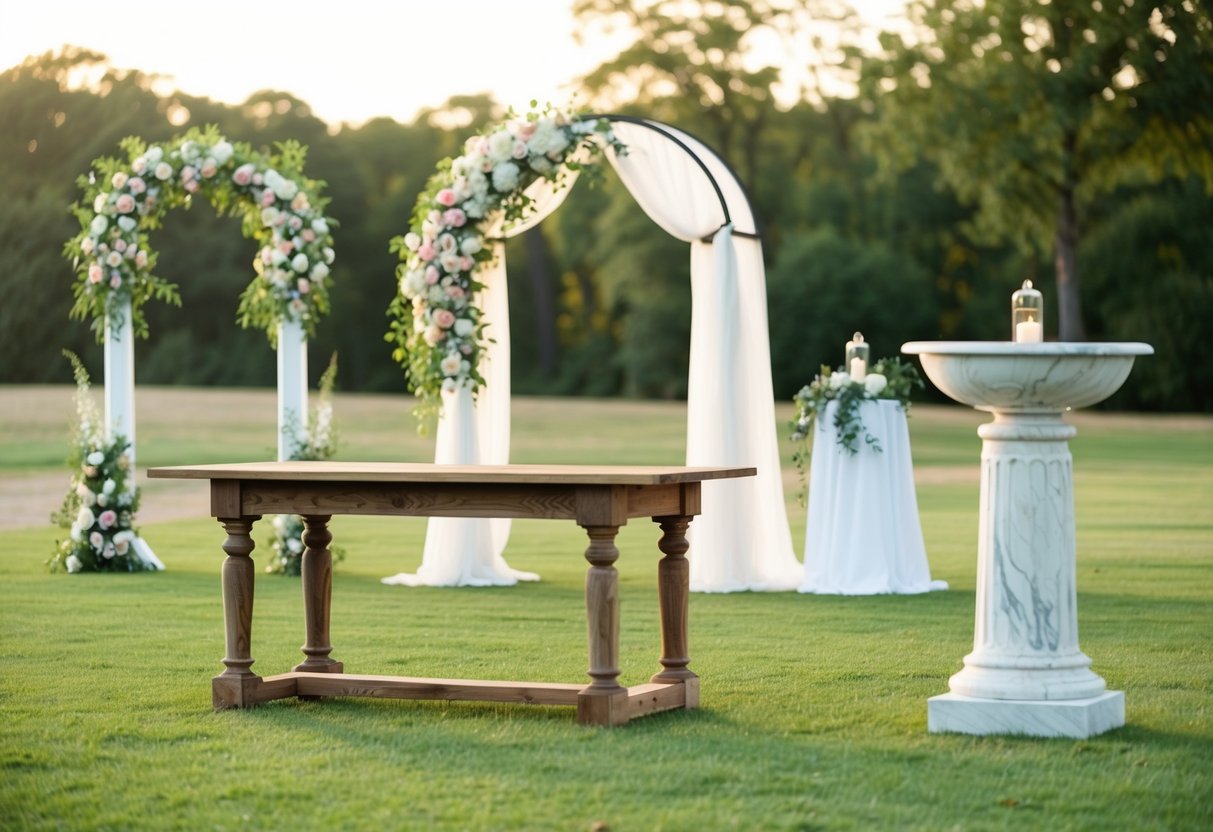
When planning your wedding, the altar you choose can set the tone for the ceremony. Here are some types of altars to consider, along with tips on selecting the best one for your special day.
Traditional Wedding Altars
Traditional wedding altars often feature a wedding arch. These arches can be adorned with flowers, fabric, or greenery to create a stunning visual. Think about incorporating items that have personal significance, like family heirlooms or meaningful symbols.
For a classic look, an altar with an elegant draping of white or pastel fabric can give a romantic feel. You might pair it with lush floral arrangements, ensuring that your guests have a beautiful view during the ceremony.
Modern and Minimalist Frames
If you prefer a contemporary vibe, consider a minimalist frame for your altar. This approach focuses on clean lines and simplicity, which can be incredibly striking. A simple frame made of wood or metal can act as a beautiful backdrop without overwhelming the space.
With this style, you might keep decorations minimal—just a few potted plants or small bouquets. This allows your love and connection to take center stage on your special day. Remember, less can be more, and this style often emphasizes your love story in a unique way.
Natural and Outdoor Options
Choosing an outdoor setting can provide a breathtaking backdrop for your wedding altar. Placing your altar under a tree or in a garden can create a serene atmosphere. You can enhance this with natural elements like stones and soft greenery to blend into the surroundings.
Consider simple altar decorations that complement nature, such as wildflowers or rustic wood accents. For a desert wedding, you might use succulents and dry florals to match the climate. This will create a beautiful, organic feel for your ceremony, making it an unforgettable moment.
Decorating Your Altar
Your wedding altar is a special focal point that adds beauty and charm to your ceremony. Thoughtful decorations can reflect your style and create a memorable atmosphere. Here are some ideas to consider.
Floral Arrangements and Greenery
Floral arrangements are key to enhancing your altar’s beauty. You can use hanging florals to create an enchanting overhead display. This adds dimension and romance to the space.
Choose local flora for a personal touch while also supporting local businesses. Colorful blooms can brighten your altar while soft greenery can provide a lush backdrop.
Consider suspended greenery, like draping vines or ferns, to create an organic feel. This combination can make your ceremony feel both elegant and natural.
Unique Additions and Personal Touches
To make your wedding altar truly yours, think about unique additions. A macrame backdrop adds charm and texture. It can serve as a perfect contrast to lovely flowers.
Incorporate personal items to tell your story. This could include framed pictures, or mementos that symbolize your journey together.
Consider adding Persian rugs at the base of your altar to add color and comfort. They can set a cozy tone while also defining the space.
Invite the flower girl and ring bearer to help with small decorations. Their involvement can make the ceremony even more special.
Lighting and Textiles
Lighting plays a significant role in setting the mood for your ceremony. Use candle holders to add warmth and intimacy. They create a romantic glow that enhances your altar.
Textiles can also make a big impact. Consider draping soft fabric over structures for a more inviting look. Light, airy fabrics work well for a delicate feel, while heavier textiles add richness.
String lights can add a whimsical touch, especially for evening ceremonies. They create a magical atmosphere that complements your altar decorations beautifully.
Incorporating the Altar in Your Ceremony
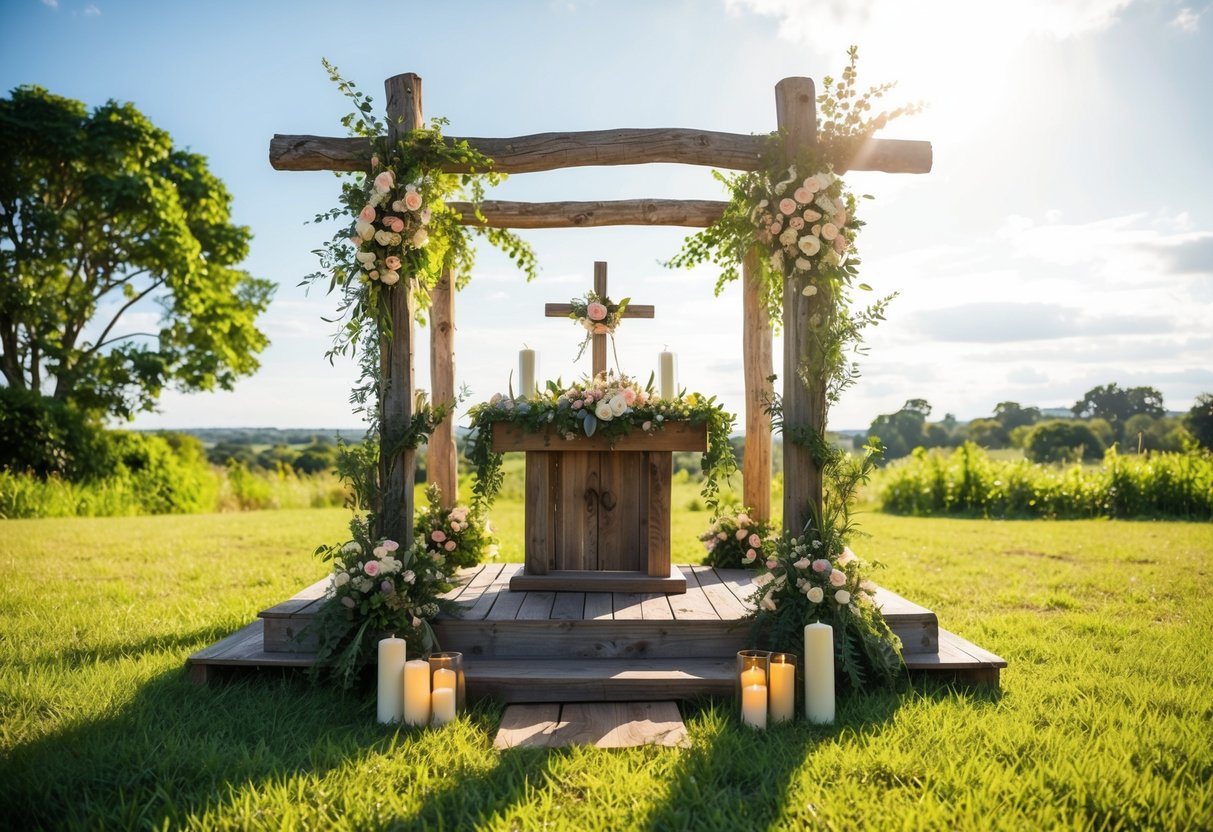
The altar plays a vital role in your wedding ceremony. It serves as a focal point for exchanging vows and enhances the overall setting. In this section, you’ll learn how to effectively incorporate the altar into your special day.
Exchanging Vows at the Altar
When you stand at the altar, you create a memorable moment as you exchange your wedding vows. This is where you express your commitment to each other in front of family and friends.
Having your officiant guide you through the vows helps set the tone. They usually ensure you both hear each other clearly. It’s a good idea to practice your vows beforehand. This way, you gain confidence and can focus on each other rather than worrying about what to say.
Choose an altar design that aligns with your style. Whether you prefer a floral arrangement or a simple arch, the altar is the backdrop for these heartfelt promises. Your chosen decor can enhance the emotions of the moment.
Roles of the Wedding Party and Officials
Your wedding party, including groomsmen and bridesmaids, plays a supportive role during the ceremony. As you stand at the altar, they help create a warm and loving environment.
The officiant is essential for guiding the flow of the ceremony. They introduce the couple and facilitate the vows. Ensure you communicate your vision clearly with them. Discuss any special elements you want to include, such as readings or rituals.
Groomsmen and bridesmaids can also help with logistics. They should understand their positions and roles during the processional. This coordination ensures a smooth flow and minimizes any potential hiccups.
Captivating Photo Opportunities
The altar provides a stunning backdrop for your wedding photos. It captures the emotions of the day and highlights the love shared between you and your partner.
Consider positioning your photographer to capture both wide-angle shots of the altar and close-ups of your vows. You might also want to take photos with your wedding party at the altar. These images will evoke joy when you look back on your ceremony.
Natural light can enhance these photos, so choose a ceremony space with good lighting. Discuss with your photographer the best angles and opportunities for capturing candid moments throughout the ceremony, especially at the altar.