
Do You Need Both a Save-the-Date and a Wedding Invitation? Here’s What You Should Know!
When planning your wedding, you might wonder if you need both a save-the-date and a wedding invitation. You definitely benefit from using both, as each serves a different purpose in your wedding planning. A save-the-date is an early notice that lets your guests know the date and location of your event, while the formal invitation follows later with more details and an RSVP request.
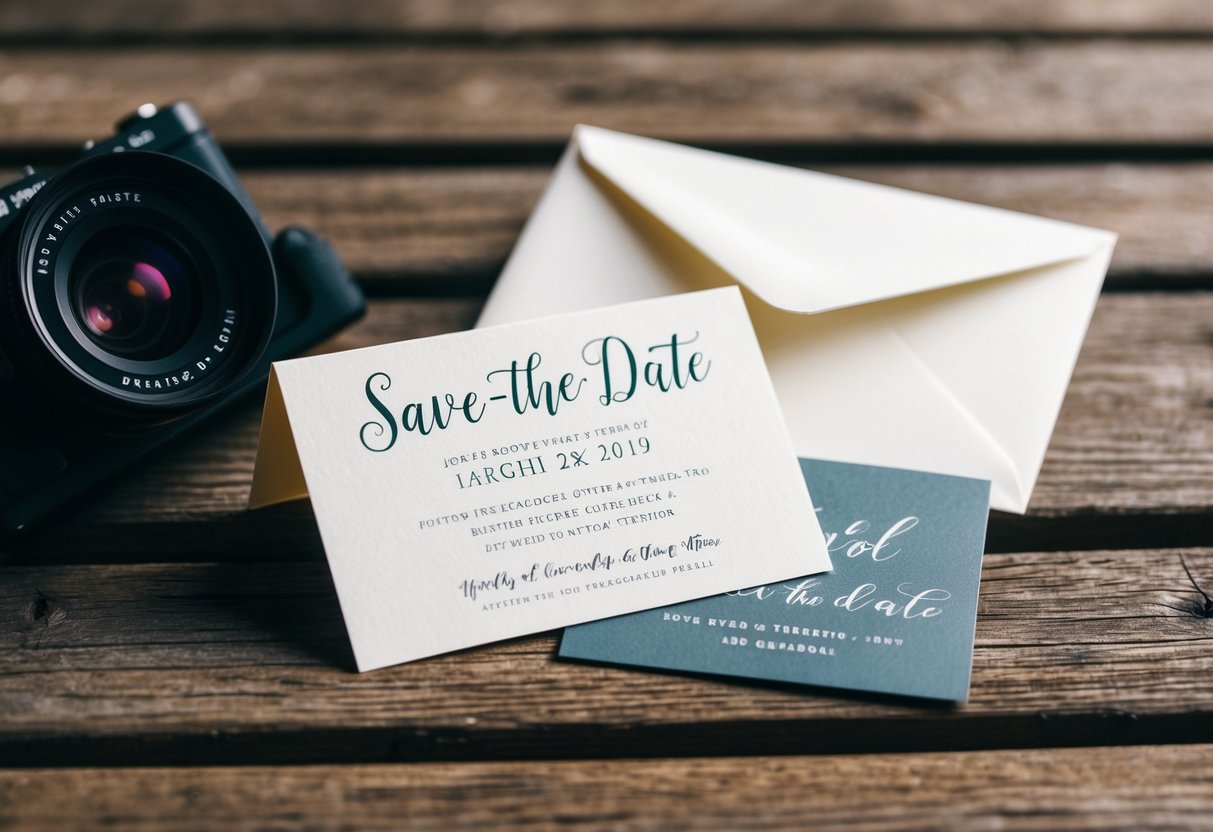
Sending a save-the-date can be especially helpful if your wedding is during peak seasons or if many guests will travel from afar. By giving them advance notice, you help them secure their plans and make arrangements. Then, when you send out the wedding invitations, they’ll already know the date is engraved on their calendars.
Using both tools ensures your invitees are prepared and excited for your big day. You’ll find that this two-step process can help make your wedding planning smoother and keep your guests informed.
Understanding Save-the-dates and Wedding Invitations

Save-the-dates and wedding invitations serve different purposes in your wedding planning. Each plays a unique role in keeping your guests informed and engaged, helping to ensure that your big day runs smoothly.
The Role of Save-the-dates
Save-the-dates are your first communication with guests about your wedding. These cards are typically sent out 6 to 8 months in advance. Their main purpose is to ask your guests to mark their calendars.
When creating your save-the-dates, include the following essential information:
- Names of the couple
- Date of the wedding
- Location (city or venue)
- A note that a formal invitation will follow
You can choose different styles, such as postcards or magnets, making them fun and personalized. Remember, save-the-dates are not mandatory, but they can be very helpful for destination weddings or during busy seasons.
The Significance of Formal Wedding Invitations
Formal wedding invitations provide detailed information about your ceremony. These are sent out 2 to 3 months before the event and include specifics that guests need to plan their attendance.
Your wedding invitation should include:
- Couples’ names
- Date and time of the ceremony
- Venue details (address)
- Dress code, if applicable
- RSVP information
You can choose elegant designs to match your wedding theme. Formal invitations set the tone for your wedding, so it’s important they reflect the event’s style. Follow proper wedding invitation etiquette to avoid any misunderstandings.
Timing and Delivery Methods
Knowing when to send out save-the-dates and wedding invitations can help ensure your guests are ready for your big day. Each type has its purpose and timeline, so planning ahead is key. Let’s break it down.
When to Send Save-the-dates
You should aim to send your save-the-dates around 6 to 8 months before your wedding date. This gives your guests ample time to clear their schedules, especially if they need to make travel arrangements.
For destination weddings, consider sending them even earlier, about 8 to 12 months in advance. This extra time helps guests avoid conflicts and allows them to plan their trips.
Make sure to include essential details, like the wedding date and location. It’s not necessary to provide every detail, just enough to let guests know that they should hold that date!
Timeline for Wedding Invitations
Wedding invitations are typically sent out 8 to 12 weeks before the event. By this time, you’ll want to have all the details finalized, such as the venue, ceremony time, and dress code. This allows your guests to RSVP comfortably.
If you’ve already sent save-the-dates, you can send invitations a bit closer to the date, maybe even 6 weeks out for a more casual gathering. Just remember to give guests enough time to respond so you can adjust your plans based on the number of attendees.
Digital vs. Physical Save-the-dates
You can choose between digital and physical save-the-dates based on your preference and budget. Digital save-the-dates are convenient and often more affordable. You can quickly send them via email or social media, and they can include links for RSVPs and more information.
However, physical cards have their charm and can feel more personal, making them a memorable touch. If you opt for physical cards, consider mailing them with enough lead time to ensure your guests receive them.
Both methods should communicate the same essential information about your wedding, so choose what fits your style best!
Essential Content for Save-the-dates and Invitations

When sending out save-the-dates and wedding invitations, including the right information is key. Each serves a specific purpose and helps keep your guests informed and organized for your special day.
What to Include on a Save-the-date Card
Your save-the-date card is the first notice your guests will receive. It should have essential details to let them know to mark their calendars.
- Names: Clearly state your names at the top.
- Date: Include the wedding date prominently.
- Location: Mention the city or venue, especially if it’s a destination wedding. This helps guests plan ahead.
- Wedding Website: Add your wedding website link for more details on the venue, accommodations, and travel information.
Remember, save-the-dates are informal. There’s no need for details like dress code or RSVP info here, but you can mention that more specifics will follow in the invitation.
Key Information for Wedding Invitations
Your wedding invitation provides a complete overview for your special day. This is where you dive into the important details.
- Names: List both of your names again.
- Date and Time: Clearly specify the date and the start time of the ceremony.
- Venue: Include the full address of the wedding venue.
- Dress Code: If there’s a specific dress code, inform your guests here.
- RSVP Details: Provide a way for guests to RSVP, either through a response card or your wedding website.
- Travel Information: For destination weddings, include information on nearby hotels and transportation options.
- Plus-One Policy: Specify whether guests can bring a plus-one.
- Rehearsal Dinner: If you want to invite guests to the rehearsal dinner, add that detail and its date.
Having all these details ensures your guests have everything they need to participate in your celebration.
Guest Considerations and Etiquette

When planning your wedding, understanding guest considerations and etiquette is crucial. It’s about ensuring your guests feel welcomed and informed, while you manage your wedding details smoothly.
Managing Your Guest List
Creating your wedding guest list is one of the first steps you should take. Start by listing all the people you want to invite. You can categorize them into family, friends, and coworkers to stay organized.
Make sure to involve your partner in this process. Discuss who each of you considers essential.
Be mindful of the number of guests your venue can accommodate. This will help you ultimately decide whom to invite. Once you have the final list, send out your save-the-dates to give guests time to plan.
Navigating Plus-Ones and RSVPs
Deciding on plus-ones can be tricky. It’s common to allow your guests to bring someone, especially if they are in a serious relationship.
However, be clear on your invitations. You might say “plus-one invited” directly on the invite, so guests know their options.
Regarding RSVPs, ask guests to respond by a set date. This helps you finalize your counts for catering and seating arrangements. Send reminders a week before the deadline, as this encourages quicker responses.
Etiquette for Destination Weddings
If you’re planning a destination wedding, make sure to provide your guests with all necessary information. Send out save-the-dates as early as possible. Ideally, send them six to eight months in advance. This allows guests to arrange travel plans.
Include details about nearby hotels, transportation, and any activities they can enjoy.
Be aware that not everyone may attend due to cost or travel restrictions. Respect their decisions while ensuring those who can go feel informed and excited about your special day.