
Do You Need Enough Wedding Cake for All Guests? Tips for the Perfect Slice
When planning your wedding, one big question comes up: do you need enough wedding cake for all guests? The answer is generally no. Many couples find that not all guests will eat cake, especially with other desserts being offered.
A good rule of thumb is to order enough cake for about 80% of your total guest count.
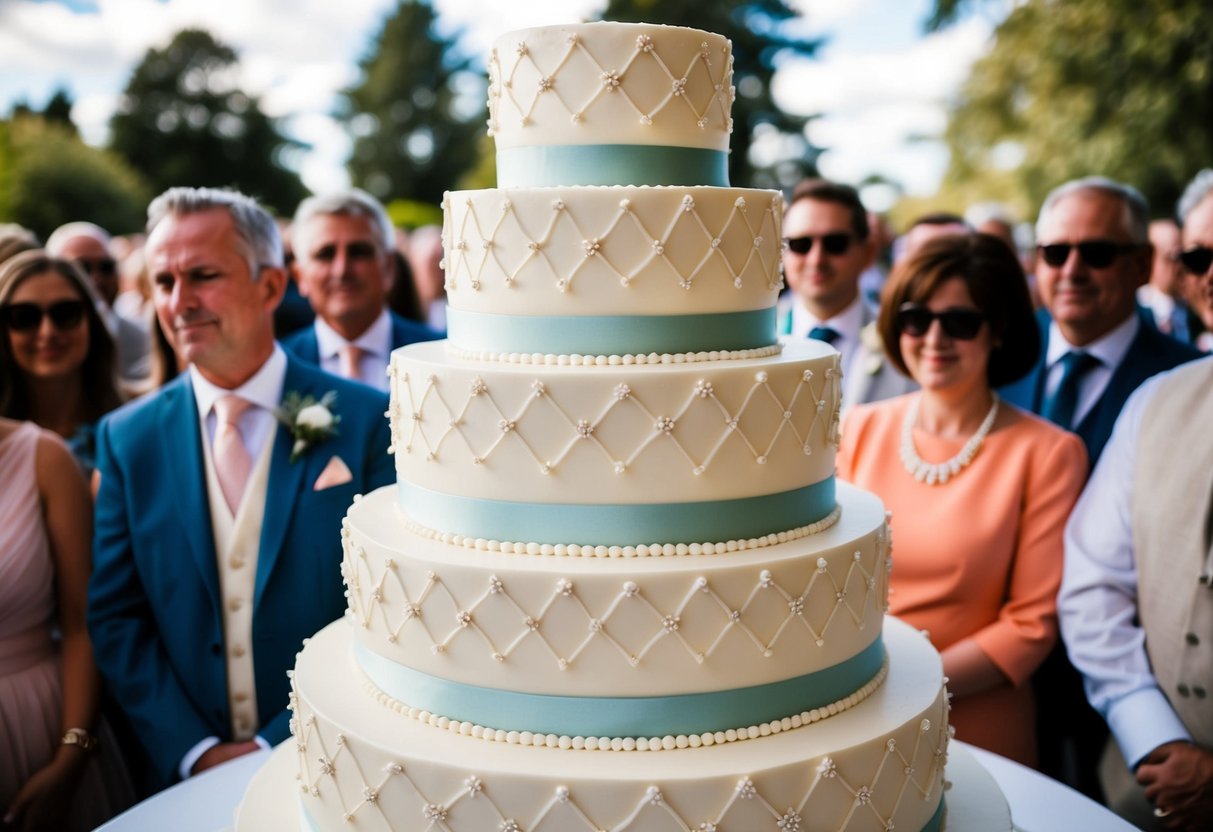
Understanding how many guests will truly enjoy the cake can help manage your budget and avoid excess leftovers. It’s common for guests to decline a slice, and serving the cake at a self-serve table can further reduce the number of servings needed.
You might even consider having a smaller cake for the ceremony and a larger dessert spread for everyone to enjoy.
If you’re still unsure about how much cake to order, you’re not alone! Many couples face this dilemma. Let’s dig deeper into how to decide the right amount of cake needed for your special day.
Determining Your Wedding Cake Size
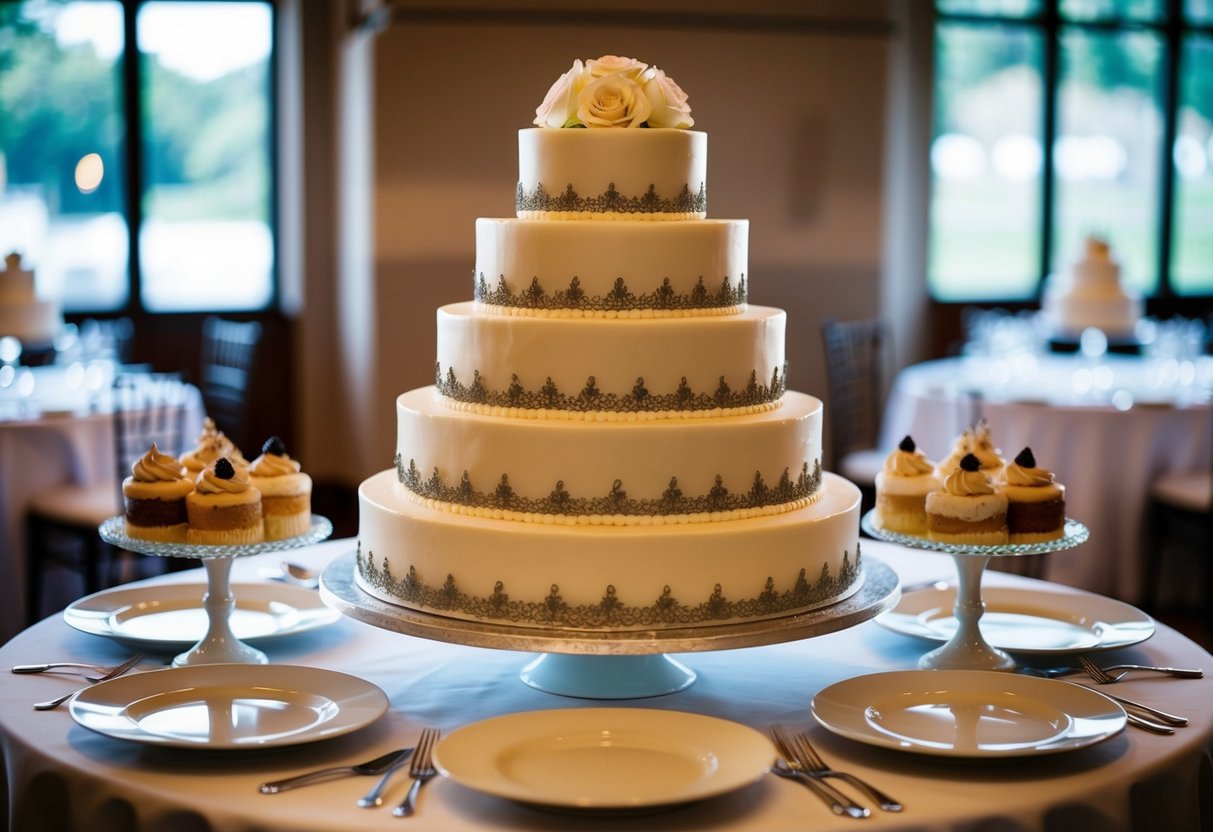
Choosing the right size for your wedding cake is essential. You’ll want to ensure that everyone has a slice without overwhelming your budget. Start with understanding your guest count and how cake servings work.
Evaluating Guest Count
First, you need to know how many people are coming to your wedding. This number is your starting point.
A good rule of thumb is to plan for about 80% of your guest count to actually eat cake.
For example, if you expect 100 guests, you may only need enough for 80 servings.
This approach accounts for those who may decline dessert. You can adjust based on whether you’re serving other desserts or a grooms cake, which may require additional servings.
Understanding Cake Servings
Next, consider cake serving sizes. Different cake shapes can impact how many servings you get.
A standard slice is about 1 inch by 2 inches. Tiered cakes usually provide more servings than sheet cakes due to their height and design.
For instance, a three-tiered round cake could have a 10-inch base, an 8-inch middle, and a 6-inch top.
This combination can provide about 74 servings, making it suitable for a guest count of around 80.
Plan carefully to make sure your cake complements the event without going to waste.
Options Beyond Traditional Tiered Cakes
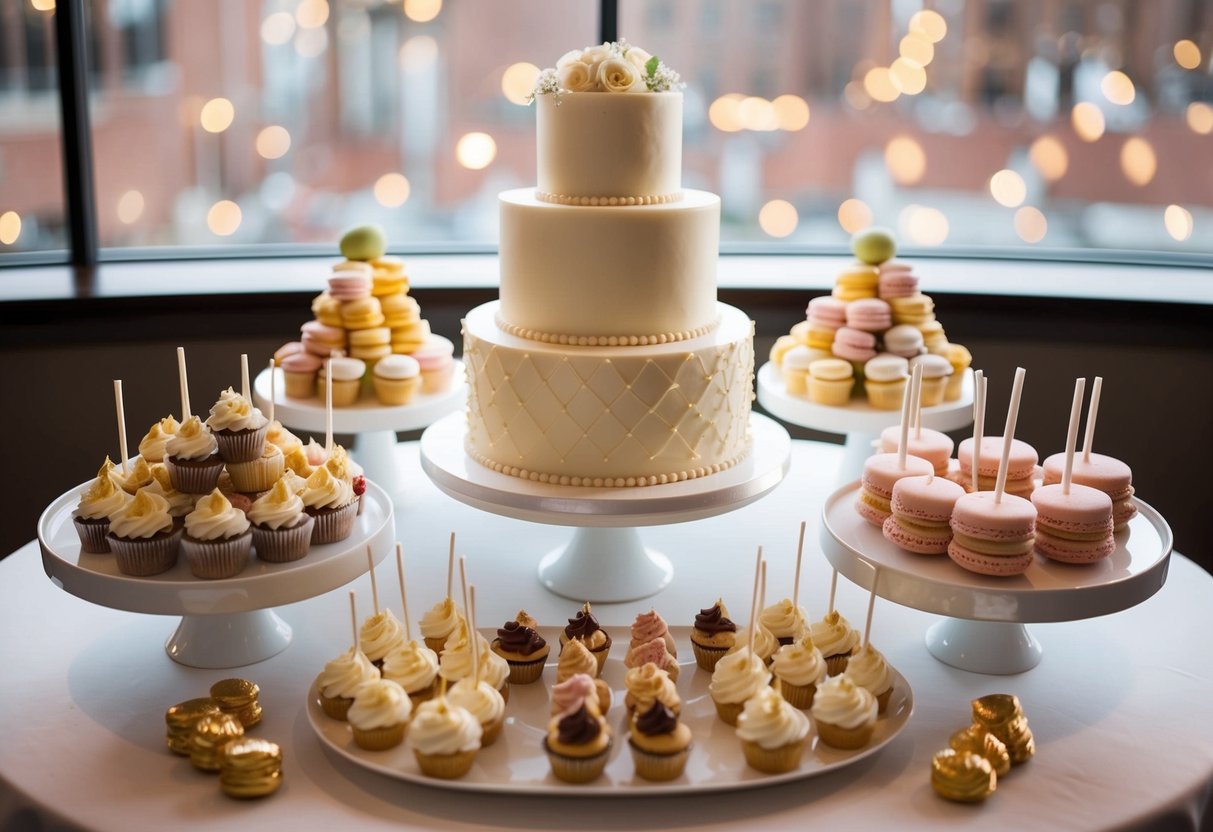
If you’re looking to shake things up, there are plenty of delicious alternatives to the traditional tiered wedding cake. These options can suit different tastes, budgets, and aesthetics, making your day even more special.
Exploring Dessert Tables
A dessert table can be a fun and colorful addition to your wedding. Instead of one cake, you can offer a variety of sweets such as cupcakes, cookies, and even mini pies.
Not only does this allow you to cater to different tastes, but it also adds visual interest. Guests can choose their favorite treats, which creates a more interactive experience.
You can even include a themed dessert table, like a chocolate fountain or a sundae bar. This makes for a memorable and engaging dessert option that guests will surely enjoy.
Incorporating Sheet Cakes
Sheet cakes are a practical and budget-friendly alternative to the classic wedding cake. These can be made in different flavors, allowing you to satisfy various palates.
For a larger crowd, consider serving a single or double-tiered display cake as a centerpiece while hiding multiple sheet cakes in the kitchen. This way, you maintain the elegant appearance while ensuring you have enough servings for everyone.
Sheet cakes are also easier and quicker to cut, saving you time during your reception. They can be decorated to match your wedding theme, so they can still look stylish on your dessert table.
Considering Individual Cakes
Individual cakes, like mini cheesecakes or personal tiramisus, are a unique twist that guests will love. They allow everyone to have their own dessert, making it easy for people to enjoy their treat without cutting or serving.
These can be customized for each guest, accommodating dietary restrictions or preferences. Plus, they add a fun and modern touch to your wedding.
You can display them beautifully on platters, creating a charming centerpiece. Individual cakes can also be themed or flavored to match your wedding, offering both variety and visual appeal.
Cake Design and Decoration Details
Creating a beautiful wedding cake goes beyond just flavor. You need to think about specialty ingredients and decorative elements that reflect your style and taste. These details can make your cake not only delicious but also a stunning centerpiece for your big day.
Choosing Specialty Ingredients
When selecting your cake, consider using specialty ingredients to enhance flavor and texture. Fresh fruits, nuts, or dark chocolate can add richness to your cake. Discuss options with your wedding cake bakers to find unique flavors that suit your palate.
You might choose organic or locally sourced ingredients to support sustainability. Don’t forget about dietary needs. Gluten-free or vegan options are great if you have guests with allergies.
- Common Specialty Ingredients:
- Fresh berries
- Artisan chocolates
- Unique extracts (like almond or hazelnut)
Using high-quality ingredients can truly elevate your cake experience, making it memorable for you and your guests.
Deciding on Decorative Elements
Decorative elements play a vital role in the design of your wedding cake. This is where you can show your personality. You could use sugar flowers for an elegant look or choose fondant designs for a sleek finish.
Think about your wedding theme when deciding on colors and styles. Coordinate your cake’s decoration with your floral arrangements and venue colors. You could also choose a topper that represents your love story, such as custom figurines.
- Popular Decorative Ideas:
- Floral accents (real or sugar)
- Elegant piping designs
- Textured fondant finishes
With thoughtful decoration, your cake can become a visual masterpiece that delights both your eyes and taste buds.
Practical Considerations for Wedding Cakes
When planning your wedding cake, there are several important factors to consider. From calculating the cost per slice to planning the cake cutting ceremony, each detail can make your day smoother and more enjoyable. Let’s break down these practical aspects to help you make informed decisions.
Calculating Cost Per Slice
Understanding the cost per slice is essential for budgeting. Start by talking to a professional baker. They often have pricing per serving, which usually ranges from $2 to $10, depending on ingredients and design.
To calculate the total cost, use this formula:
Total Cost = Cost Per Slice × Number of Slices Needed
For example, if you’re having 100 guests and the cost per slice is $5:
Total Cost = $5 × 100 = $500
Keep in mind that specialty cakes or intricate designs might increase the overall cost. Be sure to include additional expenses like delivery and setup fees in your budget to avoid surprises.
Planning the Cake Cutting Ceremony
The cake cutting ceremony is a fun and memorable moment. It’s not just about enjoying the cake; it’s also a great photo opportunity.
Decide on a self-serve cake station if your venue allows it. This lets guests grab a slice whenever they want. If you prefer a more traditional approach, schedule a specific time for the cake cutting.
To make the ceremony special, consider adding a few personal touches, such as unique serving utensils or a special toast. Remember to inform your guests when the cake will be cut, so they can gather and celebrate this moment with you.
Saving the Top Tier for Anniversary
Many couples choose to save the top tier of their wedding cake for their first anniversary. This is a sweet tradition that many find appealing.
When planning, make sure to discuss how to properly store the topper with your baker. Your baker usually has guidelines to keep it fresh.
Use a cake box or a plastic wrap method recommended by your baker to prevent drying out.
Remember, the top tier typically serves about 14 slices. Make sure this is factored into your overall cake size. This special treat will be a great way to reminisce about your big day and celebrate another year together.