
Do You Need Permission to Play a Song at a Wedding? Here’s What You Should Know
When planning your wedding, one of the fun and exciting decisions is choosing the music that sets the mood for your big day. It’s easy to think that just playing your favorite songs will be fine, but there are important rules to consider. For most cases, copyrighted songs at your wedding need permission to be played.
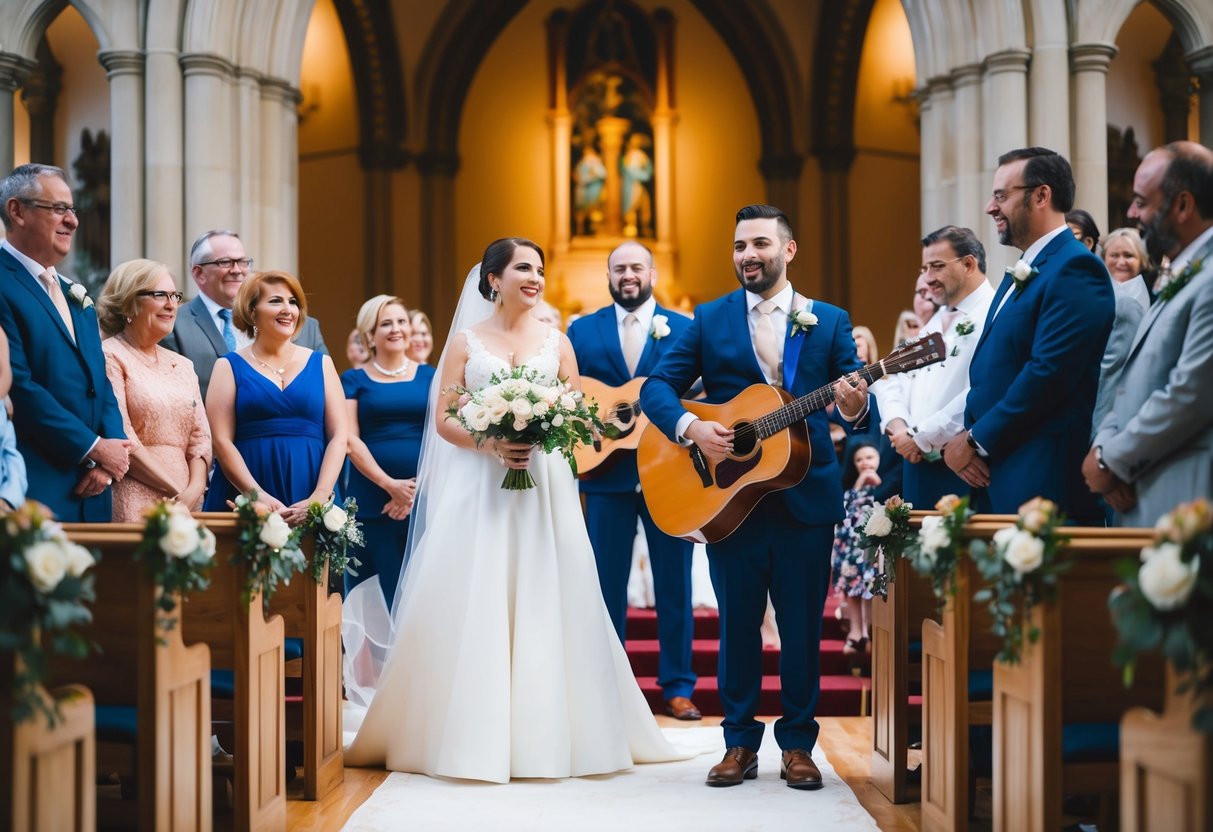
Playing music without the right permissions can lead to legal issues and unexpected costs. Understanding copyright rules will help you avoid any trouble, allowing you to enjoy your day without concern. You will find various options for obtaining the necessary licenses or exploring copyright-free music to keep the celebration going.
As you dive into the details of getting your music just right, keep in mind how much fun you can have while ensuring everything is in order. Sorting out the permissions ahead of time means you can focus on making memories with your loved ones.
Understanding Music Licensing
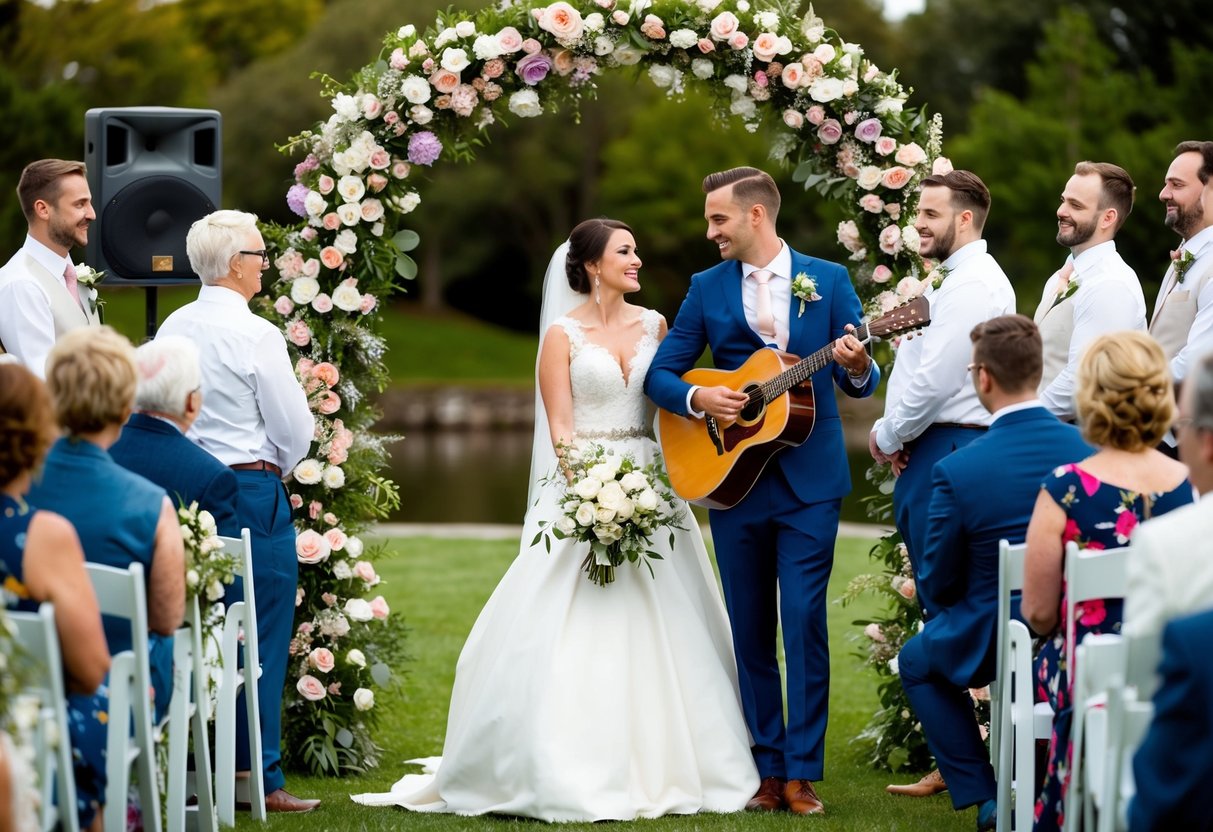
When planning your wedding, understanding music licensing is important. It ensures that you can legally play the songs you love without any worries about copyright issues. Here’s what you need to know to navigate the world of music rights.
The Basics of Music Rights
Music rights refer to the legal permissions required to use a song. These rights vary depending on how you intend to use the music. The main types are performance rights, which allow you to play music publicly, and synchronization rights if you’re using music in a wedding video.
In most cases, playing copyrighted songs needs a public performance license. This fee compensates the songwriters and producers. You may also need a master license if using a specific recording of a song. Knowing these basics helps avoid copyright infringement.
The Role of Performing Rights Organizations
Performing Rights Organizations (PROs) like ASCAP, BMI, and SESAC help manage music rights. They collect and distribute performance royalties for songwriters and composers. These organizations play a key role in licensing for weddings.
When you obtain a license from a PRO, it usually covers a wide range of songs. However, remember that each PRO represents different artists and songs. So, you may need licenses from multiple organizations, especially if your playlist includes songs from different PROs.
Types of Music Licenses
There are several types of music licenses to consider for your wedding. Here are the most common:
- Public Performance License: Needed for playing music in public settings, like your wedding venue.
- Sync License: Required if you want to use music in a video, like your wedding highlights.
- Master License: Covers the specific recording of a song.
- Mechanical License: Needed when you record a song to sell or distribute.
Each license has its own fees and requirements, which can vary by location. It’s best to check with your venue to see what licenses they may already possess or what additional licenses you might need.
Permissions and Exclusions
When planning a wedding, understanding music permissions is important. Different rules apply depending on the event type and context. Here’s what you need to know.
Public Performance and Private Events
For a wedding, you usually need a performance license. This is because playing music publicly involves copyright laws. Organizations like ASCAP or BMI offer blanket licenses that cover many songs. If you hire a DJ or band, they often have this license, so check with them. If you’re using a streaming service, make sure it’s compliant with licensing laws, too.
Playing in a private setting, like your home, may have different rules. However, once it’s an event open to guests, the need for a license becomes relevant. Failing to secure this can lead to unwanted legal issues.
Special Cases: Worship and Non-Profit Events
If you’re having a ceremony at a place of worship, the rules can be a bit different. Many religious institutions already have licenses for music use during services. This includes weddings held in churches or temples. It’s smart to ask the administration about existing permissions before your event.
For charitable functions or non-profit events, the same applies. These events can sometimes be treated similarly to private events. However, if they’re public, you may still need a performance license. Always double-check the guidelines beforehand to ensure compliance.
Understanding Exemptions and Fair Use
There are some cases where music can be played without needing permission. These are often referred to as exemptions or fair use. For example, using short clips may not require licensing if it’s for commentary, news, or educational purposes.
At a wedding, though, this is tricky. Playing a full song isn’t likely to fall into the fair use category. Exemptions mainly cover specific circumstances rather than general celebrations. Always err on the side of caution and secure proper permissions to avoid issues later.
Practical Considerations for Wedding Music
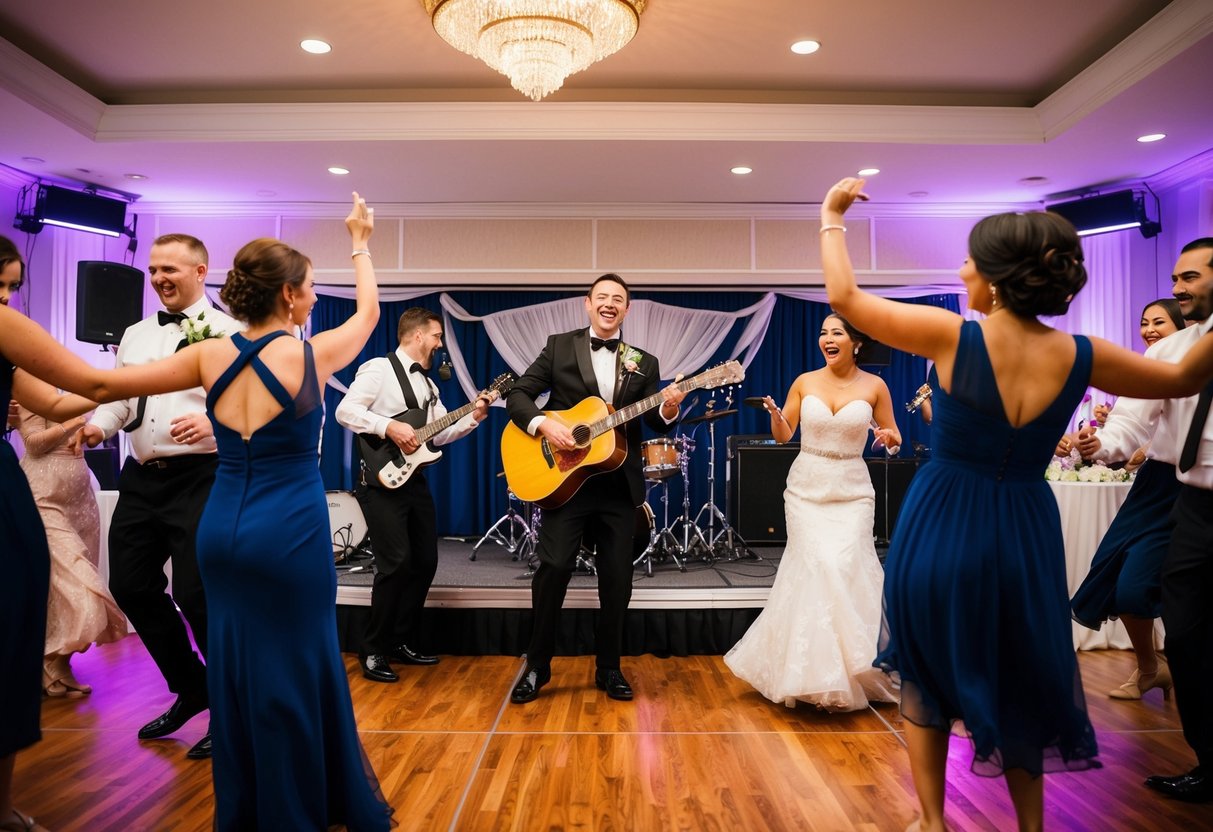
Choosing the right music for your wedding involves understanding various options and the legalities that accompany them. The decisions you make about music can affect both your wedding experience and your obligation to follow copyright laws.
DIY Music Solutions vs. Hiring a Band
If you’re considering playing music yourself, platforms like Spotify can offer a wide variety of song choices. However, keep in mind that just creating a playlist doesn’t mean you’re cleared to play those songs at a public event.
Hiring a live band can bring a unique vibe to your wedding. Live musicians often handle the necessary licensing, making it easier for you. Plus, a band can read the crowd and adjust the music to fit the mood. When weighing your options, consider your budget and desired atmosphere.
Securing the Appropriate Music Licenses
Before your big day, check if you need to secure music licenses. Often, DJs and live bands obtain these licenses for you. However, if you’re using personal playlists, you need to get permission.
Different organizations, like ASCAP and BMI, manage the rights to many popular songs. You may need to pay fees for the songs you wish to play. Misunderstanding music licensing can lead to unexpected legal issues. Be sure to clarify this early on.
Music in Public Domain and Other Alternatives
Consider using music that is in the public domain. This means you can use these pieces without worrying about copyright laws. Classical compositions often fall into this category.
Another option is to use original songs composed by friends or family. This adds a personal touch to your wedding. You could ask someone to play a song they wrote just for your big day.
Also, check for royalty-free music for a budget-friendly option.
By exploring these practical considerations, you can ensure a memorable musical experience at your wedding.