
Do You Need Permission to Play a Song at a Wedding? Understanding the Basics
Planning your dream wedding involves many details, and music plays a big part in setting the mood. When it comes to playing songs at your wedding, you generally need permission if you’re using copyrighted music. This means that whether you’re hiring a DJ or making a playlist, understanding copyright laws is essential to avoid any legal issues.
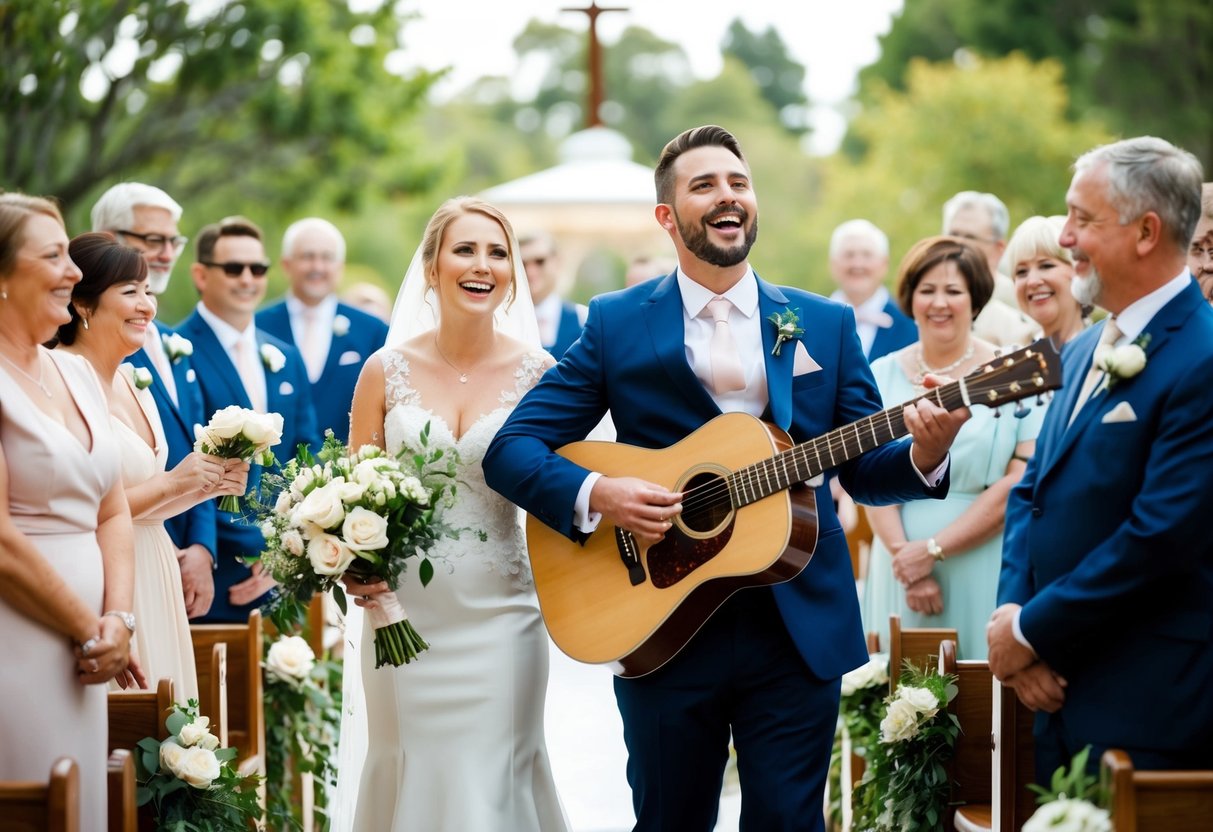
Imagine walking down the aisle to your favorite song, only to discover later that you were supposed to get a performance license. This can lead to unexpected consequences, including fines. Being informed can save you from stress and help ensure your special day goes off without a hitch.
There are ways to enjoy music legally at your wedding. Exploring options like licensed DJs or royalty-free music can keep the celebration lively while respecting copyright laws. Knowing your choices helps you create the perfect atmosphere for you and your guests.
Understanding Music Copyright
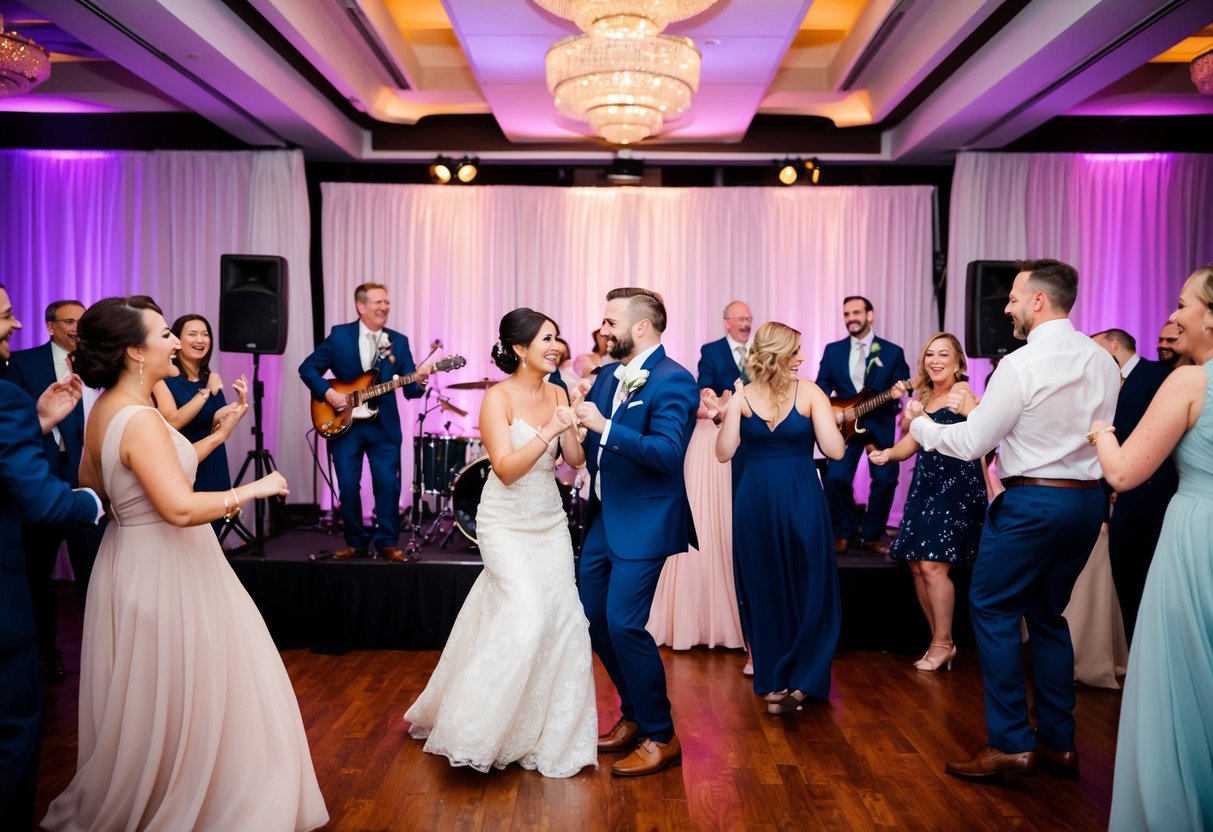
When it comes to playing music at your wedding, understanding music copyright is crucial. Copyright laws protect the rights of songwriters and composers, ensuring they receive credit and payment for their work. You need to know about public performance rights and the role of performing rights organizations (PROs) to navigate this area successfully.
Basics of Copyright Laws
Copyright laws safeguard music from unauthorized use. They give the creator exclusive rights to reproduce, distribute, and perform their work. Once a song is created, it is automatically protected by copyright, usually for the life of the composer plus 70 years.
If you want to play a copyrighted song at your wedding, you typically need permission. This includes songs played by DJs, live bands, or even recorded music played through speakers. Ignoring copyright laws can lead to copyright infringement, which might involve fines or legal action.
Public Performance Rights
Public performance rights are necessary for playing music at events like weddings. This means that when you play a song in a public setting, you must obtain a license to do so. This typically applies to any venue where people gather to listen, including private events that are not closed off.
You can often secure these rights through PROs like ASCAP, BMI, SESAC, or GMR. Each organization handles a large catalog of music and has licensing agreements that allow for public performances.
Role of Performing Rights Organizations
Performing Rights Organizations (PROs) play a vital role in managing music copyright. They help track when and where songs are played and ensure that songwriters and composers receive royalties. If you use music at your event, you may need to reach out to these organizations.
ASCAP, BMI, SESAC, and GMR are a few of the major PROs in the U.S. Each has its own licensing fees and processes. Most of the time, the fees are quite reasonable and worth it for the peace of mind they provide. Working with these organizations ensures that the legal rights of the creators are respected while you enjoy the music at your wedding.
Music Licensing for Weddings
When planning your wedding, understanding music licensing is important. You’ll need to know about different types of licenses, how to obtain them, and any potential exemptions available for your event.
Types of Music Licenses
There are several types of music licenses that you may need for your wedding. The most common is the public performance license, which is required if you plan to play recorded music or hire a band. This license ensures that songwriters and artists get paid for the use of their work.
Another important license is the blanket license. This allows you to play a wide range of songs from various artists. If you choose to use a DJ, they often have this license.
If you want to use specific songs in a video, you might need a sync license. For any physical copies of music, a mechanical license is required. Understanding which licenses apply to your situation is crucial.
Obtaining a Music License
Getting a music license for your wedding involves a few steps. First, determine what type of music you will use. If you plan to have live music, most bands should already have the necessary licenses.
For recorded music, contact a Performance Rights Organization (PRO) like ASCAP or BMI. They can help you obtain the required performance license. Make sure to check with your venue, as many venues hold a blanket license that may cover any music played.
If you’re unsure, it’s best to reach out to the musicians or your DJ. They will often have the right licenses in place.
Exemptions and Fair Use
In certain cases, you may not need a music license. Private events, like family-only weddings, might be exempt from some licensing requirements. However, when your event is open to the public, even if just a few guests aren’t family, the rules change.
Fair use also provides some leeway but can be tricky to navigate. It’s typically limited to educational or nonprofit events, not for weddings.
If you enjoy live performances in a place of worship, special guidelines might apply. Always check the specific regulations of your venue to ensure you’re compliant.
Special Considerations Based on Venue
When planning to play music at your wedding, where the event is held can affect your licensing needs. Different venues have unique rules and requirements regarding music usage. Here are some key points to consider based on specific types of venues.
Place of Worship vs. Private Venue
If your wedding takes place in a place of worship, special guidelines often apply. Many religious venues may have their own policies about playing music, especially if it comes to secular songs. It’s wise to check with the venue first, as they may already have a license covering certain performances.
On the other hand, a private venue typically allows more flexibility. You still need to ensure the venue has the proper licenses. If not, you could be responsible for obtaining a performance license yourself. This is especially true if you want to play copyrighted songs.
Corporate Events and Trade Shows
For corporate events and trade shows, the rules can vary significantly. Often, companies secure licenses through Performing Rights Organizations (PROs) like ASCAP or BMI. These licenses are crucial for protecting the rights of songwriters and ensuring that you’re legally covered.
If you plan to play music during a corporate gathering, confirm with the venue about existing licenses. If music is part of a promotional activity, it’s possible additional fees may apply. The last thing you want is a disruption due to licensing issues, so be proactive.
California Specific Regulations
In California, the rules surrounding music licensing can be particularly strict. If your wedding venue is hosting live or recorded music, they should have clear licensing agreements in place. California has a strong focus on protecting artists’ rights.
Take note that many venues will include licensing fees in your rental agreement. This means you could pay a flat fee that covers all music played during your event. Always ask upfront to clarify any hidden costs. Checking if the venue has the necessary permits can save you from unexpected legal troubles.
Alternatives and Considerations for Music at Your Wedding
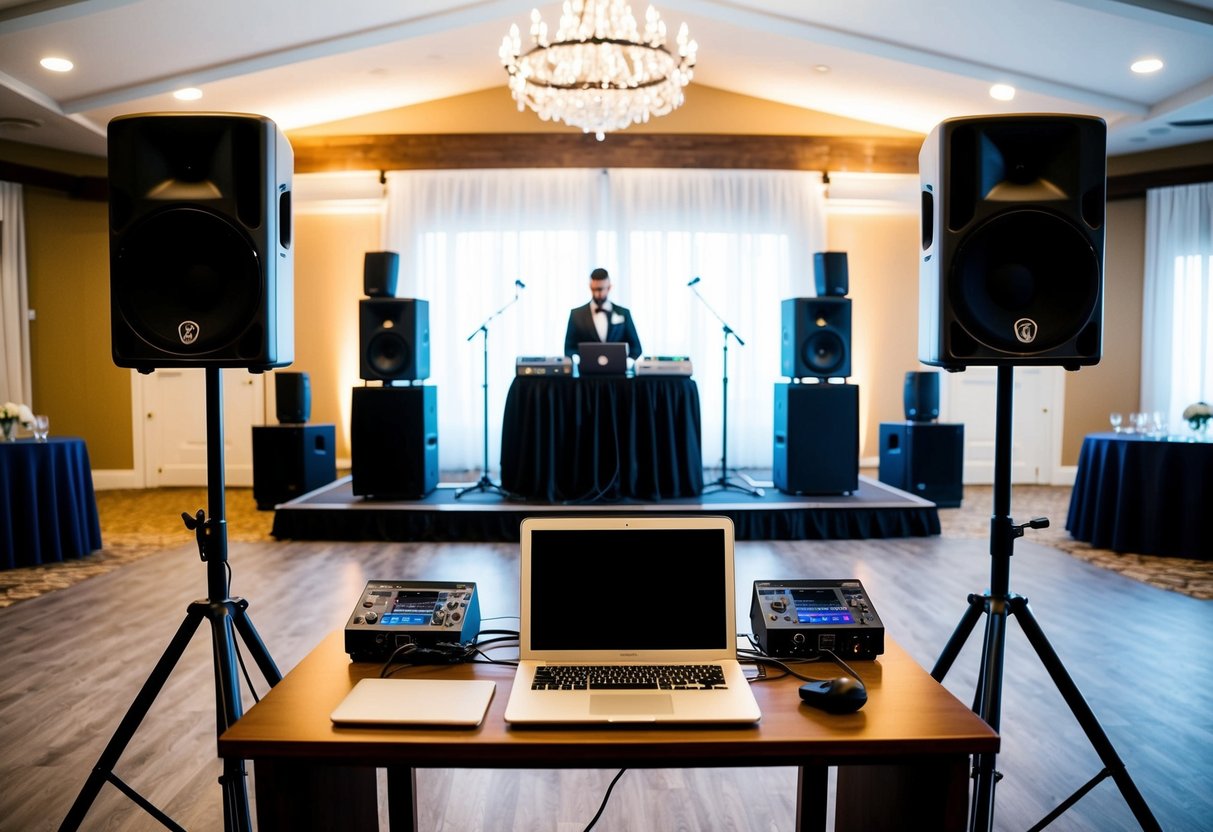
When planning your wedding music, you have several options that can help you avoid copyright issues. It’s essential to consider using music that doesn’t require permission or has fewer restrictions. Here are some choices that could work well for your special day.
Using Public Domain or Royalty-Free Music
Public domain music is a great choice for weddings as it is free to use without needing permission. This includes classical pieces that have stood the test of time. There are various platforms offering royalty-free music, which means you pay a one-time fee and can use the songs for your event.
You can find playlists specifically for weddings featuring romantic and upbeat tunes that fit the occasion. Artists who create royalty-free music often have many styles available, so you can easily find something that suits your theme. Just double-check the licensing before use to ensure compliance!
Live Band vs. Recorded Music
Choosing between a live band and recorded music can be a tough decision. A live band can create a unique atmosphere, allowing for real-time interaction with your guests. Just keep in mind that hiring a band may involve additional costs and the need for potential music licenses.
On the other hand, recorded music is often more budget-friendly and easier to manage. With options like Spotify, you can create your own playlists tailored to your preferences. However, ensure you have the right licenses, especially if you plan to host a large event or broadcast the music publicly.
Digital Streaming Services and Licenses
Using digital streaming services like Spotify can simplify your music choices for your wedding. Many couples find it easy to curate the perfect playlist for different parts of the day.
However, streaming services can be convenient. But remember that you may still need to consider music rights. Certain sites limit usage unless you pay the necessary performance royalties. It’s always good practice to verify this beforehand to avoid any legal complications during your celebration.