
Do You Need Qualifications to Be a Wedding Photographer? Exploring the Essentials for Success
As you consider a career in wedding photography, you might wonder about the qualifications needed for this exciting field. While formal qualifications are not strictly necessary, having strong photography skills and a good understanding of lighting and composition can significantly enhance your work. Many successful wedding photographers start with just a passion for capturing beautiful moments and learn through practice and experience.

Wedding photography is about more than just taking pictures; it’s about telling a couple’s unique love story. Your ability to connect with clients and understand their vision is just as important as your technical skills.
Building a solid portfolio and gaining experience can help you stand out in a competitive industry, even without a degree in photography.
If you’re committed to improving your craft, there are many resources available to help you develop your skills. From online courses to workshops, you can find valuable tools to refine your techniques and become the wedding photographer you aspire to be.
Whether you’re starting out or looking to elevate your existing work, understanding the balance between skills and qualifications is key to your success.
Essential Skills and Qualities for Wedding Photographers
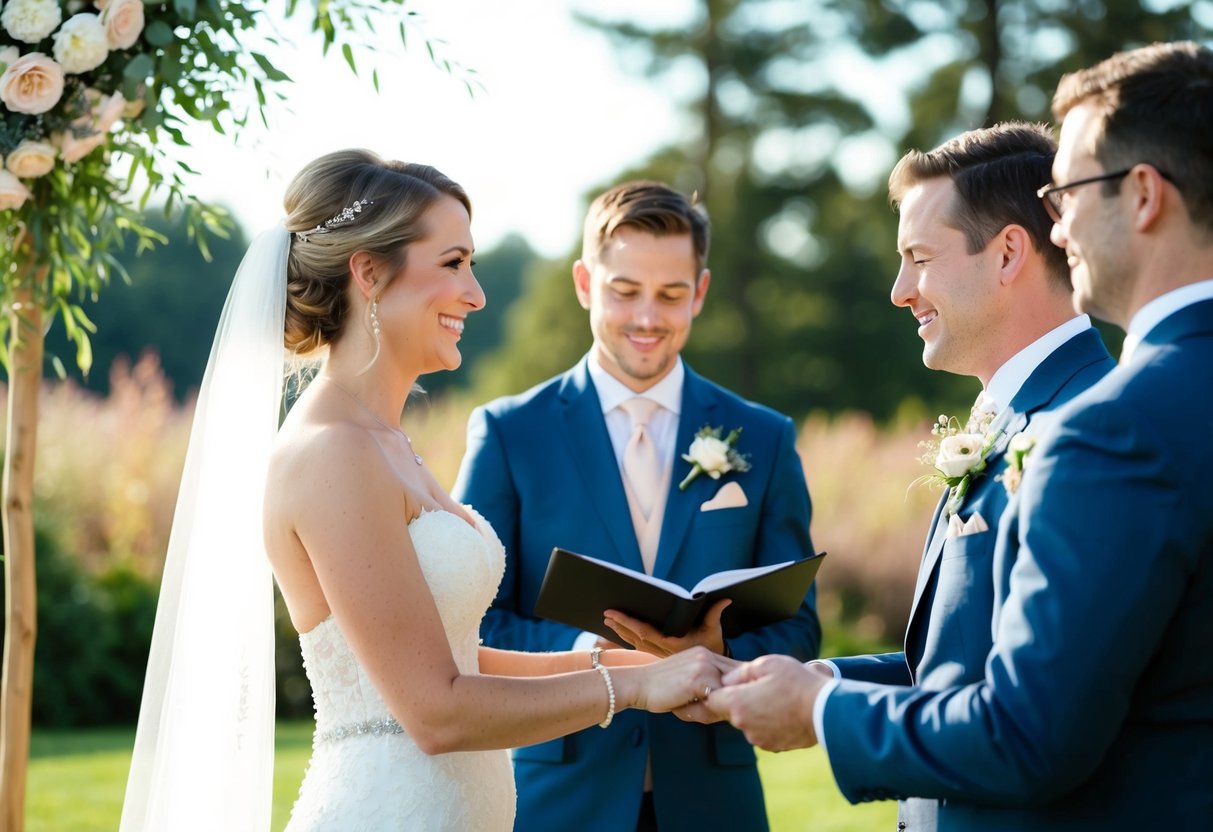
To succeed as a wedding photographer, you need a mix of technical skills and personal attributes. Understanding photography fundamentals is key. Additionally, your ability to interact well with clients can make a big difference. Let’s explore these essential skills further.
Mastering Photography Fundamentals
Your photography skills form the backbone of your work. Understanding camera settings, lighting, and compositions helps you capture stunning images. Knowledge of different lenses and their uses can also enhance your ability to tell a story through photos.
Pay attention to the details, such as framing and focus. This is crucial for both posed and candid moments. Make use of various techniques, like depth of field, to create impactful images that resonate with couples. Continuous learning, through workshops or online courses, sharpens your skills further.
Building Strong Interpersonal Skills
Interpersonal skills are vital in wedding photography. Being friendly and approachable helps clients feel comfortable in front of the camera.
Strong communication skills enable you to understand their vision. Active listening plays a key role when discussing important details. Couples often have specific requests for capturing moments, so your ability to listen ensures you meet their expectations.
Building rapport can lead to more natural expressions in your photos.
Being adaptable is another important trait. Weddings can have unexpected changes, and your ability to navigate these situations while maintaining positive interactions is valuable.
Enhancing Creativity and Composition
Creativity is essential for standing out as a wedding photographer. Use your imagination to capture unique angles and moments that others may miss. Experiment with different compositions to add variety to your portfolio.
Consider the emotional aspect of the day. Candid moments often tell the best stories, so focus on genuine emotions between family and friends, not just posed pictures. This creates a more authentic account of the day for couples to cherish.
Developing a personal style also helps you attract clients whose visions align with yours. Study other photographers and gather inspiration to refine your own creative voice.
Understanding the Importance of Time Management
Time management is crucial to your success. Weddings follow a tight schedule, and keeping things running smoothly is your responsibility.
Organize your time effectively to capture all important moments without rushing. Create a timeline for the day. Work closely with wedding planners to ensure you’re prepared for key events, like the first look or cake cutting.
This preparation allows you to capture moments without feeling stressed. Remember to factor in travel time between locations. Strong organizational skills will help you navigate the day seamlessly. This not only makes your job easier but also enhances the trust couples have in you.
Building a Professional Wedding Photography Portfolio
Creating a strong wedding photography portfolio is key to attracting clients. Your portfolio showcases your best work and tells a story through images. It should reflect your unique style and skills.
Showcasing Your Best Work
When building your portfolio, focus on displaying your best wedding pictures. Choose images that highlight your ability to capture emotions, details, and moments.
Think about variety—include shots of the ceremony, reception, and candid moments. Aim for a balanced selection. Include wide shots that capture the venue and intimate portraits that showcase the couple’s connection.
Limit your portfolio to around 15-20 images to keep it impactful. Quality is more important than quantity. You want potential clients to see the artistry in your work.
Leveraging Styled Shoots for Diverse Content
Styled shoots are an excellent way to add diverse content to your portfolio. They allow you to collaborate with other vendors to create beautiful setups without the pressure of a real wedding day.
Coordinate with florists, planners, and models to create unique scenes. This gives you the freedom to experiment with lighting, composition, and storytelling. You can showcase different styles—rustic, elegant, modern—so potential clients can see your versatility.
Make sure to market these styled shoots on your website and social media. They serve as a great supplement to real wedding photos and show your creative approach.
Utilizing Editing Software for Post-Processing
Editing software is essential for post-processing your wedding pictures. Programs like Adobe Lightroom and Photoshop allow you to enhance your images and ensure they reflect your style.
Start with basic adjustments like exposure and color correction. Then, move on to more creative edits.
Remember that subtlety is vital. You want your images to look natural while still benefiting from editing.
Creating a cohesive look across your portfolio is important. This helps potential clients understand your photographic style. Showcase before and after images that highlight your editing skills to demonstrate the transformation of your photos.
The Business Side of Wedding Photography

Running a successful wedding photography business involves understanding marketing, networking, and the specific dynamics of the wedding industry. Each of these elements is crucial for attracting clients and building a solid reputation.
Marketing Your Photography Services
To market your photography services effectively, start by building a strong online presence. Create a professional website that showcases your portfolio.
Use social media platforms like Instagram and Facebook to share your best work. Consider using targeted ads to reach couples planning their weddings.
Utilize business cards to promote your services at wedding fairs or local events. Share quality content that reflects your style.
Also, leverage referrals. Encourage satisfied clients to spread the word. Offer incentives such as discounts for clients who refer you to others.
Networking and Building a Solid Client Base
Networking plays a key role in your success. Attend local wedding expos and events to meet potential clients and other vendors.
Connect with wedding planners, florists, and venues. They can refer clients to you. Consider joining photography associations or local business groups. These networks can provide support and new opportunities.
As you gain experience, maintain a client database. Keep track of past clients and follow up with them. Sending personalized messages can lead to new bookings or referrals.
Understanding the Wedding Photography Industry
Get familiar with the wedding industry to better serve your clients. Research trends in wedding photography. Know what styles are popular and what couples expect.
Understanding pricing in this field is essential. A wedding photographer’s salary can vary widely based on experience and demand. Set prices that reflect your skill level and market understanding.
Stay updated on the job outlook for wedding photographers. The industry can be competitive but rewarding. By staying informed, you can position yourself effectively and adapt to changes in the market.
Gear and Equipment for Exceptional Wedding Photography
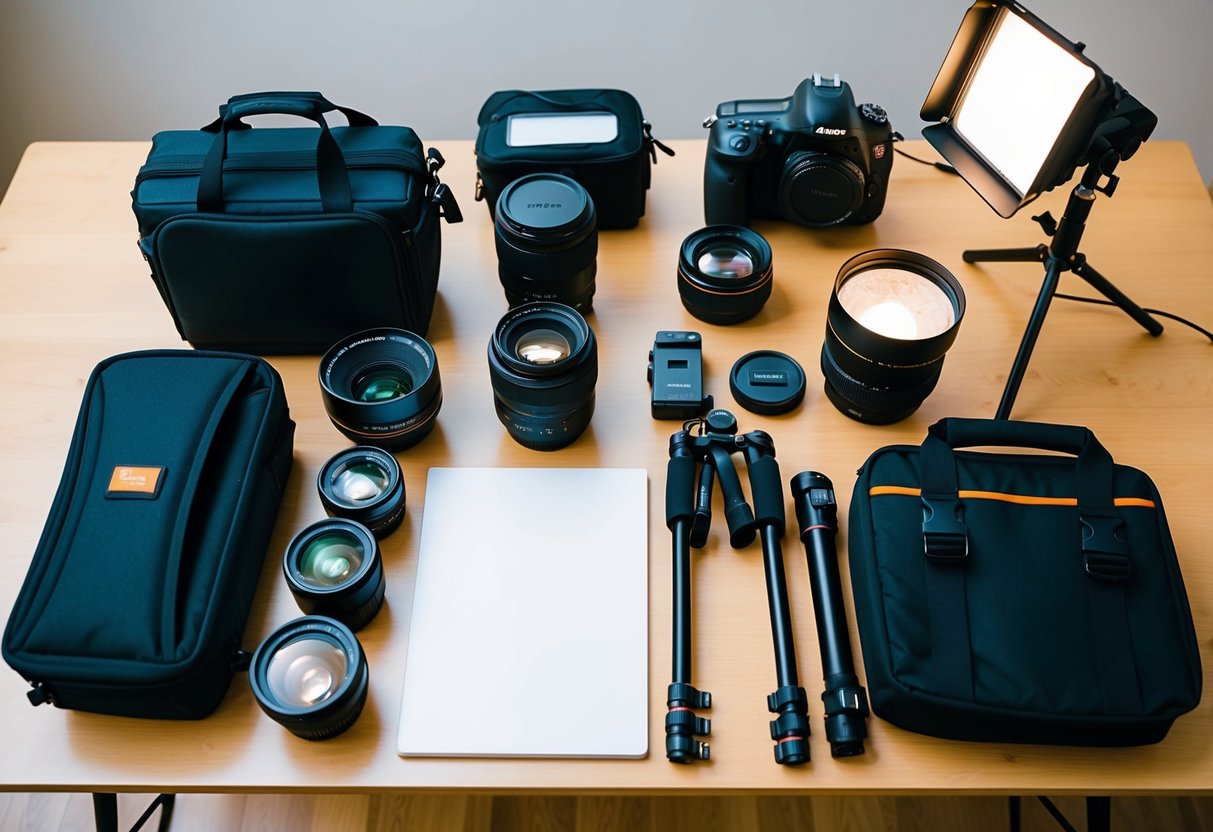
To capture beautiful wedding moments, you need the right gear. More than just a good camera. Here’s what you should consider:
1. Camera
A DSLR or mirrorless camera is preferred. These types offer great image quality and performance in various lighting.
2. Lenses
Different lenses help you capture various scenes. Consider these options:
- Wide-Angle Lens: For large groups and venues.
- Prime Lens: Great for portraits and low light.
- Telephoto Lens: Perfect for capturing intimate moments from afar.
3. Lighting Equipment
Good lighting is crucial for stunning photos. Use:
- External Flash: Helps brighten scenes, especially indoors.
- Reflectors: These bounce light and reduce shadows.
4. Lighting Techniques
Mastering techniques can enhance your photos. Try using natural light during the ceremony. When indoors, combine flash with ambient light for softer images.
5. Additional Photography Equipment
Don’t forget:
- Tripod: For stable shots during low light.
- Backup Items: Spare batteries and memory cards are essential.