
Do You Need Two Photographers at a Wedding?
A second photographer is worth booking when your wedding has simultaneous events, separate locations, a large guest list, or a packed timeline. For a large or logistically complex wedding, two photographers provide more complete coverage because they can document different moments at the same time.
A small, single-location celebration may receive excellent coverage from one skilled wedding photographer.
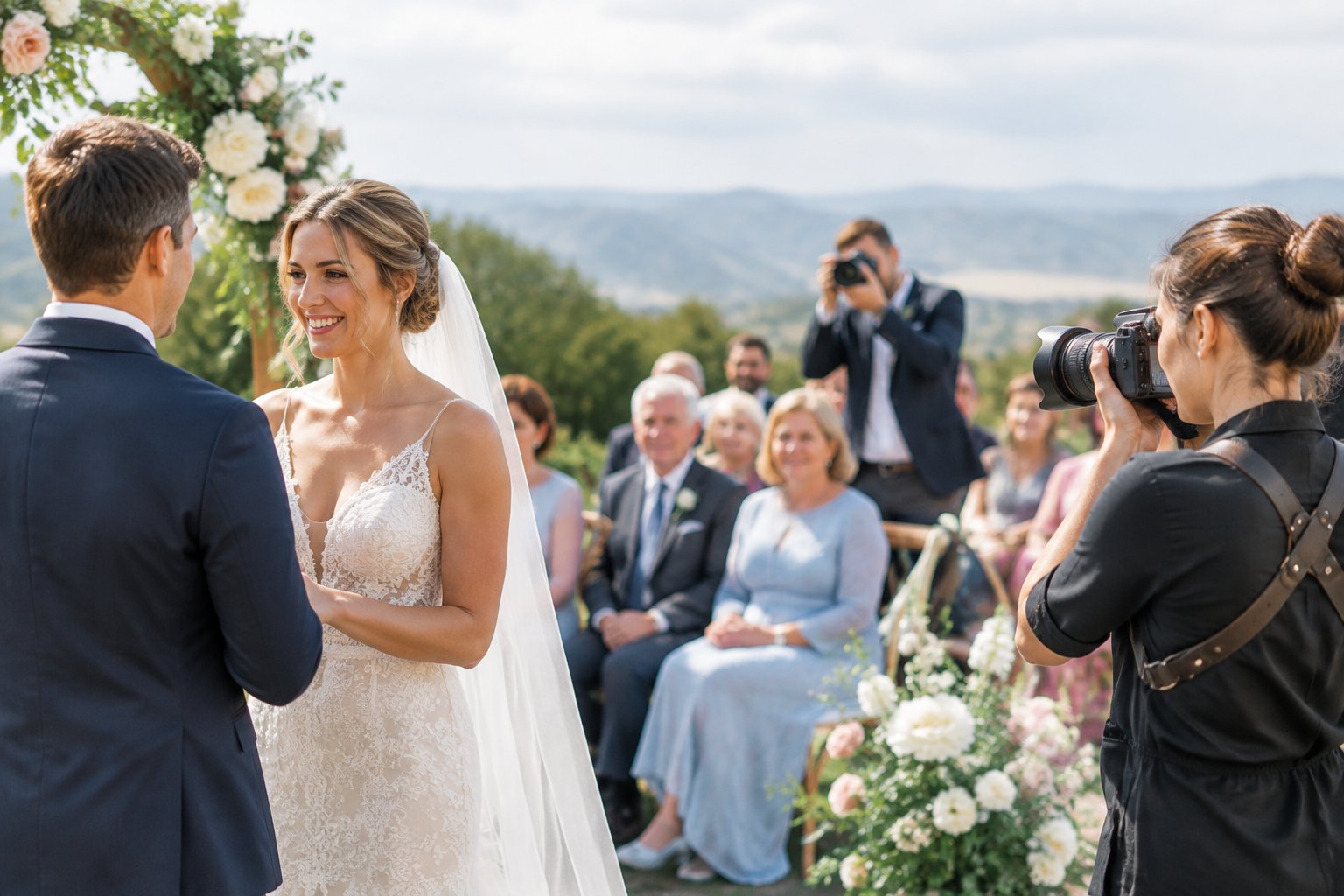
Your choice affects more than the number of images in your gallery. Two photographers can capture both partners getting ready, a parent’s reaction during the ceremony, and guests enjoying cocktail hour while you are taking portraits.
One photographer can offer a calmer, more focused experience when your schedule is simple.
Start by mapping your wedding day on paper. Mark every moment that happens in different places or at the same time, then ask your photographer how they would cover it.
If you would like help choosing coverage that fits your plans, explore wedding photography ideas before you book.
The Short Answer: When Two Photographers Are Worth It
Two photographers are worth the added cost when your wedding has overlapping events, multiple locations, or enough guests that one person cannot move between important moments quickly. A small wedding with one venue and a relaxed schedule can work well with one experienced wedding photographer.
Your timeline, venue layout, and guest priorities give you a clearer answer than a fixed guest-count rule. Consider where each photographer needs to be during preparation, the ceremony, portraits, dinner, and dancing.
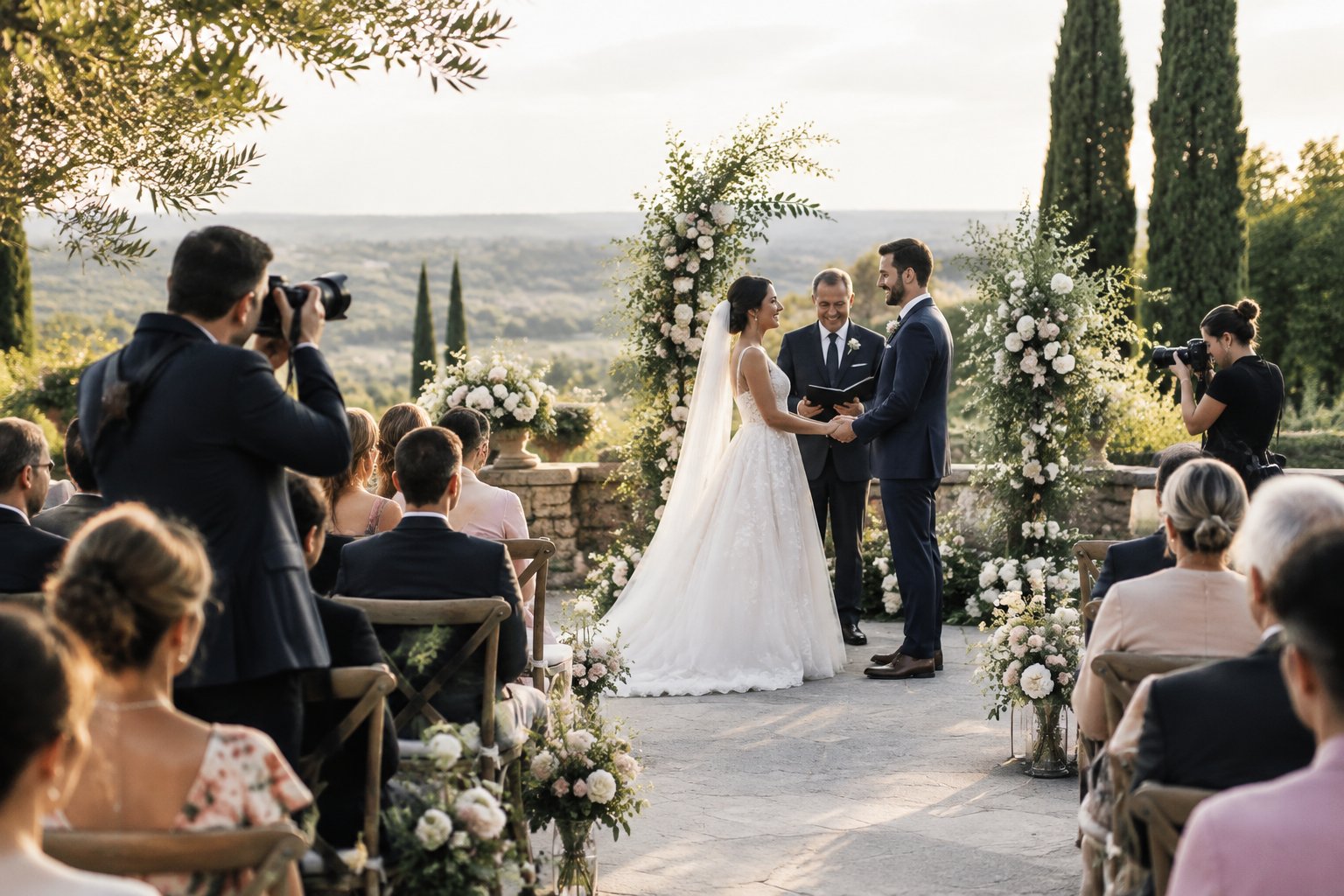
When One Photographer Is Usually Enough
One photographer can cover your day well when:
- You are hosting a small wedding or intimate wedding.
- Preparation, ceremony, and reception happen at one location.
- Both partners get ready in nearby rooms.
- Your timeline includes room for portraits and family photos.
- You prefer a smaller creative team around you.
A skilled photographer can plan the order of events, prepare for key moments, and work efficiently through family portraits. Ask to see full galleries from weddings with a similar size and schedule before you decide.
The Logistics Test: Can One Person Cover What Matters Most?
Write down every important moment and location from the same time period. If one person must choose between two meaningful events, a second photographer adds clear value.
For example, your partner may be greeting guests while you finish portraits. One photographer cannot be in both places.
The same challenge appears when one photographer is photographing reception details while guests enter or when family members gather in separate rooms.
Share your complete timeline with each wedding photographer you interview. Their response will show whether the plan works with one person.
Why Guest Count Is a Clue, Not a Rule
Guest count affects how quickly a photographer can move through a room and document personal interactions. A large wedding creates more people, tables, reactions, and activity to cover.
A 60-person wedding in a spread-out venue can require more coverage than a 120-person celebration held in one compact space.
Use guest count as a starting point, then add the venue, timeline, and photography style. Documentary wedding photography relies on brief, unscripted moments, so a second perspective becomes valuable when many guests are active at once.
What a Second Photographer Does on the Wedding Day
A second photographer works alongside the lead photographer to cover separate places, alternate viewpoints, and moments that happen at the same time. The second shooter supports the lead’s plan while creating additional images with a consistent style.
The role should be defined before the wedding. Your contract should state who will attend, how long the second wedding photographer will work, and who edits the final gallery.
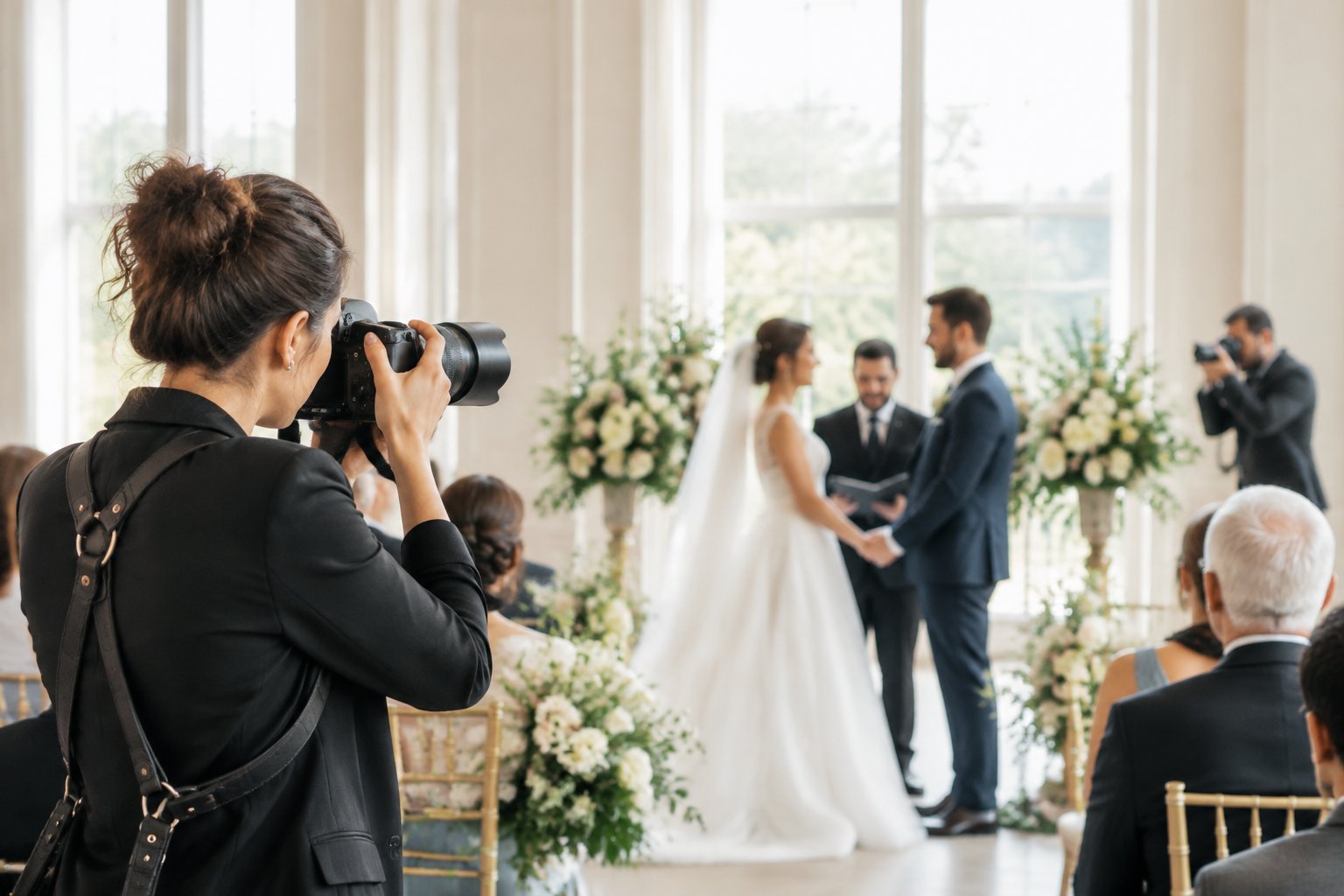
How the Lead Photographer and Second Shooter Work Together
The lead photographer manages your timeline, directs portraits, handles family formals, and sets the visual plan. The second shooter fills coverage gaps, photographs supporting moments, and communicates with the lead throughout the day.
A strong team agrees on locations, timing, camera positions, and priorities in advance. Ask whether the two photographers work together regularly and how they share notes during a busy schedule.
Covering Separate Getting-Ready Locations
Separate getting-ready locations are one of the clearest reasons to add a second photographer. One photographer can stay with each partner while hair, makeup, dressing, and family interactions unfold.
This coverage gives you preparation photos from both sides of the day. It also reduces travel pressure and allows the lead photographer to arrive at the ceremony with enough time to prepare.
Capturing Different Views During the Wedding Ceremony
During the wedding ceremony, one photographer may focus on the person walking down the aisle while the other photographs the partner’s reaction. The team can also cover parents, wedding party members, readings, and guests without moving around the ceremony space too much.
Ask your photographers how they handle aisle positions and venue restrictions. Their plan should protect the ceremony’s flow while giving you more than one viewpoint.
Splitting Portraits, Cocktail Hour, and Reception Coverage
Two photographers can divide responsibilities during portraits and cocktail hour. One may guide couple portraits while the other photographs reception details, candid guest moments, or the wedding party.
At the reception, one photographer can stay near the couple during entrances, toasts, and dances while the second documents reactions across the room. This approach helps preserve the atmosphere beyond the main action.
The Biggest Benefits of a Two-Photographer Team
The strongest benefit of two photographers is broader coverage when meaningful moments overlap. You gain more viewpoints, faster transitions, and additional attention for family photos and guests.
The team also gives you more flexibility when your timeline changes. If portraits take longer or a room opens late, one photographer can continue the main plan while the other captures nearby activity.
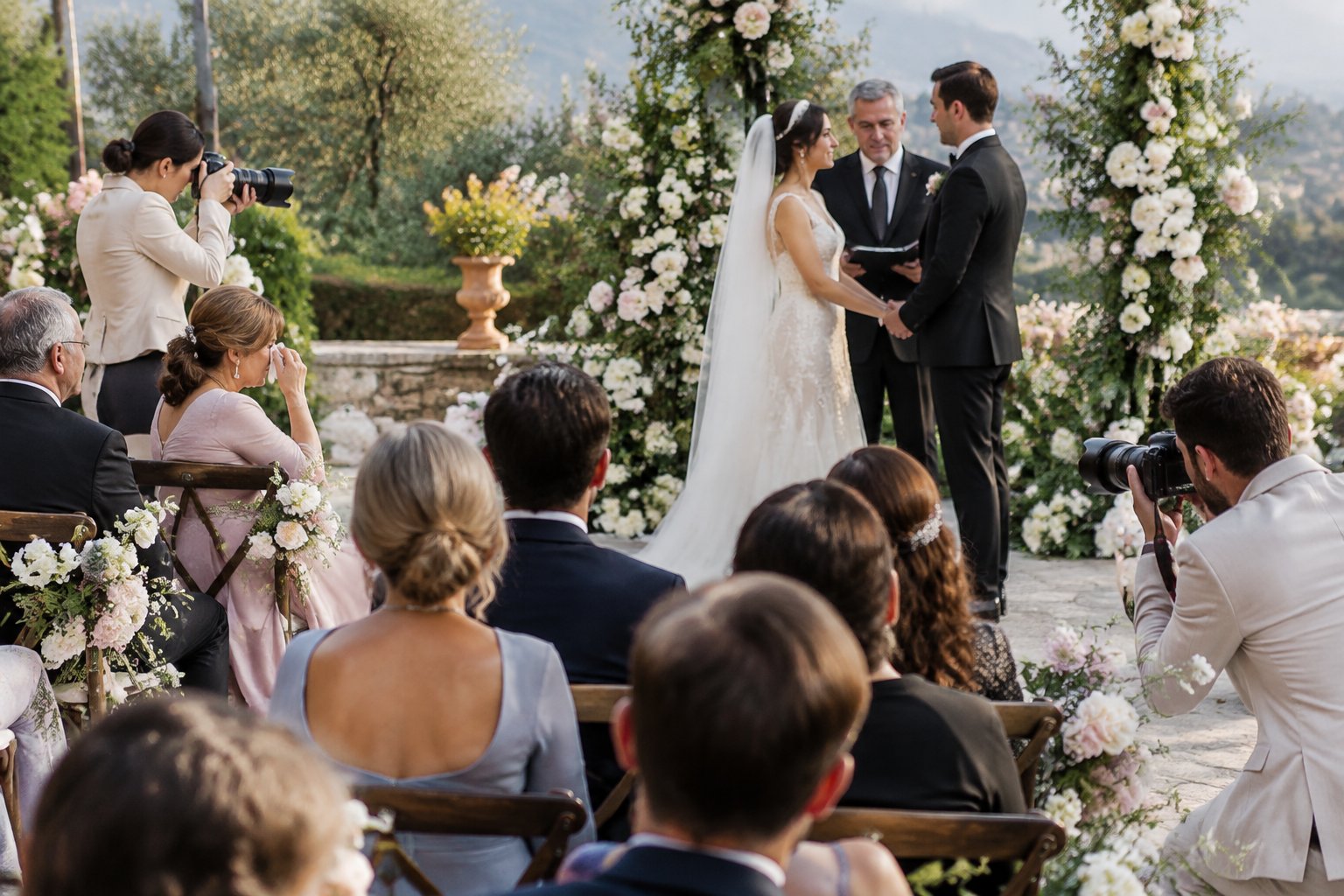
More Complete Coverage of Simultaneous Moments
Wedding days contain many short events that happen together. While one photographer documents the processional, another can capture family reactions.
During dinner, one can photograph your table while the other records guests across the room. This coverage is valuable when you care about the full experience, including moments you could not see in person.
More Guest Reactions and Candid Guest Moments
A second photographer can move through the guest area while the lead stays with you. That creates room for candid guest moments during cocktail hour, dinner, dancing, and conversations between formal events.
You also receive more family reactions and expressions from friends who spend the day celebrating with you.
Extra Help With Family Formals and Group Shots
Family formals move more smoothly when a second shooter helps gather people and checks the group list. The lead photographer can direct the pose and lighting while the second photographer locates missing relatives or prepares the next group.
This support helps when you have a large family list, a big wedding party, or limited time between the ceremony and reception.
Alternative Angles for the First Look and Key Events
A second photographer can photograph your first look from a different position while the lead focuses on the main reaction. The same approach works for the ceremony entrance, first dance, speeches, cake cutting, and dances with parents.
Two viewpoints give your gallery more visual variety while keeping the day’s story connected.
A Practical Backup for Gear or Timeline Problems
A two-person team brings an extra professional presence if a camera issue, travel delay, or timeline change affects coverage. The photographers can adjust positions and responsibilities while one person handles the immediate problem.
Ask how equipment backups and emergency coverage are handled before signing your agreement. The contract should explain the team’s responsibilities.
When a Second Shooter May Not Add Enough Value
A second shooter may add limited value when your wedding is small, takes place in one location, and follows a relaxed schedule. One photographer can give you a cohesive documentary wedding photography gallery when the day has few overlapping events.
Your comfort also deserves attention. Some couples enjoy the energy of a team, while others want fewer people nearby during private moments.
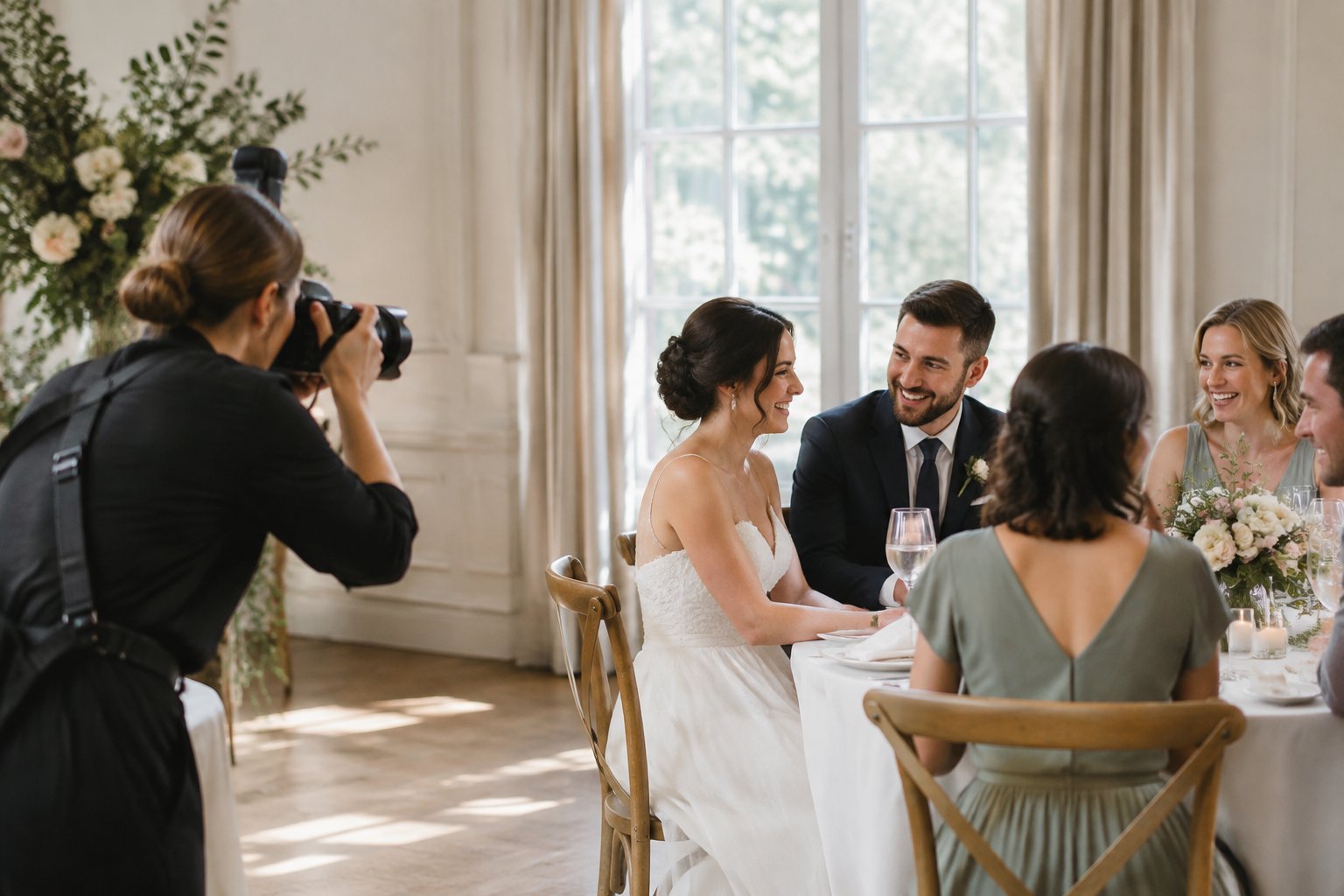
Small, Single-Location Celebrations
A small wedding with preparation, ceremony, portraits, and reception at one venue gives one photographer a manageable route through the day. An intimate wedding with a short guest list may not create enough simultaneous activity to justify a second shooter.
Ask your photographer to create a sample timeline for one-person coverage. That plan can reveal whether the extra photographer solves a real problem.
When More Cameras Would Feel Intrusive
Some couples prefer a quiet, personal atmosphere during preparation, vows, and portraits. An additional photographer brings another person, camera, and set of movements into those spaces.
Tell your photographer how much direction and presence you want. A solo photographer may suit you better if privacy and simplicity guide your wedding plans.
When a Simpler Timeline Solves the Problem
You can reduce coverage pressure by holding events at one venue, allowing travel time, and scheduling portraits away from major activities. A well-planned timeline lets one photographer move through the day without rushing.
Share your draft with your photographer and planner. Their practical feedback can show whether extra coverage or a schedule adjustment is the better use of your budget.
Why More Images Do Not Always Mean a Better Gallery
A second photographer can increase the number of delivered images, yet volume alone does not guarantee a stronger gallery. Consistent editing, thoughtful composition, and meaningful coverage shape how your wedding story feels.
Review full galleries from the lead photographer. Confirm that the second shooter’s work will receive the same editing style and selection standards.
How to Compare Packages and Choose the Right Coverage
Choose a wedding photography package by comparing the lead photographer’s work, coverage hours, second-shooter duties, editing, and total cost together. The extra photographer should solve specific coverage needs in your timeline.
Look beyond a package label such as “two photographers.” Ask what the team will do, when each person will arrive, and how the images will be selected.
Questions to Ask Before Adding a Second Photographer
Ask these questions before adding a second photographer:
- Which parts of the day will the second photographer cover?
- Will both photographers be present for the same hours?
- Who will photograph each getting-ready location?
- How will the team divide the ceremony and reception?
- Will the second photographer help with family photos?
- Who edits and selects the final images?
- Is the second photographer named in the contract?
- What happens if the second photographer becomes unavailable?
Clear answers help you compare proposals without guessing what the added fee includes.
Is the Second Shooter Experienced and Vetted?
Ask to see complete galleries photographed by the second shooter, if their work will appear in your final collection. Their images should match the lead photographer’s quality, exposure, color, and approach.
Some photographers hire from a regular team, while others assign a shooter closer to the date. Confirm the replacement process and whether you will be told about any personnel change.
How Many Hours of Second-Photographer Coverage Do You Need?
Match second-photographer hours to the periods with overlapping activity. You may need coverage during preparation and the ceremony while one photographer handles portraits and reception details alone.
A shorter block can provide the main benefit without paying for duplicate coverage during quiet portions of the day. Ask for an hourly breakdown that names the start and end times.
Choosing Between a Second Shooter, Extra Hours, or Better Solo Coverage
Choose a second shooter when separate locations and simultaneous events create missed-photo risks. Choose extra hours when one photographer can cover the plan but your wedding starts earlier or ends later.
If your budget is limited, prioritize a lead wedding photographer whose portfolio fits your style and who offers a clear plan for your timeline. Compare each option by the moments it protects, then select the coverage that matches your guest experience and must-have photos.