
Do You Pay for Your Own Drinks at a Wedding? Etiquette
Do you pay for your own drinks at a wedding? In the United States, wedding hosts usually pay for guests’ drinks, with an open bar or a hosted limited bar being the most welcoming choices. A cash bar is possible, though it can feel less hospitable when guests have already paid for travel, attire, lodging, and a gift.
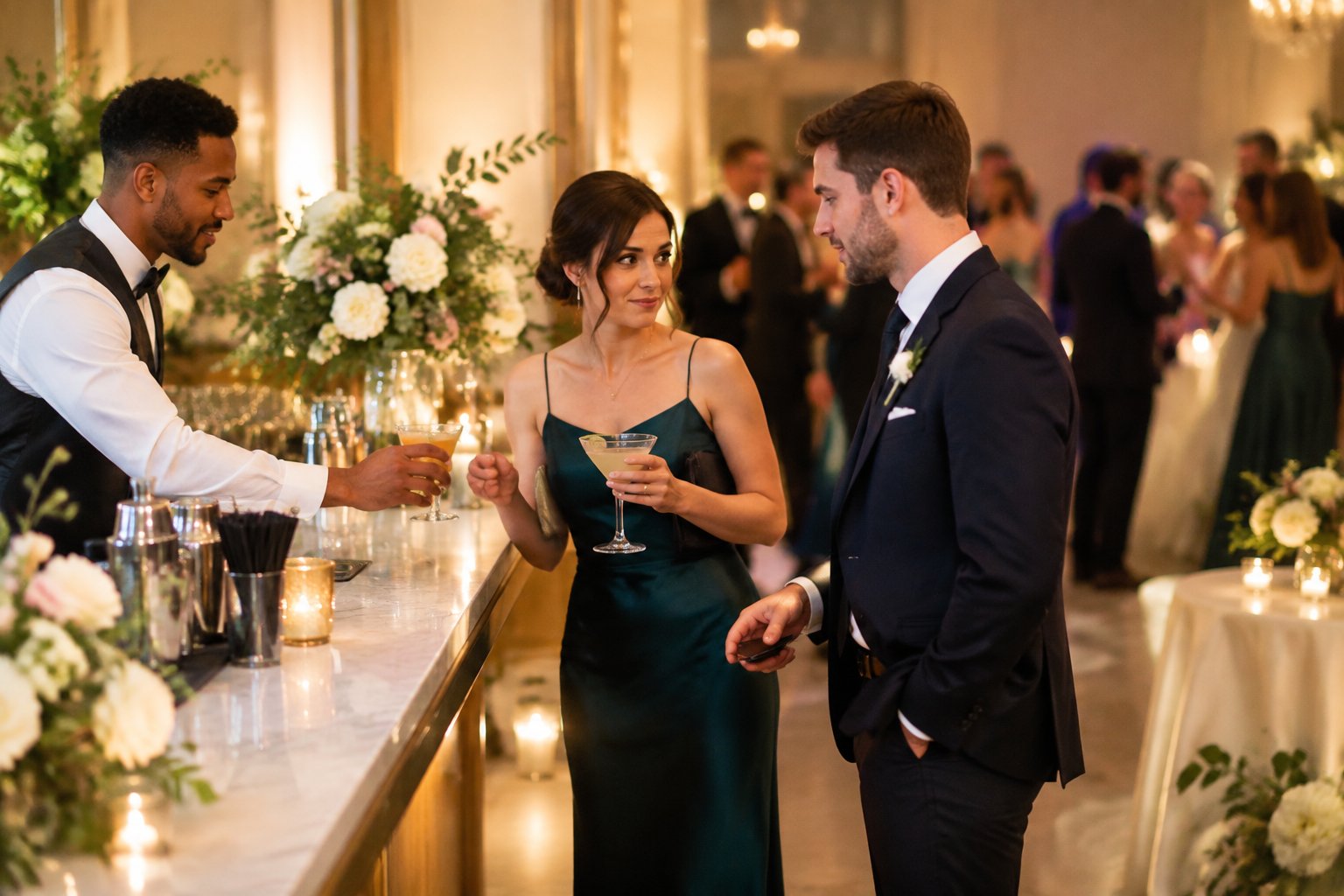
You can still control your wedding budget without leaving guests to manage every drink purchase. A beer-and-wine bar, a few drink tickets, or a hosted bar for part of the reception gives you clear spending limits while keeping the celebration comfortable.
Check the plan with your venue and share any payment details well before the wedding day.
What Wedding Guests Can Usually Expect
Wedding guests usually expect hosts to provide at least a basic selection of complimentary drinks during the wedding reception. Your location, family traditions, venue, and event style shape the details, especially for welcome drinks and alcohol served before dinner.
How Customs Differ by Country, Culture, and Venue
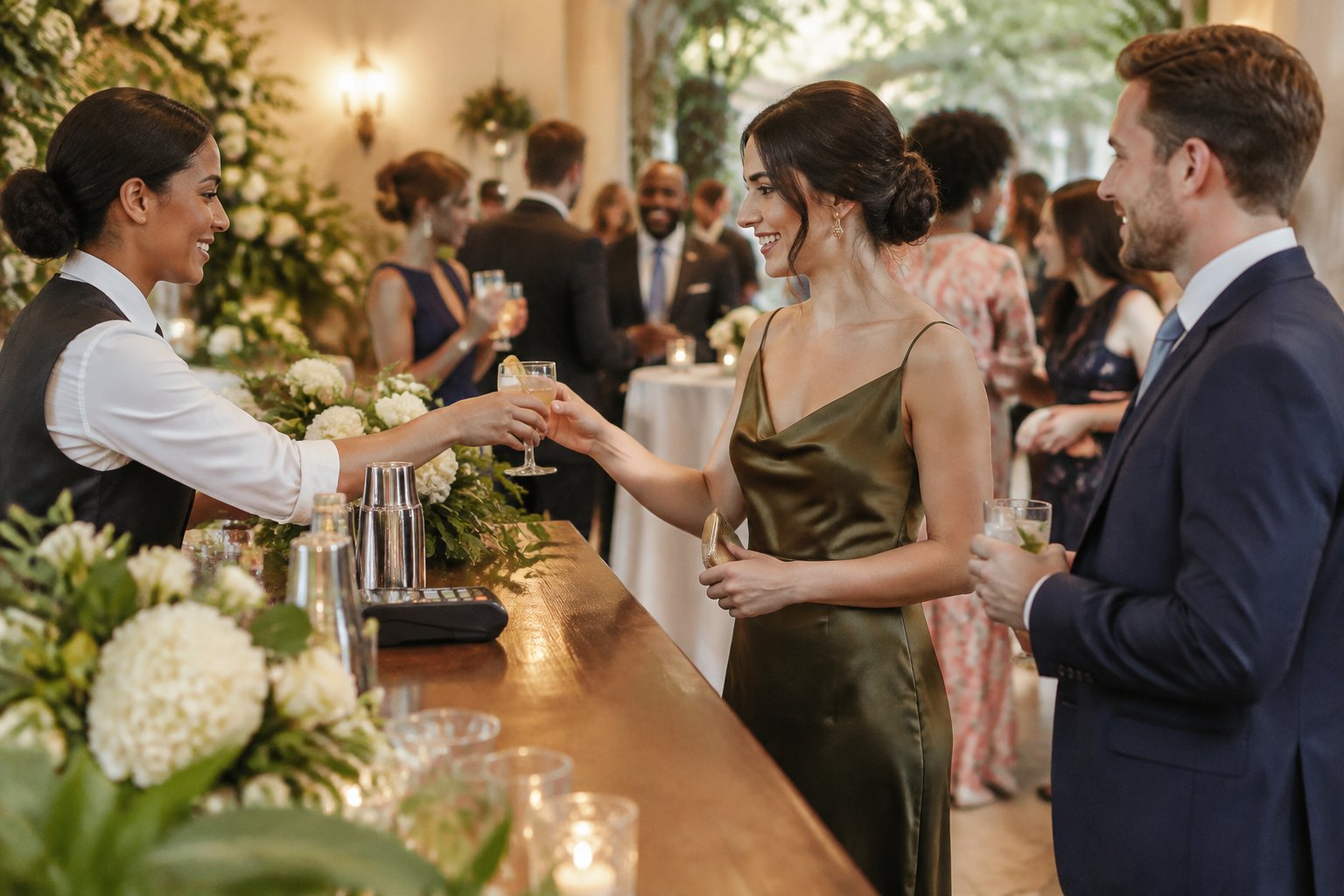
In many U.S. weddings, the couple or their families host the drinks. A cash bar is more accepted in some regions, cultures, casual events, and venues where bar service works like a normal restaurant.
A daytime wedding, brunch reception, or dry celebration can set different expectations. Venue rules also shape the plan. Some locations require you to use their bartenders, purchase alcohol through them, or limit service to beer and wine.
Which Drinks Hosts Commonly Provide
A hosted reception may include:
- Welcome drinks when guests arrive
- Champagne or prosecco for the toast
- White wine and red wine with dinner
- Beer during the meal and dancing
- Sparkling water, soda, juice, coffee, and other non-alcoholic drinks
You do not need to offer every spirit or cocktail to be a thoughtful host. A focused menu that suits your guest list feels organized and helps keep alcohol costs under control.
When Guests May Be Expected to Pay
Guests may pay at a cash bar, at a separate welcome event, or for premium drinks outside the hosted selection. A hosted wedding reception can also switch to paid service after a stated bar limit or set period.
Tell guests before they arrive. Clear notice gives them time to bring a card or cash and prevents an uncomfortable surprise at the bar.
Open Bar, Cash Bar, and Limited Bar Explained
An open bar covers the drinks you offer, a cash bar asks guests to pay, and a limited bar hosts a smaller menu or spending window. The right format balances hospitality, alcohol costs, guest preferences, and venue rules.
| Bar plan | Who pays | Typical selection | Guest experience |
|---|---|---|---|
| Open bar | Hosts | Beer, wine, cocktails, and mixers | Easiest |
| Cash bar | Guests | Drinks sold individually | More restrictive |
| Limited bar | Hosts, within limits | Beer, wine, or selected cocktails | Hosted and controlled |
| Limited open bar | Hosts, for a set period | Full or focused menu | Flexible |
What an Open Bar Includes
An open bar lets guests order from the hosted menu without paying at the point of service. A full wedding bar may include beer, wine, cocktails, spirits, mixers, water, and soft drinks.
Ask whether the package uses a per-person rate, an hourly rate, or a consumption-based bar tab. A per-person package gives you a clearer maximum, while a consumption plan charges for each drink served.
How a Cash Bar Works
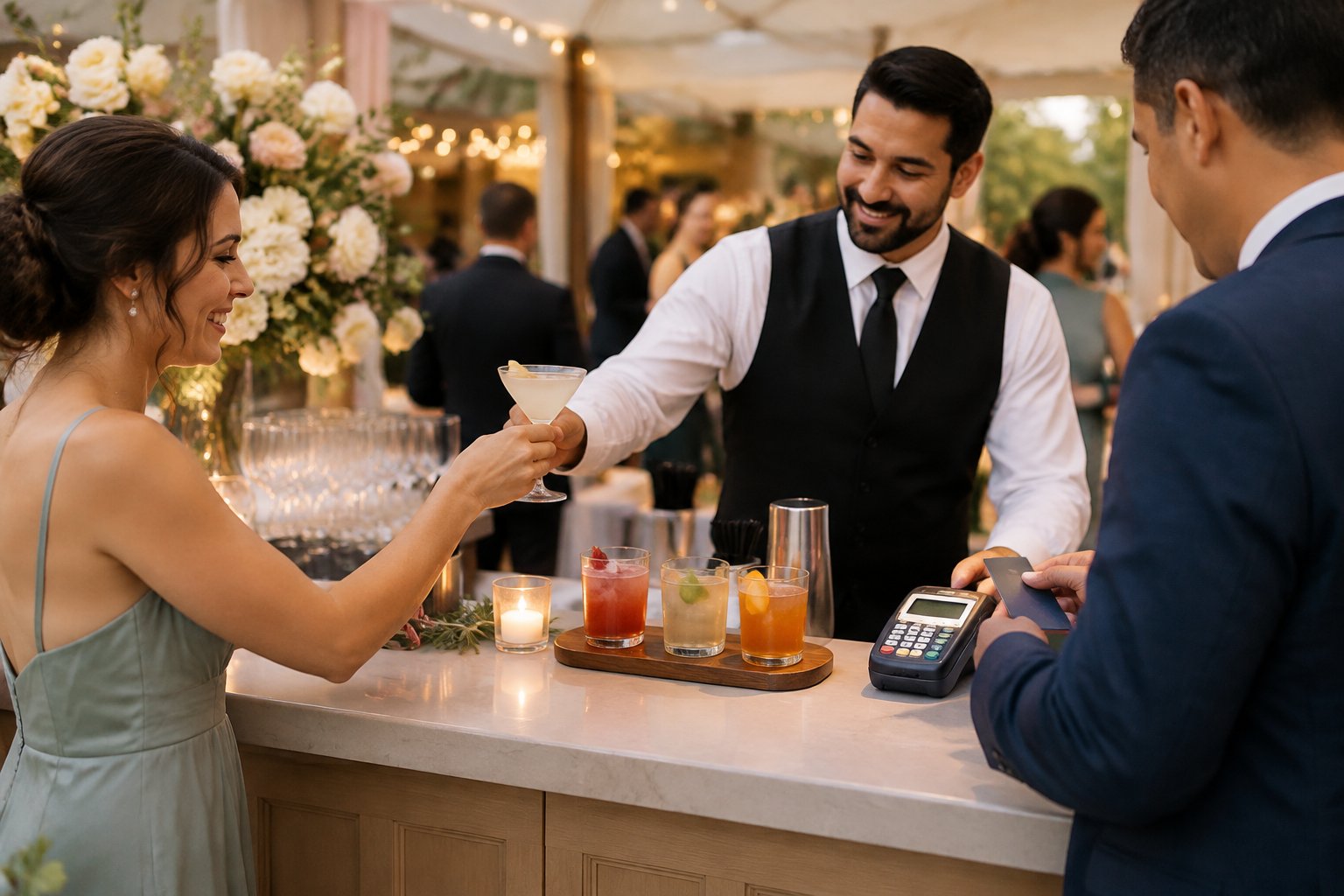
At a cash bar, guests purchase their own beer, wine, or cocktails and handle their own tips. The bar may accept cards, cash, or both.
This setup reduces your direct alcohol bill, yet it can create payment lines and frustration. If you choose it, confirm payment methods, prices, ATM access, and bartender arrangements with the venue.
When a Limited Bar Is a Better Compromise
A limited bar is a strong choice when you want to host guests while keeping the menu and cost predictable. You might offer beer and wine, one signature cocktail, or a limited bar tab that covers drinks through dinner.
A limited open bar can also provide a full menu during cocktail hour and the first part of the reception, then move to beer, wine, or paid service. Explain the change politely through your wedding website and reception signage.
How to Choose a Bar Plan That Fits Your Budget
Your wedding budget should set the bar plan, with the guest count, service hours, venue fees, and drinking habits guiding the estimate. A curated hosted menu often protects both your bar tab and your guests’ experience.
Estimating Alcohol Costs
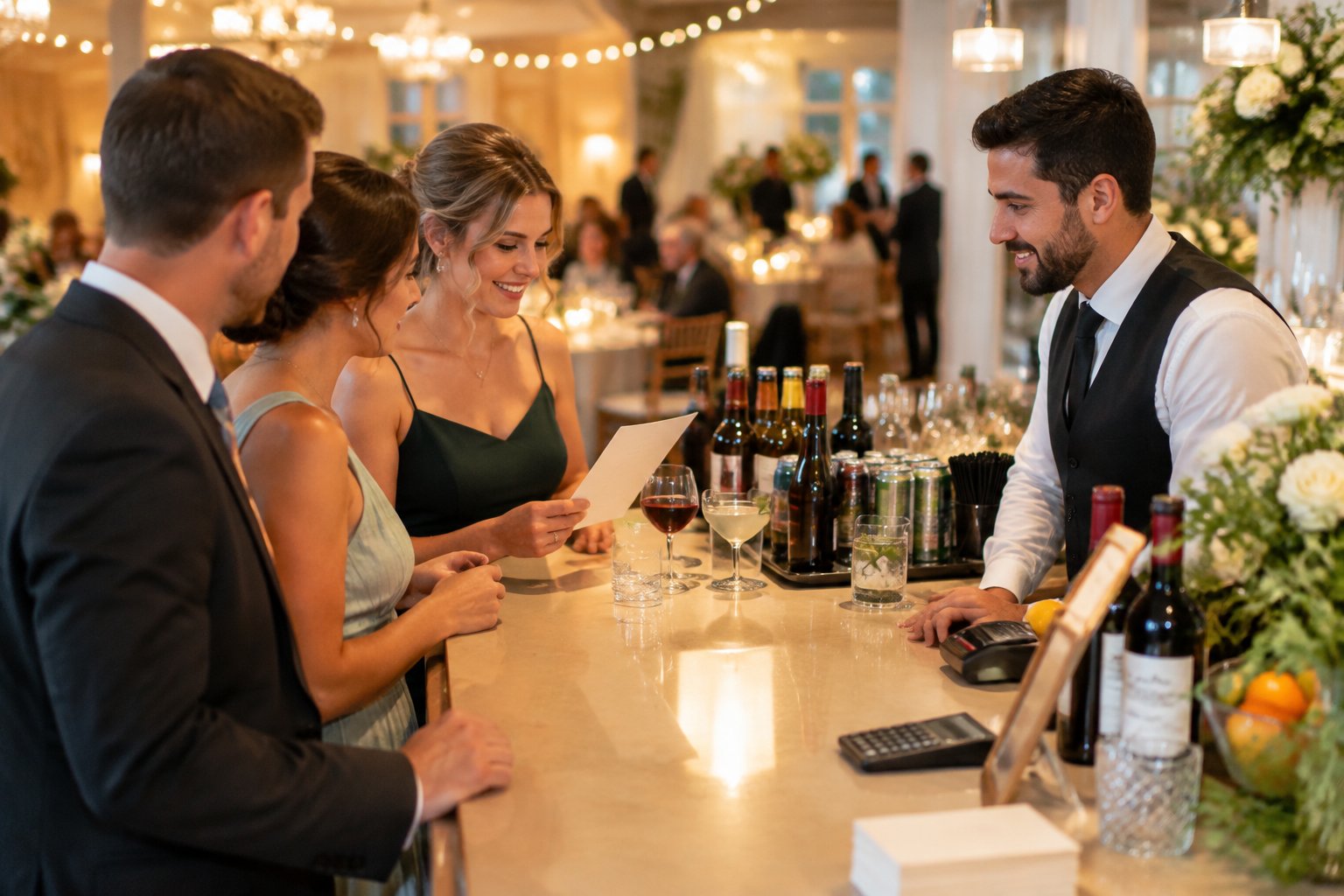
Start with the number of drinking guests and the number of service hours. One drink per drinking guest per hour gives you a basic planning estimate, then you can adjust for a daytime event, a younger crowd, or a guest list with many non-drinkers.
Request an itemized quote that includes:
- Alcohol and mixers
- Bartenders and bar setup
- Ice, glassware, and garnishes
- Service charges and taxes
- Corkage or outside-alcohol fees
- Non-alcoholic drinks
Compare the quote with your full wedding expenses before committing. A low drink price may still come with staffing or venue fees.
Using a Bar Tab or Drink Tickets
A bar tab lets you set a spending limit with the venue. Ask what happens when the limit is reached, and decide whether service changes to a cash bar, beer-and-wine service, or a closed bar.
Drink tickets give each guest a set number of hosted drinks. You can offer one or two tickets per person, then make additional drinks available for purchase. This approach works best when the ticket rules are printed clearly and staff apply them consistently.
Ways to Reduce Wedding Expenses Without Feeling Stingy
You can lower alcohol costs while keeping drinks complimentary:
- Serve beer and wine only.
- Offer one or two signature cocktails.
- Choose a shorter hosted bar period.
- Use prosecco for the toast and sparkling wine afterward.
- Skip premium spirits and focus on quality basics.
- Ask whether the venue allows outside alcohol.
- Close the bar during dinner if table service covers the meal.
Provide plenty of cold water and appealing non-alcoholic drinks throughout the reception. Guests notice care and choice, even with a compact menu.
How to Tell Guests They Need to Pay
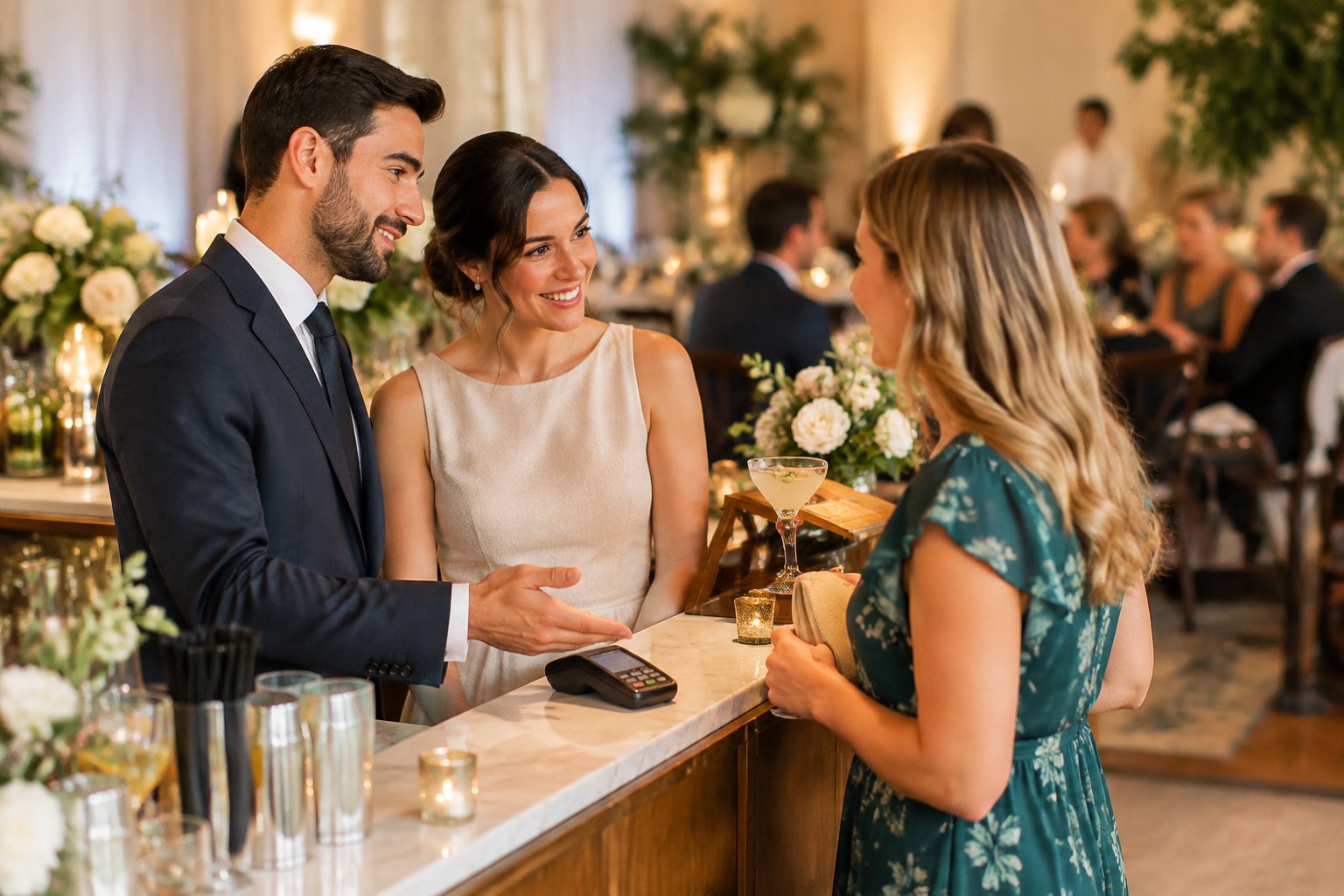
Tell guests about a cash bar before the wedding through your wedding website, invitation details card, or a direct message for close family and wedding party members. Use the same wording across every channel so nobody arrives with the wrong expectation.
Where to Share Cash Bar Details
Place the payment information on the wedding website’s reception or FAQ page. Add a short note to the invitation details card when guests may miss the website.
State whether the bar accepts credit cards, cash, or mobile payments. Mention an ATM location when one is available. A small bar sign can repeat the information at the venue, though it should support advance notice instead of replacing it.
Tactful Wording for Wedding Invitations and a Wedding Website
Keep your wording warm, direct, and brief:
- “Dinner, dancing, and a cash bar will follow the ceremony.”
- “Please note that the reception bar accepts cards and cash.”
- “We are hosting beer, wine, and soft drinks. Cocktails will be available for purchase.”
- “Join us for a hosted bar through dinner. Additional drinks will be available for purchase afterward.”
Avoid vague phrases that leave guests guessing about prices or payment methods.
Should Guests Tip Bartenders?
Check your venue or caterer contract before adding tip jars. Gratuity may already be included in the service charge or bar package.
When guests pay for their own drinks, they may see a tip prompt during checkout. Tell the bar team how you want gratuity handled, and keep the policy consistent. A tip jar can make a formal reception feel transactional, so host-covered gratuity is often the smoother choice.
Creating a Thoughtful Drink Menu for Everyone
A thoughtful drink menu gives guests a familiar option, a special choice, and a satisfying alcohol-free drink. You can keep the selection focused while serving different tastes, ages, dietary needs, and comfort levels.
Choosing Beer, Wine, and Signature Cocktails
Start with the drinks that fit your meal and guest list. Offer a light beer and a fuller option, plus a white wine and red wine. Add sparkling wine for the toast or welcome service.
One or two signature cocktails give the bar personality and simplify purchasing. Batch-made drinks also help bartenders serve guests quickly. List the ingredients on the drink menu so guests can spot allergens and choose with confidence.
Including Mocktails, Soda, and Other Alcohol-Free Options
Give non-drinking guests a beverage that feels intentional. Mocktails, sparkling water, soda, lemonade, iced tea, and flavored water create variety without making guests ask for a special substitute.
Keep alcohol-free drinks available at the same bar and during the same service hours. A named mocktail can sit beside the signature cocktail on the menu, which makes the choice feel part of the celebration.
For more ideas, explore these wedding mocktail ideas.
Working With a Wedding Planner and Venue
Your wedding planner and venue can confirm licensing, staffing, service hours, glassware, refrigeration, and outside-alcohol rules. Ask who supplies the ice, mixers, garnishes, water stations, and non-alcoholic drinks.
Share the final drink menu with the caterer and bartenders before the event. Include a plan for guests who need alcohol-free options, guests who have had too much to drink, and transportation after the reception.