
Do You Provide Food for a Wedding DJ? Understanding Catering Expectations for Your Reception
As you plan your big day, you may wonder if you need to provide food for your wedding DJ. Yes, you should include a meal for your DJ, especially if they will be on-site for over five hours. Keeping your DJ well-fed helps ensure they stay energized to keep the party going.
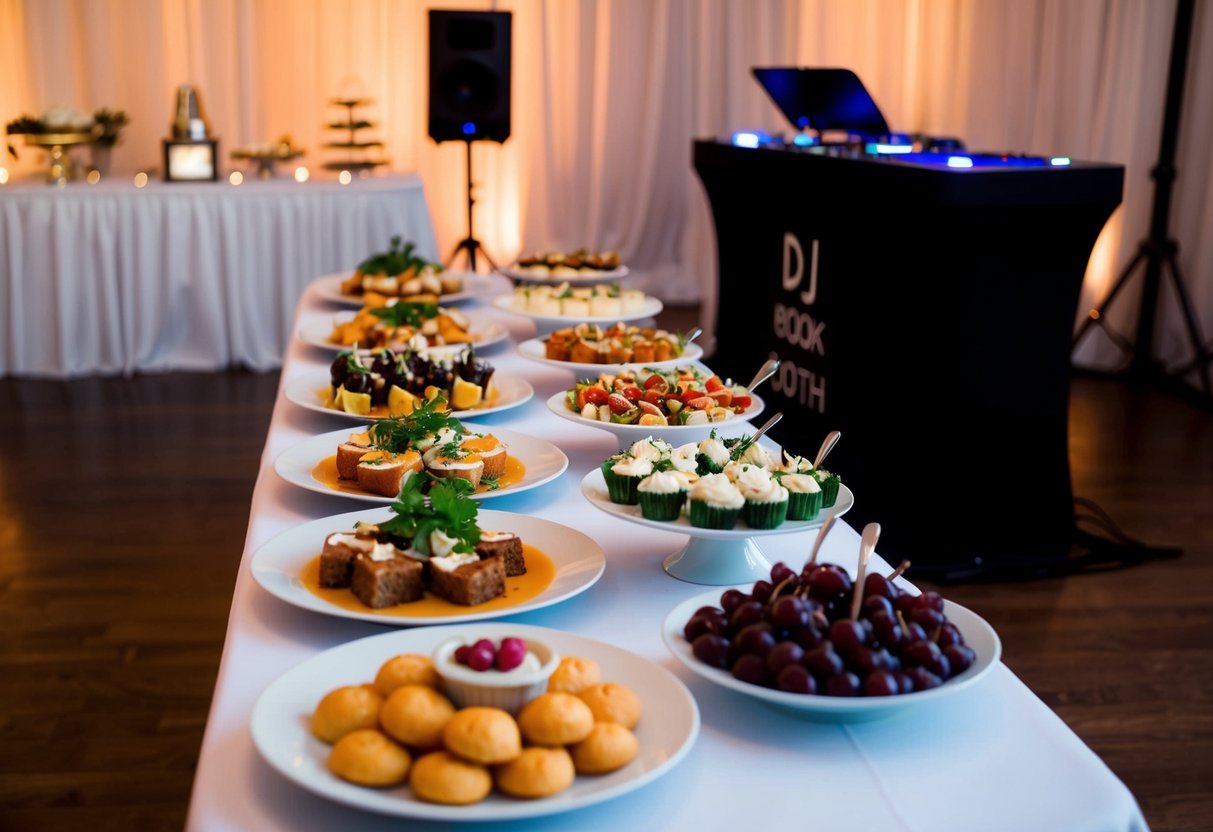
Wedding days can be hectic, and your DJ is there to manage the music and entertainment while you enjoy time with your guests. It’s thoughtful to consider their needs as they work hard behind the scenes. Providing food is a simple way to show your appreciation for their effort, keeping everyone in good spirits.
As you finalize your wedding planning details, adding a vendor meal to your budget is important. Not only does this help your DJ, but it can also contribute to a smoother and more enjoyable ambiance for everyone involved.
Understanding Vendor Meals at Weddings
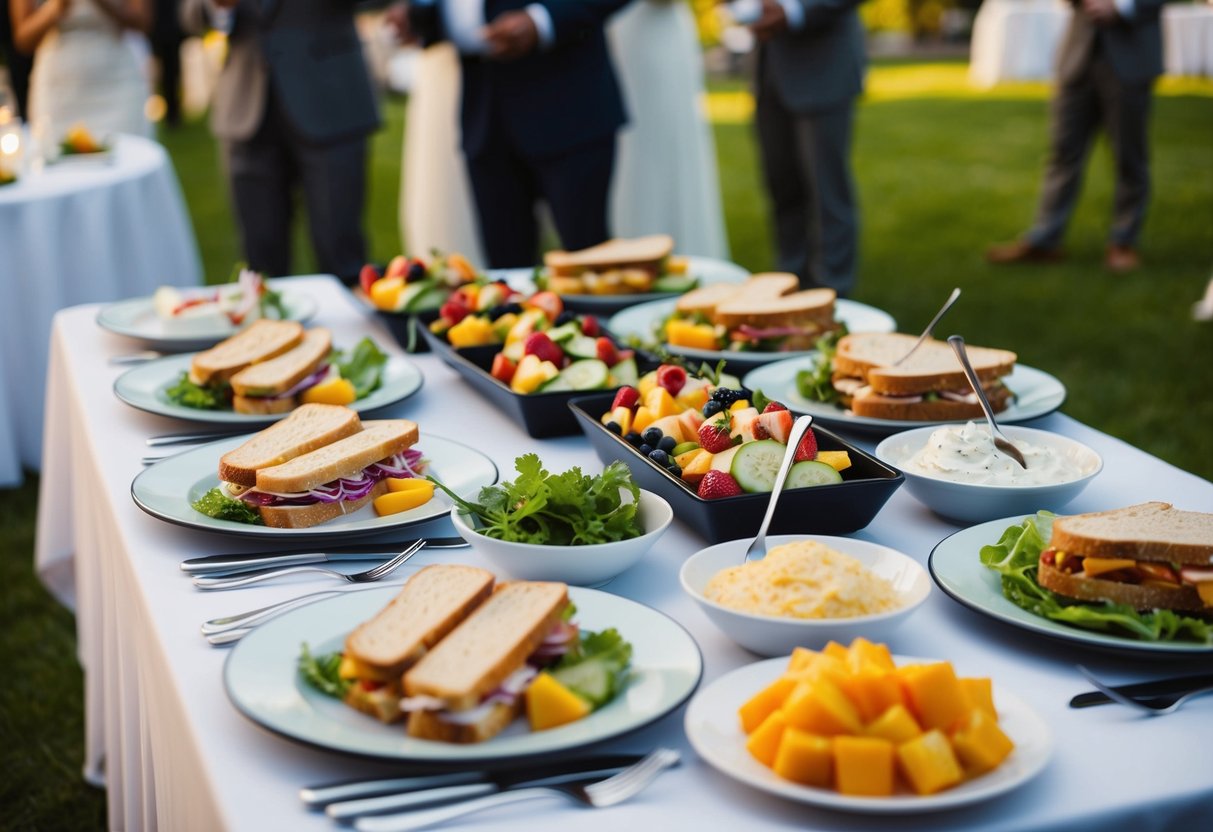
Feeding your wedding DJ and other vendors is an important part of event planning. It keeps them energized and ready to help make your day special. Here’s what you need to know about vendor meals at weddings.
Importance of Feeding Your Wedding DJ and Vendors
Providing meals for your wedding vendors, like DJs, photographers, and catering staff, is a crucial part of wedding etiquette. These professionals work long hours and often don’t get breaks. Serving them food ensures they can perform at their best throughout your event.
Most vendors expect a meal if they will be on-site for more than five hours, especially during dinner service. This courtesy helps maintain good relationships with your vendors, and they will appreciate your thoughtfulness. Consider meals as part of your catering budget.
Deciding on Meal Options for Vendors
When planning vendor meals, keep it simple. You don’t have to serve the same meal as your guests. Options can include a buffet, sandwiches, or even light snacks. Just make sure the meals are sufficient and satisfying.
Communicate with your caterer about specific dietary restrictions. Some vendors may be vegetarian or have food allergies. Getting this information ahead of time allows for smooth planning and shows that you care about their needs.
A small, designated space can also be helpful for your vendors to take breaks and eat. This keeps them energized without disrupting your guests’ experience.
Etiquette for Vendor Meals
Vendor meal etiquette is important to follow. Always provide a meal for anyone who is actively working, such as your DJ, photographer, and band members. This goes for other professionals too, like makeup artists and hair stylists, if they stay for extensive periods.
Avoid serving vendor meals after your guests have eaten. It’s best to serve them at the same time or just a bit earlier. This allows them to finish eating and return to their responsibilities without delay.
Lastly, include meal arrangements in your contracts with vendors, so everyone knows what to expect. This proactive approach makes your event flow smoothly and keeps your team happy.
Catering Considerations for Your Wedding
When planning your wedding, catering is a key part of the experience. You’ll want to choose a great catering team, manage headcounts effectively, and accommodate any dietary restrictions your guests may have. Here’s what to think about for each aspect.
Choosing the Right Catering Team
Selecting the right catering team can make a huge difference in your wedding. Start by researching local caterers who have experience with weddings. Check reviews and ask for recommendations from friends or family. Schedule tastings to see which foods you like best.
Make sure the caterer understands your vision, whether it’s a sit-down dinner or a buffet. Discuss the types of meals offered and ask about their packages. Don’t forget to confirm that they can accommodate your guest count and vendor meals as part of the package.
Managing Guest and Vendor Headcount
Knowing your guest and vendor headcount is crucial for catering. Start by making a list of all potential guests, including family, friends, and coworkers. Don’t forget about your vendors like the DJ, photographer, and planner, as they also need meals.
Be clear on your final count well before the wedding. This will help the catering team prepare efficiently. You may want to allow for a few extra meals just in case of last-minute additions. Always communicate any updates to the catering team so they can adjust accordingly.
Accommodating Dietary Restrictions
In today’s world, people often have specific dietary needs. It’s important to ask about any restrictions when you send out RSVPs. Common restrictions include vegetarian, vegan, gluten-free, and allergies.
Work with your catering team to create a menu that includes options for everyone. Clearly label all dishes at the event to prevent mix-ups. This will ensure every guest feels included and happy with what they can eat. Addressing these concerns shows your care and consideration for your guests’ needs.
Coordinating with Your Wedding Planner
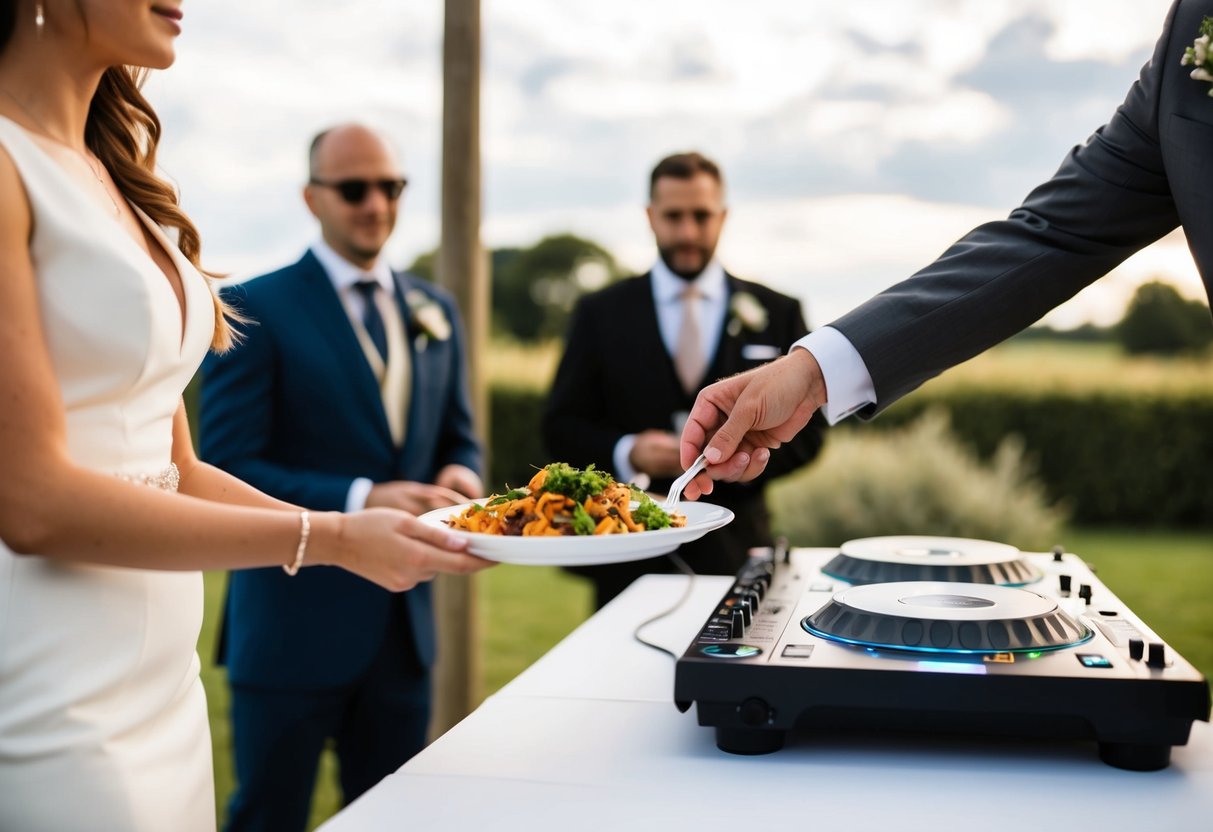
Working closely with your wedding planner can help ensure that meal arrangements for your wedding DJ go smoothly. By communicating effectively and factoring these meals into your schedule, you can make everything more enjoyable for your guests and vendors.
Communicating Vendor Meal Arrangements
Start by discussing your vendor meal arrangements with your wedding planner. Make sure to mention the specific vendors who will need meals, including your DJ. Referring to vendor contracts can clarify which meals are required.
Your wedding planner can help you understand any dietary restrictions or preferences your vendors may have. It’s a good idea to share this information with your catering team early on. That way, everyone is on the same page, and no one goes hungry during the event.
Incorporating Vendor Meals into the Reception Schedule
Your wedding planner can also help fit vendor meals into the reception schedule. It’s important to plan when and where your DJ and other vendors will eat. This usually happens during a less busy time, like when guests are seated for dinner.
Discuss with your planner about creating a timeline for meals. This helps ensure that your DJ doesn’t miss key moments. For example, you might want to schedule their meal during speeches or cake cutting. This gives them time to recharge without missing important activities. Keeping your planner in the loop will make the process easier and more organized.