
Do You Put Full Names on Seating Chart? A Guide to Wedding Guest Arrangements
Planning your wedding seating chart can feel like a big task, especially when it comes to deciding how to list names. Many couples wonder if they should include full names on the seating chart. For more formal weddings, using full names is best. This includes titles like Mr. and Mrs., to create a respectful and elegant atmosphere. Yet, for casual gatherings, using just first and last names can give a relaxed vibe.
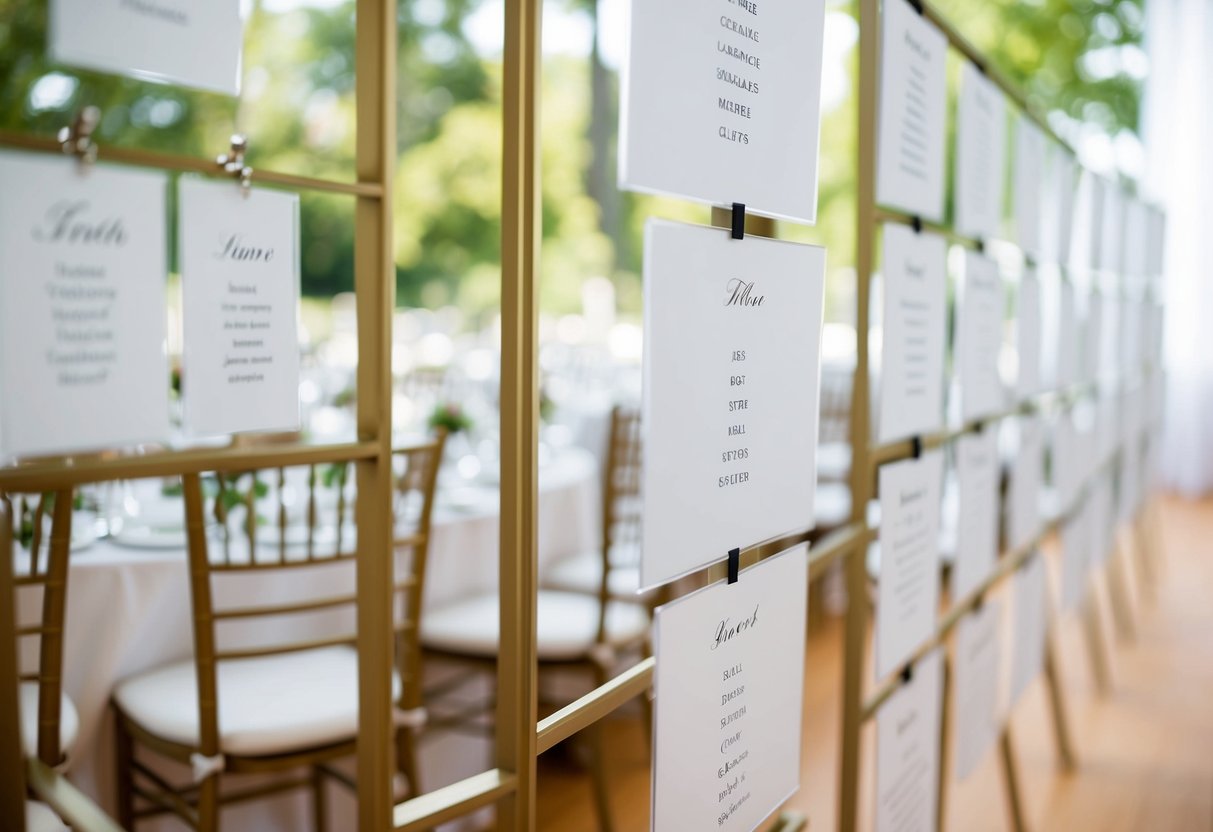
Your seating chart is not just a tool; it’s also a way to make your guests feel welcome. Including full names can help avoid confusion, especially if there are several guests with the same first name. This small detail can help your friends and family quickly find their spots at the table, making the experience smoother for everyone.
As you sort through your guest list and begin planning, consider what tone you want to set for your wedding. Whether you go for a formal approach or something more laid-back, the way you display names on your seating chart can play a significant role in your event’s overall feel.
Determining the Format of Your Seating Chart
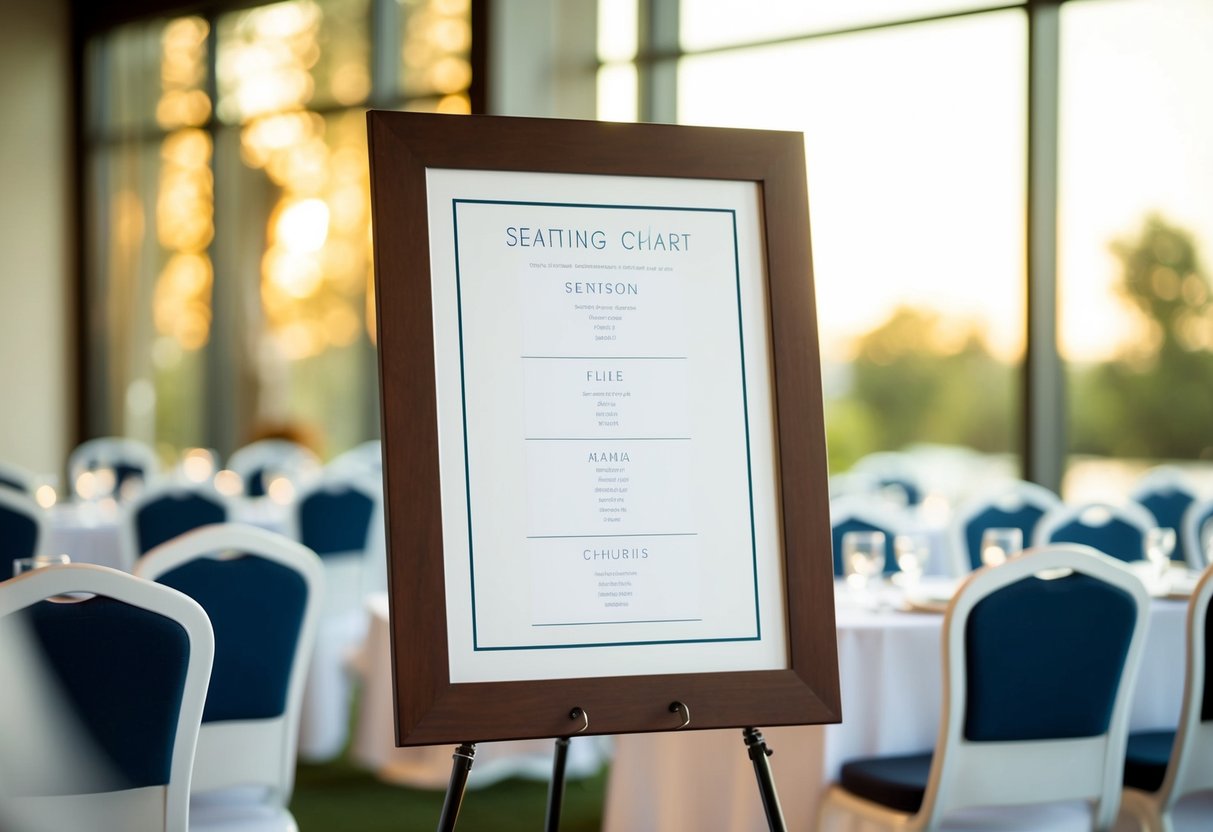
When creating your seating chart, you need to decide whether to use full names or just first names. This choice can affect the formality of your event and the ease with which guests find their seats.
Choosing Between Full Names and First Names
Using full names on your seating chart can lend a more formal tone to your wedding reception. This approach is in line with etiquette guidelines, especially for more traditional events. Full names eliminate confusion for guests with similar first names.
On the other hand, using just first names can create a more relaxed and informal vibe. It is suitable for casual weddings or smaller gatherings. If you choose to go casual, consider how guests know each other. For example, if two people share a last name, listing them too may help.
Understanding the Role of Formality
Formality plays a significant role in deciding how to format your seating chart. For formal events, it is best to stick with full names. This approach respects the importance of the occasion and aligns with traditional etiquette.
For less formal weddings, first names are perfectly acceptable. They can make the event feel more personal and welcoming. Before making your decision, think about your guest list and the overall tone you want to set.
Organizing Your Seating Chart
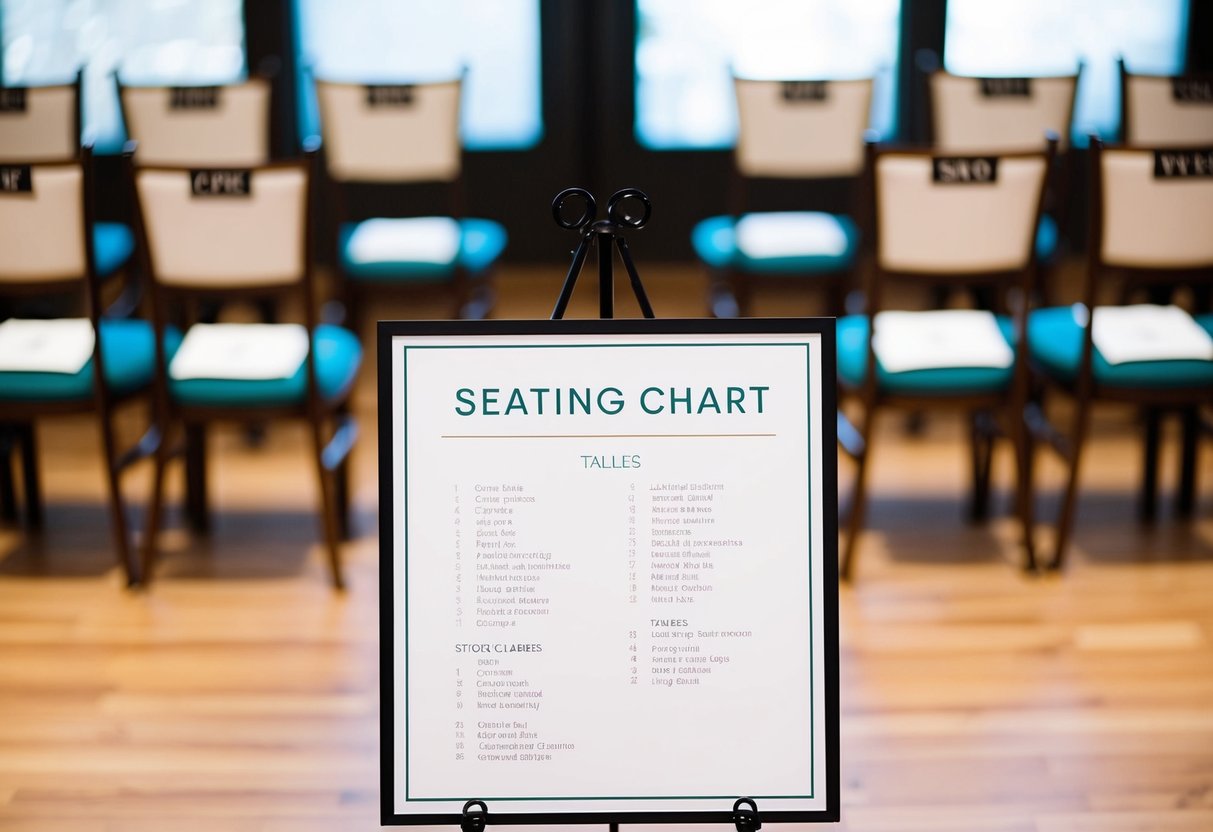
Creating a clear seating chart plays an important role in your wedding’s organization. You can enhance your guests’ experience by thoughtfully arranging names for easy access. Here are two key aspects to consider when organizing your seating chart.
Deciding on Alphabetical or Table Number Listing
When organizing your seating chart, you can choose between listing names in alphabetical order or by table number. If you opt for alphabetical order, it helps guests find their names quickly. This is especially useful if you have a long guest list.
For example, you can list names as follows:
- A – D: Table 1
- E – G: Table 2
- H – K: Table 3
Alternatively, if you prefer table number listings, ensure that each table number corresponds with a designated area at your venue. This option allows for easier seating arrangements, as guests can locate their assigned table first, then find their names.
Addressing Duplicate Names and Titles
Managing duplicate names can be tricky. If you have guests with the same last names, add titles like “Mr.” or “Mrs.” to clarify who sits where. For instance:
- John Smith (Table 5)
- Jane Smith (Table 6)
If you are seating couples or families, you can list names together, which saves space and looks neat. You might want to create a separate line for each person if they don’t share the same last name but are related.
Finalizing and Displaying Your Seating Arrangement
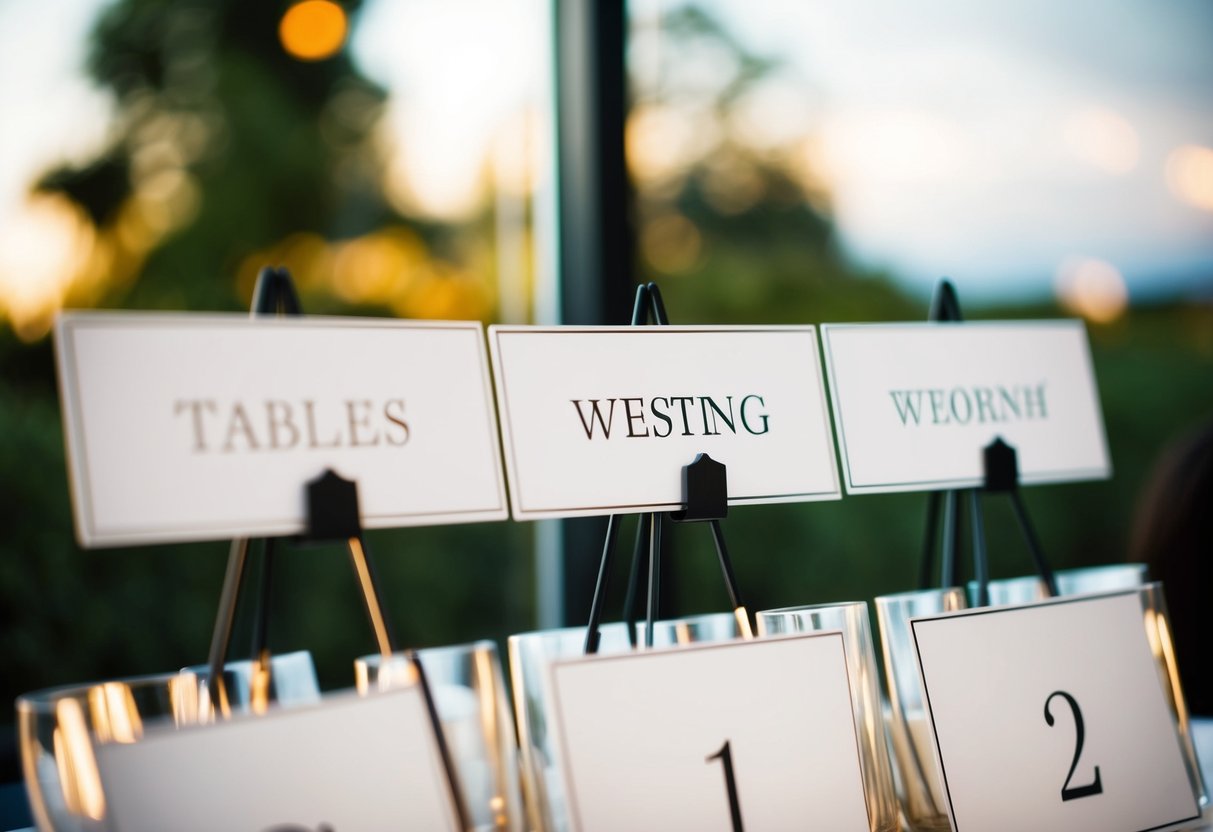
As you get closer to your special day, finalizing your seating arrangement becomes crucial. This process involves incorporating RSVP details and selecting the right stationery to make everything flow seamlessly at your wedding reception.
Incorporating RSVP Information
When planning your seating chart, always refer to your RSVP information. This will help you keep track of who is attending. Make sure to finalize your guest list well before the wedding, ideally by the RSVP deadline.
Once you have confirmed guests, note their meal choices or any special requests they may have. This information can help when assigning seats, especially for guests with dietary restrictions.
If multiple guests share the same last name, you might want to list them by their full names on the seating arrangement or escort cards. This avoids any confusion during the event.
Selecting Seating Arrangement Stationery
Choosing the right stationery for your seating arrangement can enhance your wedding decor. You can use escort cards, place cards, or a table plan to guide guests to their seats.
Escort cards are small cards that display a guest’s name and table number. Place these at a welcome table for guests to pick up.
Place cards, on the other hand, are placed directly at each seat. This helps direct guests to their assigned places.
For a polished look, consider using calligraphy on your chosen stationery. It adds a personal touch and elegance to your setup. Choose styles and colors that match your wedding theme to create a cohesive appearance.