
Do You Put Guest Name on Wedding RSVP? Tips for Completing Invitations Correctly
When preparing for a wedding, many people often wonder if they should include guest names on wedding RSVP cards. Including names helps you know who will be attending and ensures that everyone feels personally invited. This small step makes your wedding planning smoother and more organized.
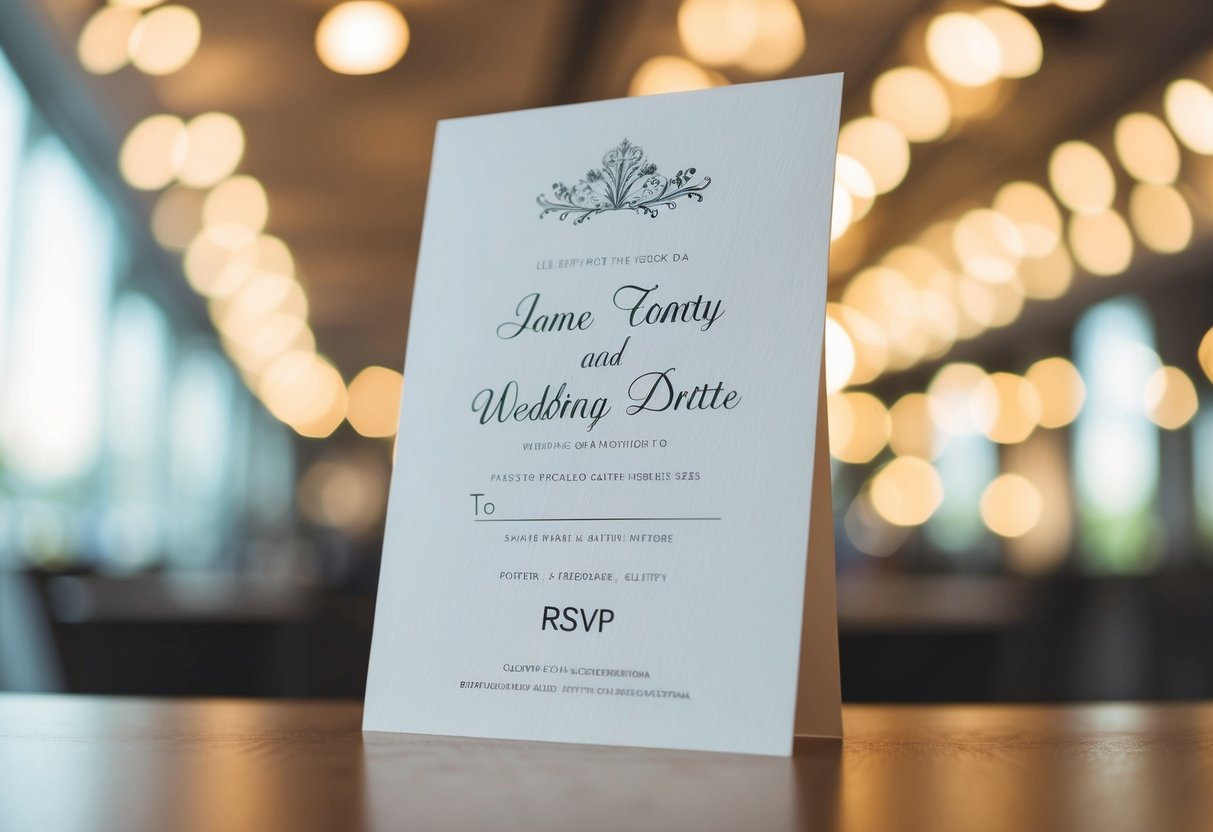
Properly addressing your RSVPs can significantly improve how you manage your guest list. Whether you are sending out formal invitations or a casual gathering, having guests write their names on the RSVP cards clarifies attendance. It also allows you to plan seating and catering more effectively.
As you navigate through wedding invitations and coordinate details, remember that there’s no one-size-fits-all rule. Personal touches in your RSVPs can reflect your style, making the guests feel special. So, when you design your RSVP cards, think about how to make this process both clear and enjoyable for everyone involved.
Understanding Wedding RSVP Cards

Wedding RSVP cards are essential for ensuring a smooth planning process. They help you know who will be attending your big day and allow your guests to respond formally. Here’s what you need to know about their purpose and components.
The Purpose of RSVP Cards
RSVP cards play a key role in wedding invitation etiquette. They allow your guests to confirm their attendance at your wedding. By including an RSVP card, you make it easy for them to respond, either through mail or online.
When guests receive the RSVP card, they can note if they’ll attend. This is often done by indicating “Accepts with pleasure” or “Regrets.” Some couples also add meal choices to help with catering. Having this information ensures you have an accurate headcount, which is vital for seating arrangements and food.
Components of a Wedding Invitation Suite
A wedding invitation suite usually includes several important pieces. This can be the main wedding invitation, RSVP card, and additional cards for directions or accommodation.
The RSVP card typically comes with a blank space for guest names. This helps you keep track of who is coming. Including a deadline for responses is also important. Make sure to provide clear instructions, such as returning the RSVP by mail or responding via a website link.
Each component in your invitation suite works together to give your guests all the details they need. This makes it convenient for them to prepare for your special day.
How to Address RSVP Cards

Addressing RSVP cards correctly shows great attention to detail in your wedding planning. You want to make sure each guest feels valued and knows how to respond. Here’s what you need to consider when addressing those important envelopes.
Formatting Guest Names
When you write guest names on RSVP cards, clarity is key. Start with a blank line where each guest can fill in their name. For formal invitations, make sure to leave space for proper honorifics as well.
For example, you might write:
M.__________
This indicates the guest should include titles like Mr., Mrs., Ms., or Miss before their name.
If you are inviting a couple, list both names on the same line. For instance, Mr. John Smith and Ms. Jane Doe. This approach ensures guests understand they are both invited and can respond together.
Using Proper Honorifics
Proper honorifics are important in wedding etiquette. Always use the correct titles based on your guests’ preferences.
For instance, if sending to a married couple, you should use:
Mr. and Mrs. John Smith.
If the couple is unmarried, it would be:
Ms. Jane Doe and Mr. John Smith.
Be attentive to titles. Some might prefer Ms. over Mrs. or vice versa.
Remember, using the right titles shows respect and thoughtfulness towards your guests, which is especially important during this significant occasion.
Dealing with Different Last Names
When dealing with married couples who have different last names, clarity is crucial. Address them using both names to avoid any confusion.
You can use the following format:
Mr. John Smith and Ms. Jane Doe.
If a family is invited, you might consider using an inner envelope to list the children.
So, it could look like:
- Mr. and Mrs. John Smith
- Master Sam Smith
- Miss Emma Smith
Each envelope type serves a purpose, ensuring everyone knows they are invited to your celebration. This attention to detail can help make your RSVP cards clear and respectful.
Gathering Guest Information
When planning a wedding, gathering information about your guests is essential. You want to know how many people will attend, if they’re bringing a plus-one, and if they have any special requests. This ensures you can make the best arrangements for a smooth celebration.
Determining the Guest Count
To estimate the number of guests, create a guest list. Start with immediate family and close friends. Consider using an online RSVP tool. This can help guests reply easily and keep track of their responses.
When sending invitations, ask guests to confirm their attendance by a specific date. This helps finalize plans and avoid last-minute changes. Plus, knowing how many people are coming allows you to set a budget that works for you.
Managing Plus-Ones
When inviting guests, you might want to allow them to bring a plus-one. Be clear on the invitation if a plus-one is welcome or not.
Consider how this affects your guest count. It’s good to have guidelines, such as allowing plus-ones for single guests or close friends of the couple. Keeping track of who is bringing someone is important, so include a space on the RSVP for their name.
Accommodating Special Requests
Some guests may have special requests regarding food or activities. This can include allergies, dietary restrictions, or meal choices. It’s a good idea to ask about these preferences in your invitations or RSVP cards.
Create a simple list for dietary needs. It can include options like vegetarian, vegan, gluten-free, or nut allergies. You might also want to consider song requests for the reception. This ensures everyone has a great time and feels included, making your celebration even more memorable.
Response and Follow-Up

When planning your wedding, gathering responses is crucial. Knowing how to set a deadline for RSVPs and providing options for guests can help you get an accurate headcount for your wedding reception. Here are some key considerations for managing responses.
Setting the RSVP Deadline
Establishing a clear RSVP deadline helps you stay organized. Usually, it’s best to set this deadline about 3-4 weeks before your wedding date. This gives guests enough time to reply while allowing you to finalize your seating chart and guest count.
Tip: Include the RSVP deadline on your wedding RSVP card wording. This ensures everyone knows when to respond.
A good idea is to use a pre-stamped envelope for mailed responses. This makes it easy for guests to send their replies without worrying about postage. If you’re using an online wedding RSVP system, make sure to include a clear deadline there, too.
Providing Response Options
Making it easy for guests to respond will lead to a better response rate. Consider offering multiple options for RSVPs, such as:
- Mail-in RSVP cards: These can be sent with your invitations.
- Online RSVP: Set up a simple web form that guests can fill out.
Provide clear instructions for each option. If using a mail-in card, ask guests to fill out their names and indicate if they will attend. For online RSVPs, ensure the process is user-friendly.
Remember to mention any meal preferences if you have a catered event. Giving guests a choice can make them feel more included and excited about the celebration.
Organizing Responses for Planning
Once you collect responses, it’s time to get organized. You can create a spreadsheet or a designated document to track who has replied and their meal preferences if applicable.
Keep a separate list for those who haven’t responded. This can help you reach out for follow-ups as the deadline approaches.
Bonus Tip: Regularly update your guest count as replies come in. This will make finalizing your seating chart and catering needs much smoother.
Being proactive with your organization will make a big difference in your planning process!