
Do You Put Mr. and Mrs. on a Seating Chart? Tips for Crafting the Perfect Guest List
Creating your wedding seating chart can feel a bit overwhelming, especially when it comes to deciding how to address your guests. You do not have to put Mr. and Mrs. on a seating chart, but many couples choose to for a traditional look. It’s all about what feels right for you and your wedding style.
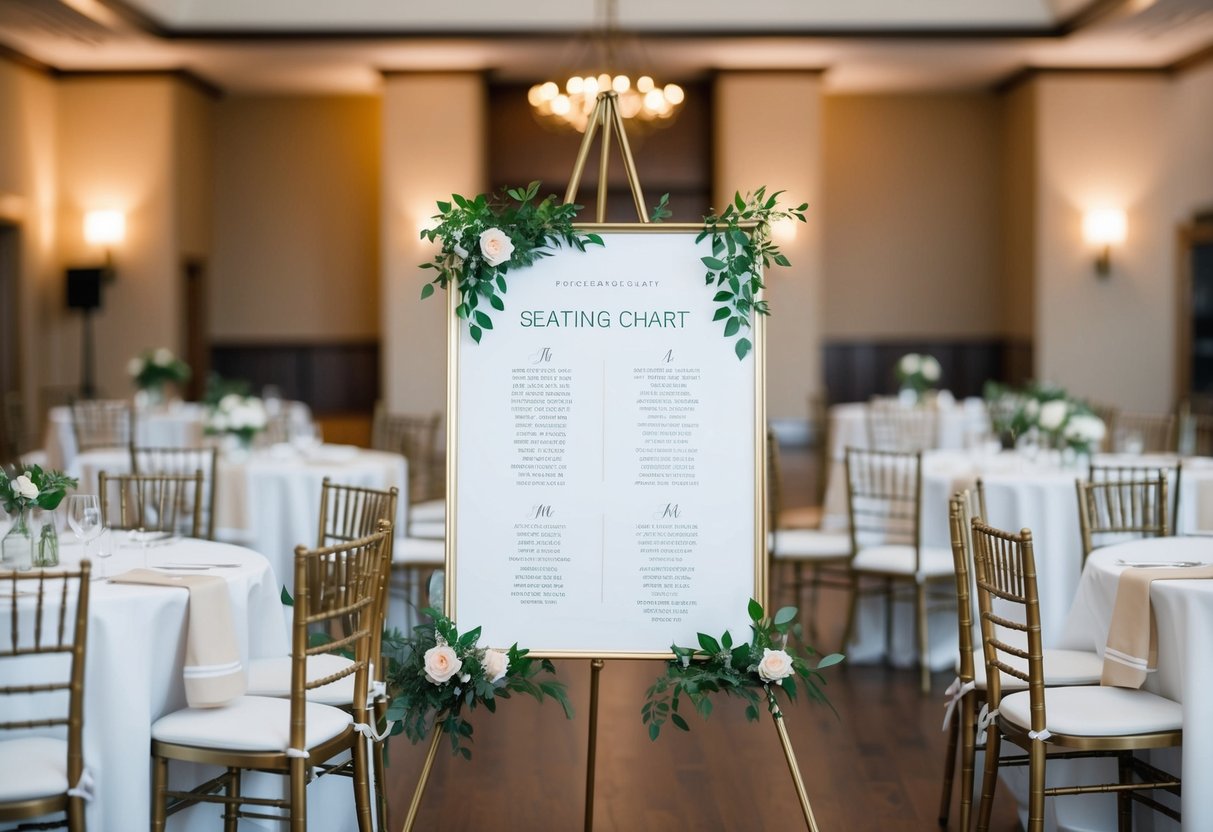
When planning your wedding reception, keep in mind that clarity and ease of reading are essential. Whether you go with traditional titles or just use first and last names, the key is to make sure your guests can find their seats without hassle.
Using a clear layout helps everyone enjoy the celebration without confusion.
Consider your guest list as you create the seating chart. If you have couples or families sharing a last name, it’s perfectly fine to list them together. This not only saves space but also keeps the chart organized. Your goal is to create a welcoming atmosphere where everyone feels comfortable and included.
Essentials of Seating Chart Etiquette
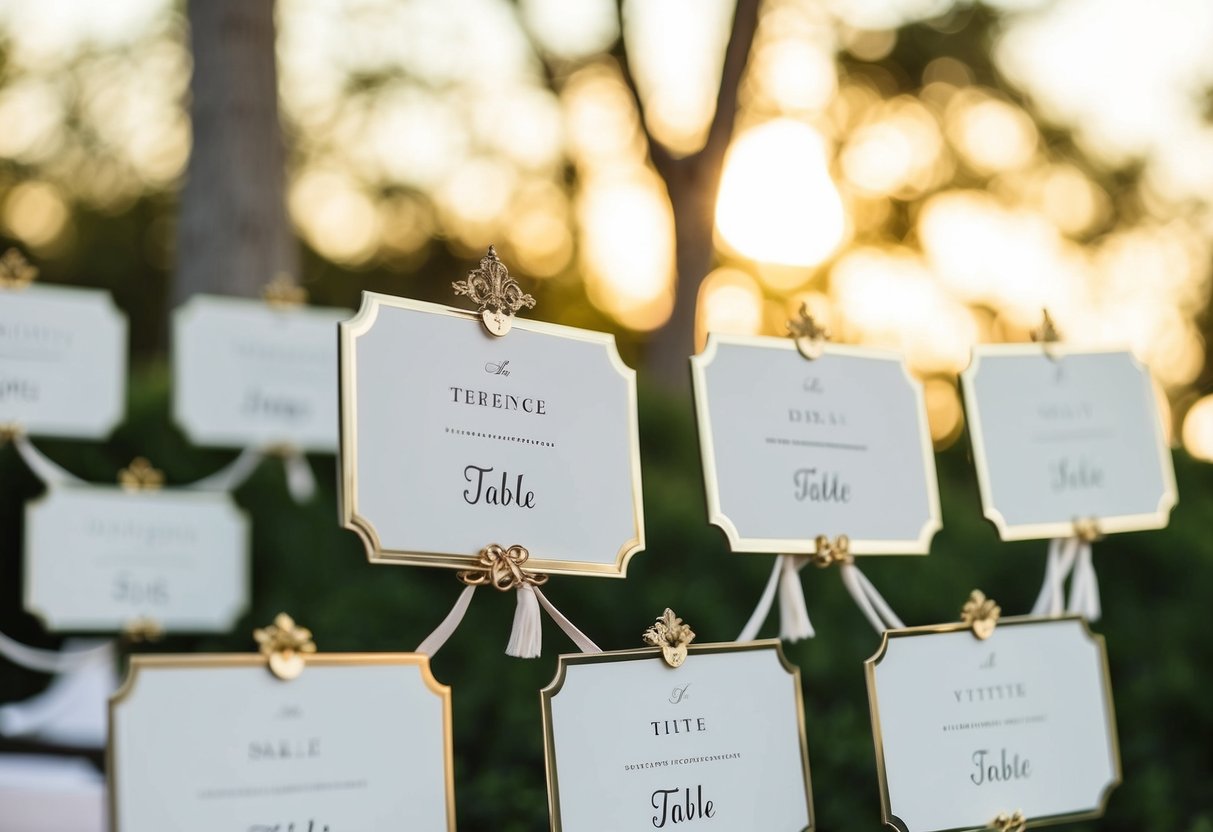
Creating a seating chart for your wedding involves thoughtful planning. You want your guests to feel comfortable and included. Proper etiquette plays a key role in how you label and arrange the seating.
Deciding on Formal Titles
When addressing guests on the seating chart, titles matter. For married couples, use “Mr. and Mrs. [Last Name]”. If the couple has different last names, list them separately as “Mr. [Last Name] and Ms. [Last Name]”.
For single women, use “Miss” or “Ms.” for those preferring a neutral option. Divorced women can use “Ms.” while widowed women should be addressed as “Mrs.”
Don’t forget the kids! Young boys can be addressed as “Master” until they turn 13. This attention to detail shows your respect for your guests and helps create an inviting atmosphere.
Arranging Guests by Relationship
When creating the seating chart, think about the relationships between guests. Start by putting close family members at the family table. This is where parents and siblings typically sit.
The head table is usually reserved for the wedding party, giving them a special spot to enjoy the celebration. Alternatively, consider a sweetheart table for just the couple, which allows more intimate moments together.
As you arrange the rest of the guest list, group friends and acquaintances based on their familiarity with each other. This strategy helps avoid awkwardness and keeps the conversation flowing at each table.
Crafting Your Seating Chart
Creating a seating chart involves careful planning to ensure that guests feel comfortable and enjoy the event. It’s important to think about the layout and how different groups will interact. Here are some considerations to help you craft an effective seating chart.
Placement of the Head Table and Sweetheart Table
Start by placing the head table and sweetheart table. The head table usually seats the wedding party and should have a clear view of the venue. Position it at the front, facing the guests, which highlights the importance of this group.
The sweetheart table is special for you and your partner. It can be a cozy option for a less formal feel. Consider placing it slightly apart from the head table to give you a bit of intimacy while still being in sight of friends and family.
Organizing Tables by Group
Next, organize the rest of your tables by group. Use alphabetical order if you have a large guest list. This makes it easy for people to find their assigned seats.
Group tables by family, friends, or work relations. This way, guests feel comfortable and can easily socialize with familiar faces.
Creating a table number system helps guests navigate. Make sure your seating chart is clear and easy to read. Using larger text can help. This prevents crowding around the chart, allowing everyone to locate their assigned seats quickly.
Special Considerations for Elderly Guests and Kids’ Table
When planning, think about your elderly guests. They may need seating closer to the action but away from loud speakers for comfort.
Providing or assigning seats at the kids’ table can help keep children occupied and make their experience fun. Consider placing activities or coloring books at their table.
Make sure all tables have enough space for movement. This is helpful for elderly guests or those with mobility issues. Comfort is key for a pleasant experience for everyone involved.
Design Elements and Practicalities
When creating a seating chart, it’s essential to focus on aesthetics and practicality. You want your guests to feel welcomed and find their spots easily. Thoughtful design can enhance your reception and ensure everyone has a great time.
Choosing the Right Calligraphy
Selecting the right calligraphy for your seating chart adds a touch of elegance. Consider the overall theme of your wedding. For a classic affair, a formal script may be best. If you’re having a fun, casual event, a looser, playful font can work well.
Make sure the calligraphy is legible from a distance. Use a font size that’s easy to read, like 36 points or larger. Keep color contrast in mind—light ink on dark backgrounds or vice versa helps with visibility. Lastly, consistency across your reception sign set creates a cohesive look.
Determining Table and Venue Layout
The layout of your venue significantly affects how you arrange your seating chart. Start by assessing the space. The dimensions will dictate how many tables you need and where they fit best.
Consider different setups, like rows for a buffet or circular tables for a more intimate feel. Make sure there’s enough space for guests to move comfortably.
Use a diagram to sketch out where each table will go, and align it with the seating chart.
Also, think about accessibility. Ensure that guests with mobility issues can easily reach their seats without navigating obstacles.
Assuring Clarity and Ease
Your seating chart needs to be clear for all your guests. Make sure their names are easy to find without squinting or guessing. Organize names by last name or table number; both methods work well.
Consider using a large board with a simple layout. If you have a buffet, indicate where guests should start, so things run smoothly. Add arrows or labels that guide them, enhancing their overall experience.
It’s also helpful to create a smaller printed version of the seating chart for each table. This way, guests can quickly see who sits where, adding to the clarity and ease of your event.
Final Touches Before the Wedding Day
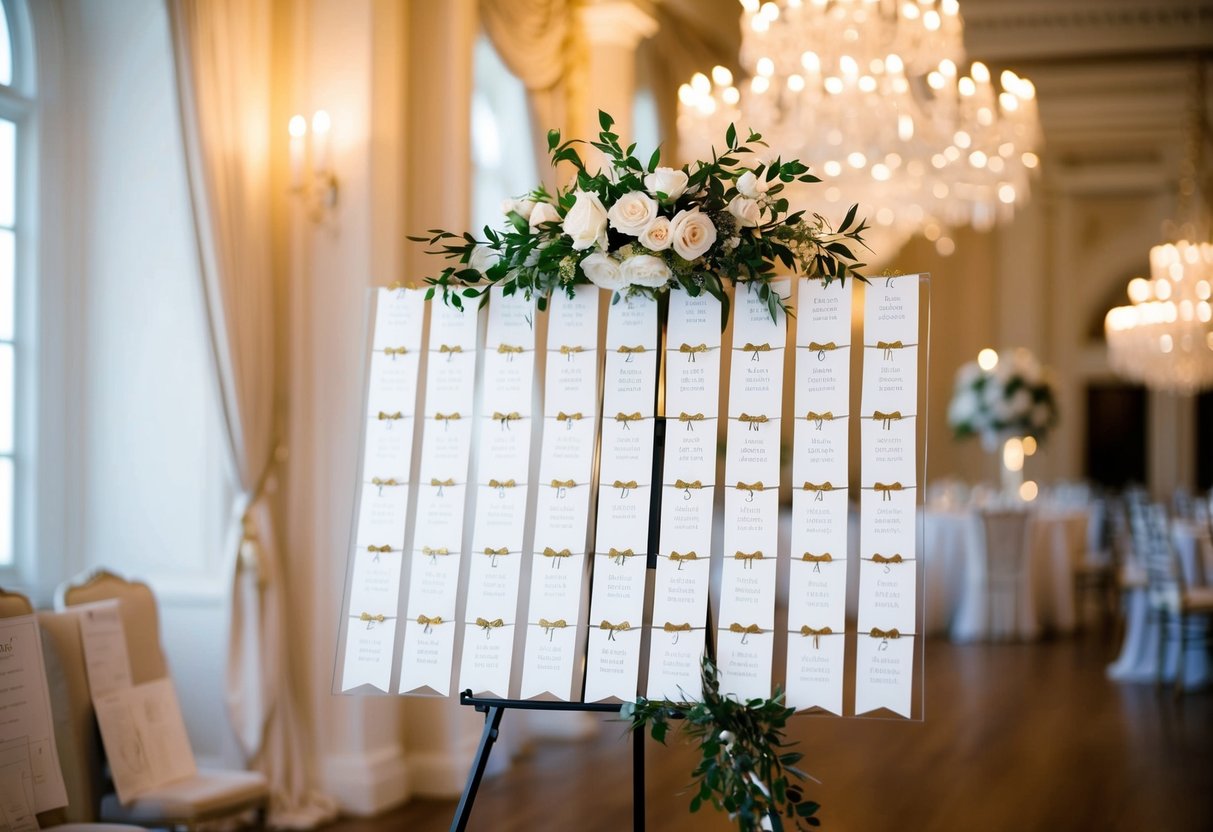
As the big day approaches, it’s important to finalize your seating arrangements and prepare any necessary cards. You want to ensure that every detail is perfect for your guests. This includes reviewing the seating chart and creating escort and place cards that match your wedding theme.
Proofing the Seating Arrangement
Before printing or displaying anything, double-check your seating chart. Make sure every guest is assigned to the correct table and that no one is left out.
For couples with different last names, ensure you clearly list both names to avoid confusion.
Use RSVP responses to identify who is attending and verify the guest count. It helps to organize everyone alphabetically, making it easier to spot errors.
If you’re working with a wedding planner, they can assist in this last review stage. A well-organized chart will make everyone feel welcome and ensure a smooth seating process.
Creating Escort Cards and Place Cards
Next, create your escort cards and place cards. Escort cards direct guests to their assigned tables, while place cards indicate specific seats. You can personalize these by including names, tables, or even a fun fact about the guest.
Choose a design that matches your wedding invitation and overall theme. For a formal wedding, elegant cards in nice fonts work well. For a casual affair, feel free to use more playful designs. Make sure to have enough cards for your full guest count, including unexpected attendees.
Properly formatted, these cards add a polished touch to your reception, ensuring that guests enjoy the event without stress.