
Do You Put Mr. and Mrs. on Save the Dates? Here’s What You Need to Know!
When planning your wedding, one of the first decisions you’ll face is how to address your save-the-date cards. A common question is whether to include “Mr.” and “Mrs.” on these important announcements. The good news is that you can use titles or skip them altogether based on your preference.
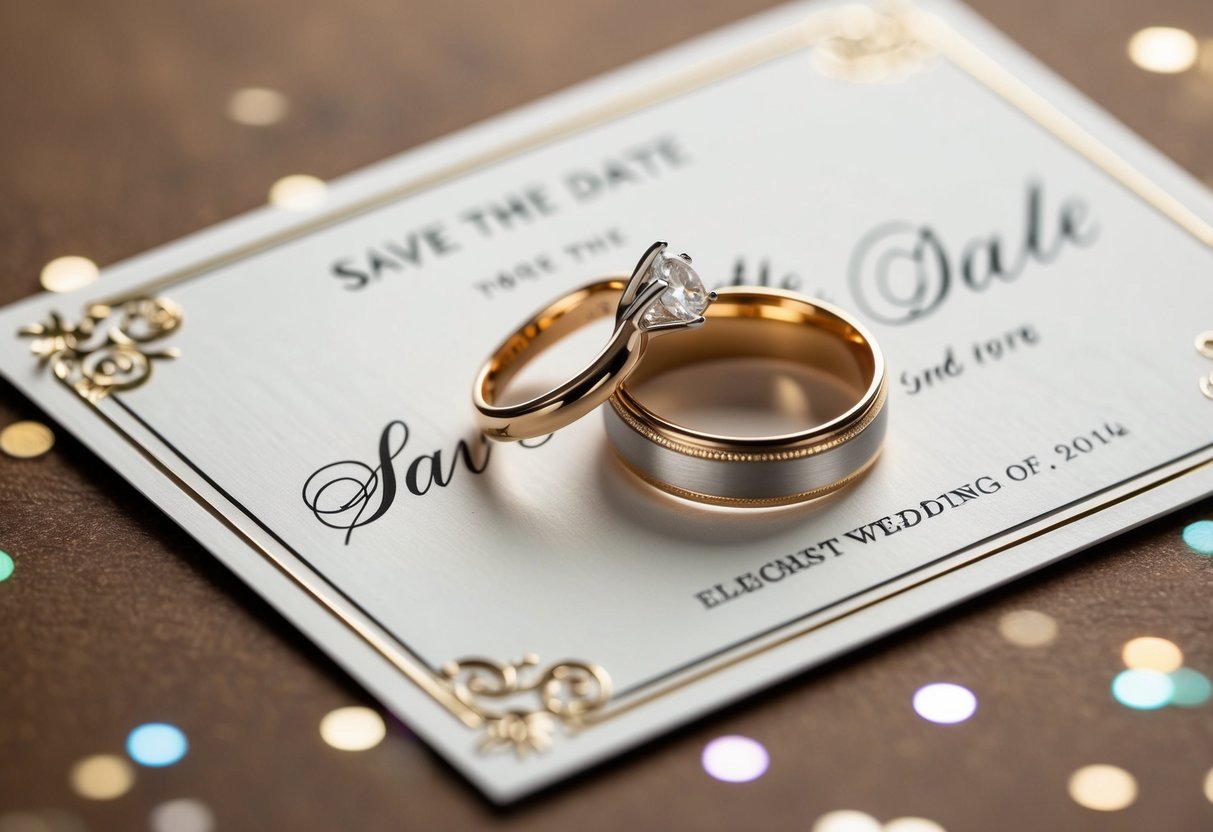
If you choose to use titles, be consistent with them across all invitations and save-the-dates. This will help to set the right tone for your celebration. Not using titles can make your announcements feel more casual, which many couples prefer for this early communication.
No matter how you decide to address these cards, what’s most important is that your loved ones know about your upcoming celebration. Understanding these choices can make the process less stressful and more enjoyable for you!
Understanding Save the Dates
Save the dates are an essential part of your wedding planning. They help guests prepare for your special day. Knowing when to send them and how they differ from formal invitations is important for a smooth planning process.
The Role of Save-the-Dates in Wedding Planning
Save the dates serve as a heads-up for your guests about your wedding date. You typically send them out several months in advance, allowing people to mark their calendars.
These announcements can be sent in various ways, such as traditional cards or digital save-the-dates. Including both you and your partner’s names is a nice touch, letting everyone know who is tying the knot.
Consider adding “and family” to invite guests’ loved ones. This sets expectations ahead of time, making it clear who is welcome. When you finalize your guest list, you can send out the formal invitations with more details.
Differences Between Save-the-Dates and Formal Invitations
While both serve as wedding communications, save the dates are more informal. They simply announce the wedding date, whereas formal invitations provide all necessary information.
Formal invitations include specific details like venue, time, and RSVP instructions. They often use more elegant stationery and can include additional elements, such as reception cards.
For addressing save-the-dates, you don’t have to use titles like “Mr. and Mrs.” You can choose what feels right for you. With formal invitations, using proper titles can add a touch of elegance.
Understanding these differences helps you design and send the right messages to your guests, ensuring they feel informed and welcomed to your wedding celebration.
Addressing Save the Date Cards
Addressing save the date cards can sometimes feel tricky, but it’s all about proper etiquette and ensuring everyone feels included. Here are some helpful guidelines for different types of couples and guests.
Titles and Etiquette for Married Couples
When addressing save the date cards to married couples, you usually use “Mr. and Mrs.” followed by the husband’s last name. For example, “Mr. and Mrs. Smith.” If the couple prefers a more modern approach, you can simply list both names without titles.
For example:
- John Smith and Jane Doe
Make sure to check if they have any preferences. Always write names clearly and spell them correctly to show respect.
Addressing Unmarried Couples and Plus-Ones
For unmarried couples, it’s best to list both names. You can use “Mr.” and “Ms.” or simply their first names.
Example formats:
- Mr. John Smith and Ms. Jane Doe
- John and Jane
If you’re inviting a plus-one, you can mention their name or simply state “and Guest” if you don’t know who they will bring.
Using proper titles shows thoughtfulness and consideration for everyone involved.
Formal Titles and Addressing Same-Sex Couples
When addressing same-sex couples, use the same rules that apply to married couples. You can opt for formal titles, such as “Mr.” and “Mr.” or “Ms.” and “Ms.” You can also choose to use first names for a more casual approach.
Examples include:
- Mr. Jake Johnson and Mr. Paul Lee
- Jake and Paul
Make sure to ask couples how they prefer to be addressed, as individual preferences can vary.
Formatting for Different Last Names and Single Guests
When couples have different last names, include both names on the save the date. List them in alphabetical order or the order they prefer.
Example:
- Ms. Jane Smith and Mr. John Doe
For single guests, you should only include their name. If you know they are dating someone, it’s polite to add “and Guest.”
Using these guidelines will help you address your save the dates correctly and respectfully.
Save the Date Logistics
Planning your save-the-dates involves several important decisions. You need to think about the design of your cards, when to send them, and whether to choose electronic options or traditional paper. Each of these factors contributes to how effectively you communicate your wedding plans.
Choosing the Right Save-the-Date Cards
When selecting your save-the-date cards, consider the theme and style of your wedding. This is the first hint guests will receive about your special day.
You can choose from a variety of styles such as elegant, whimsical, or modern. Include elements that reflect your personalities. If you’re having a destination wedding, incorporate a beach or travel motif. Ensure your wedding date and location are clear.
Don’t forget to add a return address on the envelopes for ease of communication. Personalized touches, like a photo of you as a couple, can make your save-the-dates memorable.
When to Send Them and What to Include
Timing is key for sending your save-the-dates. Ideally, they should go out 6 to 8 months before your wedding date, especially if you have a destination wedding. This gives your guests time to plan their travel and accommodation.
Make sure to include essential information: your names, wedding date, and a brief note about the location. You might also want to specify if it’s a destination wedding to help guests prepare. Adding a link to your wedding website can also be helpful to keep everyone updated.
If you have a guest list with many people, remember to keep the wording simple and clear. Your guests will appreciate the straightforward approach.
Electronic Versus Paper Save-the-Dates
Choosing between electronic and paper save-the-dates depends on your style and guest list.
Electronic save-the-dates are quick and cost-effective. They allow you to communicate instantly, which can be particularly useful if plans change.
Paper save-the-dates offer a personal touch that many couples prefer. They can double as keepsakes for your guests. With paper, you have the option of including unique textures and colors that stand out.
Consider your audience. If most of your guests are comfortable with technology, electronic options might work well. If not, beautiful save-the-date envelopes can make an impact. Choose what feels right for you!