
Do You Put Mr and Mrs on Save the Dates? Understanding Formal Invitations
When planning your wedding, one question often comes up: do you put Mr. and Mrs. on save the dates? The answer is, it’s entirely up to you!
Save the dates are meant to inform your guests about your upcoming celebration, so choose the style that feels right for you as a couple.
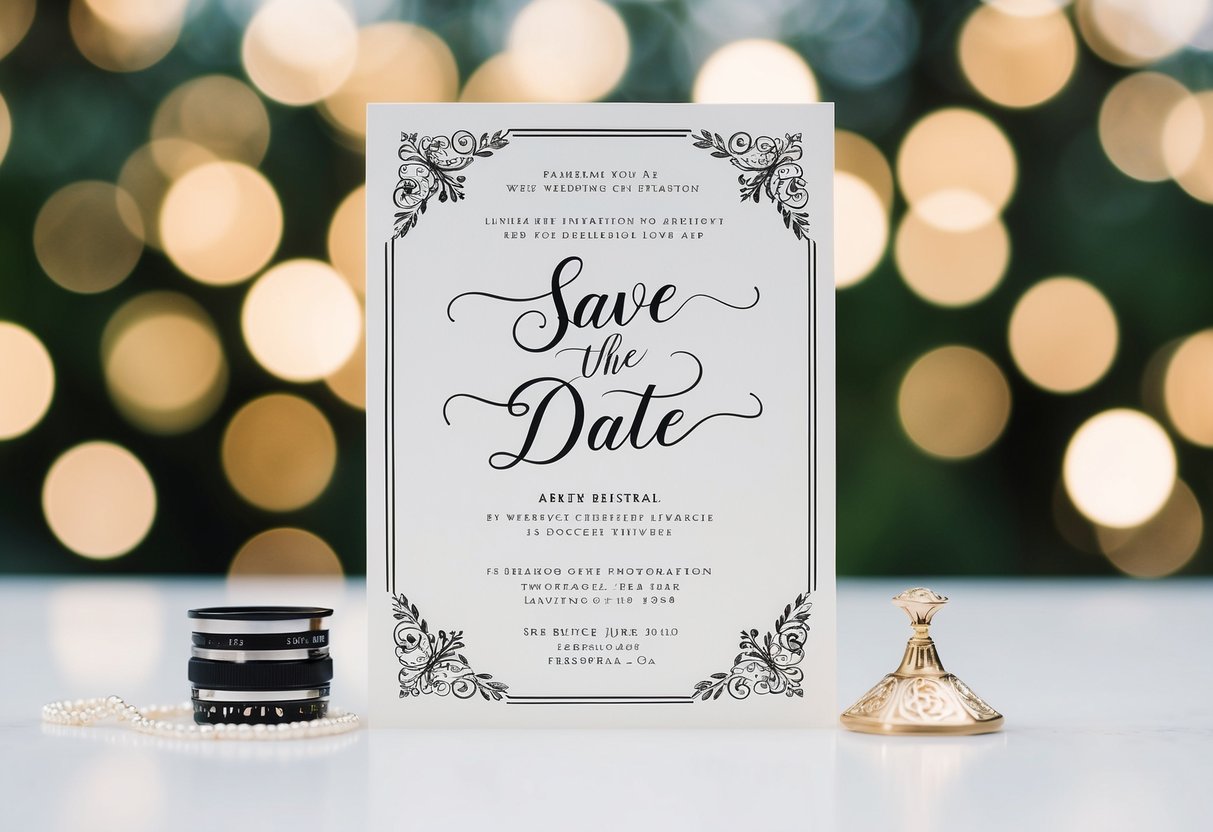
If you’re sending save the dates to married couples, including titles can add a touch of formality. For unmarried couples or same-sex couples, it’s also fine to simply use their names without titles.
Keeping things consistent across your guest list will help avoid any confusion when invitations are sent out later.
Understanding Save-the-Date Basics
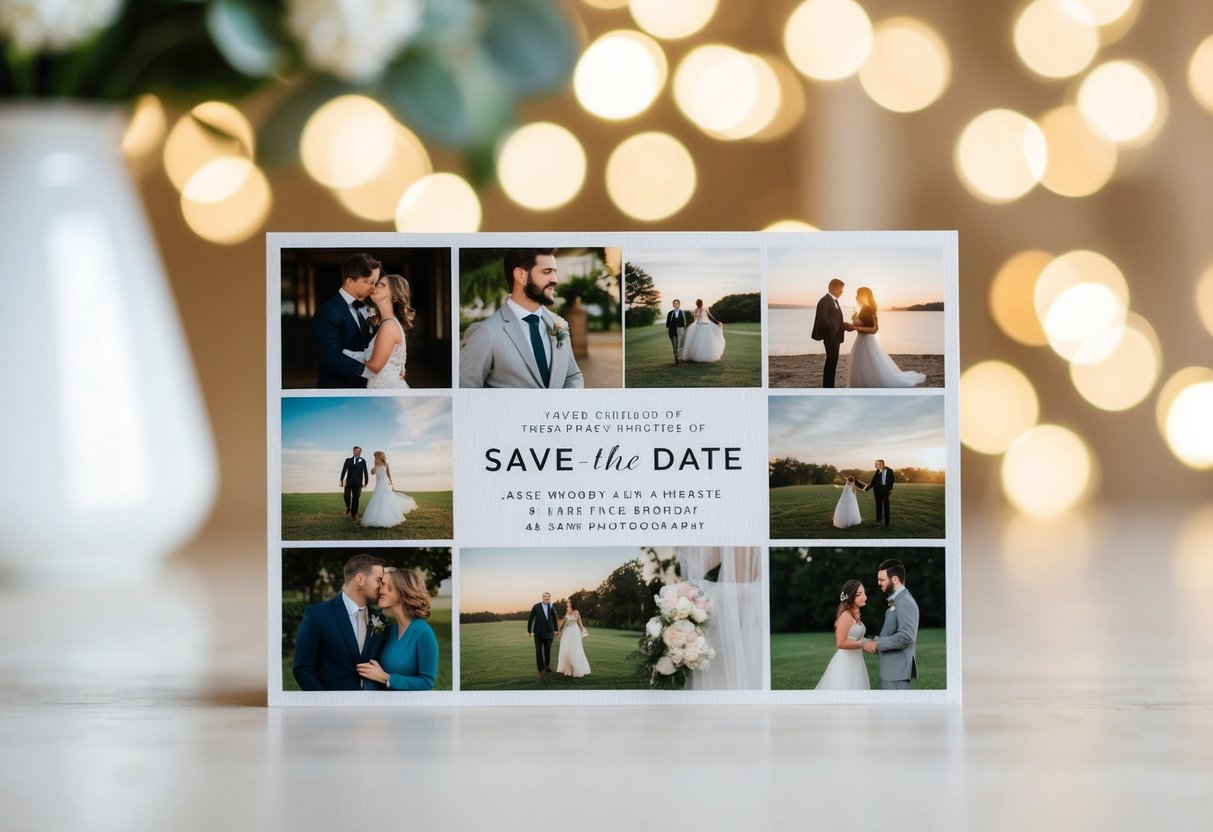
Save-the-dates are important early notices for your wedding. They set the stage for your special day and help your guests plan ahead.
Purpose of Save-the-Dates
The main purpose of save-the-dates is to inform your guests about your wedding date. This is especially helpful for destination weddings or events when many guests need to make travel plans.
These notices ensure that your loved ones have enough time to arrange their schedules. Including details like the wedding location or travel information can also be beneficial.
When you send a save-the-date, it gives your guests a heads-up. This way, they won’t miss your big day, especially during busy seasons, when many couples get married.
Timing for Sending Out Save-the-Dates
You should send save-the-dates as soon as you have your wedding date set, ideally six to eight months before the event. If you’re having a destination wedding, consider sending them even earlier.
This advance notice allows your guests to plan ahead, booking travel and accommodations. For local weddings, sending save-the-dates about three to four months in advance may be enough.
Make sure to include your wedding date clearly, and if possible, mention the location. This information helps your guests understand the event better and can reduce confusion later when you send the official wedding invitations.
The Etiquette of Addressing Save-the-Dates
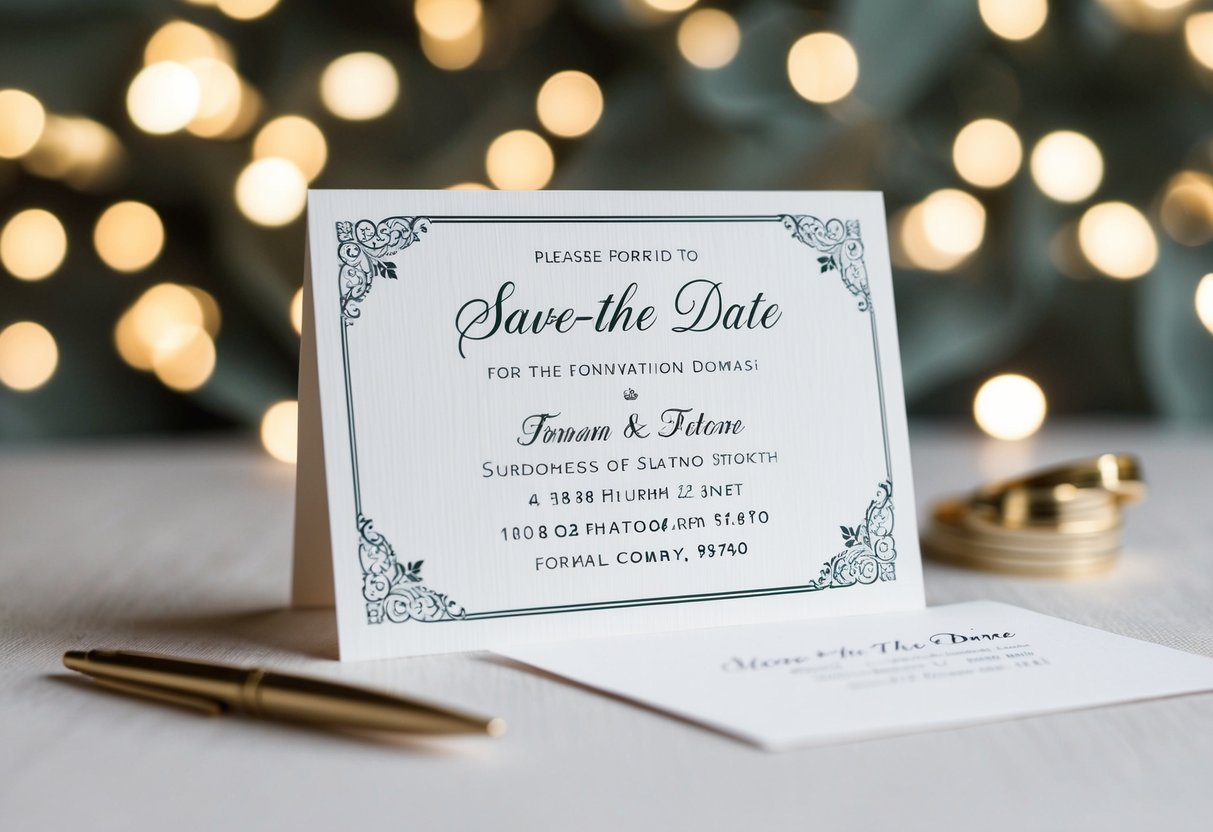
Addressing save-the-dates correctly is important for setting the tone of your wedding. Knowing how to include titles, address couples, and mention families can make your invites feel special. Here’s a closer look at how to do it right.
Formal Titles and Addressing
When addressing save-the-dates, you may choose to use formal titles like Mr., Mrs., and Ms.. Using these titles shows respect and adds a touch of elegance to your invitation. For married couples, use Mr. and Mrs. followed by the husband’s full name.
Example:
- Mr. and Mrs. John Smith
If you prefer a more casual approach, feel free to drop the titles and simply use the names. This works well for friends or informal gatherings.
Remember, consistency is key. If you use titles for one couple, apply it to all couples on your list.
Addressing Different Types of Couples
When addressing couples, make sure to include both names. For a married couple, follow the formal title format mentioned earlier.
For dating or engaged couples, you can list them together, like this:
- Emily Johnson and Jake Brown
This format is friendly and welcoming. If someone in the couple has a title, consider that when deciding how to address the envelope.
If one person is single and you want to invite a guest, include “and Guest” or specify their plus one.
Example:
- Sarah Thompson and Guest
This way, everyone feels included!
Addressing Families and Children
When inviting families, list the parents first, followed by the children’s names. Start with the adults’ titles and names, just like with couples.
For example:
- Mr. and Mrs. David and Jane Miller
Next, include the children’s names either below or to the side.
Example:
- Jack and Lily Miller
If you’re inviting families, consider using the phrase “and Family” for ease.
For mixed family dynamics, make sure to acknowledge each parent or guardian to ensure everyone feels valued. This is especially helpful for blended families.
Designing Your Save-the-Date Cards
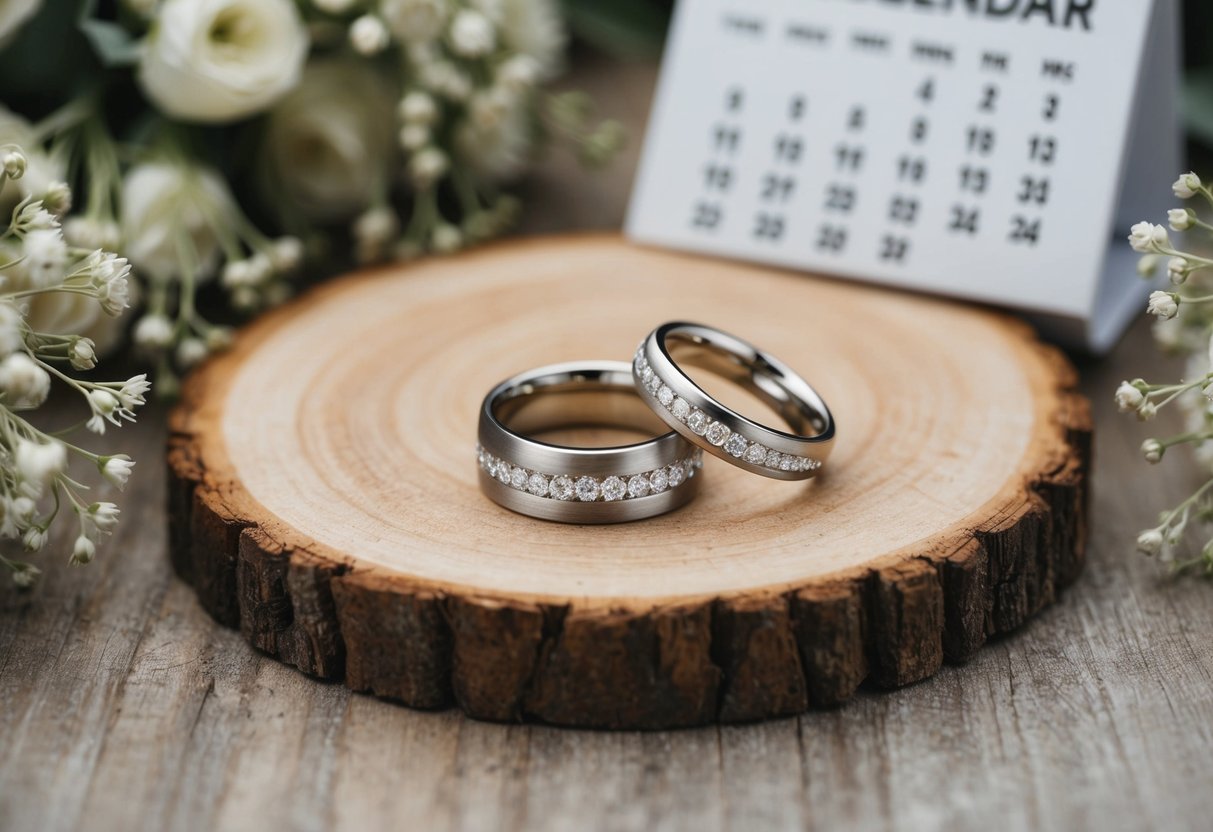
When designing your save-the-date cards, you want to create something that reflects your style and gives your guests a taste of the wedding to come. Consider different styles, how to use your engagement photos, and whether to go digital or stick with a physical card.
Choosing the Right Card Style
Selecting the right card style sets the tone for your wedding. Think about whether you want something formal, casual, or themed. You can choose from traditional paper cards, postcards, or even magnets.
Consider these elements:
- Color Scheme: Match it with your wedding colors.
- Font Styles: Choose fonts that enhance readability and fit your theme.
- Size and Shape: Go for unique shapes or classic rectangles.
Make sure your style aligns with what you envision for your special day.
Incorporating Engagement Photos
Using your engagement photos on your save-the-date cards adds a personal touch. These images can showcase your love story and help guests feel more connected.
Tips for using photos:
- Quality: Use high-resolution images to ensure clarity.
- Placement: Consider a full-card photo, or use it as a background with text overlaid.
- Theme: Make sure the photo reflects your wedding theme or location.
Engagement photos can turn a simple card into a wonderful keepsake for your guests.
Digital Versus Physical Save-the-Dates
Choosing between digital and physical save-the-dates depends on your needs and guest preferences. Digital save-the-dates are quick and easy to send, while physical cards offer a traditional touch.
Consider these factors:
- Budget: Digital options are often more cost-effective.
- Time: If you’re short on time, digital can deliver your message faster.
- Personalization: Physical cards allow for more creative design elements and textures.
Whichever you choose, make sure it aligns with the overall feel of your wedding.
Additional Save-the-Date Details
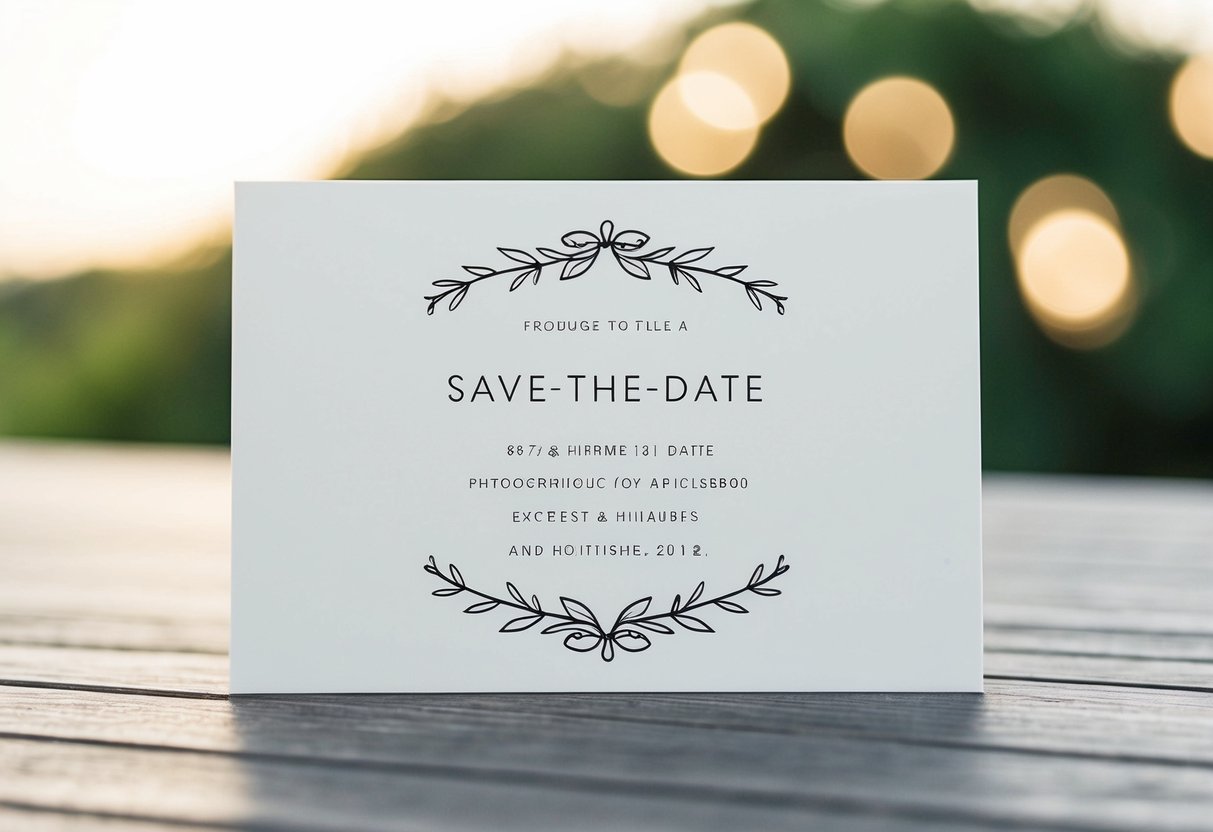
When sending out save-the-dates, there are a few important details to consider. This ensures that your guests are informed and prepared for your special day. Here’s how to make your save-the-dates even more helpful.
Including Plus-One Information
If you plan to allow guests to bring a plus-one, it’s a good idea to include this information. You can mention it directly on the save-the-date or provide clarity in a follow-up message.
When addressing envelopes, you can write both names if the plus-one is known, or use “and guest” for unknown attendees. For instance:
- Mr. John Smith and Guest
This makes it clear that your guests won’t just attend alone. If you’re having a destination wedding, mentioning the option for plus-ones can help them plan better.
Just remember, not all couples invite plus-ones. Consider your guest list carefully when deciding.
Providing Wedding Location and Website
Your save-the-date should include the wedding location. This helps guests know when and where the event will take place.
If you have a wedding website, include its URL for more details. Your website can have vital information about travel, accommodations, and wedding updates.
Example of what to include:
- Date: July 15, 2025
- Venue: The Grand Hall, New York City
- Website: yourweddingwebsite.com
Make sure your save-the-date envelopes reflect this add-on info clearly. It sets expectations and lets guests start planning their trip if it’s a destination wedding.