
Do You Put Mr and Mrs on Wedding Place Cards? Tips for Perfectly Addressing Your Guests
When planning your wedding, details matter, especially when it comes to wedding place cards. You might wonder if you should include “Mr. and Mrs.” before your guests’ names. You get to choose, and your choice often depends on the tone you want to set for your wedding reception.
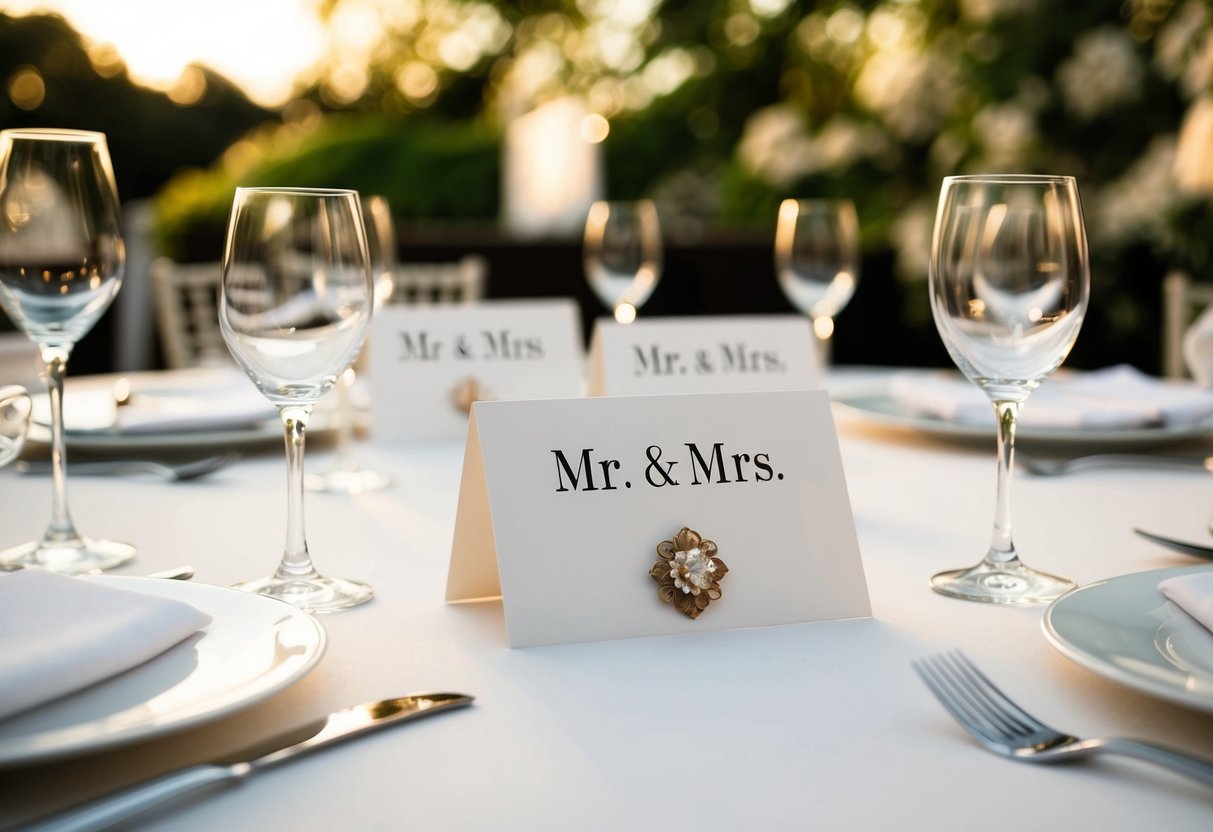
If your event leans towards a formal style, using “Mr. and Mrs.” can add a touch of elegance and respect. However, many couples are opting for a more relaxed and personal approach, choosing to use just first names or a casual format. This can enhance the guest experience by making everyone feel more comfortable and welcomed.
As you prepare your place cards, think about what feels right for your celebration. Whether you decide to go traditional or modern, your choice will reflect your style and the warm atmosphere you want to create for your guests.
Understanding Place Cards
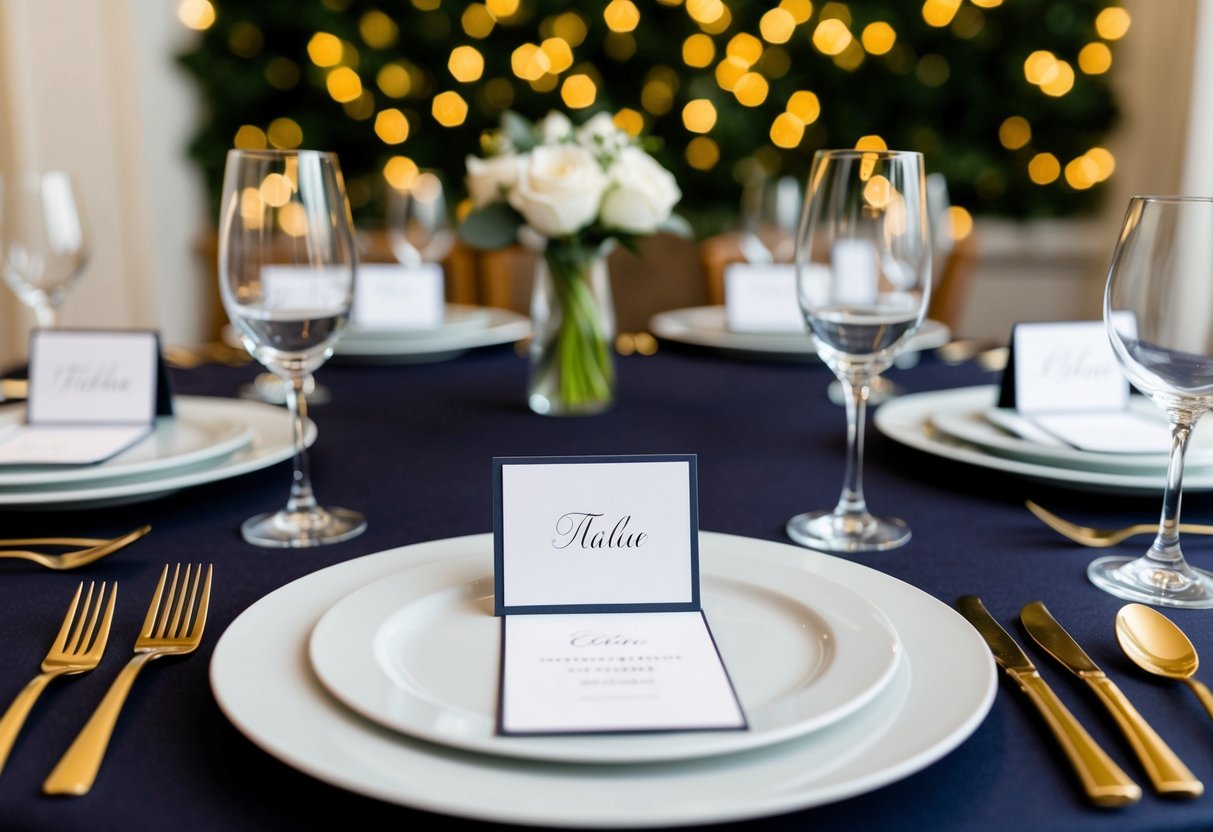
Place cards are an essential part of wedding seating arrangements. They help guests find their assigned seats and set the right tone for your event.
Let’s go over some key details about the differences between place cards and escort cards, their roles in a wedding, and the various types available.
Difference Between Place Cards and Escort Cards
Place cards and escort cards serve different purposes. Place cards sit on the table, showing each guest’s name and assigned seat. You might choose to use high-quality acrylic or laser cut names for a stylish look.
On the other hand, escort cards guide guests to their table numbers without assigning a specific seat. They usually display the guest’s name and the table number. Both play a role in formal and casual weddings, helping everyone find their place with ease.
The Role of Place Cards at a Wedding
Place cards help create an organized atmosphere at your wedding. They ensure that everyone sits where you intended, which can be crucial for managing dynamics among guests. You can customize each card with different designs or materials, such as gold place cards or fun themes that match your decor.
Additionally, place cards can add a personal touch to your tablescape. You might include a small note or fun fact about each guest. This makes the dining experience more engaging and memorable, enhancing the enjoyment of your special day.
Types of Place Cards
There are many types of place cards to choose from depending on your wedding style. For formal weddings, elegant acrylic place cards in clear or frosted finishes work well.
For a more casual atmosphere, you might opt for colorful designs or playful shapes. Consider using table numbers that complement your place cards for a cohesive look. Customization options abound, so you can select fonts and colors that reflect your wedding’s theme.
Choose the style that best fits your vision and ensures guests feel welcomed and appreciated.
Designing Your Wedding Place Cards
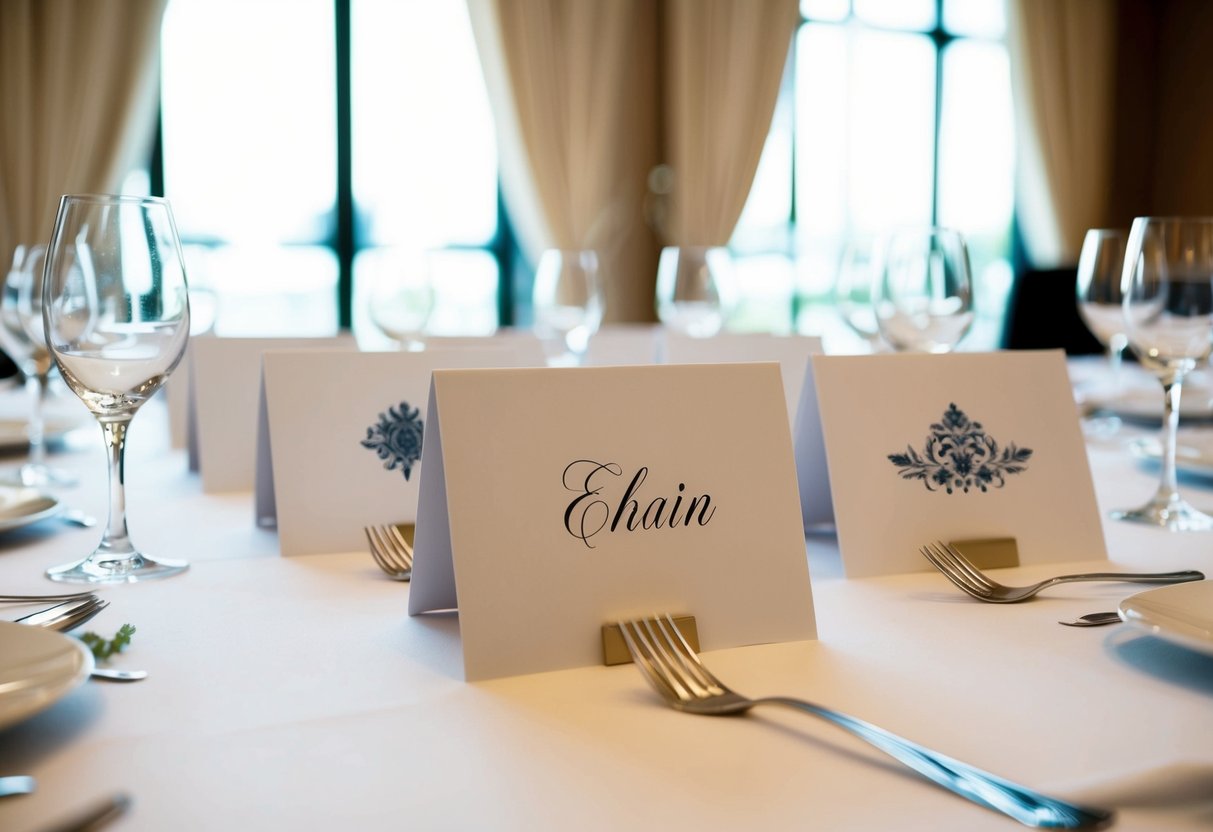
Creating beautiful wedding place cards involves careful planning. From selecting a style that fits your theme to choosing the materials, each choice will reflect your wedding’s personality and atmosphere.
Selecting the Right Style
When selecting the right style for your wedding place cards, consider the overall theme of your event. Are you aiming for something modern or classic?
- Modern Weddings: Clean lines and minimalistic designs work well. Consider custom made acrylic place cards that offer a sleek, contemporary look.
- Classic Weddings: Traditional styles often feature elegant name cards with formal lettering. Using calligraphy adds a touch of sophistication, perfect for a timeless look.
- Romantic Weddings: Soft colors and floral designs create a warm atmosphere. Choose handmade wedding stationery that reflects your personal flair.
Make sure the style matches your table settings and overall decor for a cohesive look.
Incorporating Calligraphy and Typography
Calligraphy can transform simple place cards into stunning pieces of art. Think about the emotions you want to evoke through your typography.
- Elegance: Choose flowing scripts for that luxurious feel. This is great for luxury wedding place cards.
- Readability: Ensure the text is easy to read. Avoid overly ornate styles that may be hard to decipher at a distance.
- Consistency: Keep your typography consistent across all your stationery. This creates a unified look throughout your wedding decor.
Adding personal touches through calligraphy or a unique font can make your place cards truly special.
Choosing Materials and Embellishments
Your choice of materials plays a big role in the overall look of your place cards. Different materials can convey different vibes.
- Paper: Classic and versatile, it works for any theme. Consider textured or colored paper for extra flair.
- Acrylic: For a modern touch, acrylic escort cards stand out on any table.
- Embellishments: Ribbons, floral accents, or even small charms can add a lovely detail. Choose embellishments that harmonize with your wedding colors.
Remember, the materials and embellishments you choose should complement your style and theme while providing a practical way to direct your guests.
Etiquette for Addressing Wedding Place Cards
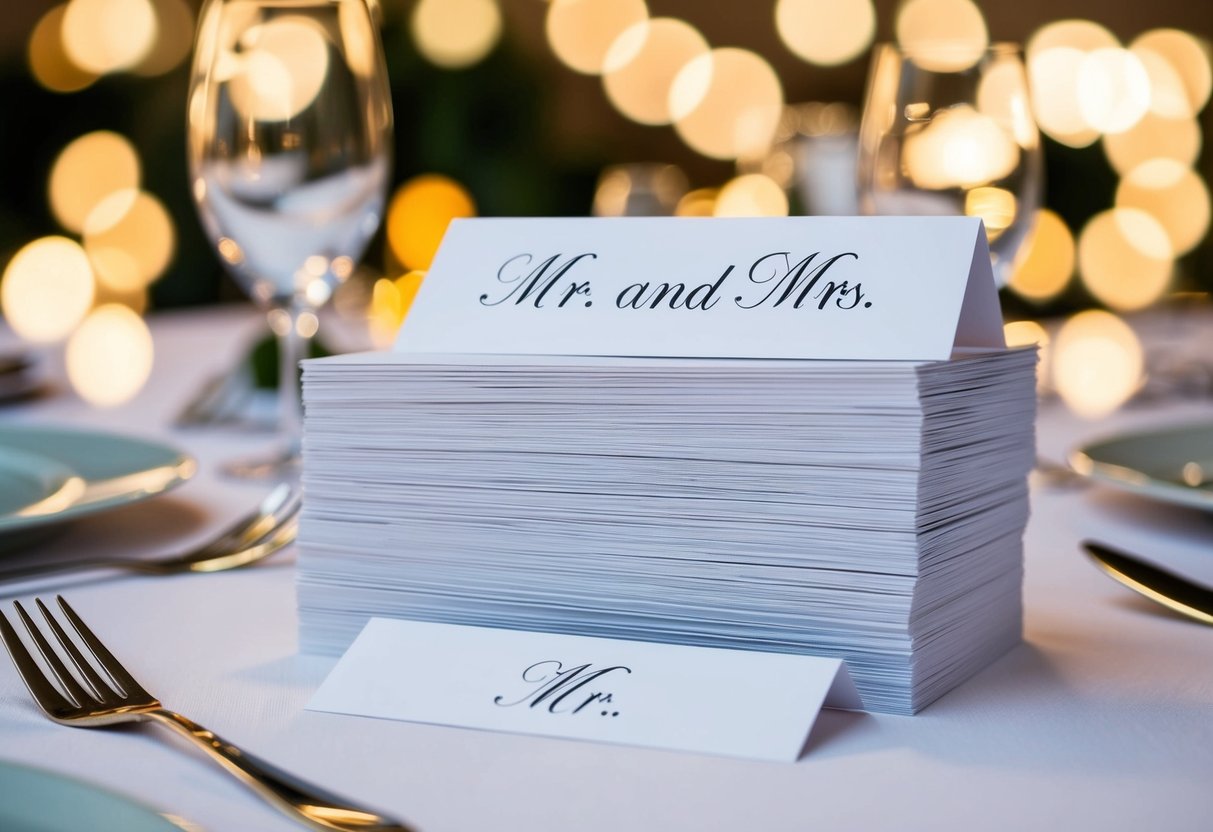
Addressing wedding place cards is essential for setting the right tone at your event. You want to reflect the elegance of your celebration and show proper respect to your guests. Here’s what you need to consider.
Using Titles and Names Appropriately
When addressing place cards, choosing the right titles can make a big difference. You can use “Mr.” and “Mrs.” before a couple’s names, like “Mr. and Mrs. John Doe.” This shows formality and respect, especially at elegant events.
For same-sex couples, use the appropriate titles for both partners, such as “Mr. Alex Smith and Mr. Jake Brown.” If you prefer a more casual vibe, you might just go with first names, like “Alex and Jake.” However, always consider your guests’ feelings and preferences when selecting titles.
If you have a guest with the same last name seating at the same table, make sure to include their first name too, to avoid confusion. Proper etiquette enhances your wedding’s atmosphere and makes your guests feel valued.
Placement and Setting of Place Cards
The placement of your place cards is just as important as how you address them. Make sure that each place card is visible and clearly set at each guest’s spot during the reception. This helps guests find their seats quickly and easily.
Consider using custom-made acrylic place cards for a modern touch or elegant designs that match your theme. Avoid clutter by ensuring the cards don’t obscure other items like menus or table decorations.
For formal events, it’s best to stick to a consistent style throughout your seating cards. This includes matching the typography and color scheme with your wedding invitations. A well-organized seating arrangement not only looks good but also encourages mingling and enjoyment among guests.
Wedding Reception Seating Arrangements
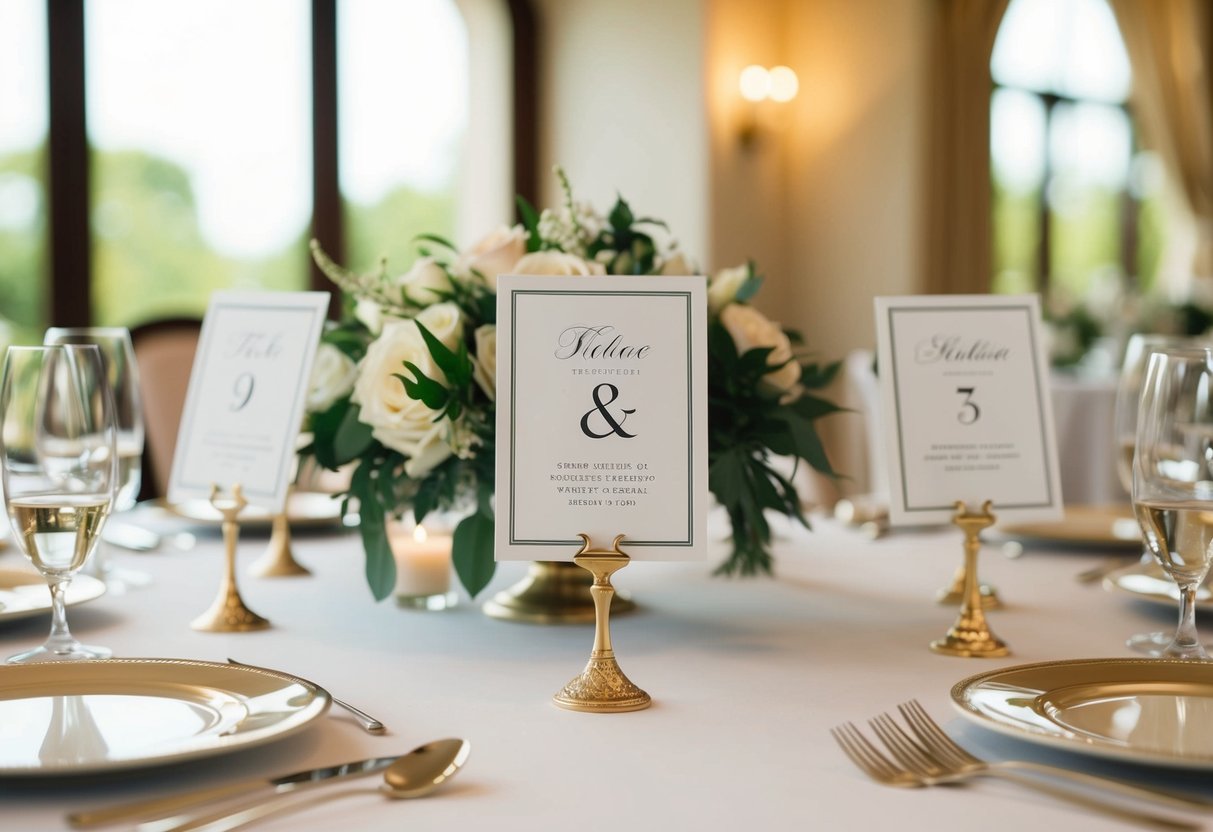
Setting up your wedding reception seating arrangements can feel overwhelming. It’s important to balance organization with the comfort of your guests, making sure everyone feels at ease during the celebration.
Creating an Effective Seating Chart
To start, gather your guest list and RSVP confirmations. Creating a seating chart begins with knowing who is attending.
Once you have your final wedding guest list, you can begin organizing. Consider using a seating chart template or digital tool to make this easier. Assign table numbers clearly, and ensure that you list guest names on cards or a chart.
Many couples choose to use name tags or tented cards to identify where guests should sit.
Make a sketch that shows the layout of tables and their locations. This visual can help visualize your seating arrangement. Placing the head table near the dance floor or buffet can enhance the flow of the evening.
Catering to Guest Needs and Relationships
When planning the seating, think about your guests’ relationships and comfort. Group friends and family members who get along well. Keep any estranged relatives apart to avoid awkwardness.
Consider any special needs among your guests. This could include seating someone who requires closer access to the restroom or providing a quieter space for introverts.
Use wedding reception stationery to clearly display each guest’s name and table number. This helps them find their seats easily and can avoid confusion during your reception.
Modern calligraphy on your seating cards can also add a personal touch while guiding guests seamlessly.