
Do You Put Name on Wedding Card? Here’s How to Personalize Your Message
When addressing a wedding card, it can be a little confusing. Traditionally, you should put the bride’s name first, followed by the groom’s name. This rule helps honor the couple’s relationship and the significance of the occasion.
If you’re handling wedding invitations, it’s important to follow this etiquette to ensure everything looks proper.
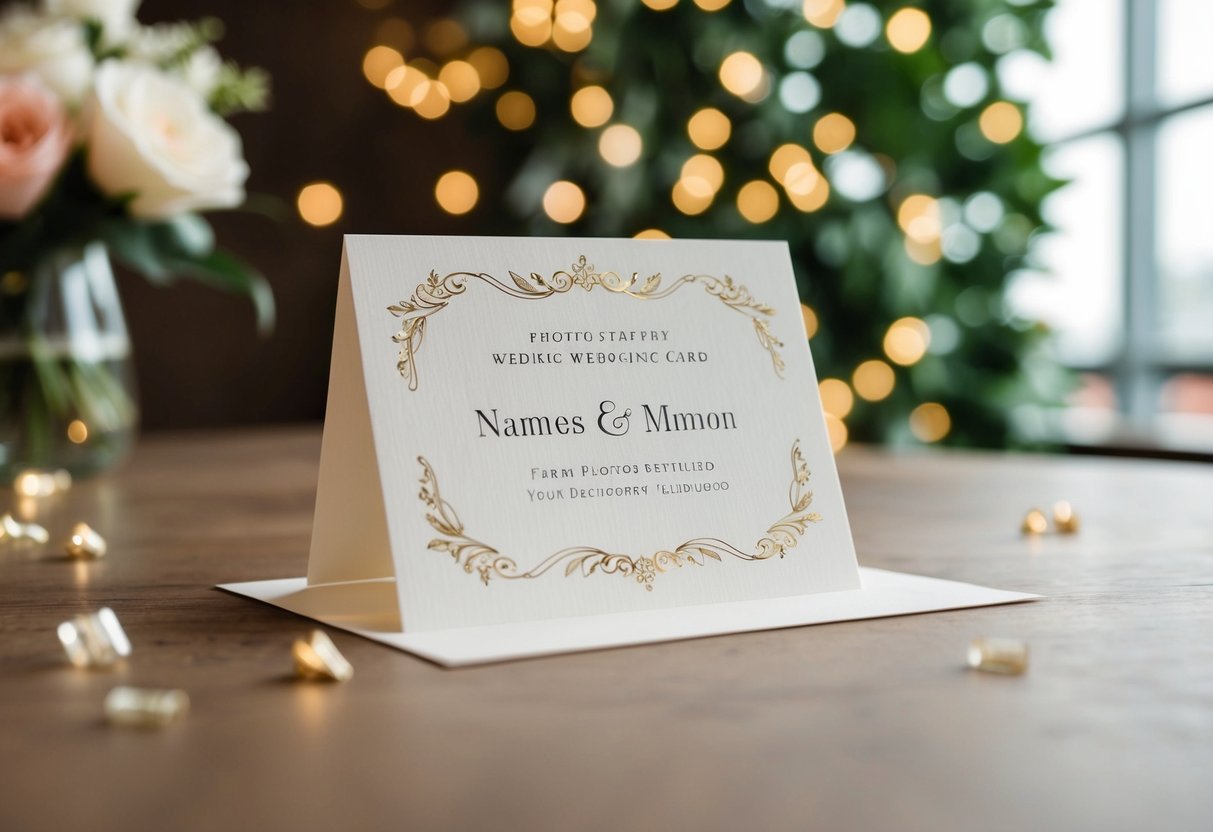
As you dive into the world of wedding invitations, you’ll find that the name order is just one element of a larger set of customs. Knowing how to correctly address cards and invitations keeps you in sync with the celebration’s spirit. This little detail can make a big impact on how your card is perceived and received.
Whether you’re sending a card, writing a message, or planning your own event, understanding these names can bridge the connection between tradition and your personal touch. So let’s explore how to properly address your wedding card and make sure your warm wishes shine through!
The Essentials of Wedding Card Etiquette
When sending a wedding card, it’s important to know how to address it properly. Following etiquette helps you show respect for the couple and their special day. Here are key points to remember.
Understanding the Basics of Wedding Etiquette
The names you include on the card matter. Traditionally, the bride’s name goes first. You can use her first and middle names, followed by the groom’s full name. This ordering honors the bride’s family, which used to host the wedding.
When addressing envelopes, make sure to use both names on the outer envelope. If you’re sending to unmarried couples, list both names in the order of preference or alphabetical if they have no preference. For same-sex couples, it’s completely fine to use either name first—focus on what the couple prefers.
Decoding Invitation Wording
Wedding invitation wording can guide you on how to address your card. If the invitation mentions “Mr. and Mrs. Groom’s Last Name,” write your card to match this format.
You can also note if the couple has included their titles. Use “Mr.” and “Ms.” as appropriate. For couples who are co-hosting their wedding, include both of their names on the invitation and your wedding card.
For gifts or checks, write them out to “Mr. and Mrs. Last Name” if you know they plan to share a last name. If you’re unsure, consider the couple’s preferences regarding their names, especially if they are keeping their own surnames.
Crafting Personalized Messages & Wishes
Writing a wedding card can be a heartfelt task. You want to express your best wishes and congratulations genuinely. Personal messages can make your card stand out and mean a lot to the couple.
Writing Heartfelt Wedding Wishes
When crafting your wedding wishes, think about what the couple means to you. Start with a warm “Congratulations!” and follow with a personal message.
You could say, “Wishing you a lifetime of love and happiness.” Adding specific details, like how you admire their relationship, can make it even more meaningful. For example, “Your love inspires us all.”
Consider using religious wedding wishes if appropriate. Phrases like “May God bless your union” can reflect your values. Keep your tone genuine and warm. Avoid clichés and aim for something that resonates with the couple’s journey.
Addressing Modern Marriages on Cards
Today’s weddings often celebrate diverse relationships, including same-sex couples. When writing a message, use inclusive language. Address both individuals by name in your greeting, such as “Dear Alex and Jamie.”
Modern wedding invitations can vary in tone. Feel free to adapt your message to match the couple’s style. For example, a playful note can work well for a sunny beach wedding.
Consider sharing your hopes for their future. You might say, “Wishing you both all the best as you start this exciting new chapter.” Personal touches in your wording show you care about their love story, which adds charm to your message.
Final Touches to Wedding Cards
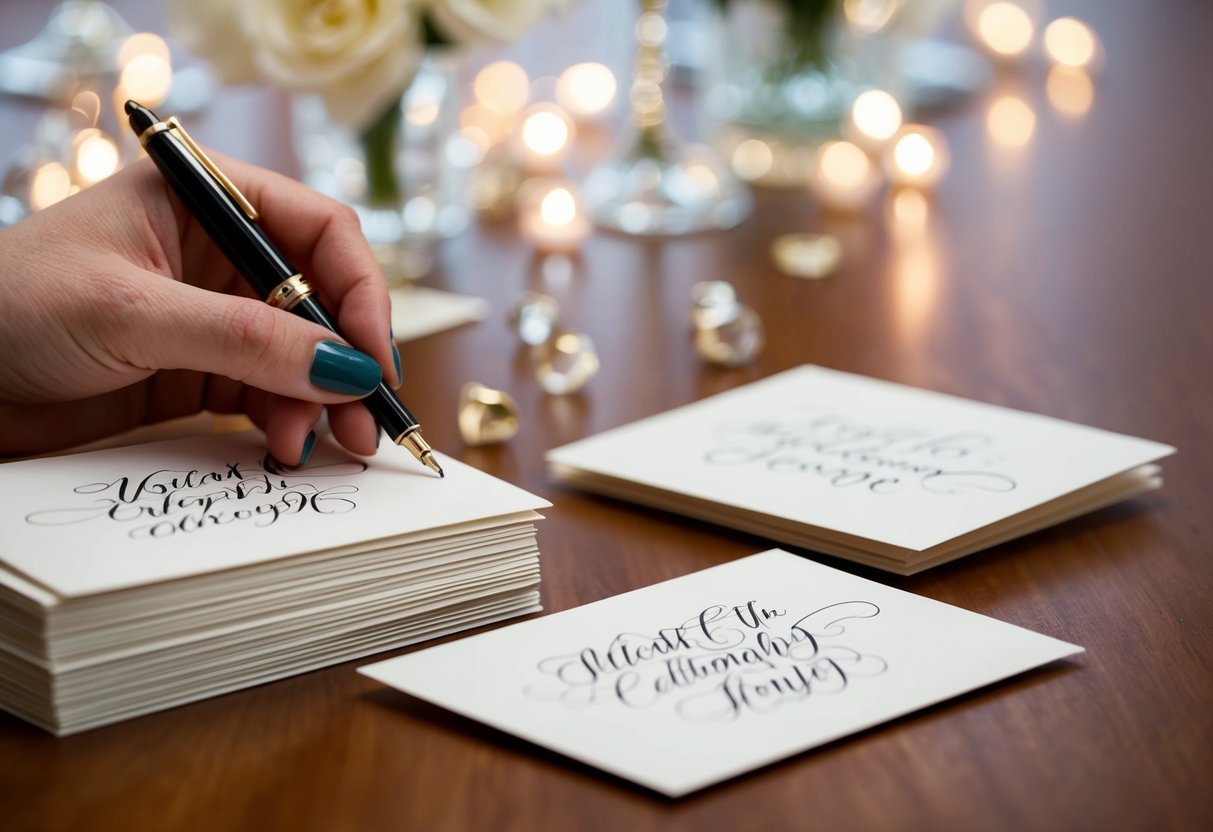
When crafting your wedding card, attention to detail makes a big difference. Selecting the right stationery and closing your card with style will enhance your message and showcase your thoughtfulness.
Selecting the Right Wedding Stationery
Choosing the perfect wedding stationery sets the tone for your card. You want it to reflect the couple’s style and the wedding theme. Consider colors, design, and material that align with their celebration.
Types of Wedding Stationery:
- Formal Invitations: Often elegant, with classic fonts and designs. Use these for formal events.
- Casual Cards: A relaxed vibe with fun graphics or playful colors works for more informal weddings.
Cultural Background: If the couple comes from a specific cultural background, choose stationery that respects and reflects those traditions. This shows you care.
Closing Your Wedding Card with Style
Your closing words can leave a lasting impression. How you end your card adds a personal touch.
Here are some tips:
- Choose Your Words Wisely: Use warm, heartfelt phrases like “Best Wishes” or “With Love.”
- Personal Touch: If you have a fond memory or piece of advice, add it here.
Wedding Calligraphy: If you want to elevate your card, consider using calligraphy for the closing. It adds elegance and a personal flair to your message.
The right closing will resonate with the couple and make your card stand out, adding to their beautiful day.