
Do You Put Names on Wedding Invitations? A Guide to Wedding Etiquette
When planning your wedding, you may wonder if you should include guest names on the invitations. The short answer is yes; writing guest names on wedding invitations clarifies exactly who is invited. It can prevent any confusion and ensures that everyone knows if they’re included in the celebration.
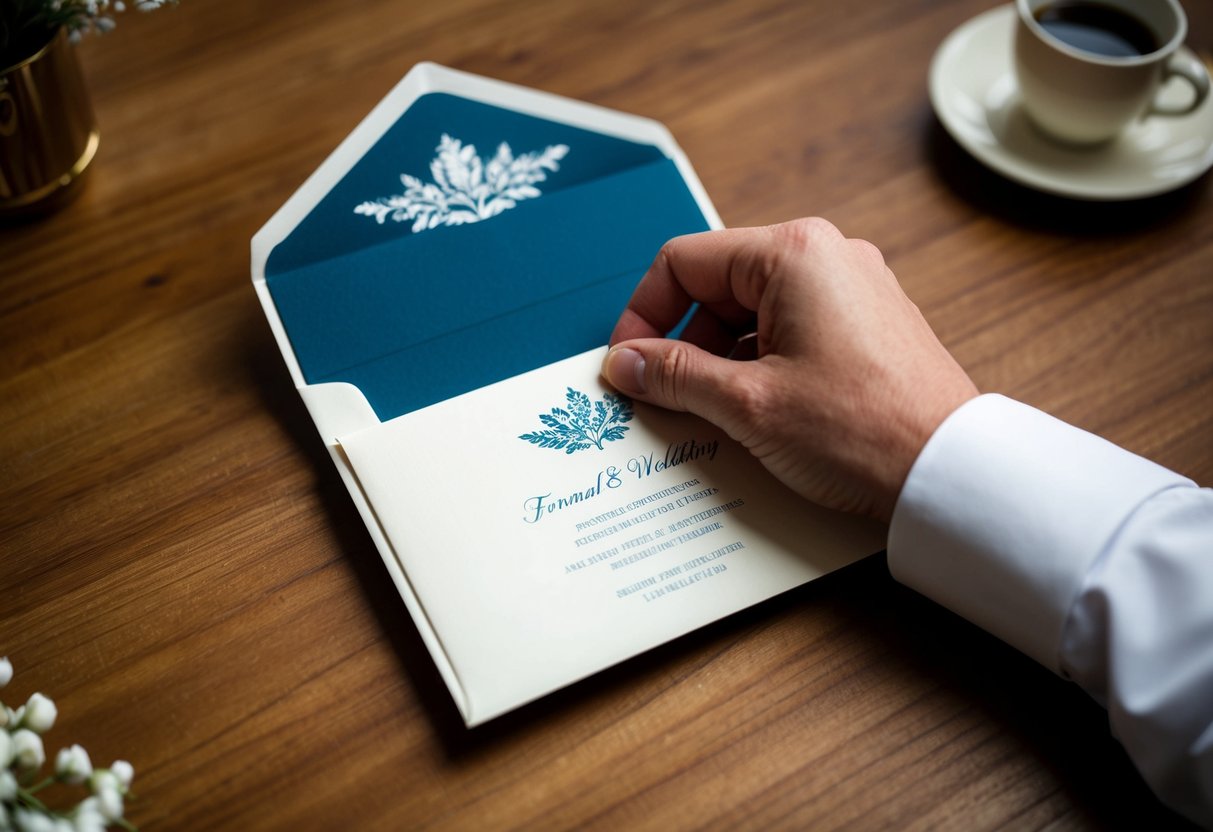
Including names on the invitations also adds a personal touch. It shows your guests that you value them and want them to be part of your special day. Plus, it allows you to use their proper titles, which can be important for formality and etiquette.
As you prepare your invitations, keep in mind the different ways to address guests. Understanding the best practices can help you create beautiful and clear invitations that reflect your style and make your big day even more memorable.
Understanding Wedding Invitation Etiquette

Wedding invitation etiquette is all about making sure your invitations clearly communicate the details of your special day. Knowing the correct wording and how to address your guests can help avoid misunderstandings.
The Basics of Invitation Wording
When crafting your wedding invitation, the wording is crucial. Start with the host line, which typically names the people hosting the wedding. This might be your parents or you and your partner.
Next is the request line, which invites guests to the ceremony. A common phrase is, “request the honor of your presence.”
Make sure to include the date, time, and location of the event clearly. For formal invitations, it’s essential to spell out all numbers (e.g., “Twenty-third of June” instead of “6/23”).
If you have an inner envelope, include the names of guests invited, such as “Mr. and Mrs. John Smith.” This helps clarify who is invited, especially for families.
How to Address Envelopes Properly
Addressing your envelopes correctly shows respect and formality. On the outer envelope, write the full names in formal titles (e.g., “Mr. and Mrs. John Smith”). Avoid nicknames unless you know the person prefers them.
The inner envelope should have just the guests’ names, perhaps just “John” and “Jane” if you know them well. This way, it feels more personal.
Make sure to include your return address on the back flap of the outer envelope. It’s essential for your guests to easily RSVP.
Guest Names and RSVP Etiquette
When sending out your invitations, ensure all names are spelled correctly. Guests appreciate the attention to detail. If you have children included, list them on the inner envelope but leave them off the outer envelope.
Include an RSVP card with clear instructions on how guests should respond. You can state “Please reply by June 1st” to encourage timely responses.
A simple way to ask guests is by saying, “We hope you can join us!” along with a space for how many guests they’ll bring. This helps with planning your seating arrangements and food.
Design and Presentation of Invitations

Creating the perfect wedding invitation is all about reflecting your style and setting the right tone. The design should feel personal to you as a couple. Plus, clear presentation of names is essential for your guests.
Selecting the Right Invitation Design
When picking an invitation design, think about the theme of your wedding. Do you want something elegant, casual, or modern? Choose colors that match your wedding palette.
Popular styles include:
- Classic: Timeless and formal.
- Rustic: Earthy tones with natural textures.
- Whimsical: Fun fonts and playful graphics.
Consider size and shape too. This impacts how the design looks when folded or displayed. Don’t forget to check print quality. This ensures what you see on screen looks just as good in person.
Names of the Couple on Invitations
Getting the names right is very important. Traditionally, the bride’s name goes first, followed by the groom’s. This helps set a traditional tone.
For a more modern approach, you might choose to have names displayed side by side, which highlights equality. Ensure you use titles appropriately, such as “Mr.” or “Ms.”
Correct spelling is crucial. Double-check everything to avoid embarrassing mistakes. If you have a long last name, consider how it will fit on the invitation without crowding. Clear names help guests know who is inviting them, making them feel valued.
Special Considerations for Diverse Situations
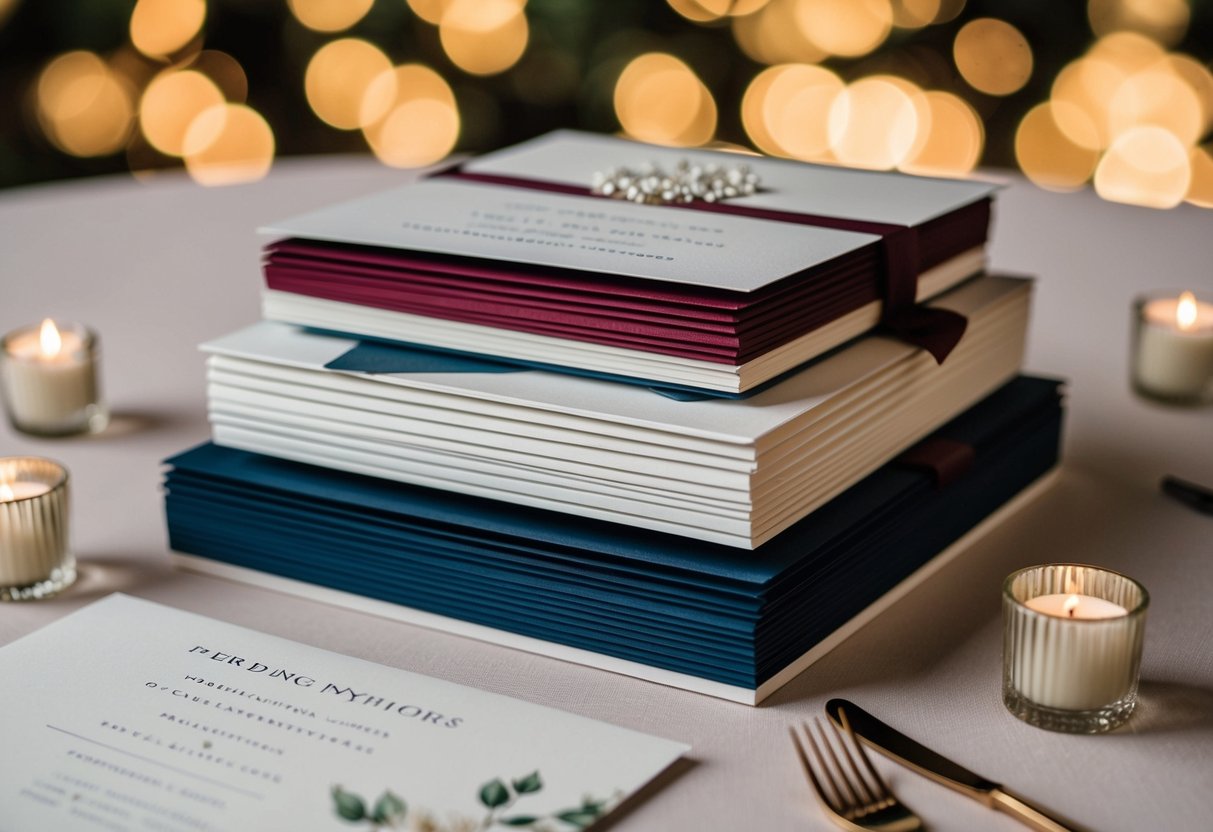
Creating wedding invitations can be a bit tricky, especially when considering different family dynamics and guest relationships. It’s important to address each guest appropriately to ensure everyone feels welcomed. Here are some key points to remember.
Addressing Complex Family Scenarios
When dealing with families that may have different last names or include divorced parents, you should be sensitive in your wording. For married parents, list both names on separate lines. For divorced parents, use their current titles, such as Mr. and Mrs., followed by their separate last names.
Example:
Mr. John Smith
Ms. Jane Doe
If parents are remarried, include their new spouses. Be sure to communicate in an inviting way that reflects your family’s situation. This helps your guests understand how they fit into your special day.
Catering to Different Types of Relationships
For unmarried couples, it’s essential to write both names on the invitation. This shows respect for their relationship. Each name should be on a separate line.
Example:
Ms. Emily Johnson
Mr. David Lee
For same-sex couples, treat both individuals equally with no preference. Use titles if the couple prefers them, or simply use their names. This inclusive approach helps everyone feel valued and recognized.
Handling the Plus One Scenario
When inviting guests with a plus one, make sure to clearly indicate this on their invitation. Include both names if you know them, or simply write “and Guest” if you’re unsure.
For example:
Mr. Tom Brown
and Guest
This applies to both the ceremony and the evening reception invitations. Being clear about plus ones helps manage your guest list while ensuring that your friends and family can celebrate with their loved ones.