
Do You Put Plus Ones on Save the Date? Clarifying Guest Invitations for Your Wedding
When you send out save-the-dates for your wedding, you might wonder about plus-ones. This can be a tricky decision, especially if you have a mix of single and coupled guests. The short answer is that you don’t need to include plus-ones on every save-the-date, but you can if you want to make it clear that some guests can bring a date.

You should consider the nature of your relationships. If someone is in a long-term relationship, it’s thoughtful to extend an invitation for their partner. If you’re unsure, you can always address the save-the-date just to the individual and decide later about plus-ones for the actual invitations.
Ultimately, communicating your wishes early can help guests plan ahead, allowing everyone to share in the excitement of your big day.
Understanding Save the Date Etiquette
Knowing the right way to handle save the dates is important for smooth wedding planning. You want to ensure your guests feel welcomed and informed about your special day. Let’s look at the purpose of save the dates and the best timing for sending them out.
Purpose of Save the Dates
Save the dates serve a clear purpose. They inform your guests about your upcoming wedding so they can mark their calendars. This is especially important for destination weddings or events held during busy seasons.
Including a save the date gives your guests an early heads up. It allows them to plan ahead, particularly if they need to book travel or accommodations. Make sure to include the wedding date, location, and a note that the formal invitation will follow.
If you’re inviting guests with a plus one, clarify this on your save the date. You can say “and guest” if you know their date’s name. This sets clear expectations and helps with planning.
Timing for Sending Out Save the Dates
Send out save the dates about 6 to 12 months before your wedding. This gives your guests enough time to adjust their schedules. For destination weddings, it’s a good idea to lean closer to the 12-month mark.
Consider your guest list size when planning sending out save the dates. If you have many relatives or friends, you may want to create a timeline to ensure everything goes smoothly.
It’s also helpful to track RSVPs once guests receive their save the dates. This can provide a better idea of who is likely to attend, making your wedding planning easier.
Deciding on Plus-Ones for Your Wedding
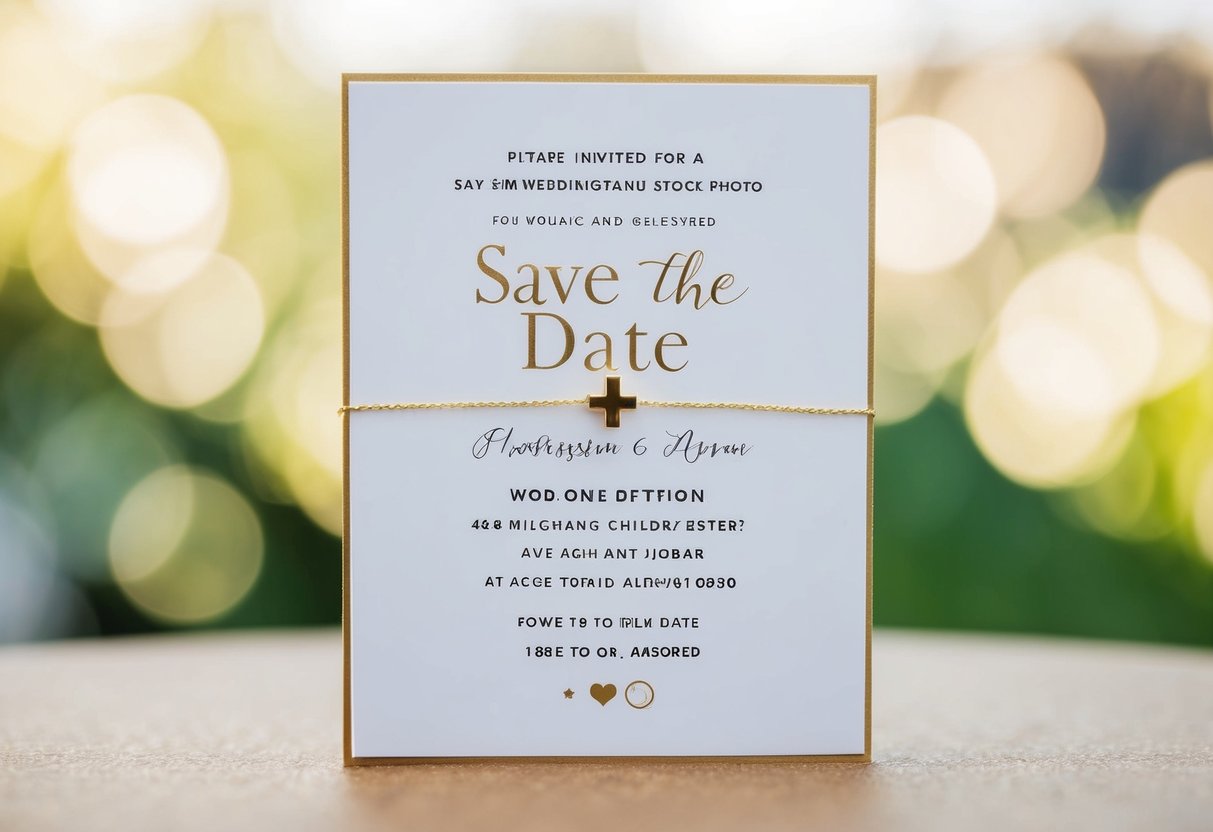
Choosing who gets a plus-one at your wedding can be a tricky decision. It’s essential to think about your guest list and establish clear guidelines that fit your budget and the venue.
Building Your Guest List
Begin by listing all the people you want to invite. This list will help you see how many guests will attend. Next, look at which guests are single. You might consider giving them a plus-one if they don’t know anyone else at the wedding.
Make sure to keep your venue capacity in mind. If your wedding venue is small, limiting plus-ones can keep the guest list manageable. Also, consider your budget. Extra guests mean higher costs for food and drinks. By being strategic, you can ensure your wedding feels comfortable for everyone.
Establishing Plus-One Guidelines
It’s important to set clear guidelines for who gets a plus-one. Decide early on who qualifies for a plus-one. For instance, you might allow plus-ones for:
- Close friends
- Guests who are in serious relationships
- Visitors coming from out of town
Communicate your decision clearly on the invitation or save-the-date. If you decide not to give plus-ones to everyone, make that known to avoid any misunderstandings. Writing each invite specifically can also help—address cards directly to your guests without the plus-one mention. This way, you keep control while still being polite.
Communicating Plus-One Information
When planning your wedding, it’s important to clearly communicate plus-one options to your guests. This section will highlight how to effectively include this information through save the date cards, wedding websites, and follow-up invitations.
Wording on Save the Date Cards
When creating your save the date cards, you can indicate a plus-one by using clear wording. If you want guests to bring someone, include a line like “Plus One Welcome” or “Bring a Guest.”
If you know the name of the guest, it’s a nice touch to write it out. For example, you might say, “Jane Doe and Guest.”
If someone is single and you want them to feel free to bring a date, it’s best to specify this on the card. This helps prevent any confusion about who can attend the celebration.
Utilizing Wedding Websites
Creating a wedding website is a great way to provide more details. You can include a section about plus-ones, explaining who is invited to bring a guest.
Make sure your site is easy to navigate. Use clear headings such as “Guest Information” to highlight this section.
You can also add an FAQ about plus-ones. This way, guests can easily find the information they need without having to reach out to you directly.
Including your wedding website link on the save the date card allows guests to access all relevant details in one place.
Following Up with Formal Invitations
When you send out formal invitations, you’ll have another chance to clarify plus-one details. Make sure to reiterate who is invited to bring a guest.
You can use phrases like “Mr. John Smith and Guest” on the envelope, which clearly states the invitation.
In addition, you can add a note inside the invitation that reads “You are welcome to bring a guest” for clarification.
By following up this way, you keep everything clear and welcoming, ensuring all your guests feel included.
Managing RSVPs and Wedding Details

Keeping track of RSVPs and important wedding details is essential for a smooth planning process. This includes knowing who will be attending and sharing registry information with your guests.
Tracking Guest Responses
Tracking RSVPs can feel overwhelming, but it’s key to knowing your final headcount. Start by creating a simple online spreadsheet or using dedicated wedding planning apps to track responses.
Consider sending a reminder for RSVPs about two weeks before the wedding. You can use text messages or friendly emails to ensure you get everyone’s response. Don’t forget to categorize guests—those who confirmed, declined, or didn’t respond yet.
For destination weddings, it can be helpful to group your guests by travel plans. This makes it easier to coordinate any group bookings or arrangements.
Providing Registry Information
You’ll want to share your registry information with your guests. Make this easy by including a link to your registry on your wedding website or in the invitation itself.
Choose stores that offer a variety of items in different price ranges. This way, guests can find something within their budget.
You can also send a message when your RSVP requests go out. A quick note about your registry helps keep things organized.
Be clear and polite, showing appreciation for any gifts, no matter how big or small.
Remember, honest communication makes your planning smoother and keeps your guests informed.