
Do You Put RSVP on Save the Date? Essential Wedding Planning Tips
When you’re planning your wedding, sending out save-the-dates is an exciting step. These special notes let your guests mark their calendars for your big day. The general rule is that you should not include an RSVP on your save-the-dates. Instead, these cards serve as a heads-up to help your loved ones plan ahead.
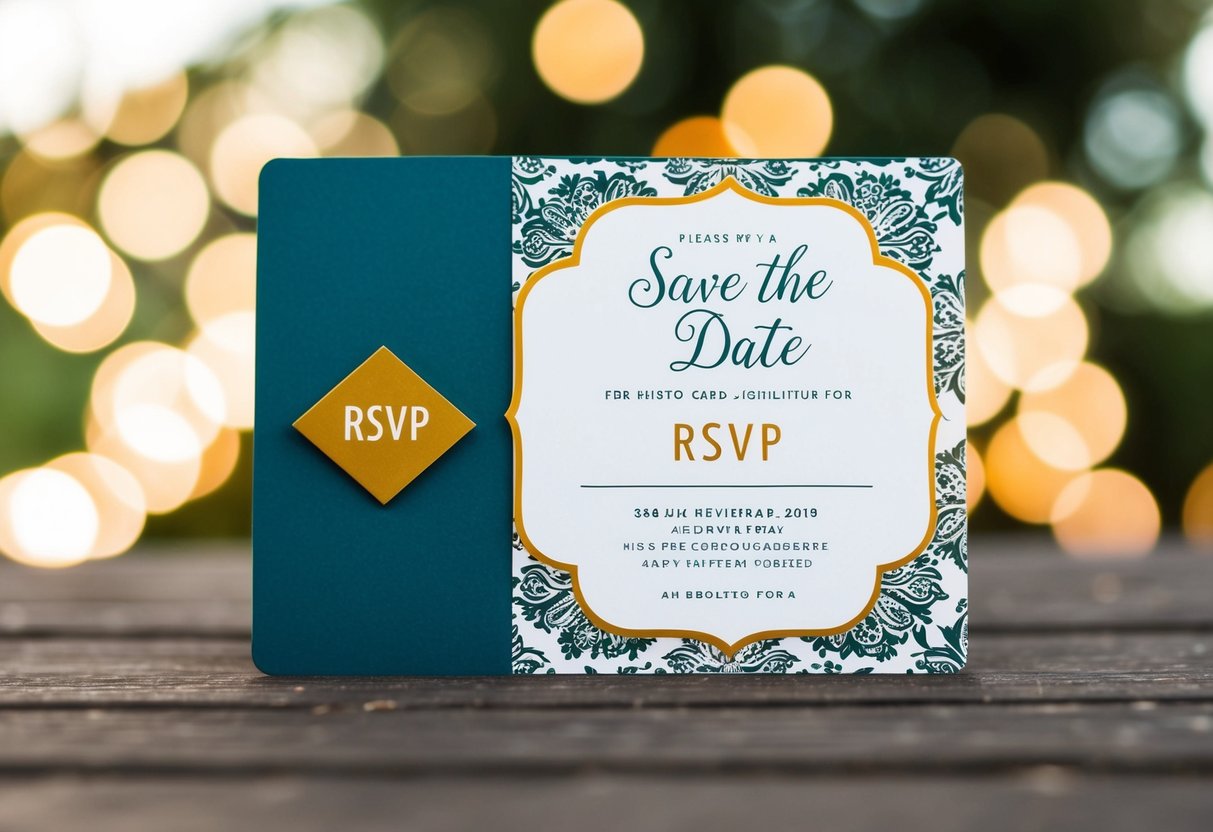
As you navigate through wedding planning, it’s important to understand the etiquette surrounding save-the-dates. These announcements are meant to inform your guests of the date and location without asking for a formal commitment. It’s a good idea to save the RSVP requests for your actual wedding invitations, where you’ll provide more details and solidify your guest list.
If you’re unsure about whether to add extra details or considerations, think of your save-the-date as just a friendly reminder. This allows your guests to look forward to your celebration without feeling pressured. Embracing this approach can help set a cheerful tone for your upcoming wedding festivities!
Understanding Save the Dates
Save the dates are an important part of wedding planning. They inform your guests about your wedding date and help them make arrangements to attend. Here’s what you need to know about the purpose, etiquette, and timeline for sending save the dates.
Purpose of Save the Date Cards
The main goal of save the date cards is to give guests early notice of your wedding. This is especially important for destination weddings or events during busy seasons.
By sending these cards well in advance, you allow your guests to mark their calendars. This helps ensure that they don’t make plans on your big day.
You can include basic details like the wedding date and location but don’t need to provide full details yet. Just a simple “invitation to follow” is enough.
Save the Date Etiquette
When it comes to etiquette, remember not to include RSVP requests on save the date cards. You want to keep this message simple and free of commitments.
It’s also a good idea to include both your names clearly. If you’re not using a photo, include your last names to avoid confusion.
Make sure to send these cards to everyone you truly plan to invite. This means being thoughtful about your guest list. It’s not a casual list; it should reflect people you want close to you on your wedding day.
Timeline for Sending Save the Dates
The best time to send out save the dates is about 6-12 months before your wedding date. This allows guests plenty of time to make travel arrangements and request time off from work.
If your wedding falls on a holiday or during peak vacation seasons, consider sending them even earlier.
After sending save the dates, you can focus on planning the actual wedding invitations. These should be sent about 8-12 weeks before your big day. This timeline keeps everything organized and allows guests to feel important from the start.
RSVP and Save the Date Integration
When planning your wedding, finding the right balance between Save the Dates and RSVPs can be tricky. You want to inform guests while keeping your guest list flexible. Here, you will learn about including RSVPs, alternatives, and how to manage early responses effectively.
To Include or Not to Include RSVP
Typically, Save the Dates serve the purpose of letting guests know about your wedding date and location. It’s not usual to ask for an RSVP at this stage. This is because plans may change, and your guest list isn’t finalized yet.
A Save the Date should simply notify guests to mark their calendars. If you include an RSVP, it may create expectations that you’re already set on a guest list. Instead, consider letting guests know to keep an eye on their invitations for formal RSVP details.
Alternatives to RSVP on Save the Dates
If you feel the need to gauge interest, consider alternatives. Mention a wedding website where guests can find updates.
Include details about your event, such as the date and location. You can also share information about how to RSVP later.
Sending a simple message like “More details to follow!” can keep things light. If you want to engage further, you could also include a separate card. This card can have details that are helpful but not obligatory, like directions or accommodations.
Managing Early Responses
If you decide to request RSVPs early, be prepared for the challenges that come with it. Early responses can complicate your guest list.
Since things can change, guests may need to backtrack on their commitments. Make it clear that their responses are tentative.
Using phrases like “Please let us know if you can make it!” helps. This way, you remain flexible and courteous.
Also, remind guests that formal invitations with a proper response card will come later. This keeps expectations clear and manageable.
Additional Details for Save the Dates
When sending out save the dates, there are a few important details to consider that can help your guests prepare for your big day. You may want to include information about your registry, accommodation options, travel details, and any dress codes or plus-one policies.
Registry Information
It’s helpful to let your guests know where you are registered. You can include a note on your wedding website or a simple phrase about your registry.
For example:
- “We are registered at [Store Name].”
- “Find our registry on our wedding website!”
Including registry information shows your guests that you appreciate their support and want them to feel confident when choosing a gift for you.
Destination Wedding Information
If you are planning a destination wedding, provide guests with essential details right away. Include the location and date of the wedding.
It might help to suggest booking travel soon to find the best rates. Mention the nearest airport for easier travel planning, especially for those flying in.
You may also want to highlight any special activities planned for guests. This gives them a heads-up about the vacation aspect of the trip, promoting excitement about the celebration.
Accommodation and Travel Details
Sharing accommodation details early on can ease your guests’ worries. List recommended hotels or any group rates you have secured.
It’s also a good idea to mention the distance from the venue. For those flying in, suggest local transportation options, like rental cars or shuttle services.
Consider providing links to your wedding website that have additional travel information. This allows guests to find everything they need in one place.
Mentioning Dress Code and Plus-Ones
When mentioning your dress code and plus-ones, make sure to address them in a clear and polite manner. For the dress code, state any specific requirements, such as formal or casual, to avoid any confusion.
As for plus-ones, decide who can bring a guest. You can phrase this simply, such as: “Feel free to bring a guest!” or specify only for certain types of guests, like singles. This helps everyone know who they can invite, making planning easier for them.