
Do You Put Surnames on a Wedding Table Plan? Tips for Your Seating Arrangements
When planning your wedding, details matter, especially when it comes to the seating arrangement. Including surnames on your wedding table plan can help guests easily locate their seats and avoid confusion, especially if there are guests with similar first names. This small touch can make a big difference in creating a smooth experience for your guests.
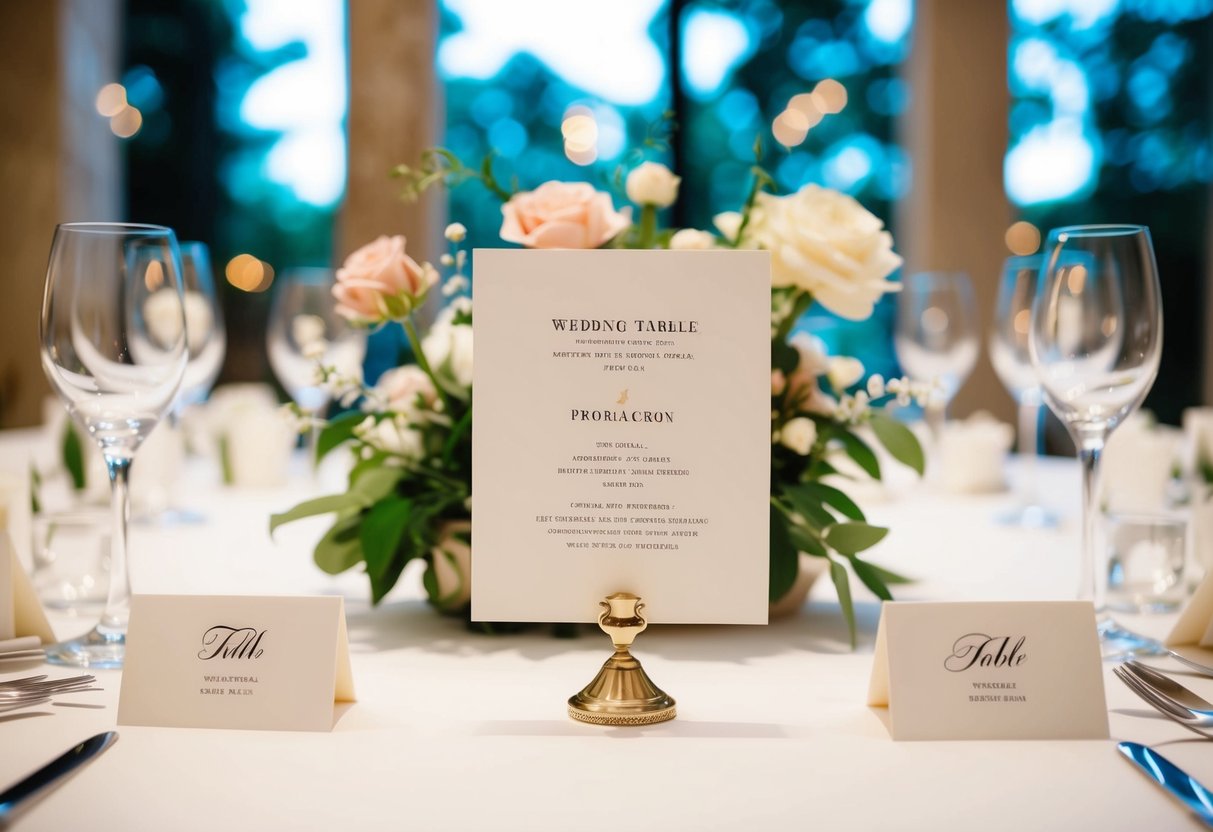
As you prepare your guest list and start thinking about the seating chart, consider how you want to display names. Some couples choose to use only first names for a more casual vibe, while others opt for full names to maintain a formal atmosphere.
Whatever you decide, ensuring clarity on the table plan can enhance the joy of your big day.
Designing Your Wedding Table Plan
Creating a wedding table plan involves careful thought about the seating layout and design. You want your guests to find their tables easily while feeling comfortable and included. Here are some key areas to focus on for a successful table plan.
Choosing Between Table Names or Numbers
When deciding how to label your tables, choose between names or numbers. Using table numbers is common, as it provides a simple structure. However, using table names can add a personal touch.
Make sure whatever you choose is clear and easy to read. If you’re using a larger reception venue, bold or colorful signage can help guide guests efficiently. Consider how many tables you have; if you have many, numbers may keep it straightforward.
Incorporating Wedding Theme into Table Plan Design
Your table plan should match your wedding theme. Whether it’s rustic, elegant, or whimsical, the table design can reflect this. Use colors, textures, and styles that complement your overall wedding décor.
For instance, if your theme is floral, let your table names feature flower varieties, and use matching colors in your signage. You can create a gorgeous backdrop displaying your plan that ties in with your centerpieces. A beautiful table plan not only helps guests but adds another decorative element to your reception venue.
Placement of the Head Table and Sweetheart Table
Deciding where to place the head table and sweetheart table is crucial for your layout. The head table typically seats you and your wedding party, often positioned at the front center of the room to make it a focal point. Ensure it’s visible to guests while allowing easy access for speeches and toasts.
The sweetheart table, meant for just the two of you, can be off to the side or at the center. This choice can create an intimate feel amidst your celebration. Take into account the flow of movement for servers and guests to avoid cramped spaces while everyone enjoys the evening.
Wedding Invitation and RSVP Management
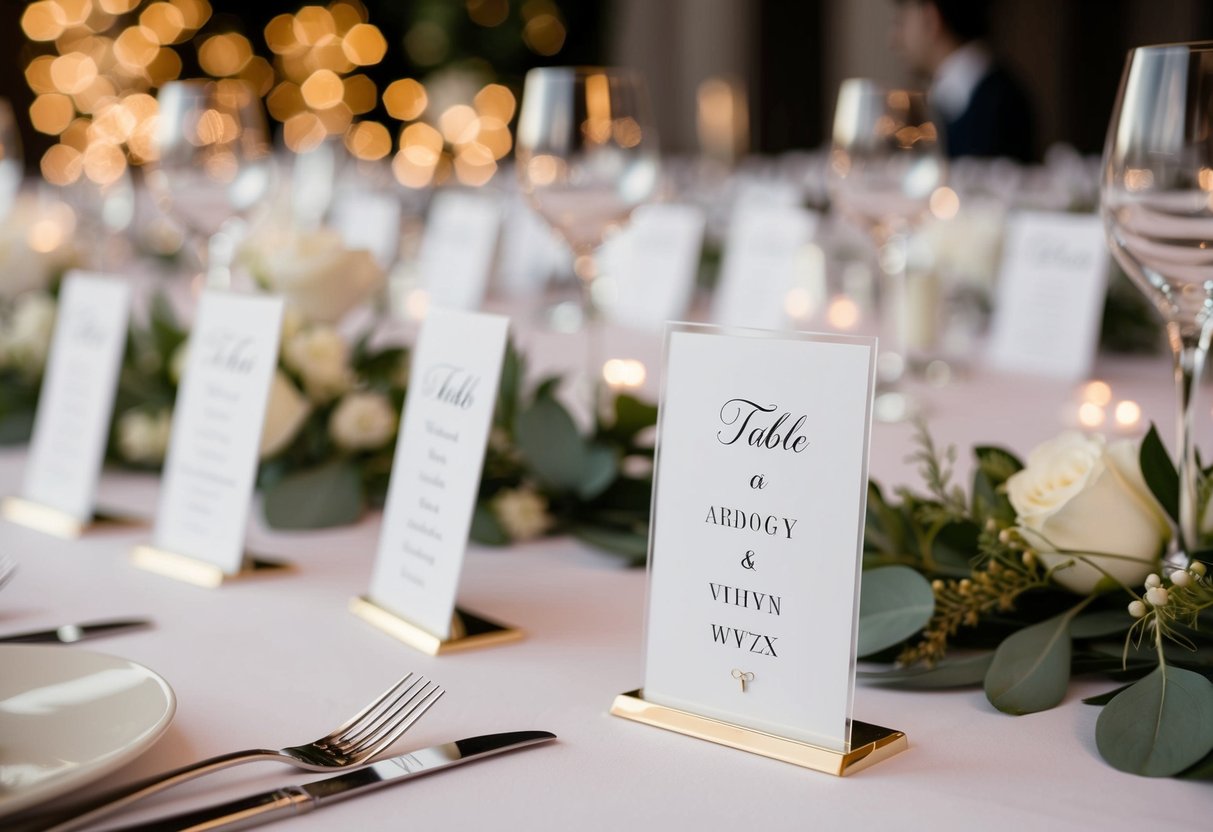
Managing wedding invitations and RSVPs is crucial for a smooth wedding planning process. Keeping track of who is coming helps you finalize your guest list and plan seating arrangements effectively. Here are some important aspects to consider.
Tracking RSVPs and Finalizing the Guest List
As you send out your wedding invitations, it’s essential to track your RSVPs. Create a list or spreadsheet to monitor responses. Include columns for guest names, statuses (attending/not attending), and any dietary restrictions.
Tip: Set an RSVP deadline. This encourages guests to respond promptly. A common deadline is about 2-4 weeks before the wedding.
When finalizing your guest list, ensure you have full names of guests, not just nicknames. This clarity helps in seating arrangements and invites, resulting in an organized event.
Wedding Invitation Etiquette for Addressing Guests
Proper etiquette is key when addressing your wedding invitations. You want to clearly communicate to guests whether they are invited alone or with a plus one.
List guests’ full names on each invitation. For families, write “The Smith Family” rather than just “Smith.”
Consider the wording on your RSVP cards, ensuring they reflect your wedding theme. Phrases like “Kindly Respond by” followed by the RSVP deadline are clear and polite.
Remember, addressing is not just about names. Confirm any special requests or notes in the invitation. This attention to detail will make your guests feel valued.
Seating Arrangements and Etiquette
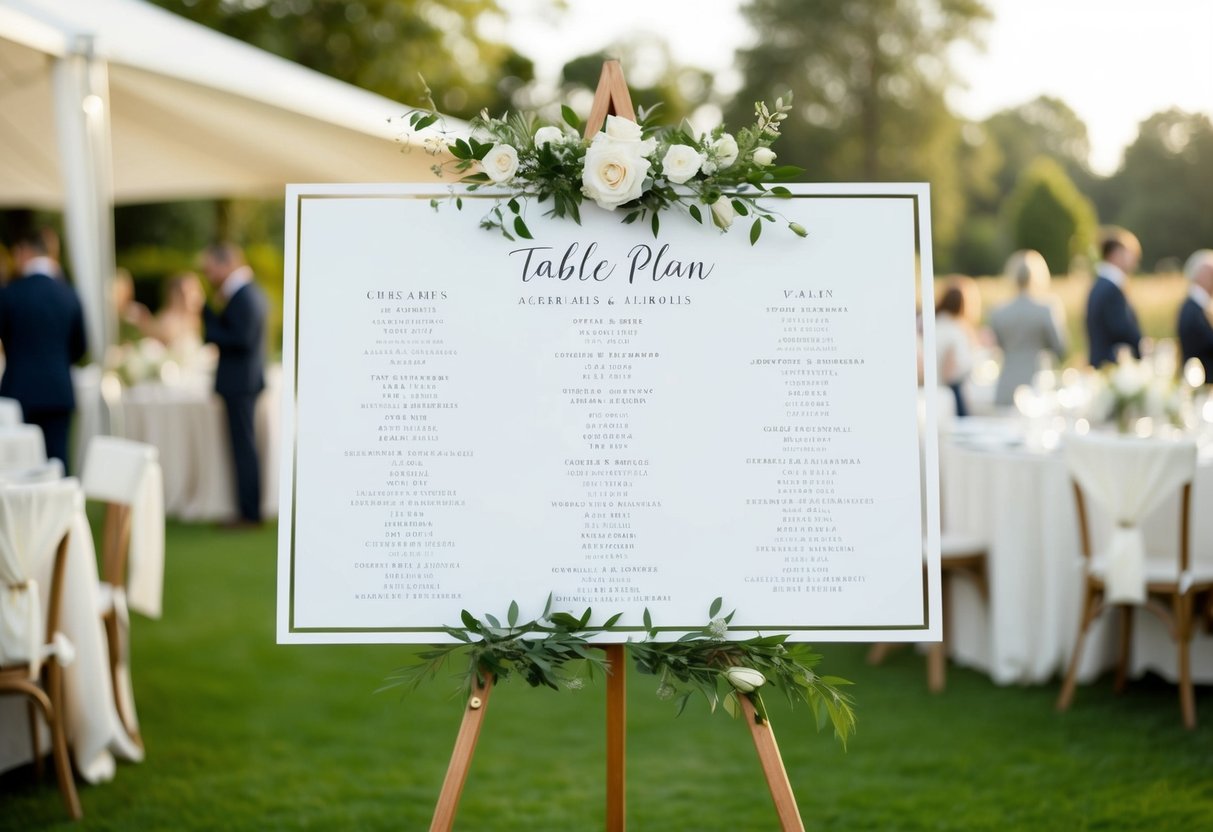
When planning your wedding seating arrangements, it’s essential to think about how to group your guests effectively. This involves assigning tables thoughtfully and making sure everyone feels comfortable. The right seating chart can enhance the joy of your special day.
Assigning Guests to Tables
Begin by creating a guest list to see who you’ll be including. It helps to organize guests based on their relationships with you and your partner.
You might want to group family members together at a family table. Place parents and close relatives with the bride and groom at this table to honor them. Best man and maid of honor should be nearby to help with any needs.
For friends, consider their connections. Do they know each other? Seating them at tables with familiar faces can lead to lively conversations.
Think about any specific needs, like dietary restrictions or mobility issues. Highlight those special needs on your plan to ensure everyone feels accommodated.
Adhering to Seating Etiquette for Special Guests
For special guests, it’s crucial to show respect through proper seating etiquette. Think about family dynamics and any potential conflicts.
Seating older family members at accessible tables is considerate, as is making them feel included in the celebration. It helps to keep the atmosphere warm and inviting.
When deciding table numbers, avoid isolating guests. Friends should be seated together if they know each other reasonably well. Consider proximity to the dance floor or food to keep energy levels up throughout the event.
Managing Duplicate Names and Alphabetical Seating
If you have guests with the same last name, using first names is a great solution. Label their seating positions clearly. Include first names on your seating chart to prevent any confusion.
Alphabetical seating is another popular option. You can have one column for guest names and another for table numbers. This way, guests can quickly find their assigned seats.
If you assign seats, create groupings that encourage conversation. Mix small groups of friends to keep the vibe fun. Remember that an intentional seating chart can help everyone enjoy your day even more!
The Practicalities of Wedding Table Names
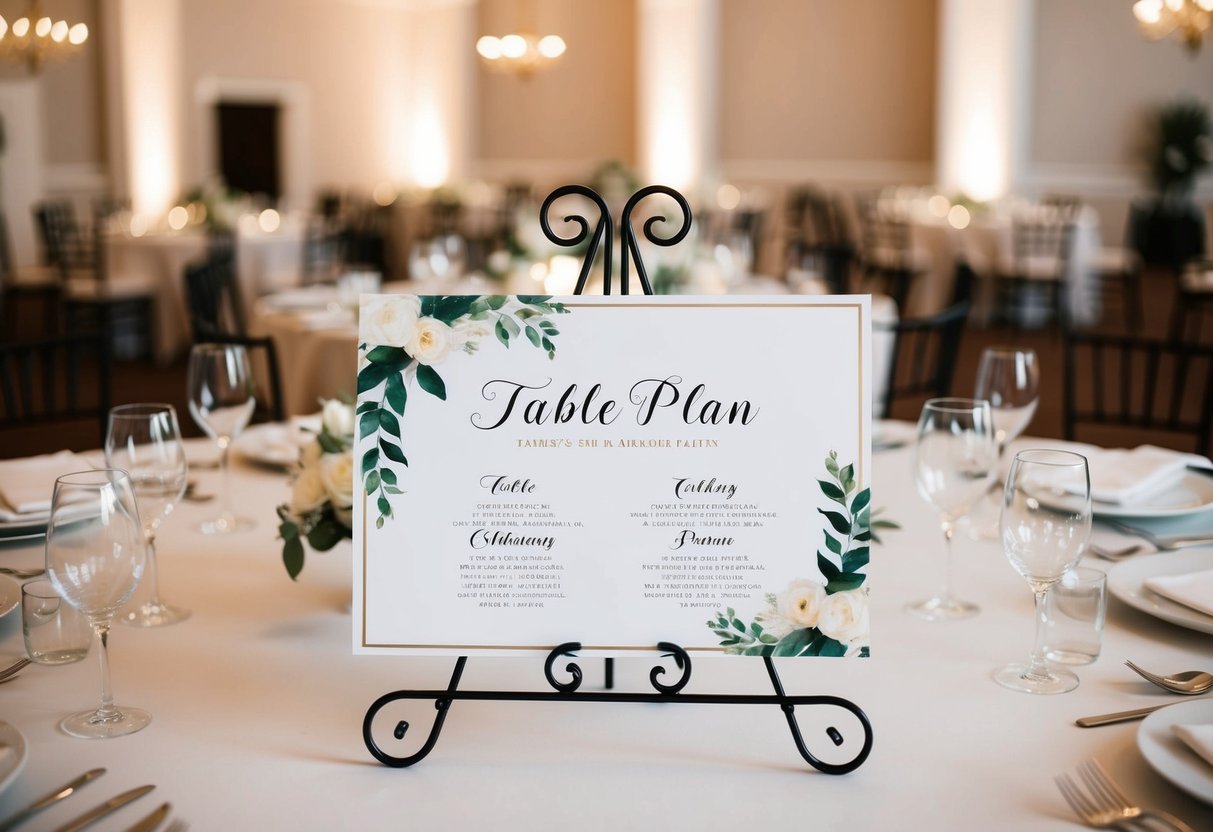
When planning your wedding, you’ll need to decide how to label your tables. This can affect how easily your guests find their seats.
Using surnames on a wedding table plan can help avoid confusion. If you have guests with similar first names, including last names makes it clear who is who.
Consider these options for seating arrangements:
- Table Plans: Display full names on a large board, so guests can check where they sit.
- Escort Cards: Hand out cards with names and table numbers as guests enter the reception.
- Place Cards: Set these at each table setting to show individual seating.
For a personal touch, try creative table plan ideas. You can use themes like travel destinations or favorite books to name tables. This adds character to your reception.
Don’t forget about reception signage! Clear signs help guests navigate the space, especially if it’s large.
Consult your wedding planner if you need help with these details. They can assist in making your seating smooth and stress-free.