
Do You Read Your Vows Before You Say ‘I Do’? A Guide to Wedding Day Traditions
When it comes to your wedding ceremony, many couples wonder whether to read their vows before they say “I do.” The answer is yes; you can read your vows before exchanging those special words. This moment can add a personal touch that enhances the emotional impact of your ceremony.
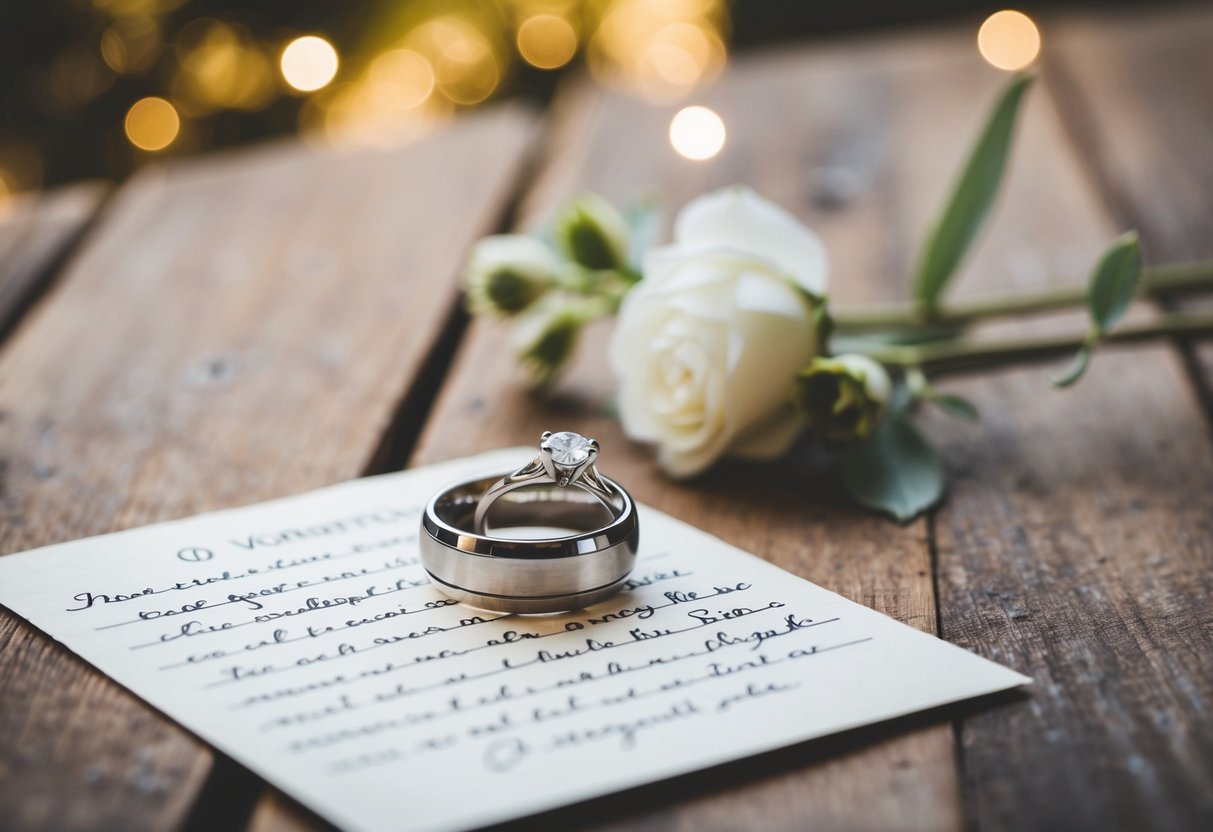
Sharing your vows ahead of the declaration can set a meaningful tone for the rest of the celebration. It allows you to express your love and commitment right before taking that big step. Whether you opt for traditional vows or create something personal, this part of the ceremony makes the moment even more memorable.
If you’re unsure about how to approach this, you’re not alone. Many couples find joy in discussing their vows beforehand to ensure that both feel connected during the ceremony.
As you prepare for your big day, consider how reading your vows first can make the occasion even more special for you and your guests.
Understanding Wedding Vows
Wedding vows are a key part of any ceremony. They express your love and commitment to your partner. You can choose between traditional or modern vows, or even create personal ones. Each choice has its own charm and significance.
Traditional vs. Modern Vows
Traditional vows have been used for generations. They often include phrases that affirm your commitment, such as “to have and to hold.” This structure is recognizable and can provide comfort during the ceremony.
On the other hand, modern vows allow for more individual expression. You can adjust the wording to fit your relationship better. This can include personal anecdotes or specific promises. Many couples feel that modern vows reflect their unique bond.
Personalizing Your Vows
Personal vows give you the chance to speak from your heart. You can express what your partner means to you and your hopes for the future. These vows should reflect your feelings and the journey you have shared together.
When writing, think about specific memories or qualities you cherish in your partner. This is your moment to shine. Keep it sincere and meaningful, focusing on what you truly feel. Personal vows can make your ceremony stand out and feel special.
The Role of the Officiant
The officiant plays a key role in your wedding ceremony. They guide you through the important moments, making sure everything runs smoothly and meaningful. From presenting your marriage vows to saying “I do,” they set the tone for your special day.
Guiding the Exchange of Vows
During the ceremony, the officiant helps you exchange your vows, whether they are traditional or personalized. They remind you of the vows’ significance as a pledge of love and commitment. The officiant may encourage you to express your feelings openly, creating a heartfelt moment that reflects your relationship.
They also facilitate the flow of the ceremony. When it’s time for the vows, they will prompt you with questions like, “Do you take this person to be your lawfully wedded spouse?” This guidance ensures you are comfortable and engaged in the moment, allowing you to focus on each other without distractions.
Declaration of Intent and Pronouncement
Before you say your vows, the officiant often makes a declaration of intent. This is a time to affirm your commitment to each other. The officiant asks if you both are ready to enter into marriage, which is a crucial step in the ceremony.
After you exchange vows and say “I do,” the officiant will make the final pronouncement. They officially declare you as married. This moment is joyful and marks the beginning of your shared life. It adds a formal element to the ceremony, sealing your promises with love and intention.
Ceremony Structure and Vow Exchange
Understanding how to structure your wedding ceremony can make the day more special. This section covers the order of events and different methods for exchanging vows.
Order of Events
A typical wedding ceremony follows a clear order. It usually begins with the processional, where you and your partner walk down the aisle. Then, the officiant welcomes everyone and shares a brief message. After that, you will typically exchange your vows, which are the heartfelt promises you make to each other.
Next comes the ring exchange, where you place wedding rings on each other’s fingers as a symbol of your commitment. This is usually followed by the first kiss, marking a sweet moment to celebrate your new marriage.
Each part of the ceremony can be personalized, allowing you to add special elements that reflect your relationship.
Vow Exchange Methods
Exchanging vows can be done in several meaningful ways. You might choose to read your vows aloud during the ceremony. This creates a public declaration of your love. Some couples prefer to share their vows privately before their ceremony. This can feel less stressful and help ease any nerves.
You can write your vows down on nice paper or in a vow journal. Many find reading from paper feels more intimate than using a phone or tablet. Choose a setting that feels special, whether it’s before guests arrive or in a quiet moment together.
Whichever method you choose, make sure it reflects your unique relationship.
Writing and Reciting Your Vows
Creating personalized vows can be a meaningful way to express your love and commitment. You’ll want to consider how to craft the perfect promises and practice delivering them with confidence.
Crafting Your Commitment
When writing your vows, think about what makes your relationship special. Start by reflecting on shared memories and the qualities you admire in your partner. This can help you create vows that truly resonate.
You can choose to write your own vows, or you might opt for traditional templates. If you need help, look for sample vows to inspire you. Try to use simple, heartfelt language that captures your feelings.
Here are tips for crafting vows:
- Be Specific: Mention personal stories or qualities.
- Keep It Concise: Aim for 1-2 minutes in length.
- Focus on Promises: What do you promise to your partner?
Practicing Your Vows
Once you’ve crafted your vows, practice saying them aloud. This helps build confidence and ensures you’re comfortable with the wording.
Try reciting them in front of a mirror or to a trusted friend.
If you prefer to keep it simple, consider “repeat-after-me” vows, where you echo the officiant’s words. This can ease nerves and eliminate the pressure to remember your lines.
Make sure to rehearse multiple times. It can be beneficial to memorize key phrases, even if you plan to read your vows. Feeling confident helps you deliver your heartfelt promises sincerely.