
Do You Read Your Vows Before You Say I Do? Tips for a Meaningful Ceremony
When planning your wedding ceremony, you might wonder, is reading your vows before you say “I do” acceptable? Many brides and grooms choose to share their heartfelt words during the ceremony, making the moment even more special. The exchange of vows represents a deep commitment and love, whether you opt for traditional vows or write personalized ones.
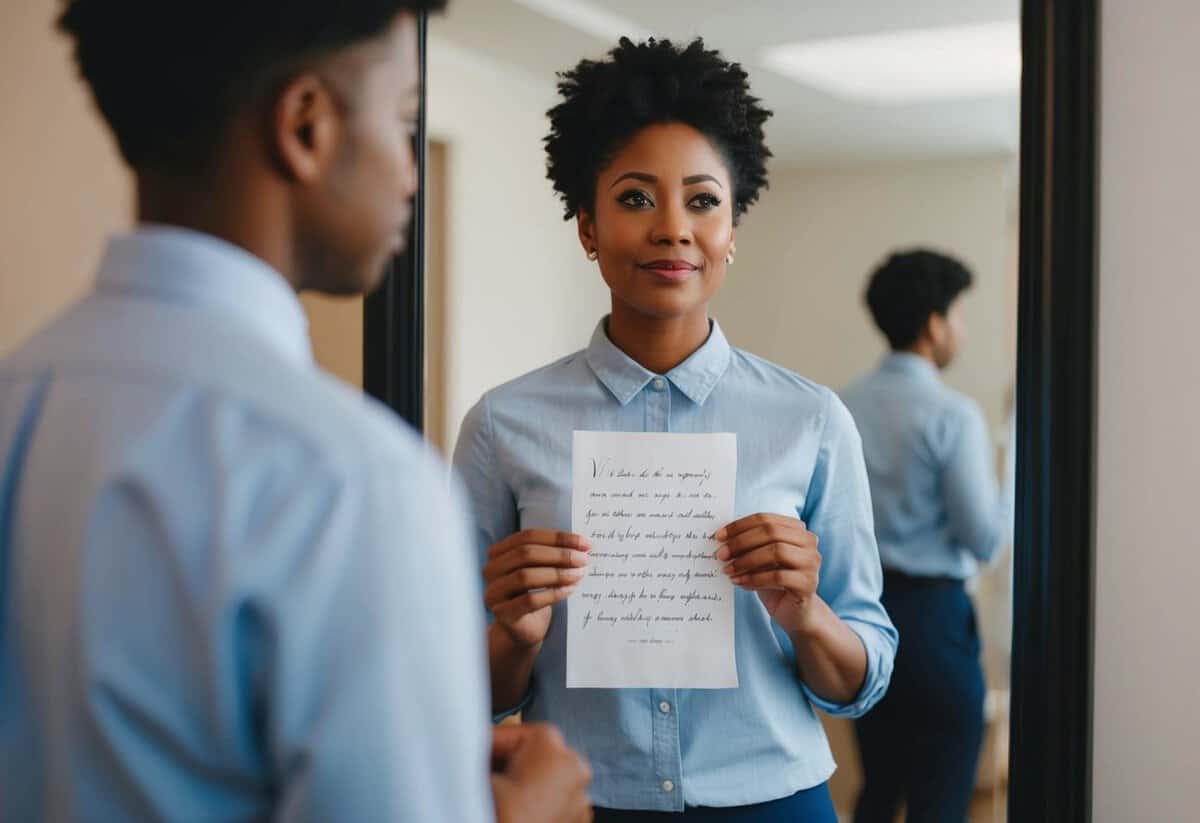
Some couples find that reading their vows out loud adds a meaningful touch to the declaration of intent. It allows you to express your feelings and promises in front of friends and family, deepening the connection during this important moment. Whether you choose to memorize your vows or read them from a piece of paper, the key is that they reflect your unique relationship and hopes for the future.
As you prepare for your big day, think about what feels right for you. Will you read your vows before or after you say “I do”? Your choice should celebrate your love story and make your wedding ceremony truly memorable.
Understanding Wedding Vows and Traditions
Wedding vows are a key part of your ceremony, bridging tradition and personal expression. They set the tone for your commitment and reflect your unique relationship. Knowing the origins and types of vows can enhance your understanding of this special moment.
Origins of ‘I Do’
The phrase “I do” dates back centuries. This declaration signifies your consent to marry and your commitment to your partner. Historically, wedding ceremonies have varied across cultures, but the essential purpose remains the same: to unite two people in love and commitment.
In Western culture, the tradition has roots in Christianity. The vows exchanged often include a promise to love and honor each other. This simple but powerful phrase holds deep meaning, establishing a strong foundation for your marriage.
Traditional Versus Modern Vows
Traditional vows follow a standard format. They often outline responsibilities and promises of fidelity. These vows reflect long-standing wedding traditions and can be found in many religious ceremonies. Using these can bring a timeless quality to your wedding.
On the other hand, modern vows allow for personal touches. You can write your own vows, incorporating shared experiences or feelings. This customization adds intimacy to your ceremony. Many couples blend traditional and modern elements, creating a vow exchange that feels right for them.
The Declaration of Intent in Ceremony
The declaration of intent is an important part of the wedding ceremony. This moment often occurs before you exchange vows. It serves as a formal acknowledgment of your commitment to each other.
During this declaration, you might be asked to state your intentions. This is when you confirm your desire to marry. It can feel powerful, setting the stage for your vow exchange. Many couples find this moment deeply moving, as it emphasizes the significance of what is happening.
Crafting Your Personal Vows
Creating personal vows can make your wedding ceremony truly special. These promises reflect your love and commitment. You can choose between personalized vows or repeating traditional vows. Below are tips to help you craft your unique promises.
Choosing Your Style: Personalized Versus Repeat-After-Me Vows
When deciding on your vows, think about your relationship style. Personalized vows let you express your feelings in your own words. They can include funny anecdotes, meaningful memories, or specific promises.
On the other hand, repeat-after-me vows are more structured and often traditional. They can be easier to remember if you’re nervous. Consider your comfort level and what feels meaningful to you. Mixing both styles is also an option, where you read your vows and then repeat key phrases after your officiant.
Writing Personal Vows: A Step-by-Step Guide
Start by brainstorming what your partner means to you. Write down your feelings, memories, and promises. Here’s a simple guide to get you going:
- Reflect: Think about your favorite moments together.
- List qualities: Jot down the traits you admire in your partner.
- Make promises: Decide what commitments you want to make.
- Structure: Organize your thoughts into a beginning, middle, and end.
When you write, use simple language and speak from the heart. Practice reading your vows out loud to make sure they flow well. Revisions are fine; make adjustments until you feel confident.
Sample Personal Vows to Inspire You
Here are a few examples to help spark your creativity:
- “I promise to support you through life’s challenges and celebrate every joy.”
- “From this day forward, I will always stand by your side, no matter the circumstances.”
- “You are my best friend, and I choose you today and every day.”
Feel free to mix your vows’ style and language. Make them unique to your relationship. The goal is to express your love and commitment honestly. With these examples, you’ll have a solid starting point for crafting your meaningful vows.
The Vow Exchange Ceremony
The vow exchange ceremony is a significant part of any wedding. It’s where you express your love and commitment to each other. Understanding its key elements can help you plan a memorable moment.
The Role of the Officiant
The officiant plays a crucial role in the vow exchange ceremony. They guide you and your partner through the process. Their job is to create a warm, supportive atmosphere.
Typically, the officiant introduces the vows and encourages you both to express your feelings. They might provide prompts to help you if you’re nervous. You can also ask them to include personal touches, like anecdotes or quotes that reflect your relationship. This personalization makes the moment more special.
Timing and Coordination of Vow Exchange
Timing is essential for a smooth vow exchange. You should discuss with your officiant when the vows will be shared. This can be right before the ring exchange or at another significant moment.
Consider your guests as well. They should feel included, so ensure the timing flows well with the overall ceremony. A common approach is to have private vow ceremonies before the wedding, allowing for a more intimate setting.
In this case, you and your partner can share your vows privately. Then, during the official ceremony, you might recite traditional vows, creating a nice balance between personal and formal.
Private Vows Versus Public Declarations
Choosing between private vows and public declarations is an important decision. Private vows can feel more intimate. They allow you to share your deepest feelings without an audience.
On the other hand, public declarations can be powerful. They let you share the moment with your loved ones. It’s a chance for your family and friends to witness your commitment.
Think about what feels right for you. You might even combine both by having a private exchange before the ceremony. Then, you can say traditional vows in front of guests. This way, you enjoy the intimacy of private vows while still creating a memorable moment during your big day.