
Do You Register Marriage Before or After Wedding? Understanding the Process and Timing
When planning your wedding, you might wonder when to register your marriage. To make your union legally recognized, you must obtain a marriage license before the wedding ceremony. This official document is essential for tying the knot, as it allows you to celebrate your love in front of family and friends while ensuring that your marriage is valid.
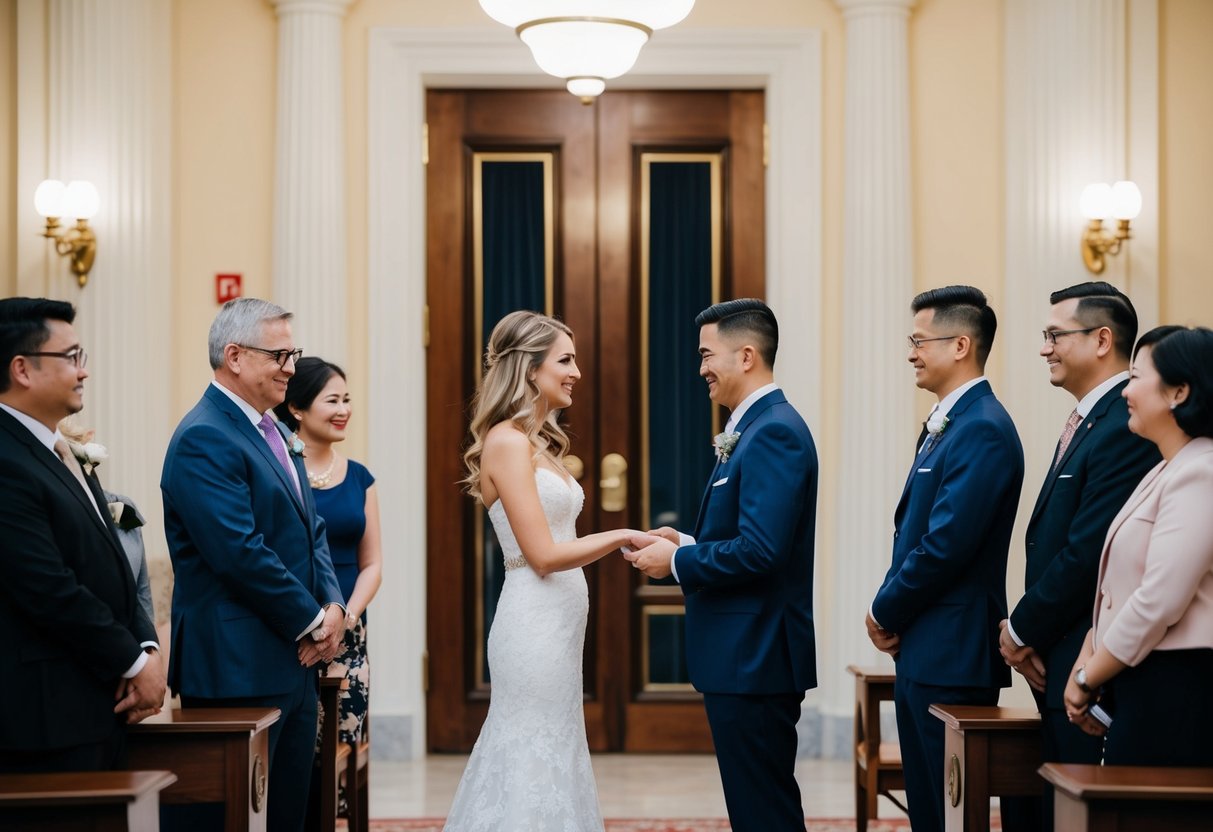
After the ceremony, you will typically need to sign the marriage license, which confirms your legal union. It’s important to submit this document to the proper authorities within a specific timeframe to receive your marriage certificate. This certificate is an official record that proves your marital status, so it’s crucial to handle it properly.
Understanding the timeline for obtaining and registering your marriage license can make the process smoother and help you focus on enjoying your big day. By knowing where and when to register, you can ensure that your wedding day goes off without a hitch.
Understanding Marriage Registration
Marriage registration is an important process that makes your union legally recognized. It involves obtaining a marriage license before your wedding and a marriage certificate after. Understanding these documents and the registration steps can help you navigate this essential part of getting married.
What Is a Marriage License?
A marriage license is a legal document that you must obtain before your wedding. It allows you to get married and shows that you meet the legal requirements set by your state.
To get a marriage license, you typically need to provide:
- Identification, such as a driver’s license or passport
- Proof of residency in the state
- Information about your intended spouse
The license usually has an expiration date, so it’s important to plan your wedding accordingly. If you don’t use it within that time, you may need to reapply.
Difference Between Marriage License and Marriage Certificate
While a marriage license is obtained before your wedding, a marriage certificate is issued after the ceremony. The certificate serves as proof of marriage, documenting that you and your spouse are now legally married.
After the wedding, the officiant will sign the marriage license. This signed document is then filed with the local registrar or county clerk. Once processed, you can request multiple copies of your marriage certificate, which may be required for name changes or benefits.
Key Legal Steps for Marriage Registration
The marriage registration process involves several key legal steps. First, you need to apply for a marriage license at your local county clerk’s office. Bring necessary identification and be prepared to pay a fee.
Next, after obtaining the license, you can have your wedding. It’s crucial that an officiant conducts the ceremony according to your state’s laws.
Finally, once the ceremony is done, the officiant will sign the marriage license. You or your officiant should return it to the county clerk’s office for official registration. This is what allows you to receive your marriage certificate, confirming your status as legally married.
The Pre-Wedding Process
Understanding the steps to take before your wedding is essential. You need to apply for a marriage license, watch for any waiting periods, and gather the required documents. Here’s what you need to know.
Applying for a Marriage License
To start, you should apply for a marriage license at your local county clerk’s office. This process usually requires both you and your partner to be present. Bring a valid driver’s license or state ID for identification.
The application may involve filling out a form with details such as your names, ages, and where you intend to get married. Check your local requirements because some states may ask for additional information or documents. Make sure to ask about any fees involved, as these can vary by location.
Waiting Period and Expiration Date
After applying, be aware of the waiting period for your marriage license. In many places, it may take a few days to a week before you can actually use the license. This means you should plan to apply for it well in advance of your wedding date.
Your marriage license also has an expiration date. It is typically valid for a certain period, usually ranging from 30 to 90 days, depending on your state. If you don’t get married within that time, you may need to reapply for a new marriage license.
Required Documentation
Gathering required documentation is important for a smooth application process. Besides your driver’s license or state ID, some counties might ask for proof of residency or a birth certificate.
Check if you need any documents that show you’re legally eligible to marry, especially if you have been married before. Each county’s requirements can differ, so it’s best to contact your local county clerk’s office ahead of time to avoid any surprises.
Post-Wedding Legalities

After your wedding, there are several important legal steps to take. These ensure that your marriage is recognized and your personal information is updated.
Submitting the Signed Marriage License
Once your wedding is over, the next step is to submit the signed marriage license. This document is crucial as it legally validates your union. Typically, the officiant will file the marriage license with the local government office.
Make sure you check the submission deadlines in your state. Some states require it to be filed within a specific period, often within 30 days. Verify if your local clerk’s office provides online tracking for your submitted license. After processing, you will receive your official marriage certificate, which is different from the marriage license.
Changing Your Name after Marriage
If you choose to change your name after marriage, it’s important to follow the correct steps. Start by obtaining a certified copy of your marriage certificate. You will need this document for most changes.
Begin with the Social Security Administration to update your name on your Social Security card. You’ll need to fill out a form and provide identification, including your marriage certificate. After updating your Social Security card, you can proceed to update your driver’s license and other identification documents.
Don’t forget to inform important parties like your employer and insurance companies about your name change. They will need the updated information for health insurance and other policies.
Updating Marital Status on Official Documents
Updating your marital status is an essential task after getting married. This includes notifying banks, credit card companies, and insurers about your new status.
You may need to provide a copy of your marriage certificate when making these updates. It’s also a good idea to review your insurance policies. Check whether you need to change your beneficiaries or make adjustments to your health insurance.
Lastly, be sure to update your marital status on government forms and in your workplace records. Keeping everything current will help prevent any potential issues in the future.
Key Roles and Responsibilities
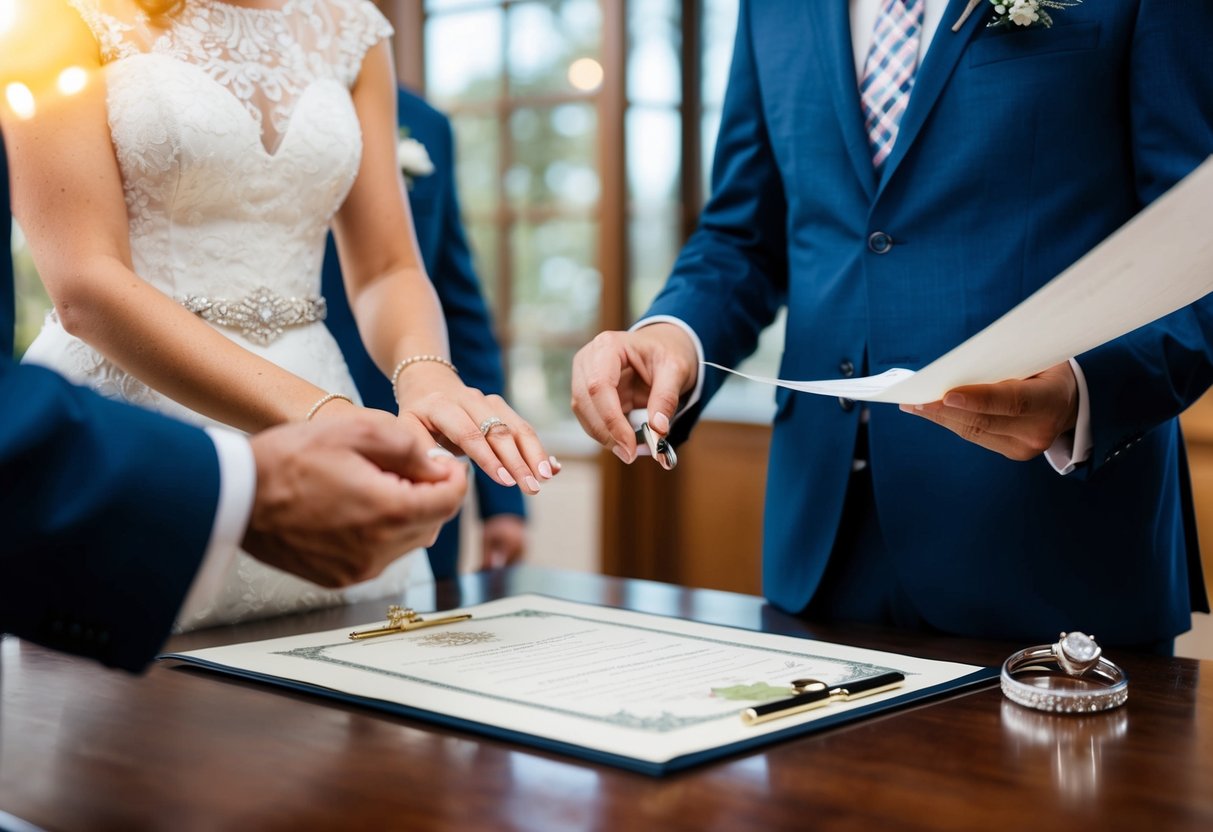
Understanding who does what in the marriage registration process can help you stay organized and stress-free. Each person involved has essential duties to ensure your big day goes smoothly.
Role of the County Clerk
The county clerk is a key player when it comes to marriage registration. They are responsible for issuing marriage licenses and overseeing the registration process. To get your license, you’ll need to visit your local marriage bureau. Make sure to bring required documents like identification and any necessary fees.
It’s important to check the license’s expiration date as well. If your wedding is planned for a specific date, you should apply for the license well in advance to avoid any last-minute issues.
Duties of the Officiant
The officiant is the person who leads your wedding ceremony. This could be a religious figure, a judge, or a friend who is ordained. Their main duty is to ensure that your vows are exchanged legally.
Your officiant will also take care of filing your marriage license after the ceremony. This makes it official! Be sure to communicate with them about your expectations and any special vows you want to include.
Involvement of the Wedding Planner
A wedding planner can make the whole process easier by managing the details. They help coordinate with the officiant and county clerk to ensure that everything is in place for your wedding day.
If you have specific ideas, a good planner can help bring them to life. They will also assist in organizing the timeline of your ceremony and keep everyone informed.
Having a planner means you can focus more on enjoying your day and less on keeping track of all the logistics.