
Do You Say Full Name in Wedding Vows? Understanding the Tradition and Personal Touch
When it comes to your wedding vows, one common question arises: should you say your full name? In most cases, you should use your full name at least once during the wedding ceremony to fulfill legal requirements. This typically happens during the declaration of intent, where you confirm your commitment to each other.
Using your full name adds a formal touch to the ceremony, but it’s not always necessary during the vows themselves. Many couples opt for nicknames or shorter versions of their names, making the moment feel more personal and comfortable. Whatever you choose, it’s essential to ensure you meet all the legal guidelines while keeping the ceremony true to you.
Ultimately, the decision should reflect what feels right for you and your partner. Whether you go with your full name or stick to a nickname, the focus should be on the love and commitment you are expressing to each other.
Understanding Wedding Vows
Wedding vows hold deep meaning and tradition. They are the promises you make during your ceremony, expressing your love and commitment. Different cultures have unique variations of these vows, each reflecting specific beliefs and customs.
Origin and Significance
Wedding vows date back centuries and are central to marriage ceremonies. They symbolize the promises couples make to one another. Traditionally, vows affirm loyalty, support, and the intention to grow together.
In Christian weddings, vows often include phrases like “in sickness and in health” to highlight the commitment to support one another throughout life. Catholic wedding vows specifically incorporate the concept of marriage as a sacrament.
Meanwhile, Jewish vows may emphasize the partnership and shared home. Other religions like Hindu, Muslim, and Buddhist also have specific vows reflecting their beliefs about marriage, emphasizing faith and the divine.
Variations Across Cultures
Different cultures approach wedding vows in distinct ways. For example, in Hindu weddings, vows often involve seven steps, called Saptapadi, symbolizing a journey together. Each step represents specific promises for a shared life.
Pagan vows may incorporate elements of nature, honoring the earth and its cycles. Meanwhile, Celtic traditions focus on the connection between the couple and their ancestors.
In Unitarian ceremonies, couples often craft their own personalized vows, emphasizing individual values. Each variation enriches the experience, allowing you to choose or create vows that resonate deeply with your beliefs and love story.
Personalization of Vows
Personalizing your wedding vows can make the moment more meaningful. You have the chance to express your unique love through tailored words. Here are some important aspects to consider.
Writing Your Own Vows
Writing your own vows allows you to share your thoughts and feelings in your voice. Think about the special moments that brought you together. Reflect on your journey, inside jokes, and shared dreams.
Create a draft that flows naturally and speaks to your partner. Use phrases like, “I promise to support your dreams,” or “I will stand by your side.” Tailor these to fit your relationship.
Setting aside some time to write will help you focus. Consider practicing in front of a mirror or with a friend. This can boost your confidence.
Inclusion of Full Names
Including full names in your vows can add a formal touch. You might say, “I, [Your Full Name], take you, [Partner’s Full Name].” This name usage reminds both of you of the gravity of this commitment. However, many choose a more intimate choice—just first names.
Think about what feels right for you. Some couples prefer to create a balance between formality and warmth. This can depend on your style or the ceremony’s tone. Share your decision with your celebrant to ensure it fits smoothly into the ceremony.
Celebrant’s Role in Personalization
Your celebrant can help make your vows feel personal and special. They can guide you in crafting your vows, whether you choose to write your own or adapt traditional ones.
Many celebrants encourage couples to discuss their love stories too. This collaboration can inspire personalized stories or ideas. Celebrants often incorporate these elements into the ceremony, making it more unique.
Don’t hesitate to share your ideas with your celebrant. Their experience can enrich your vows and help create a memorable moment.
The Ceremony Structure
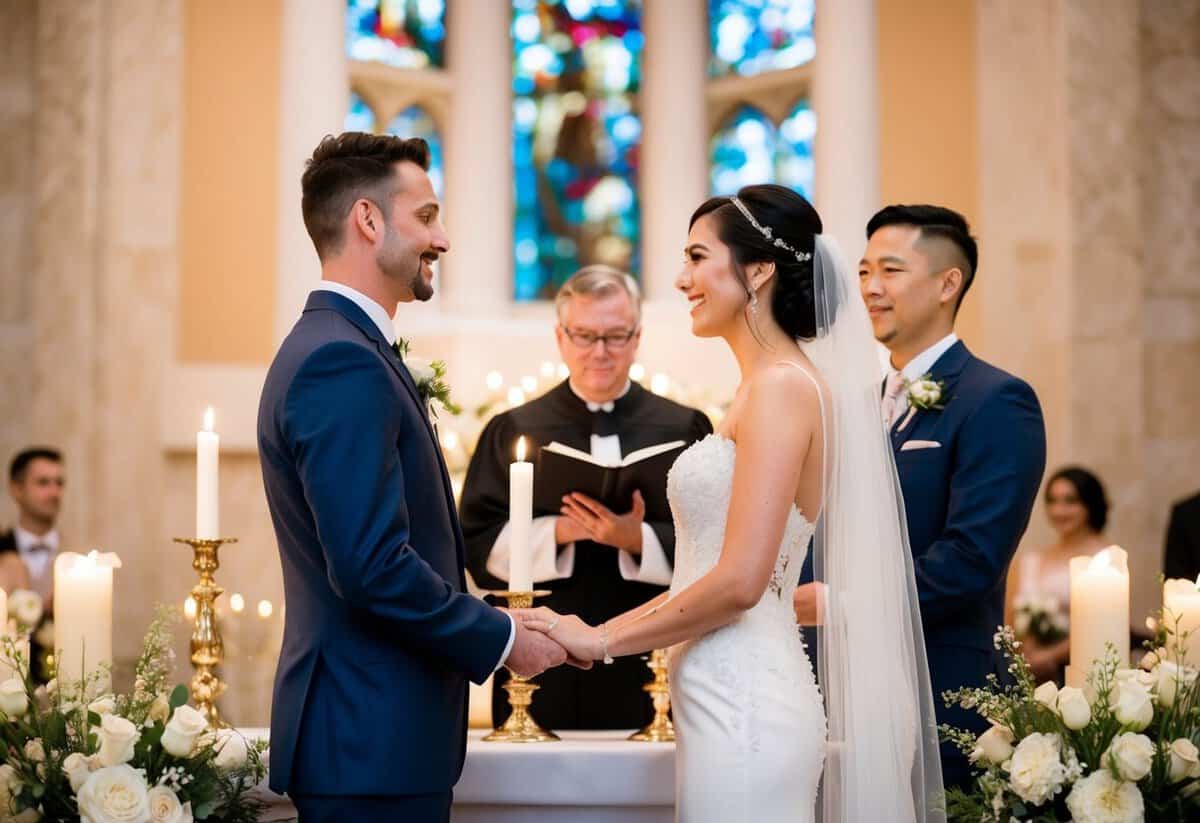
A wedding ceremony has a specific structure that guides the flow of events. Understanding each part is key to creating a personal and memorable experience.
The Processional and Music
The ceremony typically begins with the processional, which is when the wedding party walks down the aisle. This moment is often accompanied by music that sets the tone.
Choose a piece that resonates with you and reflects your personalities. Common choices include classical pieces, modern love songs, or instrumental tracks.
As the processional unfolds, the officiant waits at the altar alongside the couple. Family and friends watch with anticipation, creating a warm and inviting atmosphere.
Declaration of Intent and Exchange of Vows
After everyone is seated, the officiant will lead the couple in the declaration of intent. This is where you affirm your commitment to each other.
You might say something like, “I do,” or phrases specific to your beliefs or culture.
Following this, the couple exchanges vows. This part allows you to express your love and promises in your own words.
Some couples opt for traditional vows, while others create personal ones. Make sure to practice reading your vows aloud so they feel natural during the ceremony.
The Pronouncement
Once the vows are exchanged, the officiant makes the pronouncement. This is the moment you officially become married.
The officiant typically says something along the lines of, “I now pronounce you husband and wife.”
This moment is often followed by your first kiss as a married couple, which is both exciting and emotional.
After the pronouncement, the officiant might introduce you to guests with a flourish, adding to the joy of the occasion.
Special Ceremonial Practices
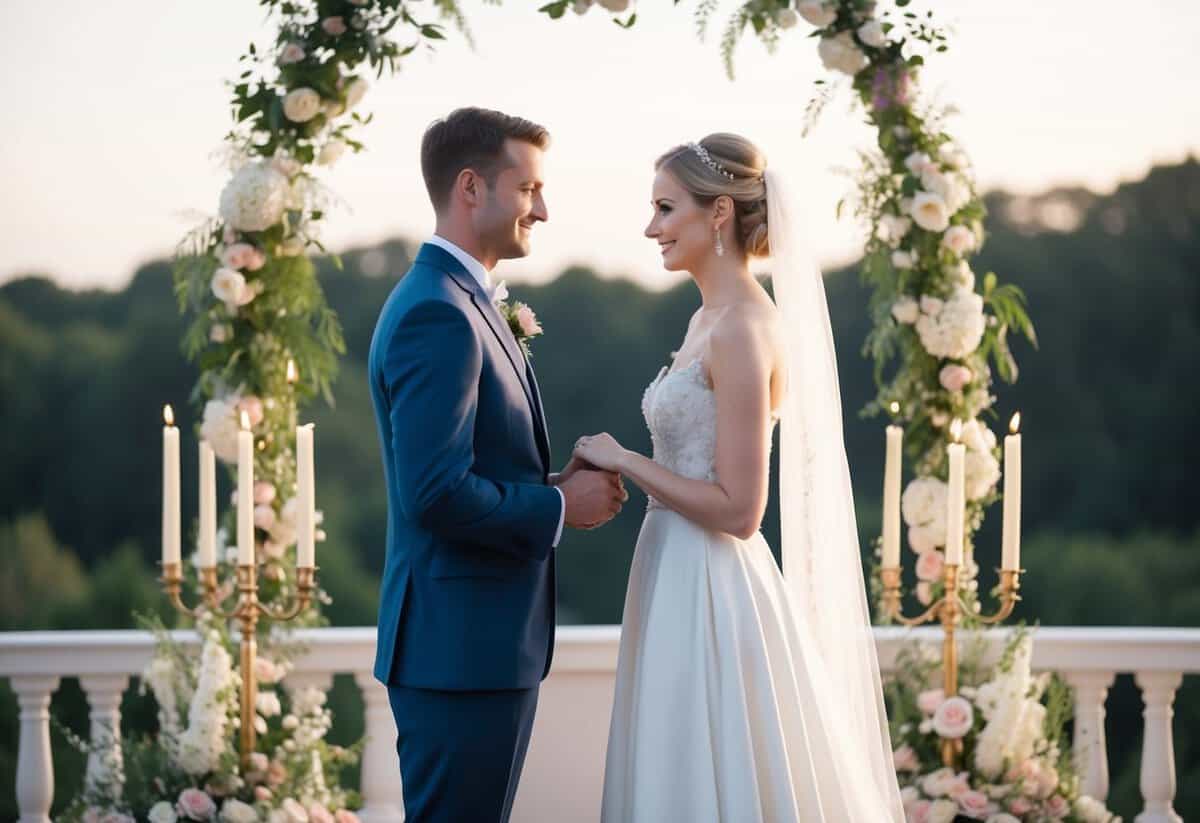
When it comes to wedding vows, different cultures and religions have unique practices. Understanding these can help you appreciate the significance of using full names and how vows may vary in style and substance.
Religious and Cultural Rites
Many religious ceremonies emphasize the use of full names during the exchange of vows. For example, in Anglican ceremonies, the couple may state their full names to confirm their identities before God and their community. Meanwhile, Methodists and Lutherans also follow similar traditions, ensuring that the full names are mentioned, symbolizing a formal and sacred commitment.
In a traditional marriage ceremony, you might encounter vows that specifically call for your full name, reinforcing the personal connection. In Baptist weddings, it’s common to include a declaration using full names, emphasizing the solemnity of the union. Other customs, like a handfasting ceremony, may not require full names but instead focus on vows that signify commitment through binding cords.
Modern Adaptations
Today, many couples enjoy personalizing their wedding vows while still honoring traditions.
You may choose to use your full name based on family expectations or religious customs, but you can also express your feelings more creatively.
The trend of writing personalized vows allows for a mix of formal and informal expressions.
In a hybrid ceremony, you might say your full name during the traditional part, then transition into custom vows that reflect your unique relationship.
Even in secular settings, the idea of acknowledging one another’s full names can add significance and unity to the moment.
This blend of old and new allows couples to create a memorable ceremony that honors their love and values.