
Do You Say Full Name in Wedding Vows? Understanding the Tradition and Significance
When planning your wedding ceremony, you might wonder if you should say your full name in your wedding vows. Using your full name can add a personal touch and show the importance of your commitment. It’s a choice that can be influenced by your cultural background or personal preference.
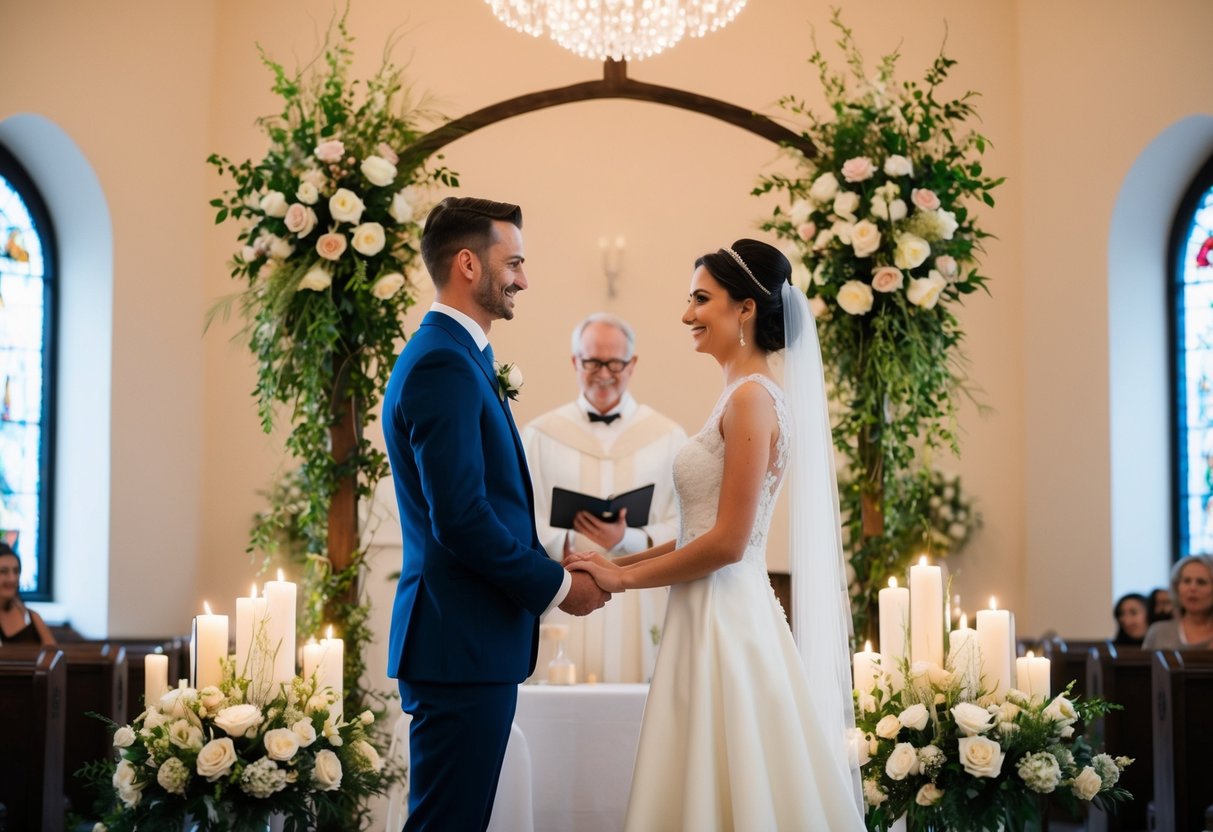
As you think about your vows, consider what feels right for you and your partner. Some couples opt to use just first names, while others feel that saying full names holds more significance. This decision can reflect your relationship and the promises you are making on that special day.
Ultimately, the way you express your love and commitment is what truly matters. Whether you choose to use your full name or just a nickname, make sure your vows resonate with your feelings and intentions as you step into this new chapter together.
Understanding Wedding Vows
Wedding vows are an essential part of your ceremony. They represent your commitment and love for each other. This part of the ceremony can vary based on traditions, beliefs, and personal touches you want to add.
The Role of Vows in a Wedding Ceremony
In a wedding ceremony, vows serve as a declaration of intent. This is where you publicly express your love and commitment to your partner. When you exchange vows, you’re making promises that are meaningful to both of you.
Whether you follow traditional marriage vows or create personalized vows, this moment is significant. Many couples use vows to show their unique relationship. In some traditions, like Catholic or Anglican weddings, specific phrases are often included to convey the commitment you’re making.
Sharing your vows with family and friends adds to the emotional weight of the moment. It’s a chance for everyone witnessing your love to understand how much you care for one another.
Different Traditions and Types of Vows
Wedding vows can take many forms. Depending on your cultural or spiritual beliefs, you might choose from various traditions. For instance, in a Hindu wedding, vows may focus on mutual respect and support. Meanwhile, Christian wedding vows often emphasize love and fidelity, sometimes using phrases like “to have and to hold.”
Some couples opt for personalized vows. This allows you to express your feelings and promises in your own words. You can reflect your journey together, making it a truly unique part of your ceremony.
In other traditions, such as Celtic or Pagan, vows may include symbolic gestures like a handfasting ceremony. It’s essential to consider what resonates with both of you. Your choice will help make your vows a special part of your wedding day.
Incorporating Full Names in Vows
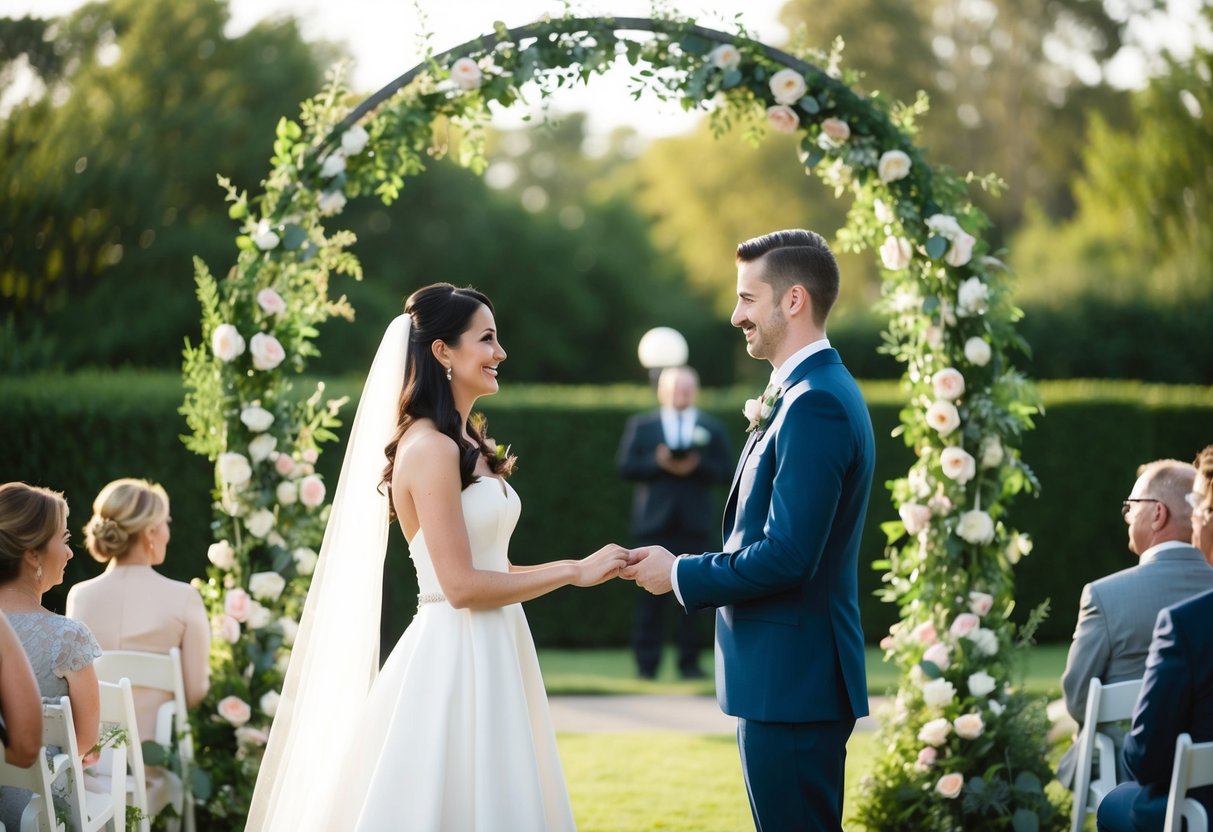
Using full names in wedding vows can enhance the ceremony’s significance. This choice affects both the formality and intimacy of your vows. It’s a personal touch that helps celebrate your commitment in a meaningful way.
Significance of Mentioning Full Names
Including your full name in your vows can make your promises sound more official. It emphasizes the importance of this moment as you enter into a marriage contract. By stating your full name, you acknowledge your identity and the commitment you are making.
When you say, “I, [Your Full Name], take you, [Partner’s Full Name], to be my partner for life,” it reinforces your bond in front of family and friends. It shows that you are serious about this promise and value the relationship you are building.
Customizing Vows for Intimacy and Formality
Personalized vows provide a chance to express your feelings uniquely. You can choose to use your full name to keep the formal tone while also incorporating a more personal message. This blend adds depth to your vows.
Think about how you want your vows to feel. You might prefer a formal approach with your full names to keep the wedding traditional. Alternatively, if you lean toward a casual vibe, using nicknames could make it feel more relaxed. Ultimately, this choice reflects your personality as a couple.
Crafting Your Own Vows
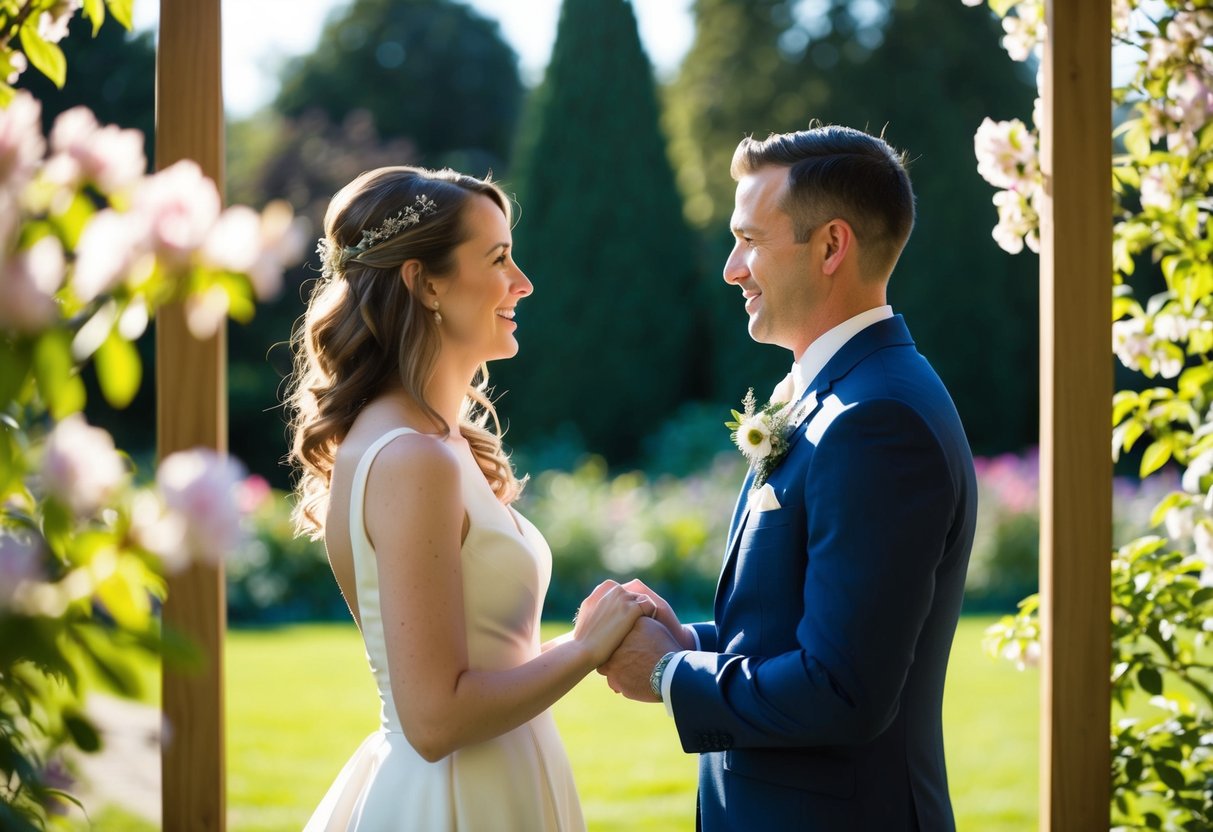
Creating personalized vows can be a special part of your wedding day. You have the chance to express your love in your own words. When considering whether to include your full name, think about what feels right for you and your partner.
Writing Personalized Vows
Writing your own vows allows you to share heartfelt promises that reflect your unique relationship. Start by listing qualities you love about your partner and memorable moments you’ve shared. These details can help shape what you want to say.
Here are some tips to consider:
- Make It Personal: Use specific memories that highlight your bond.
- Keep It Simple: You don’t need to use fancy language. Speak from the heart.
- Practice: Read your vows aloud to get comfortable with them.
Think about the emotions you want to convey and let them guide your writing.
Guidelines for Mentioning Names
Deciding whether to say your full name in vows can make a difference. Using your full name may add weight to your promises, emphasizing formality and seriousness. If you choose this route, be clear and confident.
Consider the following:
- Cultural or Religious Aspects: Some traditions may encourage full name usage.
- Personal Preference: If saying your full name feels awkward, it’s okay to skip it.
- Consult Your Celebrant: Your officiant can provide advice based on their experience with vows.
The Ceremony Itself
The ceremony is a special moment full of emotion and significance. It includes specific steps that mark the union of two people. Key parts involve the exchange of vows, the officiant’s role, and the music that sets the atmosphere.
Sequence of Events Including Vows
The ceremony usually begins with the entrance of the bride and groom. Once everyone is seated, the officiant welcomes guests and introduces the couple. After some opening remarks, it’s time for the exchange of vows.
During this moment, you express your love and commitment. You can choose to say your full name or just a nickname, depending on what feels right for you. Following the vows, you may have a ring exchange, symbolizing your promises. The entire sequence flows smoothly, creating an unforgettable atmosphere.
The Role of the Officiant and Celebrant
The officiant or celebrant plays a crucial role in your ceremony. They guide you through each step, ensuring everything goes according to plan. They are responsible for making your vows legal by having you sign a marriage license.
The officiant also helps personalize the ceremony by sharing stories or meaningful quotes. They keep the mood light and loving, connecting with the audience. This creates an inviting environment where everyone feels part of your celebration.
Music and Pronouncements
Music can significantly enhance the experience of your ceremony. It sets the mood for different moments, from the processional to the vows. You might choose soft instrumental music or songs that hold special meaning for both of you.
After the vows and ring exchange, the officiant will then make pronouncements. This is the moment when the officiant will officially declare you married! This often includes a heartfelt statement that celebrates your union, bringing joy and excitement to everyone involved.