
Do You Say “I Do” Before or After the Vows? Understanding Wedding Traditions
Planning a wedding can be both exciting and overwhelming, especially with so many traditions to consider. One common question comes up during the ceremony: do you say “I do” after the vows, during the important moment when you’re committing to each other? This moment is a highlight, and understanding its place in the ceremony can help ease any nerves.

As you prepare for your big day, it helps to know what to expect during this emotional exchange. You might picture a dramatic moment, but the actual order of events is quite straightforward.
Knowing where “I do” fits in can make your ceremony flow smoothly and ensure you stay focused during such a significant occasion.
So, whether you’re writing your vows or sticking to traditional ones, keeping track of when to say “I do” can help you feel more comfortable. Embrace the moment, and let your love shine through as you celebrate this special commitment.
The Order of Wedding Vows in the Ceremony
The order in which vows are exchanged during a wedding ceremony can vary. Understanding the traditional sequence and different variations is essential for couples planning their special day.
Understanding the Traditional Sequence
In traditional wedding ceremonies, the order typically follows a specific pattern. First, the officiant may introduce the vows. This sets the stage and lets everyone know what to expect.
Next, the groom often recites his vows. This is followed by the bride sharing her vows. In many ceremonies, this order emphasizes the commitment each partner is making to one another.
After the vows are spoken, the couple usually exchanges rings. This symbolizes their commitment and love. The moment of saying “I do” occurs after the vows in most traditional settings, sealing the promises made.
Variations in Different Types of Ceremonies
Different cultural or religious ceremonies may have unique ways of arranging vows. For instance, in some Hindu weddings, vows are shared during a ritual called “Saptapadi,” where the couple takes seven steps together, each representing a promise.
In simpler, non-religious ceremonies, couples might choose to personalize their vows. This could mean saying “I do” before sharing heartfelt promises.
Another option is elopements or destination weddings, which may have a more relaxed structure. Here, you can adjust the sequence to fit your style.
These variations allow you to make your ceremony special and reflective of your relationship.
Guidelines for Saying ‘I Do’
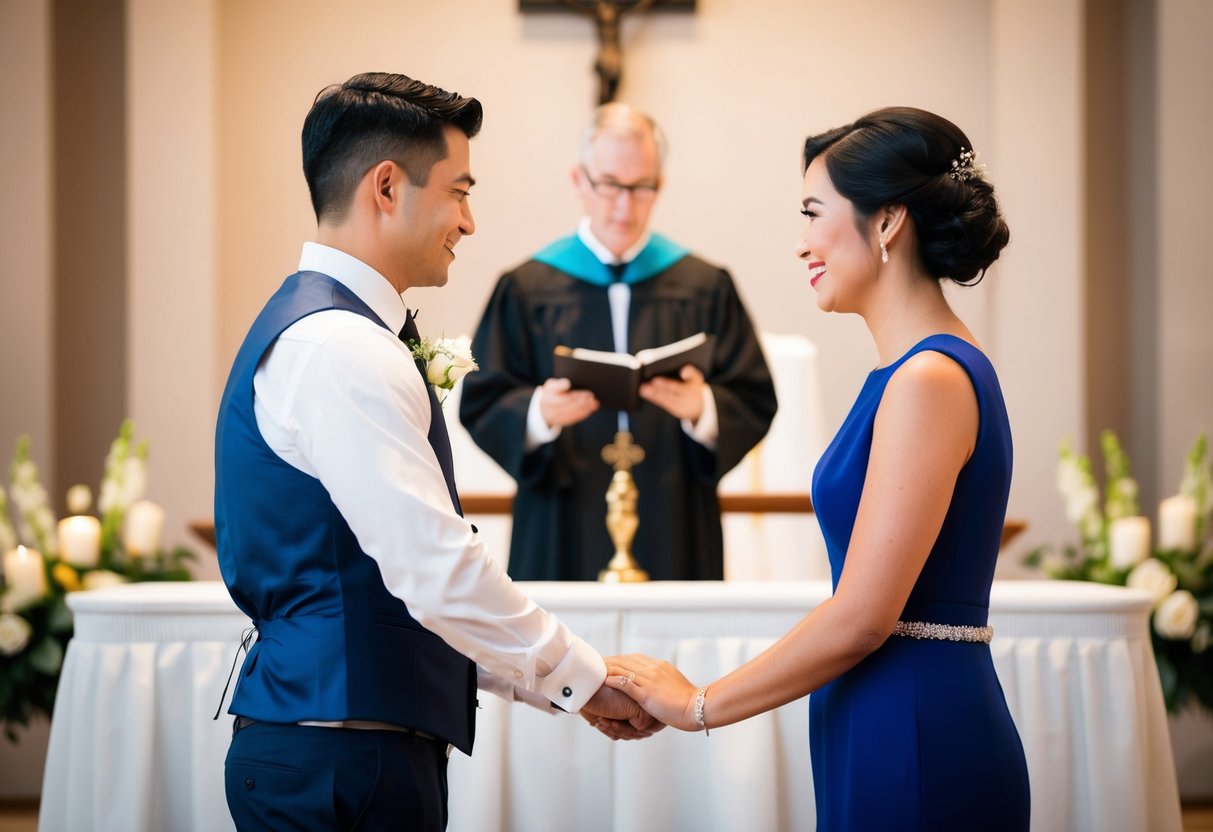
When planning your wedding, it’s important to understand the significance of saying “I do” during the ceremony. This phrase often marks a key moment in the vows. Depending on your preference, you may also explore modern alternatives.
The Role of ‘I Do’ in Wedding Vows
Saying “I do” is traditionally the moment when you confirm your commitment to each other. It’s a clear, powerful affirmation of your love and your intention to marry.
This phrase usually comes after the officiant reads the vows. In some ceremonies, the couple may choose to repeat “I do” after each vow. This can add a personal touch and highlight the importance of each commitment.
When using traditional vows, both partners typically say “I do” together, which symbolizes unity. It’s important to feel comfortable and genuine in this moment. Speak clearly and confidently, as this sets the tone for your married life.
Contemporary Alternatives to ‘I Do’
With modern weddings embracing unique styles, many couples are exploring alternatives to the traditional “I do.” Some prefer phrases like “I will” or “I choose you,” which can feel more personal and meaningful.
You might also choose to write your own vows. In this case, you can express your love in your own words, followed by a personal affirmation. This allows for genuine expression, making your vows special.
Additionally, some couples skip the verbal declaration altogether and opt for meaningful gestures, like exchanging rings. Whatever you choose, make sure it reflects your relationship and commitment.
Etiquette and Advice for Couples
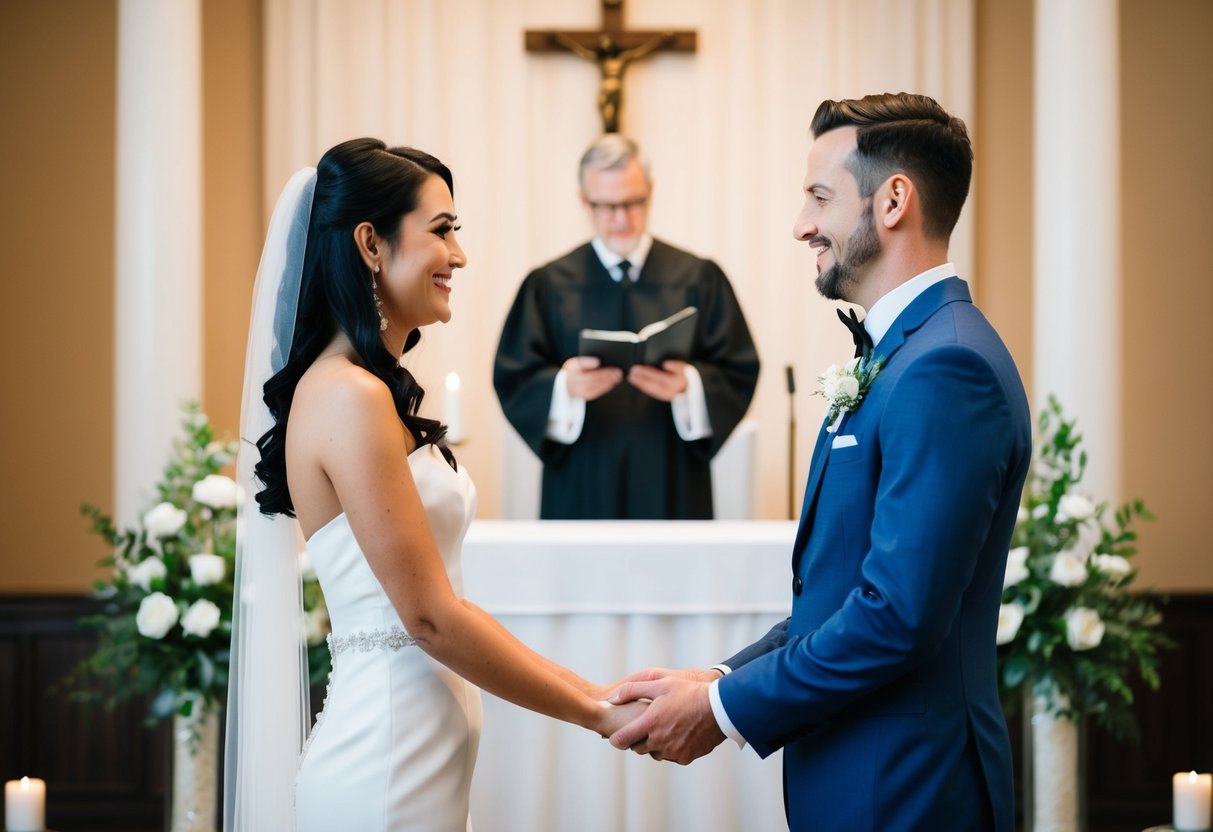
When planning your wedding, it’s important to think about when to say “I do” in relation to your vows. Timing can affect the flow of your ceremony and the emotions involved. Here are some tips to help you along the way.
Tips for Timing Your Vows
Planning a wedding can be both exciting and overwhelming, especially with so many traditions to consider. One common question comes up during the ceremony: do you say “I do” after the vows, during the important moment when you’re committing to each other? This moment is a highlight, and understanding its place in the ceremony can help ease any nerves.
As you prepare for your big day, it helps to know what to expect during this emotional exchange. You might picture a dramatic moment, but the actual order of events is quite straightforward.
Knowing where “I do” fits in can make your ceremony flow smoothly and ensure you stay focused during such a significant occasion.
So, whether you’re writing your vows or sticking to traditional ones, keeping track of when to say “I do” can help you feel more comfortable. Embrace the moment, and let your love shine through as you celebrate this special commitment.
The Order of Wedding Vows in the Ceremony
The order in which vows are exchanged during a wedding ceremony can vary. Understanding the traditional sequence and different variations is essential for couples planning their special day.
Understanding the Traditional Sequence
In traditional wedding ceremonies, the order typically follows a specific pattern. First, the officiant may introduce the vows. This sets the stage and lets everyone know what to expect.
Next, the groom often recites his vows. This is followed by the bride sharing her vows. In many ceremonies, this order emphasizes the commitment each partner is making to one another.
After the vows are spoken, the couple usually exchanges rings. This symbolizes their commitment and love. The moment of saying “I do” occurs after the vows in most traditional settings, sealing the promises made.
Variations in Different Types of Ceremonies
Different cultural or religious ceremonies may have unique ways of arranging vows. For instance, in some Hindu weddings, vows are shared during a ritual called “Saptapadi,” where the couple takes seven steps together, each representing a promise.
In simpler, non-religious ceremonies, couples might choose to personalize their vows. This could mean saying “I do” before sharing heartfelt promises.
Another option is elopements or destination weddings, which may have a more relaxed structure. Here, you can adjust the sequence to fit your style.
These variations allow you to make your ceremony special and reflective of your relationship.
Guidelines for Saying ‘I Do’
When planning your wedding, it’s important to understand the significance of saying “I do” during the ceremony. This phrase often marks a key moment in the vows. Depending on your preference, you may also explore modern alternatives.
The Role of ‘I Do’ in Wedding Vows
Saying “I do” is traditionally the moment when you confirm your commitment to each other. It’s a clear, powerful affirmation of your love and your intention to marry.
This phrase usually comes after the officiant reads the vows. In some ceremonies, the couple may choose to repeat “I do” after each vow. This can add a personal touch and highlight the importance of each commitment.
When using traditional vows, both partners typically say “I do” together, which symbolizes unity. It’s important to feel comfortable and genuine in this moment. Speak clearly and confidently, as this sets the tone for your married life.
Contemporary Alternatives to ‘I Do’
With modern weddings embracing unique styles, many couples are exploring alternatives to the traditional “I do.” Some prefer phrases like “I will” or “I choose you,” which can feel more personal and meaningful.
You might also choose to write your own vows. In this case, you can express your love in your own words, followed by a personal affirmation. This allows for genuine expression, making your vows special.
Additionally, some couples skip the verbal declaration altogether and opt for meaningful gestures, like exchanging rings. Whatever you choose, make sure it reflects your relationship and commitment.
Etiquette and Advice for Couples
When planning your wedding, it’s important to think about when to say “I do” in relation to your vows. Timing can affect the flow of your ceremony and the emotions involved. Here are some tips to help you along the way.
Tips for Timing Your Vows
Navigating Cultural and Religious Expectations
Different cultures and religions have their own traditions regarding wedding vows and declarations. Respecting these customs is wise.
Things to Keep in Mind:
- Consult your officiant: Your officiant can guide you on what is customary.
- Family Influences: Consider important traditions that your families value.
- Personal Meaning: Find ways to honor both your beliefs and your partner’s.
Understanding these expectations can help create a ceremony that respects tradition while reflecting your unique love.