
Do You Say Vows at a Registry Office? Understanding the Ceremony Process
When you choose to tie the knot at a registry office, you might wonder about the role of vows in your ceremony. At a registry office, you do say vows as part of the official wedding ceremony. These vows are legally binding and mark the commitment you are making to your partner in front of a registrar and any witnesses you may have.
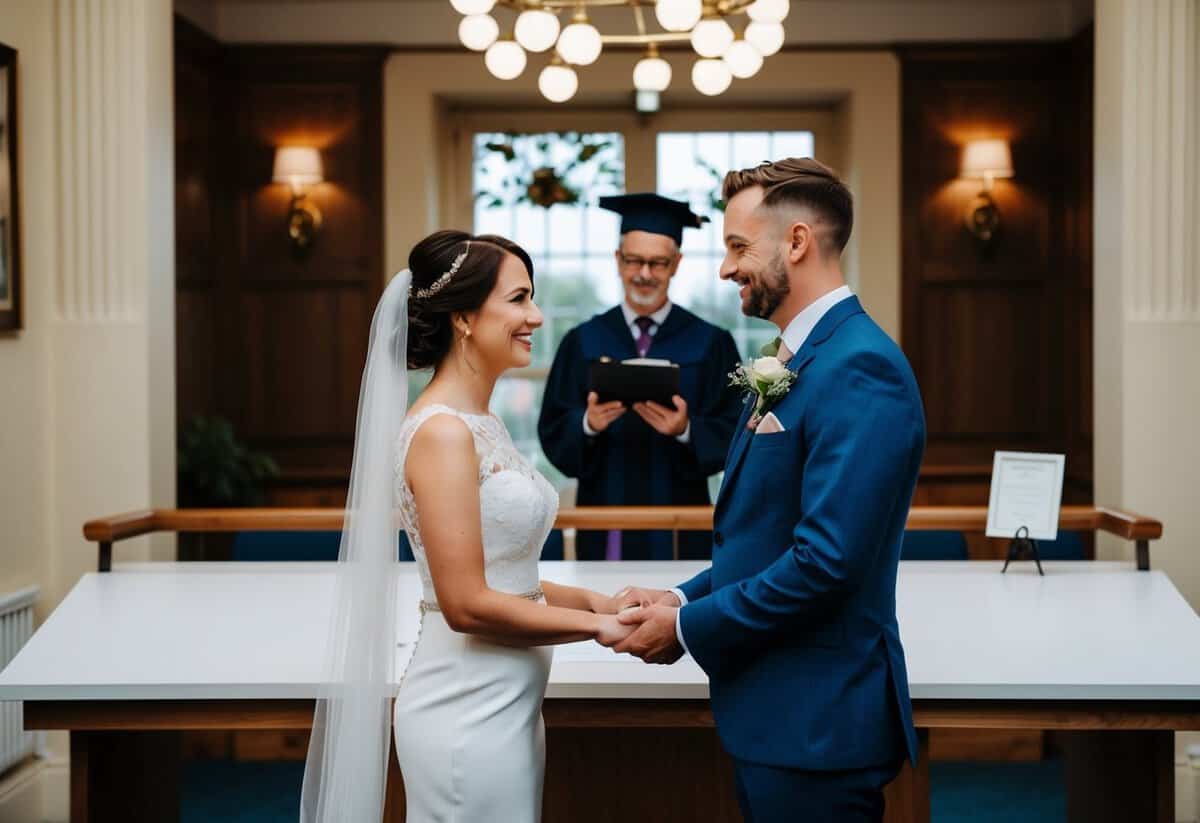
Registry office weddings usually have a straightforward format. You will be asked to declare that there are no legal reasons preventing you from marrying. This is followed by the essential vows, which can vary slightly depending on the location. Many couples appreciate the simplicity of a civil ceremony, allowing them to focus on their love without extra fuss.
Whether you prefer a simple ceremony or a larger celebration later, saying your vows at the registry office is a significant step in your journey together. This setting provides a meaningful way to begin your life as a married couple, surrounded by the excitement and anticipation of what lies ahead.
Understanding the Registry Office Wedding
Getting married at a registry office is a simple and legal way to celebrate your union. It is important to know the legal aspects and the differences between a civil partnership and marriage. Here’s what you should understand about these key points.
Registry Office and Legal Aspects
When you choose to marry at a registry office, you must follow certain legal steps. First, you need to give notice of your intent to marry, meaning informing the registrar at least 28 days in advance.
During the ceremony, you will make a legal declaration. This declaration is a statement that you are free to marry each other. The registrar will guide you through this process.
Your wedding vows are also an important part of this legal step. They are the promises you make to each other during the ceremony. These vows can be simple but must meet legal requirements. The ceremony is often shorter than traditional weddings, making it a practical choice for many couples.
Difference Between Civil Partnership and Marriage
A civil partnership is a legal union that provides similar rights to marriage but is distinct in name. You can enter a civil partnership by making a civil partnership declaration in front of a registrar.
The legal rights are similar in both situations. For instance, both provide financial protections and recognition by law. However, marriage may hold more cultural significance for some.
You may want to consider the differences depending on your beliefs and preferences. Think about how each option fits your relationship. Understanding these differences can help you decide which one feels right for you.
The Ceremony Process
When you choose a registry office for your wedding, you’ll experience a straightforward and meaningful ceremony. Key elements include the role of the registrar, the vows you’ll exchange, and the importance of witnesses.
The Role of the Registrar
The registrar plays a vital role in your civil ceremony. They are responsible for guiding you through the process and ensuring everything runs smoothly.
During the ceremony, the registrar will explain what to expect. They will help you with the legal wording needed for the marriage vows. This is an important part of the event because it makes the marriage official.
The registrar will also ask you to declare your intention to marry. This declaration is one of the first steps to make your ceremony valid. Throughout the event, they may provide assistance with any questions you have.
Vows and Promises
During your registry office wedding, you will exchange vows that are both binding and meaningful. The ceremony typically involves everyone saying set phrases, known as legal wording.
You will be asked to say certain phrases that confirm your intention to marry. This is the moment where your personal vows can be included as well.
Adding personal marriage promises makes the ceremony special. You can express your feelings and commitments in your own words. Keep in mind that the main vows must meet legal requirements to ensure the ceremony is valid.
Witnesses and Their Importance
Having witnesses is an essential part of your registry office wedding. You need at least two witnesses present to sign the marriage register and make your marriage official.
Witnesses confirm that the ceremony happened as required by law. They are important for validating your marriage contract.
Choosing friends or family members as witnesses can add an extra personal touch. They play a supportive role and can be part of your celebration.
During the ceremony, your witnesses will be there to celebrate your love. Their presence creates a joyful atmosphere and highlights the significance of your special day.
Adding Personal Touches to Your Ceremony
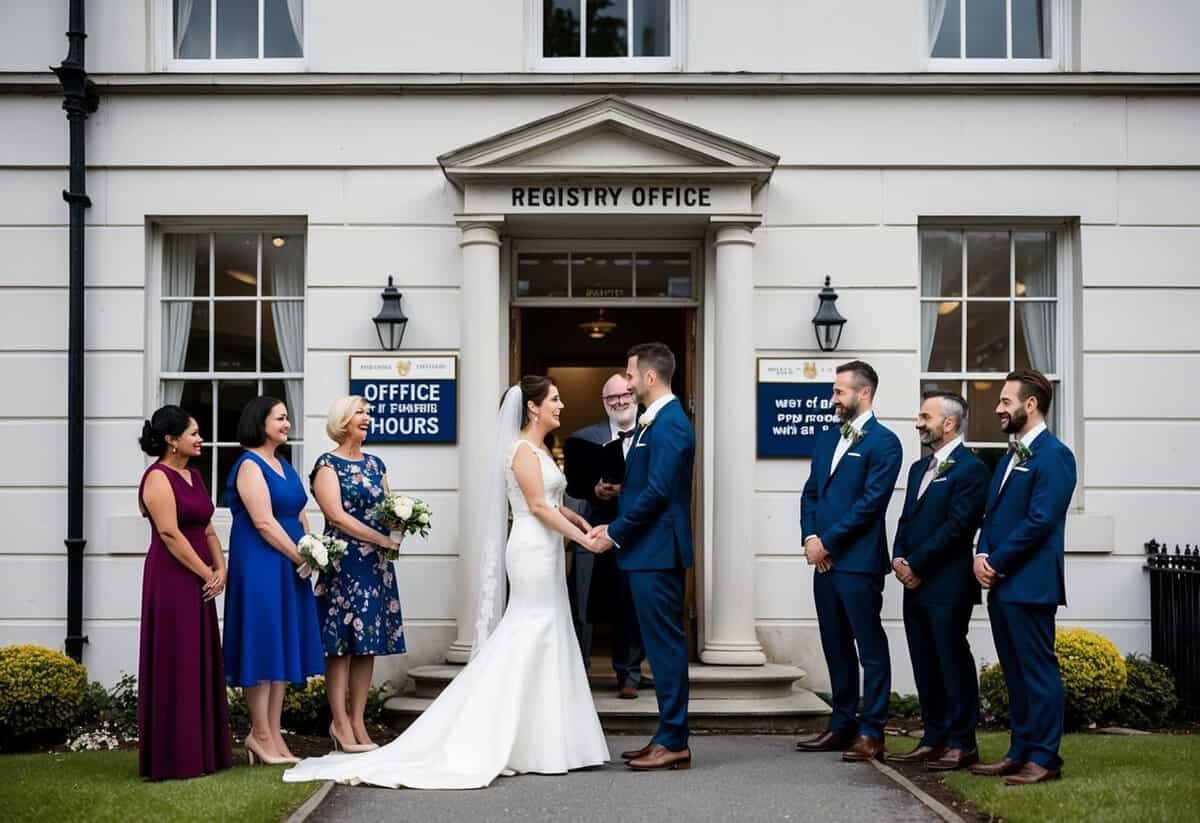
You can make your registry office ceremony feel special by incorporating personal touches. Thoughtful readings and music can enhance the atmosphere. Additionally, personal promises and a meaningful ring exchange will add depth to your vows.
Choosing Readings and Music
Selecting readings and music that resonate with you as a couple is an excellent way to personalize your ceremony. You might choose a poem that reflects your journey or a quote that captures your love.
For music, consider songs that hold special meaning for both of you. Whether it’s your first dance song or a tune associated with a memorable moment, bringing these elements into your ceremony will create a warm and loving atmosphere. You can even ask a friend or family member to perform a reading or play music for added intimacy.
Personal Promises and Ring Exchange
Personal promises can make your vows more meaningful. While traditional vows outline commitment, you can add specific promises that reflect your love story. These may include vows to support each other’s dreams or to cherish each day together.
When exchanging rings, consider sharing a few words about their significance. Discuss what the rings symbolize, such as love and friendship, or your commitment to respect and cherish each other. This moment can be very personal and allows you to express your heartfelt emotions while still adhering to the ceremony format.
Finalizing Your Union
When you complete your ceremony at a registry office, there are important steps to finalize your marriage. This includes signing the marriage register and obtaining your marriage certificate, which are essential for legal recognition of your union.
Signing the Marriage Register
After exchanging vows at the registry office, you will need to sign the marriage register. This act officially documents your marriage. You and your partner, along with two witnesses, must sign the register.
The registrar will ensure that all details are accurate, including your names, addresses, and dates of birth. It’s important to check for any mistakes before you sign. Once signed, this register becomes a vital record of your matrimony and is often kept at your local register office.
Obtaining Your Marriage Certificate
Once you sign the marriage register, you can request your marriage certificate. This document serves as legal proof of your marriage. You may need to pay a small fee for it.
Typically, you can collect your certificate at the registry office or receive it by mail. Having your marriage certificate is crucial for various legal matters, such as changing your name or applying for joint accounts. Remember to keep it in a safe place, as you might need it in the future for any legal or personal purposes.