
Do You Say Your Vows Before You Say I Do? Understanding Wedding Ceremony Traditions
When you plan your wedding ceremony, you might wonder about the order of saying your vows and the iconic “I do.” Typically, you say your vows before you declare “I do.” Your vows express your commitment and feelings towards your partner. This moment is often the emotional heart of the ceremony, setting the tone for a loving marriage.
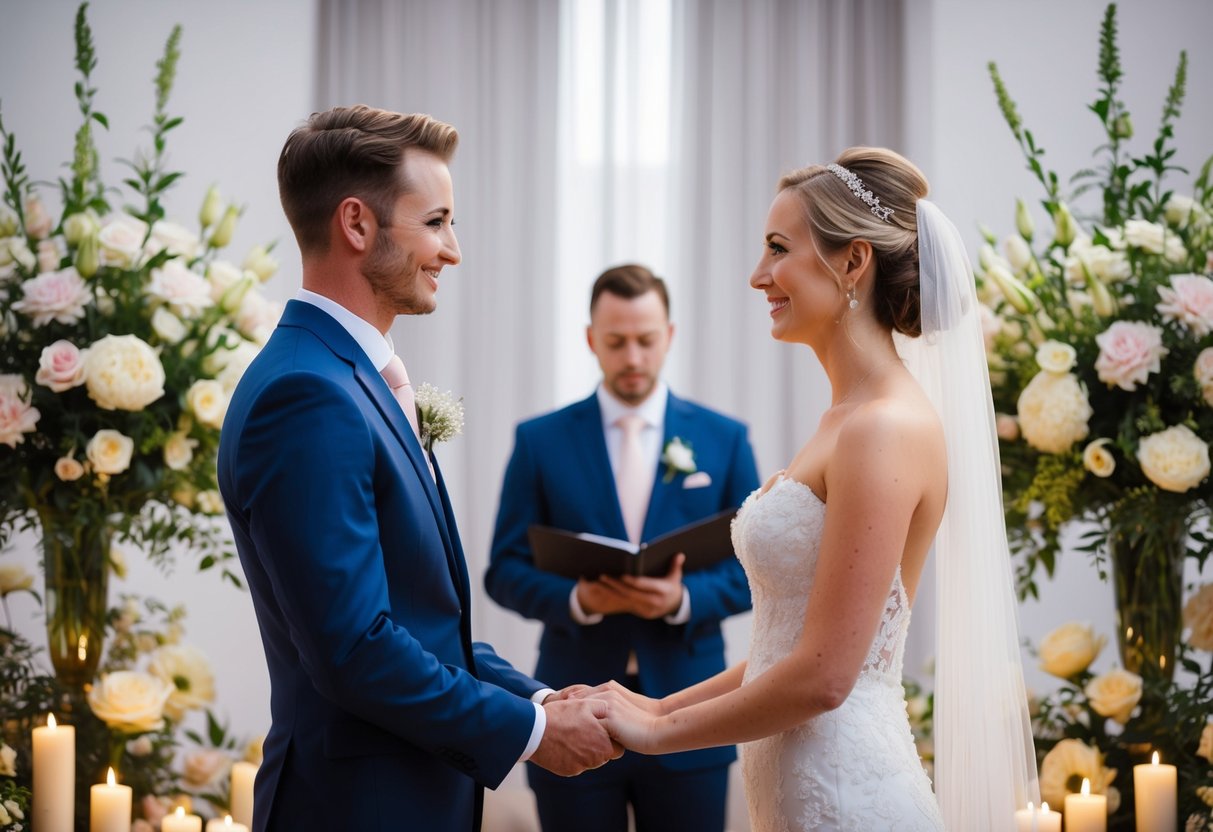
Understanding this flow can help you design a ceremony that feels meaningful and personal. Many couples choose to write their own vows, adding a unique touch to this wedding custom. Whether you opt for traditional words or heartfelt personalized promises, the moment you say your vows is a key part of affirming your love and commitment before your guests.
By knowing when these important phrases fit into your ceremony, you can better prepare for one of the most special days of your life. Enjoy the process, and remember that these moments reflect your journey together.
The Role of Vows in the Wedding Ceremony

Vows are a significant part of your wedding day, representing the promises you make to each other. They hold deep personal meaning and can vary from traditional formats to unique, modern interpretations. Understanding the role of vows will help you shape your ceremony.
Understanding The Vow Exchange
During a wedding ceremony, the vow exchange is a key moment where you express your commitment. This is when you declare your love and intentions to one another. Traditionally, vows include phrases like “I take you to be my lawfully wedded (husband/wife).”
You may choose to repeat after your officiant or recite personal vows. This moment not only affirms your feelings but also serves as a public declaration of your partnership. The vow exchange is often complemented by the phrase “I do,” solidifying your commitment right after stating your vows.
Private Vs. Traditional Vows
Choosing between private and traditional vows can set the tone for your ceremony. Traditional vows often come from religious or cultural customs. These vows may feel timeless and comforting.
On the other hand, private vows allow a personal touch and creativity. You can express your feelings in your own words, sharing specific promises that matter to you both. Some couples opt for a mix: they may say traditional vows in front of guests but share personal ones privately before or after the ceremony.
Whatever you decide, each type of vow has a unique significance in your marriage journey.
Writing Your Own Vows
Writing your own vows is a great way to personalize your wedding ceremony. Start by reflecting on your relationship. What do you cherish about your partner? What promises do you want to make?
Aim for genuine expressions of love. You can include stories, shared experiences, or inside jokes to make them memorable. Remember to keep your vows concise, so they don’t overwhelm you or your guests.
Try practicing your vows aloud. This will help you feel comfortable when the big day arrives. Don’t worry about being perfect; the sincerity behind your words is what truly matters. Personal vows can be a beautiful testament to your love story.
The Declaration of Intent
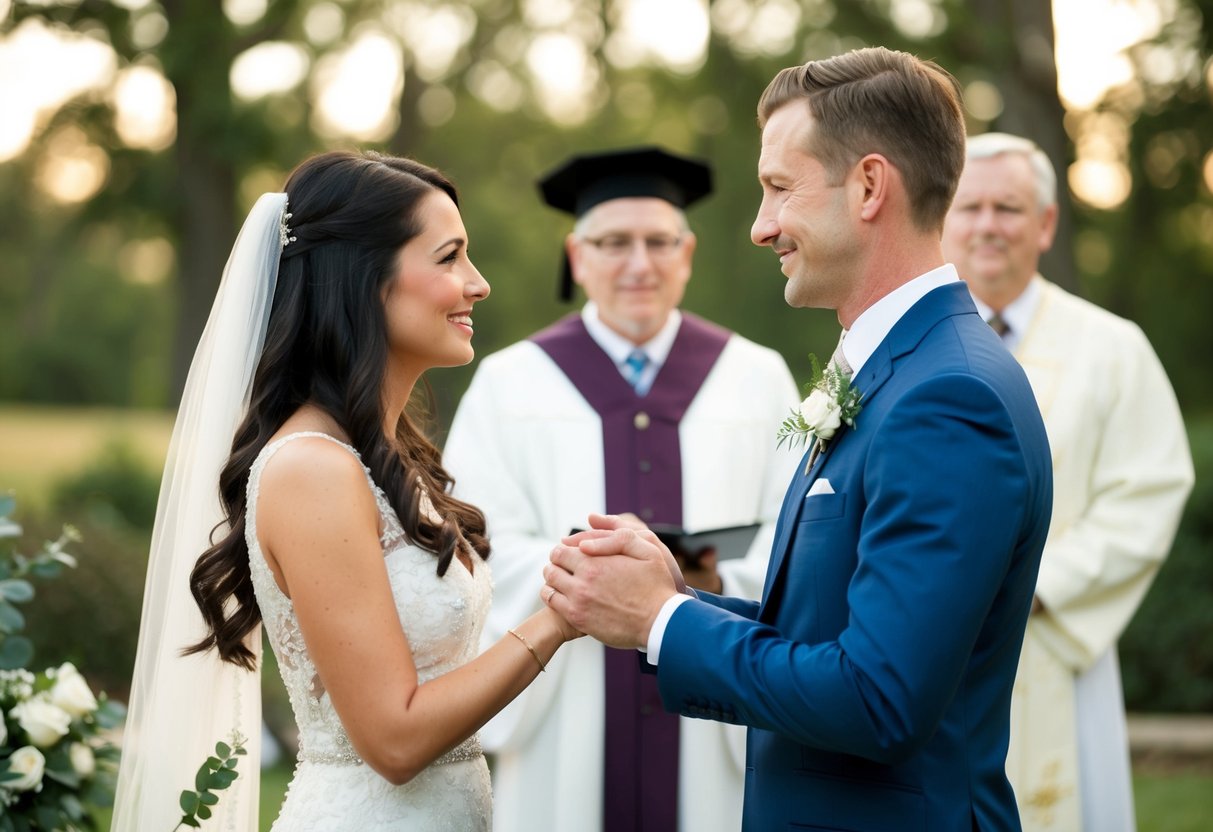
The declaration of intent is a key part of your wedding ceremony. This moment marks the beginning of your official commitment. It includes the phrases “I do” and “I will,” each playing an important role.
When ‘I Do’ Comes Into Play
During the ceremony, you will be asked by your officiant if you take your partner as your spouse. When you respond with “I do,” you are making a clear declaration of your intent to marry. This is more than just words; it signifies your acceptance of the commitment you are making.
The phrase “I do” seals the marriage contract verbally. Without this declaration, the marriage is not legally recognized. This moment is often considered one of the most emotional parts of the ceremony, creating a deep connection between you and your partner.
The Significance of ‘I Will’
After the declaration of intent, you often express your vows using the phrase “I will.” This is where you make promises about your future together. Saying “I will” shows your commitment to uphold these promises and to support each other in the relationship.
Your wedding officiant will guide you through this part of the ceremony. It’s a chance for you to share what is important in your relationship. The vows can be personal and heartfelt, giving everyone present a glimpse into your love story and the promises you hold dear.
Ceremonial Elements Involving Vows
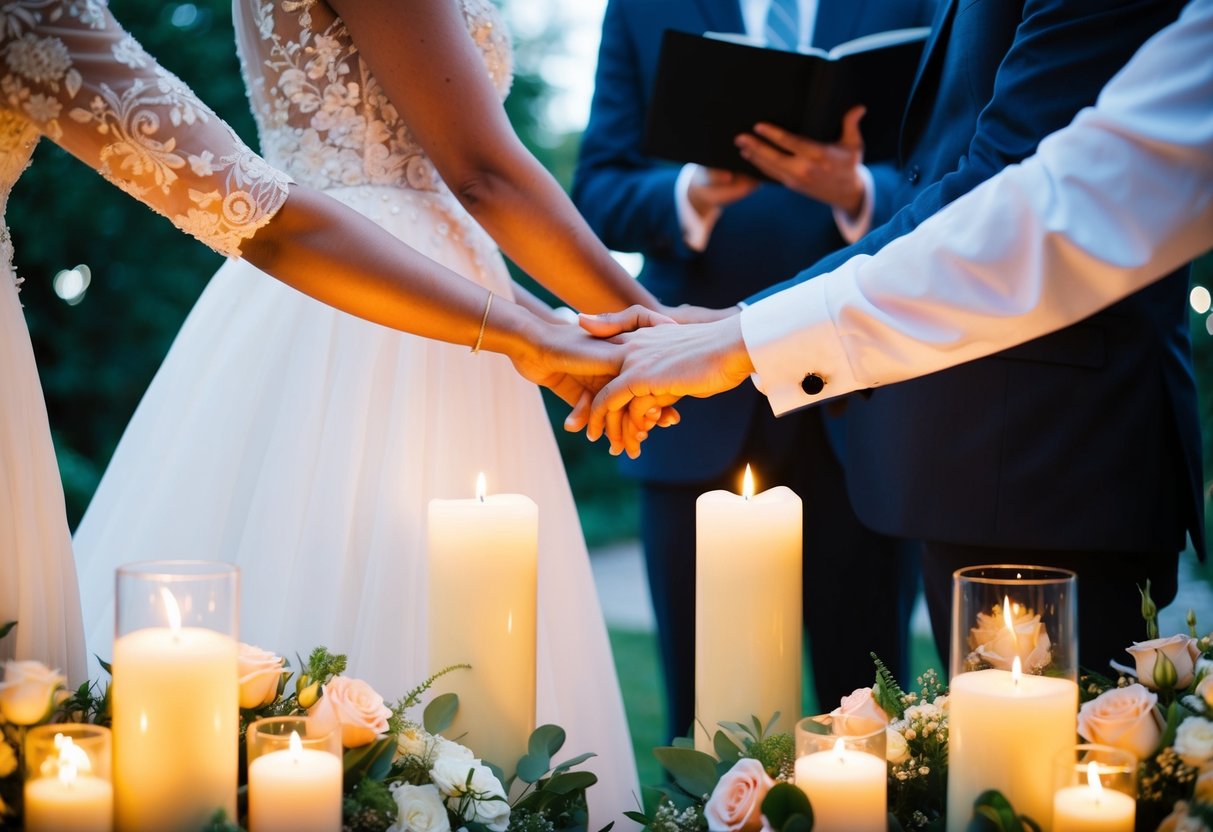
During your wedding ceremony, vows are significant moments that express your love and commitment. Several elements come together to create a heartfelt experience, including the exchange of rings, the processional and recessional, and sample vows for inspiration.
Exchange of Rings
The exchange of rings is one of the most recognized parts of a wedding ceremony. This act symbolizes your promises to each other. As you place the wedding ring on your partner’s finger, you are making a visual commitment to love and cherish them.
It’s common to say a few words while exchanging rings. You might choose traditional phrases or create your own. If using traditional vows, you could say something like, “With this ring, I thee wed.” A personalized vow adds a special touch, reflecting your relationship’s unique qualities.
Processional and Recessional
The processional and recessional set the tone for your ceremony. The processional is when you walk down the aisle, often accompanied by music, to signify the start of the occasion. This moment marks your transition from single life to becoming a couple.
After the vows and ring exchange, the recessional takes place. This is when you exit the ceremony as a married couple. Both moments are key in framing your wedding experience. They emphasize joy and excitement, making them memorable for you and your guests.
Sample Vows and Inspiration
Crafting your vows can be both enjoyable and meaningful. You can choose between traditional vows or create something uniquely yours. Many couples like to look for inspiration online or in vow booklets.
Here are some ideas to get you started:
- “I promise to support you and respect you.”
- “I will laugh with you in times of joy and comfort you in times of sorrow.”
These personal touches can make your words even more special, ensuring they resonate with both of you.
Final Considerations Before Saying ‘I Do’
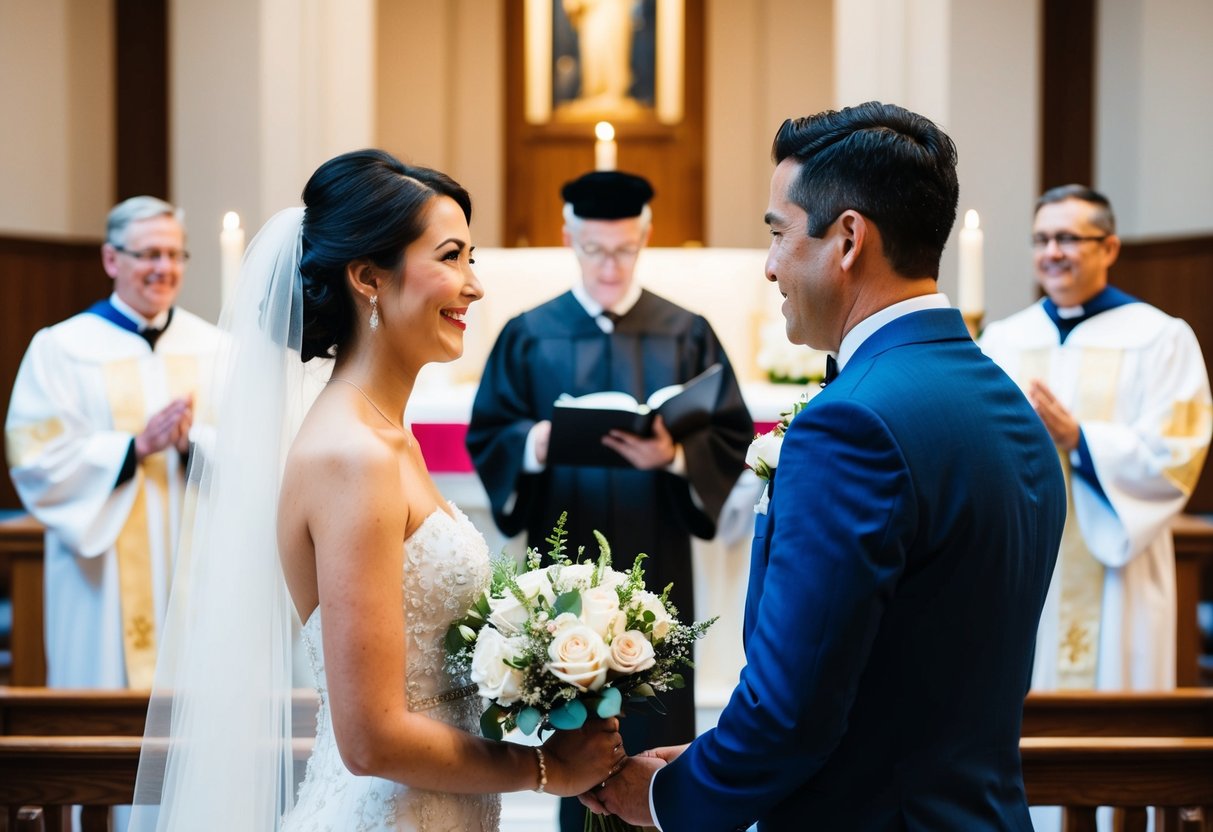
Before you say “I do,” there are important aspects to consider. Understanding the legal implications of your marriage vows is key. Additionally, the content of your vows can be something special between you and your partner.
Legal Implications of Marriage Vows
When it comes to saying “I do,” knowing the legal requirements is vital. You can only say “I do” after securing a marriage license. This document proves that you are legally able to wed.
Marriage vows, while personal, do not usually have legal weight on their own. Instead, saying “I do” confirms your commitment to each other in front of witnesses and the officiant.
If you choose to write and read your own vows, you still need to follow the legal procedures. Make sure your vows reflect your personal promises while still adhering to the ceremony’s structure.
The Last Word on Vows
Your vows can set the tone for your marriage. Whether you speak traditional vows or write and read your own, consider the impact they will have.
If you decide to repeat line-by-line after the officiant, this can create a beautiful shared moment. Ensure your vows are meaningful and reflect the love you wish to express.
Also, keep in mind the word count. Shorter vows might be easier to memorize and recite.
Whatever route you take, focus on sincerity rather than length. This is the time for you to express your commitment and love.