
Do You Send a Wedding Invite to Someone Who Declined? Navigating the Etiquette of Wedding Invitations
Deciding whether to send a wedding invite to someone who has already declined can feel tricky. However, if you genuinely want this person to be part of your special day, it’s perfectly fine to send the invite anyway. This gesture shows that you care and appreciate their friendship, even if they won’t be able to attend.

Invitation etiquette often emphasizes the importance of inclusivity. When it comes to weddings, extending an invite to close friends and family is a nice way to express that they matter to you. Even if someone has said no, sending them a wedding invite can strengthen your relationship and leave the door open for future connections.
Keep in mind that every situation is unique. If the person declined due to valid reasons, sending an invite can be a thoughtful reminder that you value them, regardless of their attendance. It’s all about making sure everyone feels included and cherished on such a significant occasion.
Understanding Wedding Invitation Etiquette

Wedding invitation etiquette includes important practices that help to ensure your guests feel valued and informed. Key points focus on the significance of RSVPs and the use of save-the-date cards in the invitation process.
Significance of RSVP
The RSVP is crucial for planning your wedding. When you send an invitation, asking for an RSVP allows you to know who can attend. This helps with seating arrangements, food, and other logistics.
Make your RSVP request clear. You can include a date by which you want guests to respond. Providing various response methods, like mail or online forms, increases the chances of getting timely replies.
Even if a guest declines, sending a formal RSVP is essential. It shows respect for your event, helping you finalize your headcount accurately.
The Role of Save-the-Date Cards
Save-the-date cards are a friendly way to inform guests about your wedding ahead of time. They give everyone a heads-up, making it easier for them to clear their schedules.
These cards should be sent out as soon as you have your date and venue confirmed. Aim to send them at least six months before the wedding, especially for destination events.
Make sure your save-the-date cards are clear about the date and location. While these cards don’t require an RSVP, it’s a good idea to follow up with a formal wedding invitation later. This keeps everything organized and helps maintain good communication.
Managing the Guest List
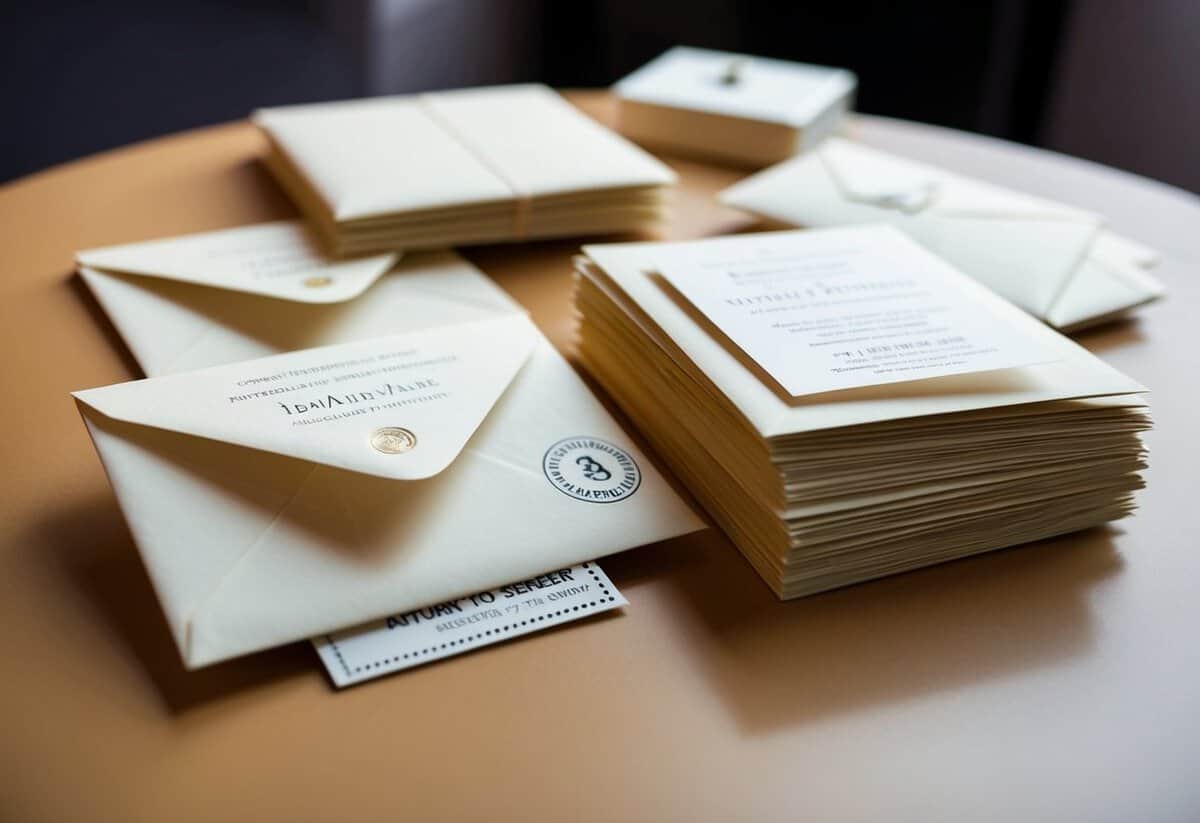
Managing your guest list is an important part of wedding planning. You face decisions like sending invites to those who declined and tracking RSVPs. Here’s how to make it easier.
Should You Send an Invite to Those Who Declined?
When someone declines your invitation, it’s natural to wonder if you should send another one. In many cases, it’s best not to. If they turned down the first invite, they may have reasons for not attending, such as prior commitments or distance.
However, if you have a close relationship, you might reach out personally. A simple message can show you value their presence. It’s important to respect their decision either way. Remember, you want to create a joyful atmosphere for everyone who attends.
Tracking Invitations and RSVPs via Wedding Website
Using a wedding website can simplify tracking your invitations and RSVPs. Most wedding websites allow you to create custom guest lists, making it easy to see who has replied.
Here are some steps to consider:
- Set up a dedicated RSVP section: Make it easy for guests to respond online.
- Send reminders: After the RSVP deadline, send a friendly reminder to those who haven’t replied.
- Update your guest list regularly: Keep it current as people respond.
By using these tools, you can manage your guest list more efficiently and ensure that you get a clearer picture of who’s coming. This way, you can focus on preparing for the celebration with peace of mind.
Special Considerations for Destination Weddings

Planning a destination wedding brings unique challenges you should consider. Giving your guests ample notice and providing extra information can help ensure their experience is enjoyable and stress-free.
Adequate Notice for Guests
For a destination wedding, timing is essential. You want to provide your guests with enough notice to make travel arrangements and plan for your special day.
Send save-the-date cards at least 6 to 12 months before the wedding date. This allows guests to book flights and accommodations well in advance.
Also, remember to send the actual invitations 8 to 10 weeks prior. This timeframe helps remind everyone of the event and allows them to finalize travel plans.
Consider also sending reminders as the date approaches. A simple message can help keep everyone informed and excited.
Additional Information on Wedding Website
Creating a wedding website is a great way to share important details with your guests. It’s a central place for all information related to your destination wedding.
Include crucial details such as the wedding date, venue, and accommodation options. You can also provide travel tips, local attractions, and any group activities planned around the wedding.
Make sure to outline dress codes and any events before or after the ceremony. This will help your guests feel prepared and included.
By giving them all the necessary information, you ensure they can focus on celebrating your love without added stress.