
Do You Send Save the Date to Evening Guests? Here’s What You Need to Know!
As you plan your wedding, you may wonder whether to send save-the-date cards to your evening guests. Informing these guests with save-the-date messages allows them to mark their calendars for your special day. Proper communication helps ensure that everyone you want at your celebration knows the date and can plan accordingly.
When deciding about save-the-date cards, consider the significance of your evening reception. If you have special friends and family you are inviting for the evening, giving them advance notice can make a big difference in their attendance. By sending these cards, you can help your guests feel included in your wedding plans and excited about the festivities to come.
In your wedding planning, clarity is important. If you choose to send save-the-dates to evening guests, be clear about the timing and expectations for the evening events. This way, everyone will understand when to arrive and what to expect, making your celebration smooth and enjoyable for all.
Understanding Save the Dates

Save-the-date cards are a key part of wedding planning. They help notify guests about your wedding date so they can keep the day free. This section highlights the purpose of these cards and when to send them.
Purpose of Save the Date Cards
The main purpose of save-the-date cards is to inform your guests about your wedding date early on. This is especially important for those traveling from afar or for destination weddings.
Using save-the-date cards allows you to give guests a heads-up, so they can clear their calendars. Mention the wedding date and location clearly.
Save the Date Etiquette:
- Send to all guests, including evening guests if needed.
- Make sure to specify if it’s an evening-only invitation.
By sending these cards, you help ensure your loved ones can share in your special day.
Timing for Sending Save the Dates
When planning, you should aim to send save-the-date cards around six to eight months before the wedding. This gives your guests plenty of time to make travel or accommodation arrangements.
For destination weddings, consider sending them even earlier, about eight to twelve months in advance.
Tips for Timing:
- If you have many out-of-town guests, sending them early is beneficial.
- Avoid sending them too late; it may cause confusion or missed opportunities.
Following these timing guidelines helps keep your wedding plans smooth and stress-free.
Etiquette for Evening Guests
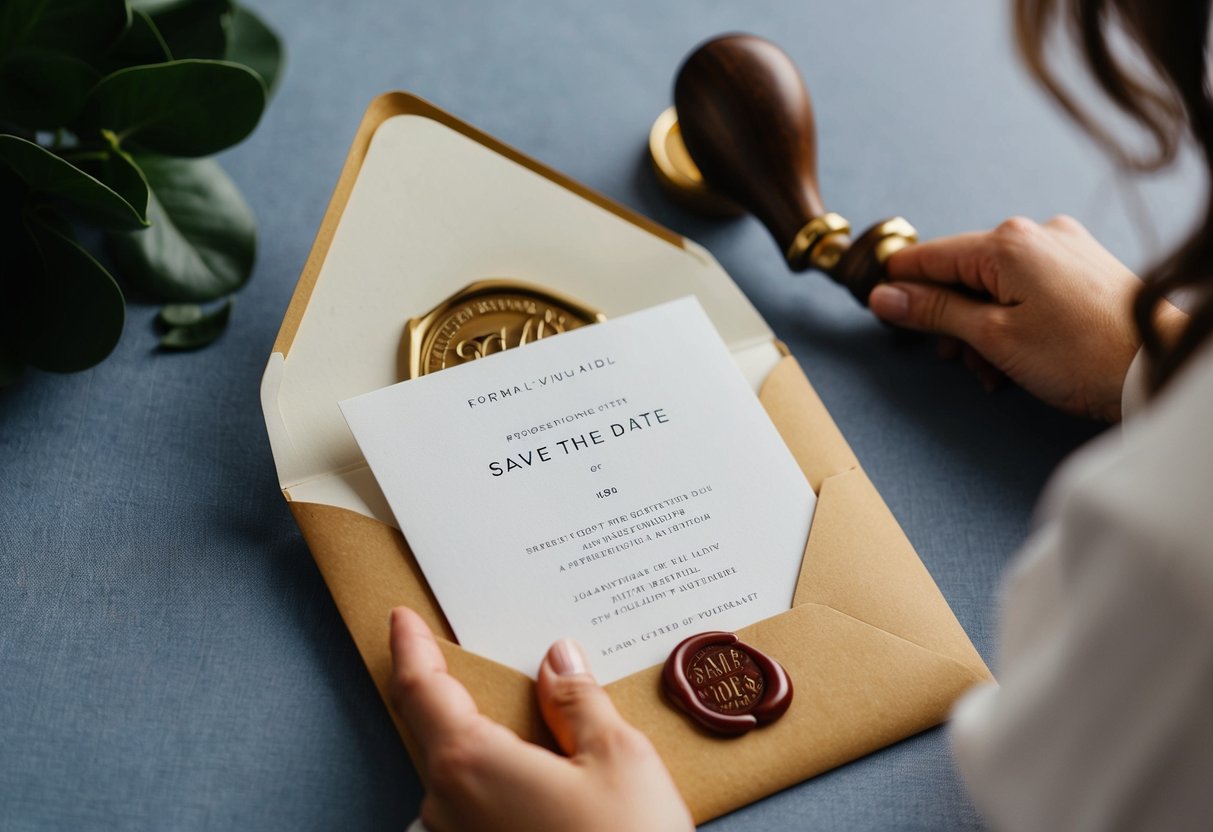
When planning your wedding, deciding how to invite evening guests can be tricky. Knowing who should receive a save-the-date and how to craft your evening guest list is essential for doing it right.
Who Receives a Save the Date?
Save-the-dates are important for all guests attending your wedding, including evening attendees. You should send these cards to anyone you want to invite, whether they will attend the full day or just the evening portion. This helps guests mark their calendars and make arrangements early.
Make sure to include specific details related to your evening celebration. This will help evening guests understand when they should arrive for the festivities. Sending save-the-evening cards is also a fun personalized option, especially for guests you only want at the evening event.
Crafting the Evening Guest List
Creating your evening guest list involves careful consideration. Start by noting everyone you plan to invite to your wedding. Think about family, friends, and colleagues who will join for the evening.
Keep in mind proper etiquette when inviting guests. Avoid sending invitations to people who you aren’t sure will attend. It’s better to reach out personally and gauge their interest first. Furthermore, ensure that your list feels balanced and reflects your overall vision for the day.
When you’re ready, use clear and formal invitations for your evening guests. This communicates respect and sets a welcoming tone for your celebration.
Designing Your Save the Dates

Creating your save-the-date cards is an exciting step in your wedding planning. The design will reflect your style and help set the tone for your special day. You’ll want to consider both the look and the important details to include.
Choosing the Right Design
When picking a design, think about your wedding theme. Choose colors and styles that match the overall feel of your big day. For example, if you’re having a beach wedding, consider using soft blues and sandy tones in your cards.
You might want to include fun elements like photos or custom illustrations. If you prefer a classic look, elegant fonts and simple layouts can also work beautifully.
Don’t forget to factor in your wedding stationery. This includes invitations that will follow. Keeping a cohesive design across all your materials helps create a polished and inviting atmosphere.
Information to Include
Your save-the-date cards should include essential information to help your guests prepare. Start with your names and the date of your wedding. Make sure to add the venue or location to give guests an idea of where to go.
You can also mention that a formal invitation will follow later. This is a nice touch and lets guests know they should keep an eye out for more details.
If you have a wedding website, include the link. It’s a great way to share details and updates. With these pieces of information, your save-the-dates will be clear and informative, ensuring everyone is ready to celebrate with you!
Finalizing and Sending the Invites
When planning your wedding, sending invitations is a key step. Timing and organization play an important role in ensuring your guests can attend your special day. Here’s how to manage this process effectively.
When to Send Formal Invitations
You should typically send your formal invitations about 6 to 8 weeks before the wedding day. For destination weddings, consider sending them even earlier, around 3 months ahead. This gives guests time to make travel arrangements, especially if they are attending your wedding from afar.
If you’re inviting some guests only to the evening reception, make sure to specify this on their invitation. Clear wording helps avoid confusion. Use phrases like “Evening Reception” or “Join Us for the Evening Celebration” to make it evident they are not invited to the full day. This ensures everyone knows what to expect regarding the day’s events.
Managing RSVPs and Follow-Ups
As your invites go out, you need to manage RSVPs. Include an RSVP card or details about how guests can confirm attendance. You may want to set a deadline for responses. This is usually 2 to 3 weeks before the wedding. This helps finalize numbers for seating and catering.
If you haven’t heard back from guests by the deadline, don’t hesitate to follow up with a friendly reminder. A quick phone call or text can help ensure that everyone is accounted for, particularly those invited to the evening wedding invitation. This personal touch shows you care about their participation, making your wedding party feel even more special.