
Do You Sit Parents Together at Wedding? Tips for a Stress-Free Seating Plan
When planning your wedding, you may wonder about the best seating arrangement for your parents. Typically, parents of the couple sit together at the reception, creating a welcoming atmosphere for everyone involved. This seating choice can help blend the families and make the event feel more united.
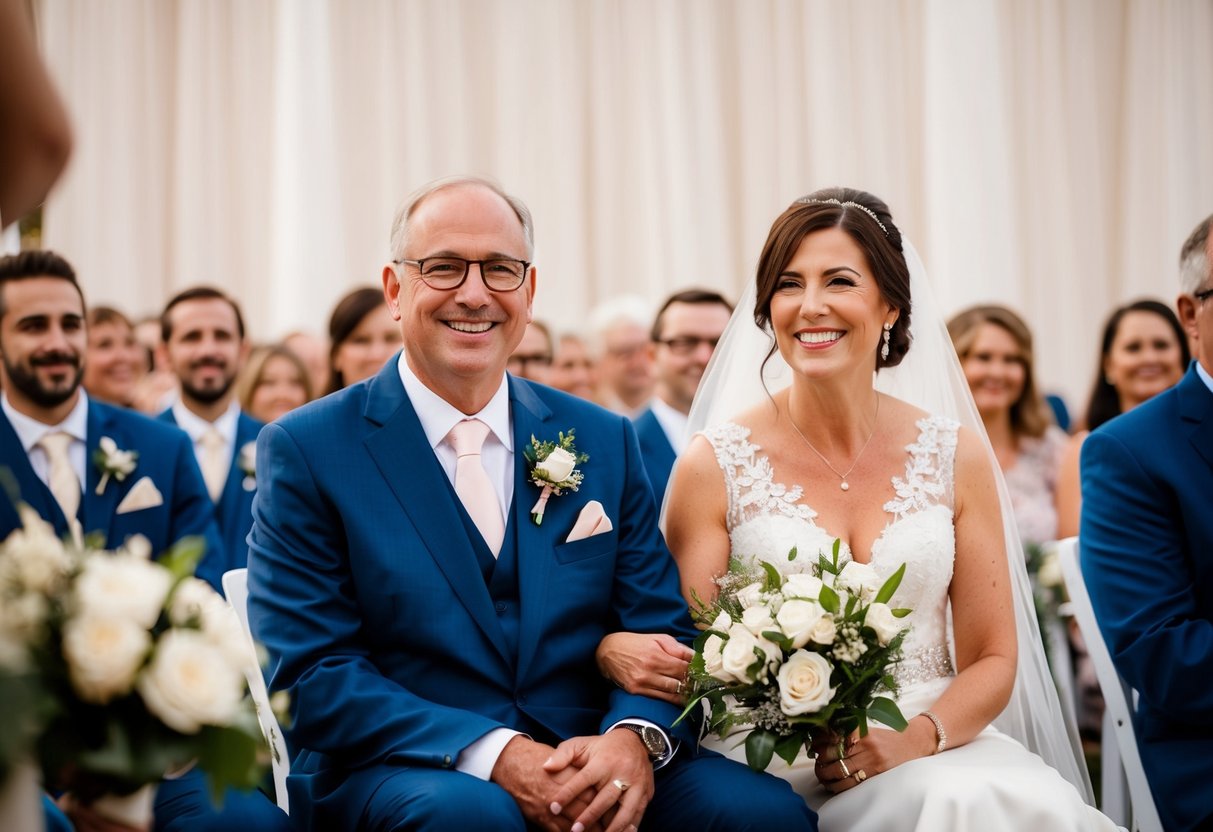
Understanding the dynamics of your family can play a significant role in this decision. If your parents have a friendly relationship with your partner’s parents, sitting them together can enhance the celebratory mood.
On the other hand, if family dynamics are tense, it might be wise to give them separate tables to ensure everyone feels comfortable during your special day.
Wedding etiquette suggests finding a balance that works for your unique situation. Whether you choose to seat parents together or apart, what’s most important is that everyone feels included and enjoys the festivities.
Deciding on the Seating Chart
Creating a seating chart for your wedding reception is a key task. You want to ensure everyone is comfortable and enjoys their time. Understanding how to layout your reception space will help you make the best choices.
Understanding Wedding Reception Layouts
Start by considering the layout of your reception space. Think about the main areas, such as the dance floor and buffet table.
Plan where the head table will go, often placed in a central position for visibility.
You might also choose a sweetheart table just for you and your partner. This creates an intimate spot while allowing family and friends to mingle nearby. For larger families, a family table may work well, allowing parents to sit together with their children.
It’s important to think about who should sit near whom. For instance, you might want VIP guests close to the head table to emphasize their importance.
Create a rough sketch of your layout to make things easier.
Incorporating Table Shapes and Sizes
Different table shapes and sizes influence your seating chart significantly. Round tables promote conversation, while long tables create a more formal feel.
When selecting tables, consider using long family tables for larger groups. This arrangement can foster connections and ease of interaction. If space allows, mix table shapes to add variety.
Keep in mind the number of guests at each table. Aim for a comfortable number, usually six to eight per round table. This setup allows guests to chat more easily without feeling cramped.
As you create your seating chart, ensure each table has a designated purpose. Clearly mark where family members and VIP guests will sit. This helps everyone understand their place as they arrive, making the day smoother for all.
Navigating Family Situations
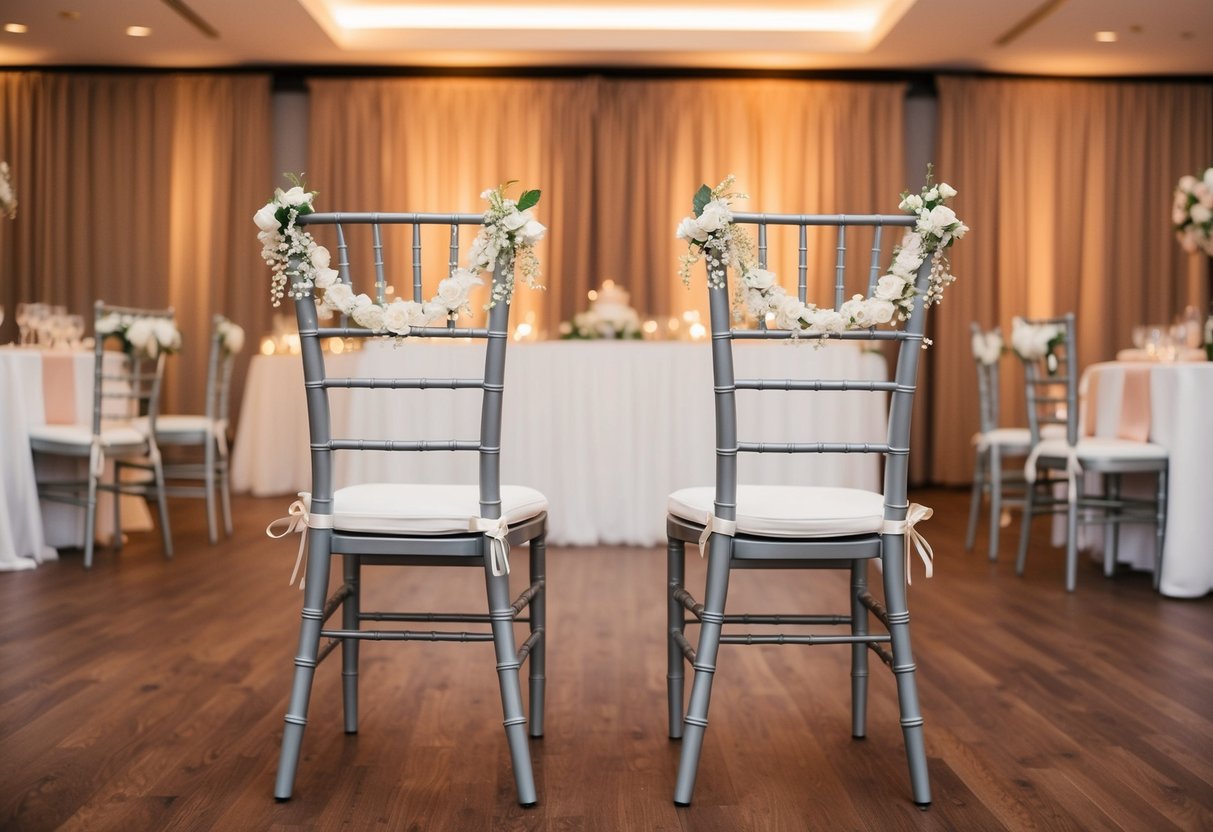
Weddings bring family together, but they can also highlight some challenges. You want to create a comfortable atmosphere for everyone, especially when it comes to seating arrangements. Here are some key points to consider.
Seating Divorced Parents
When you have divorced parents, deciding where to seat them can be tricky. One option is to place each parent at separate tables. This allows everyone to feel at ease without causing tension.
If your parents get along well, consider seating them closer together. You could also alternate seating by placing one parent on each side of the venue. This way, they can still be part of the celebration without feeling awkward.
Think about their feelings. Having communication with them about seating can help ensure a positive experience.
Respecting Elderly Guests
Elderly guests, especially grandparents, often appreciate certain arrangements that make them comfortable. It’s best to seat them closer to the front or at tables that are easily accessible.
Ensure their table has a clear view of any important events, like toasts or the first dance.
Consider their needs, too. If mobility is an issue, you can place them near exits or restrooms for convenience.
Also, providing comfortable seating is important. Use chairs that offer good support and space for them to maneuver easily.
Accommodating Children at the Reception
If your wedding will have children, think about their seating arrangements. Kid-friendly tables can be a fun way to keep them engaged.
You might include coloring books or small toys as centerpieces to keep them entertained.
Do consider the location of their table. Placing children close to their parents can ensure they’re still monitored.
However, seating them together with other kids can help them enjoy the day.
Make sure meals are appealing to younger guests. You can opt for kid-friendly options like chicken tenders, macaroni and cheese, and small desserts. This attention makes the experience joyful for families.
Etiquette and Considerations
Seating parents at your wedding involves balancing traditions while considering family dynamics. It’s essential to think about RSVPs, cultural customs, and any special roles certain individuals may have during your event.
RSVPs and Last-Minute Changes
When planning seating, pay attention to RSVPs. Knowing how many people will attend helps with arrangement decisions.
Create a seating chart after you receive all confirmations.
Be prepared for last-minute changes. Guests may RSVP late or cancel.
Adjust your seating plan as needed. Use place cards to guide guests to their seats. This ensures everyone knows where to go, reducing confusion.
Consider reserved seats for significant family members, like the parents, so they feel special.
You might want a family table where close relatives sit together, fostering connection and warmth.
Cultural and Religious Traditions
Different backgrounds may influence seating arrangements.
In many Christian weddings, traditions dictate that the parents sit together. This practice symbolizes family unity.
In Jewish weddings, it’s common for parents to share a table. This can also include siblings and grandparents, emphasizing family bonds.
Understanding these customs can help you honor your family’s heritage while addressing any potential conflicts.
Always communicate with your parents about their preferences. Knowing their comfort level can help you decide if they should sit together or apart.
Special Acknowledgment for Key Individuals
Don’t forget to highlight important family members during your wedding. The mother of the bride and the mother of the groom often hold special roles. Consider placing them at prominent tables near the couple.
If there are significant parental figures, like step-parents, include them in your seating plan too. Make sure to have a clear communication with them. You may want to discuss seating arrangements with them beforehand, ensuring everyone feels appreciated.
Create a warm atmosphere by acknowledging all key individuals at your wedding. Recognizing their roles fosters goodwill and support, making your day even more special.