
Do You Sleep with Your Engagement Ring? Exploring the Pros and Cons
As you plan your wedding, you might wonder about the little things that come with being engaged, like whether to sleep with your engagement ring on. Many experts suggest taking off your ring at night. This helps prevent damage to the ring and reduces the risk of discomfort while you sleep.
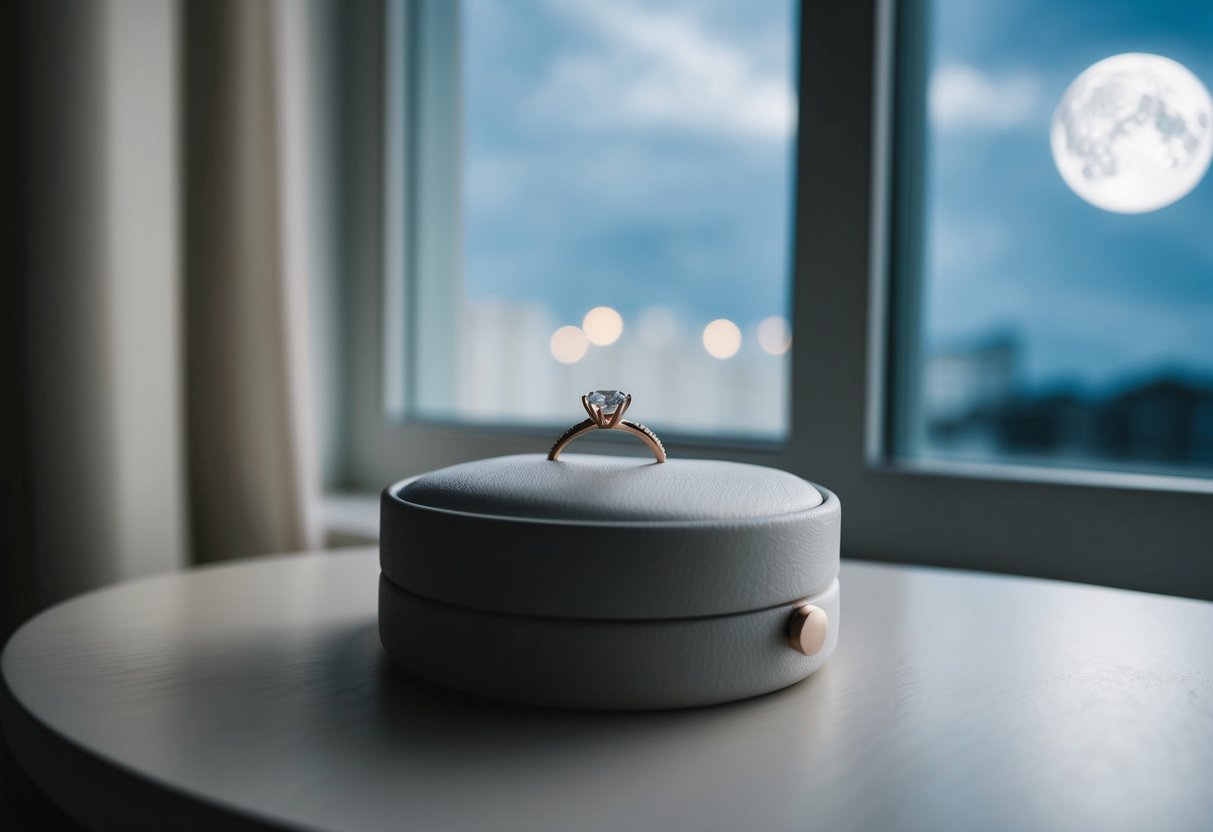
If you’re a wild sleeper, keeping your ring on might lead to snagging on your pillow or sheets. Even worse, it could slip off and get lost during the night. Taking a moment to think about your sleeping habits can help you decide the best way to keep your beautiful ring safe and secure while you dream.
Ultimately, your comfort and the ring’s protection matter the most. As you navigate both wedding planning and this small detail, keeping your engagement ring safe is key to enjoying this special time in your life.
Understanding Engagement Ring Care
Taking care of your engagement ring is essential to keep it looking beautiful and to protect your skin. Proper storage and daily wear can significantly impact the condition of your ring and your comfort.
The Importance of Proper Storage
When you’re not wearing your engagement ring, proper storage is crucial. Keep it in a jewelry box or a designated jewelry case to prevent scratches and damage.
Avoid leaving your ring loose in a drawer or on a countertop. This can lead to it being knocked around, which might cause stones to loosen or the band to bend.
If you have multiple pieces of jewelry, store each item separately to avoid tangling and scratching. You can use soft pouches or individual slots in your jewelry case for added protection.
Keeping your ring in a safe space not only protects it but also keeps it clean and ready for wear.
Daily Wear and Skin Irritation Concerns
Daily wear of your engagement ring can cause skin irritation for some people. If you notice redness or itching, consider taking your ring off for a while.
Certain activities can increase irritation. For example, wearing your ring while exercising or doing household chores might trap moisture and dirt.
It’s a good idea to remove the ring before washing your hands, showering, or swimming. This prevents soap buildup and exposure to harsh chemicals, which can dull the sparkle.
If irritation persists, consult a jeweler to ensure the metal is suitable for your skin type. They can recommend alternatives if needed. Keeping your skin and ring in good condition will ensure both look their best.
Deciding Whether to Sleep With Your Ring On
When thinking about whether to keep your engagement ring on at night, consider factors like personal comfort and the ring’s durability. Let’s take a look at a couple of key points that can help you make your decision.
Scratching Yourself or Your Partner
Wearing your engagement ring while you sleep can lead to unexpected scratches. This happens because the ring’s edges might catch on your skin or your partner’s skin during the night. If you move around a lot in your sleep, this could cause discomfort or small cuts.
To prevent this, think about your sleeping position. If you often sleep on your side, the ring can dig into your skin, causing irritation. If you’re concerned about scratching, consider taking your ring off before bed. This can offer you peace of mind and help avoid any unwanted discomfort for both you and your partner.
Longevity of the Ring Setting
Your engagement ring represents a special moment, so you’ll want to keep it looking its best. Sleeping with your ring on may reduce the longevity of the setting. Frequent pressure from pillows or bedding can loosen stones and weaken the prongs that hold them in place.
To protect your investment, it might be wise to take it off at night. You can prevent unnecessary wear and tear by creating a safe space for it—like a soft pouch or a dedicated spot on your nightstand. This small change helps ensure your ring stays secure and beautiful for years to come.
Alternative Solutions for Ring Safety at Night
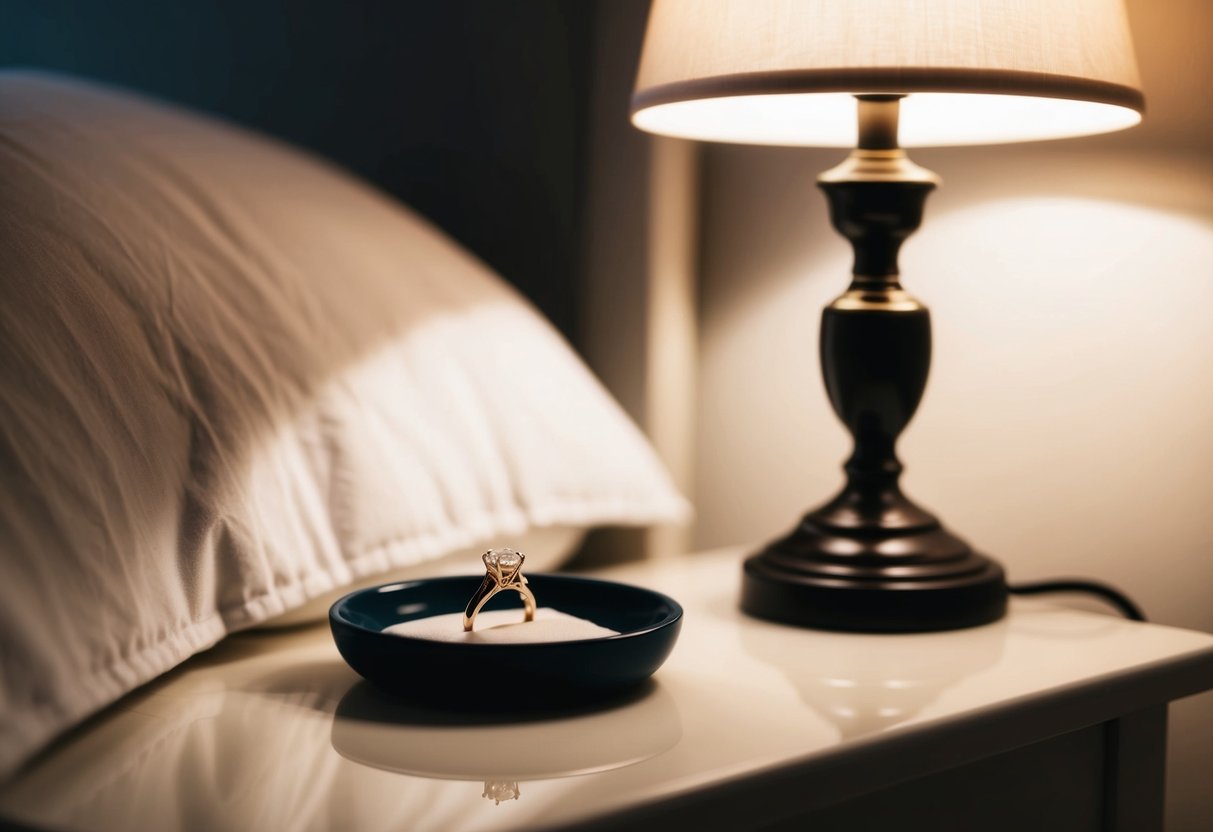
Keeping your engagement ring safe while you sleep is important. There are several practical solutions to ensure your ring stays secure when you’re not wearing it.
Ring Dishes and Holders
Using a ring dish or holder can be a great way to keep your engagement ring safe at night. A ring dish is typically small and made from materials like ceramic, glass, or metal.
You can place it on your nightstand for easy access. This way, you won’t forget where you left your ring. Choose a design that matches your style, so it also adds a decorative touch to your room.
A ring holder is another option. These often have a raised center or a specific shape that keeps your ring in place. Look for options that prevent your ring from rolling around or falling off. This gives you peace of mind while you sleep.
Specialized Jewelry Cases
Specialized jewelry cases offer a secure way to store your engagement ring at night. These cases are designed to protect your jewelry from scratches and damage.
Many jewelry cases come with soft lining and compartments to keep your ring safe. Look for options that are compact enough to fit on your nightstand but still provide ample protection.
Additionally, some jewelry experts recommend choosing cases with locks for added security. This is especially useful if you travel often or want extra protection at home.
Using a specialized case ensures your ring is safely tucked away, and you can sleep soundly knowing it’s protected.
Choosing the Right Materials for Your Lifestyle
When selecting an engagement ring, understanding the materials is key. You want something that fits both your daily life and personal style. Two important aspects to consider are the hardness of the materials and the choice between precious stones and fine jewelry.
Understanding the Mohs Scale of Hardness
The Mohs Scale helps you know how tough different materials are. It ranks them from 1 (softest) to 10 (hardest). For example:
- Diamond: 10
- Sapphire: 9
- Emerald: 7.5 to 8
- Opal: 5.5 to 6.5
If you lead an active lifestyle, consider rings made from harder stones like diamonds or sapphires. They resist scratches and damage better than softer stones like opals. Knowing the hardness helps you choose a ring that will stay beautiful for years to come.
Rings with Precious Stones vs. Fine Jewelry
Choosing between rings with precious stones and fine jewelry can be tricky.
- Precious Stones: These include diamonds, sapphires, emeralds, and rubies. They often last longer and suit everyday wear better.
- Fine Jewelry: This can include pieces made with less durable materials. While they can be stylish and unique, they may need more care.
If you prefer opals for their unique looks, remember they require gentle handling. On the other hand, precious stones like diamonds or sapphires may be better if you often wear your ring.
Understanding these materials can help you make a choice that fits your lifestyle perfectly.